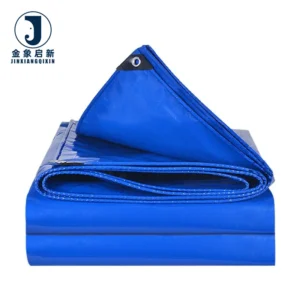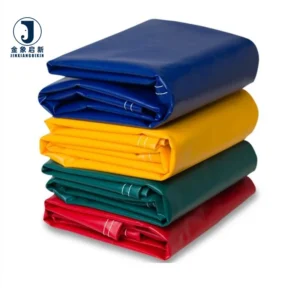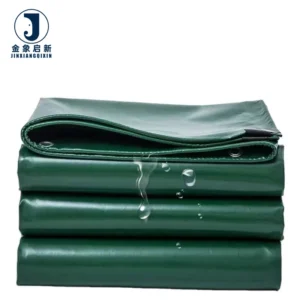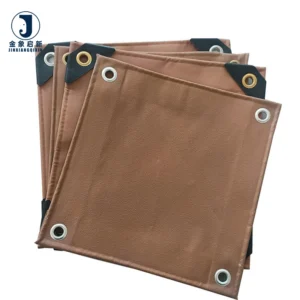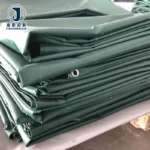
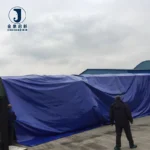

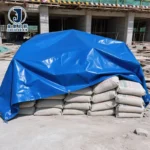

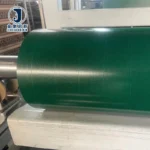
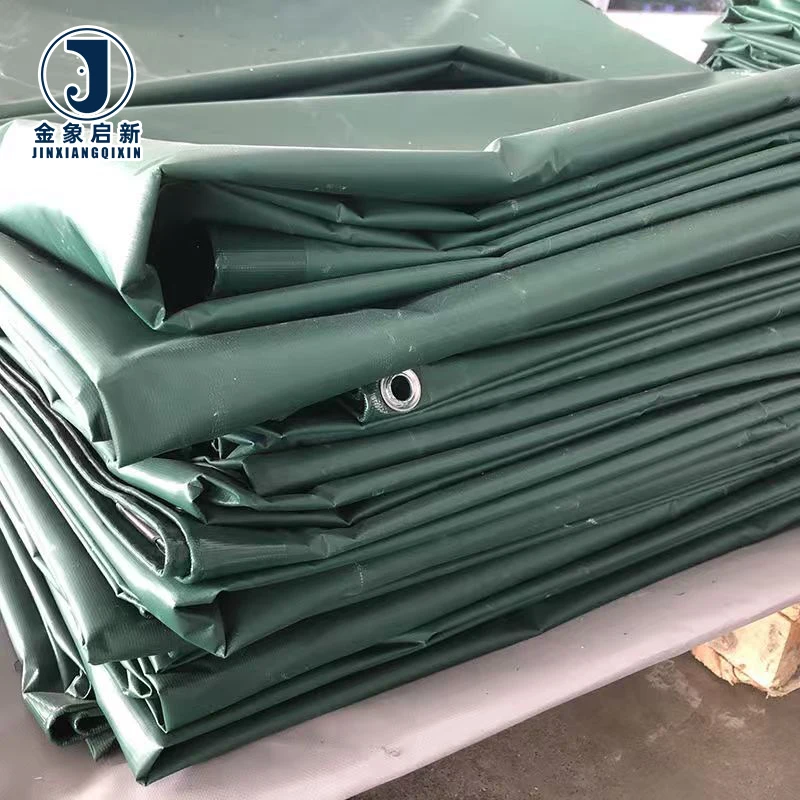
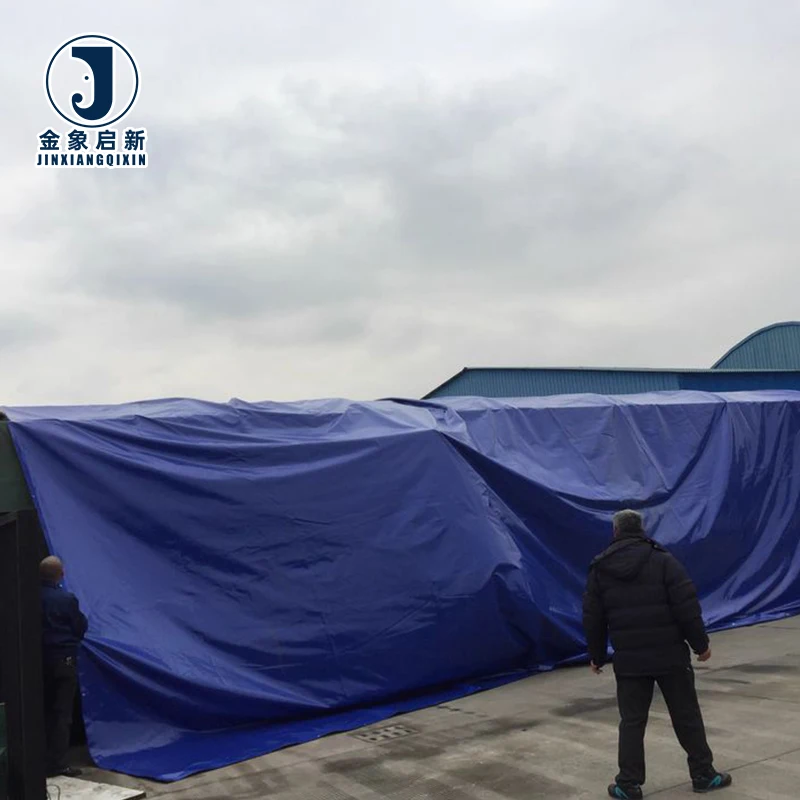
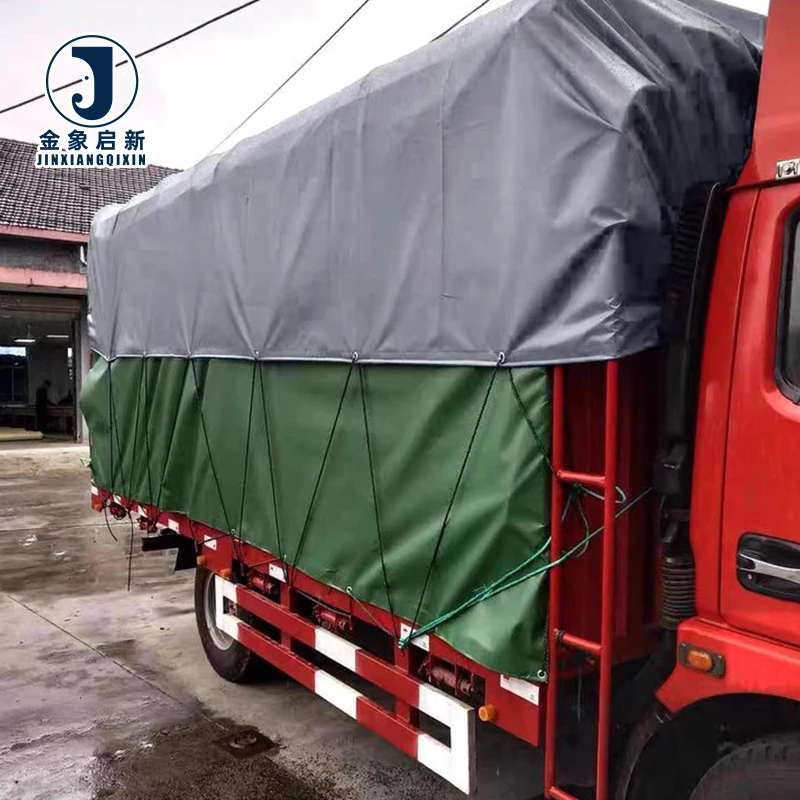
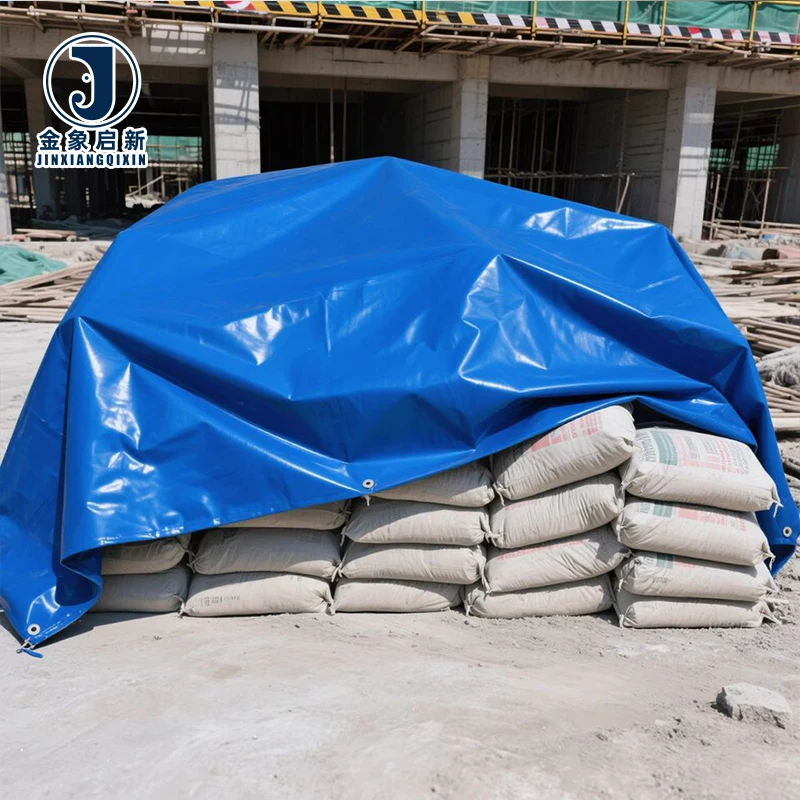
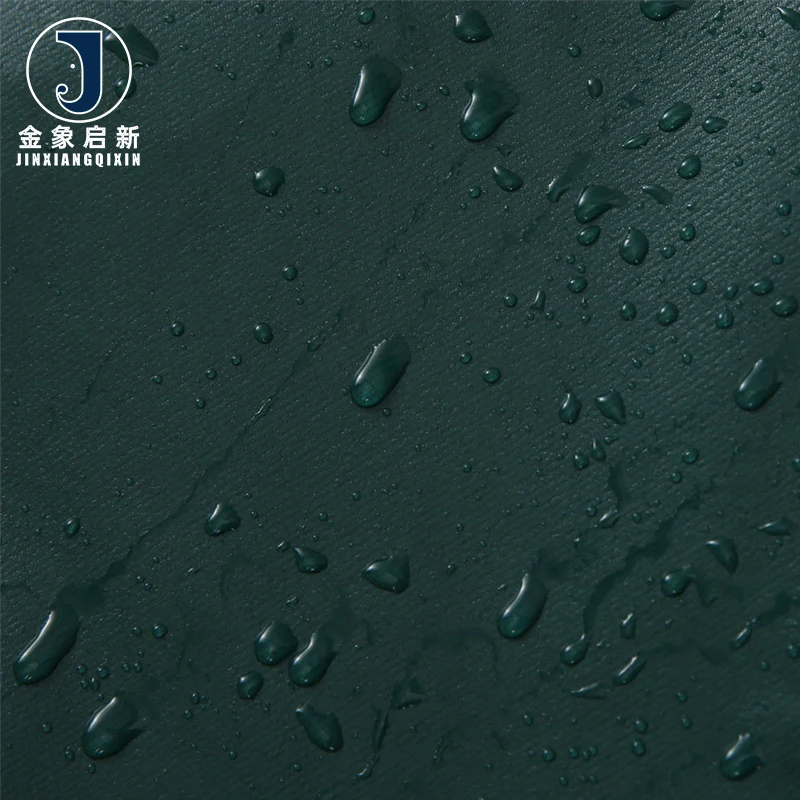
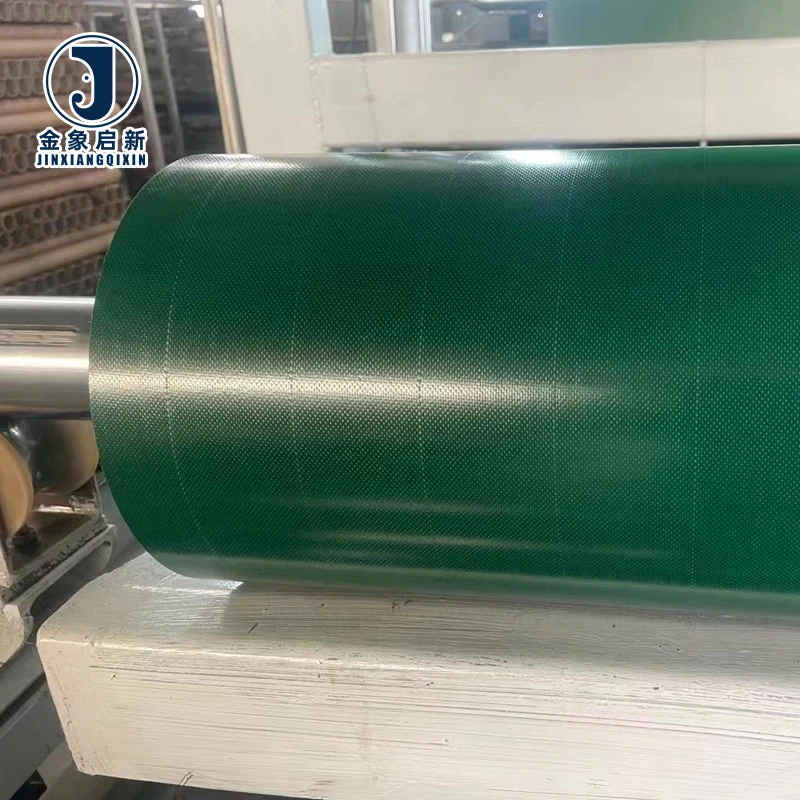
Process-Controlled Coating — Nearly 30 years of PVC coating process control ensures adhesion integrity and consistent coating weight across every roll produced.
Technical Specifications
| Parameter | Value |
|---|---|
| Product Type | PVC Coated Tarpaulin |
| Base Fabric | 100% high toughness polyester yarn |
| Coating Technology | Lamination and hot melt coating |
| Medium-Duty Weight | 400–500 g/m² |
| Medium-Duty Thickness | 0.35–0.45 mm |
| Medium-Duty Denier | 500D |
| Medium-Duty Tensile Strength | Warp 1500–2000 / Weft 1200–1800 N/5cm |
| Heavy-Duty Weight | 700–1000 g/m² |
| Heavy-Duty Thickness | 0.70–1.0 mm |
| Heavy-Duty Denier | 1000D |
| Heavy-Duty Tensile Strength | Warp 2000–2500 / Weft 1800–2200 N/5cm |
| Super Heavy Weight | 1100–1500 g/m² |
| Super Heavy Thickness | 1.2–1.5 mm |
| Super Heavy Denier | 500D–2000D |
| Super Heavy Tensile Strength | Warp 2500–3000 / Weft 2200–2800 N/5cm |
| Waterproof | Yes |
| Cold Resistant | Yes |
| Anti-Mildew | Yes |
| Optional Treatments | Flame retardant (grade to confirm), anti-static (standard to confirm) |
| Weld Tear Strength | Excellent |
| Color Fastness | Best color fastness (test basis to confirm) |
| Standards | ISO, CE |
Application Suitability
| Application | Exposure & Requirement |
|---|---|
| Mine and tunnel ventilation ducts | Continuous negative pressure, fire-retardant and anti-static compliance for underground safety regulations |
| Aviation hangar air distribution | Large-diameter duct runs requiring certified flame retardant fabric and low particulate shedding |
| Inflatable and membrane structures | Tensioned panels exposed to wind load, UV, and structural flex cycles |
| Industrial ventilation systems | High-volume airflow, chemical-laden exhaust, and elevated temperature environments |
| Temporary specialist enclosures | Rapid deployment, repeated folding and unfolding, weather exposure |
Why Fire-Retardant Certification Without a Grade Is a Procurement Risk
Fabric arrives on site, the inspector asks for the test certificate, and the grade on paper does not match the standard the project specifies.
Mining and tunnelling projects routinely specify ventilation duct fabric that must meet a particular fire classification — M2, B1, NFPA 701, or DIN 4102 — yet suppliers frequently quote PVC coated tarpaulin fire retardant without stating which standard the treatment satisfies. The consequence is failed inspection, work stoppage, and replacement orders placed under extreme time pressure [NEED_CITE: DIN 4102 fire classification for building materials]. We have seen contractors forced to strip out already-installed duct runs because the documentation did not align with the site safety officer’s requirements. The gap between "flame retardant treated" and "certified to a named standard" is where projects stall.
Coating Adhesion and Weld Integrity in Duct Fabrication
When fabricating ventilation ducts from PVC coated tarpaulin, the weld seam is the first point of failure under flex and negative pressure loading. Lamination and hot melt coating technologies each produce different adhesion profiles at the coating-to-base-fabric interface, and this directly affects how well heat-welded joints hold during service. Hot melt coating tends to deliver deeper penetration into the polyester yarn structure, which supports stronger weld tear resistance at fabricated joints. For duct diameters that generate higher internal pressure differentials, specifying the correct coating method is as critical as selecting the base fabric denier.
Anti-Static Compliance for Regulated Underground Environments
Underground mining and tunnelling operations require ventilation duct fabric with verified anti-static surface resistance to prevent charge accumulation in explosive atmospheres. The PVC coated tarpaulin fire retardant and anti-static combination must be validated against the specific standard the site safety plan references — generic claims without a measured surface resistance value do not satisfy inspection requirements [NEED_CITE: tensile and tear test methods for coated fabrics per ISO 1421]. When inquiring, state the target standard so the treatment can be formulated and tested before production begins.
Reading the Specification Sheet Beyond GSM
The base fabric denier and knitting density determine how the PVC coated tarpaulin responds to tear propagation once the coating is penetrated. A 1000D polyester base in the heavy-duty grade provides substantially higher resistance to tear extension compared to 500D, even when both carry similar coating weights. Lamination technology bonds the PVC film layers to the scrim under heat and pressure, producing a smooth surface suitable for continuous duct runs where airflow friction matters. Hot melt coating, applied in a molten state, penetrates the yarn interstices more thoroughly, improving peel strength and the durability of welded seams. The coating method selected should align with whether the fabric will be fabricated into welded duct sections or used as flat tensioned membrane panels. Colour fastness depends on pigment loading and dispersion quality during the coating stage — request a colour reference sample when ordering multiple rolls for a single structure.
What Happens When the Specification Does Not Match the Site Requirement
A ventilation duct installed underground without the correct fire-retardant grade on its test certificate can halt an entire project. Site safety officers in mining and tunnelling operations verify documentation before commissioning, and a mismatch between the stated PVC coated tarpaulin fire retardant treatment and the required classification forces removal and replacement. Similarly, anti-static fabric supplied without a surface resistance test report leaves the contractor unable to demonstrate compliance during regulatory audit [NEED_CITE: anti-static surface resistance testing for ventilation duct materials]. Batch colour inconsistency across rolls becomes visible once membrane panels are installed side by side, requiring re-sorting or partial replacement that delays project handover.
Why Source Specialist-Grade Fabric Through This Facility
Three full production lines and 36 sets of professional equipment support bulk roll output with consistent coating weight across long production runs. A 10-person R&D team handles material selection, custom width development, and sample preparation for project-specific fire-retardant or anti-static formulations. Every production stage includes dedicated quality control, with 100% inspection before dispatch to verify coating weight, colour consistency, and weld sample integrity. Custom widths and roll lengths reduce the number of on-site joins in continuous duct runs, cutting installation time and potential leak points. Samples for specialist grades are developed within days, allowing compliance verification before committing to full production volume.
Documentation & Verification
- Material specification sheet stating GSM, base fabric denier, coating method, and colour reference for every roll
- Fire-retardant test report matching the grade and standard specified at inquiry stage
- Anti-static surface resistance test result included when treatment is specified
- Pre-shipment inspection record covering coating weight verification and colour consistency
- ISO and CE certificates accompanying dispatch documentation package
- Roll packing list with batch traceability for multi-roll orders
Fabrication, Handling & Storage
- Set heat welder temperature and dwell time to match the lamination or hot melt coating method specified
- Store rolls upright on pallets to prevent flat-spot deformation across the coating surface
- Allow cold-stored rolls to reach ambient temperature before unrolling to avoid coating crack
- Clean fabricated duct surfaces with mild detergent only — solvents degrade PVC coating adhesion
- Plan roll widths against duct circumference to minimise longitudinal weld seams in finished runs
What to Include in Your Inquiry
Provide the ventilation duct diameter, negative pressure rating, and the fire-retardant or anti-static standard your site requires. Specify whether you need base fabric rolls for your own fabrication or if custom width and length are required to minimise on-site joining. State your colour preference and confirm whether a pre-production sample is needed for compliance testing before the full order runs.
Frequently Asked Questions
Q: What fire retardant grade can you supply and which test standard does it meet?
A: Fire-retardant treatment is available in grades aligned with standards including M2, B1, NFPA 701, and DIN 4102. The specific grade must be confirmed at inquiry to match your site compliance requirement. A test report is supplied with each batch so you can present it to the site safety officer during inspection.
Q: How do you verify anti-static surface resistance for underground duct applications?
A: Anti-static treatment is formulated to meet the surface resistance range your project specifies. A test result documenting the measured value is available on request and included with shipment documentation. State the target standard during inquiry so the correct formulation is applied during coating.
Q: What is the difference between lamination and hot melt coating for weld strength?
A: Lamination bonds PVC film to the polyester scrim under heat and pressure, producing a smooth surface. Hot melt coating penetrates deeper into the yarn structure, improving peel strength at welded seams. The choice affects how well fabricated duct joints resist separation under negative pressure and flex loading.
Q: Can you supply fabric in custom widths for continuous duct runs?
A: Custom widths and roll lengths are available to match your duct diameter and minimise longitudinal weld seams. The R&D team develops samples within days so you can verify fit and compliance before full production. Lead times depend on the width and treatment combination specified.
Q: How do you control colour consistency across multiple rolls for membrane structures?
A: Every production stage includes quality control checks on pigment dispersion and coating weight. A pre-shipment inspection record documents colour consistency across the order. Request a colour reference sample during the approval stage to set the baseline for batch production.