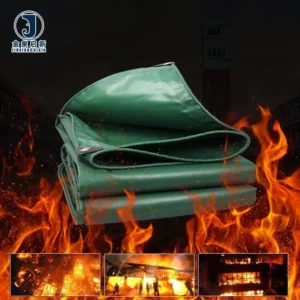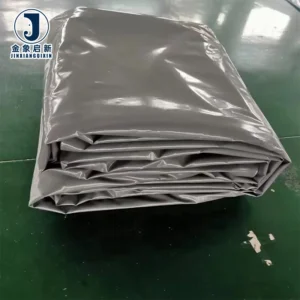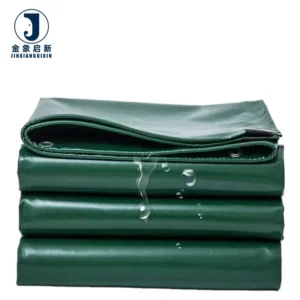
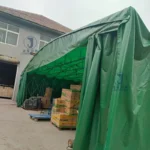
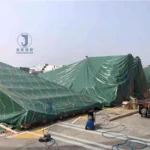
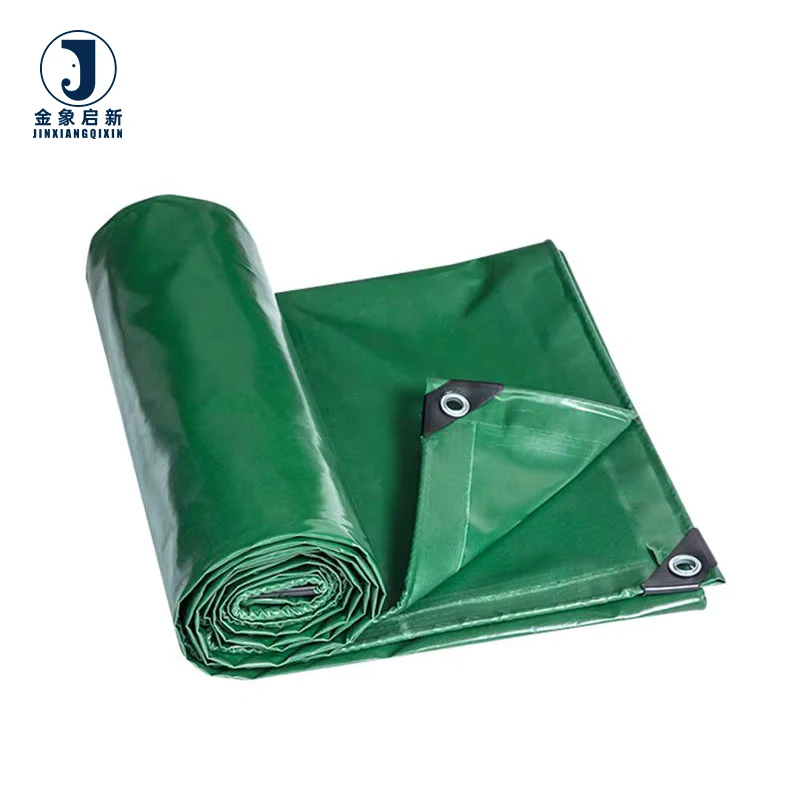
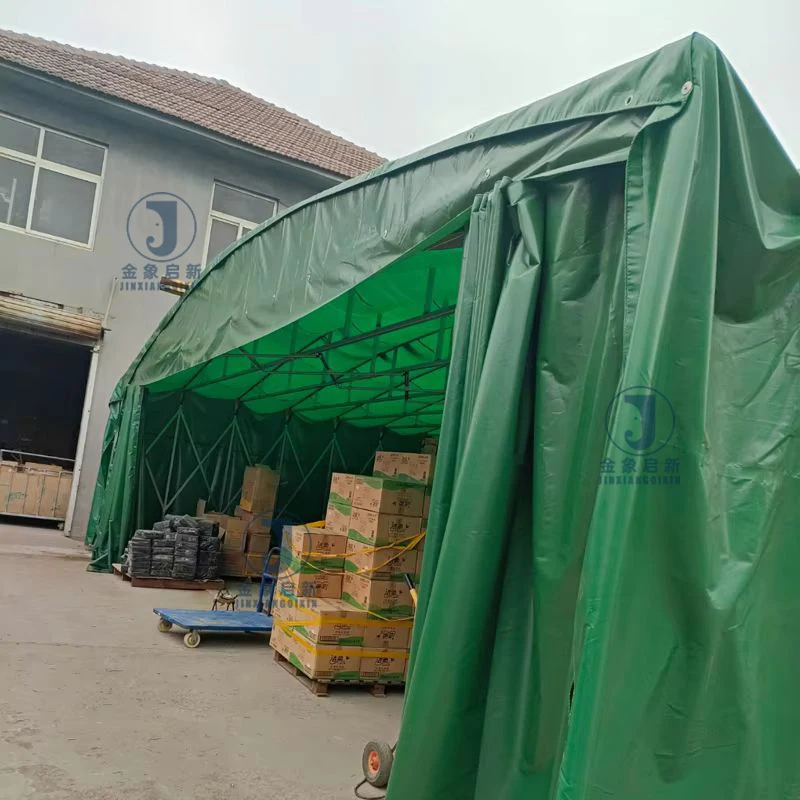
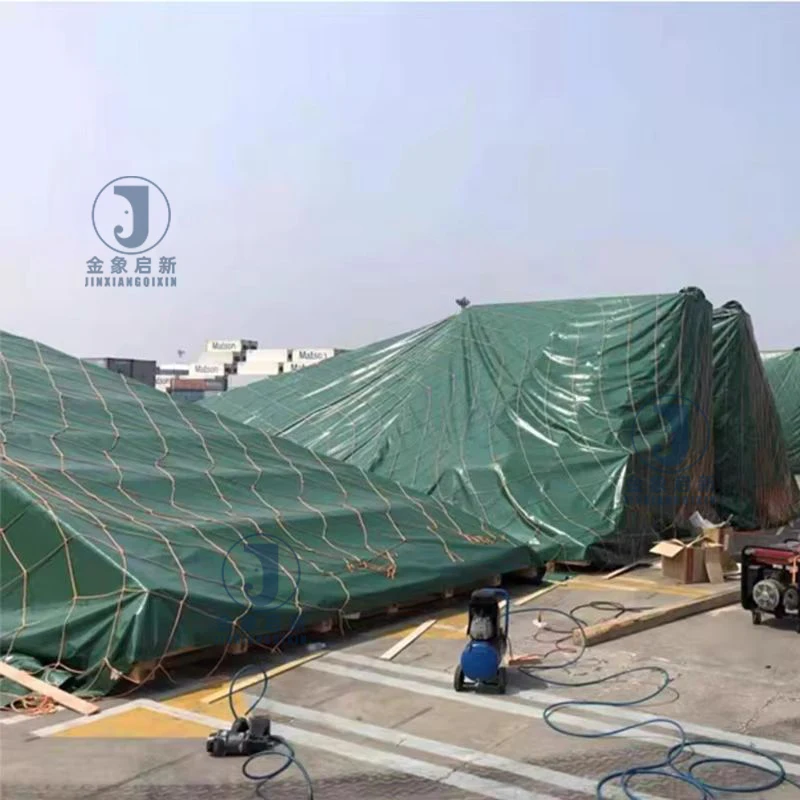
Hot Melt Coated Membrane Fabric — Three dedicated production lines and 36 equipment sets control coating weight and adhesion across every roll of tensioned structure fabric.
Technical Specifications
| Parameter | Value |
|---|---|
| Product Type | PVC Coated Fabric |
| Weight (GSM) | 620gsm |
| Total Thickness | 0.70–1.0 mm (source value — verify against manufacturer catalog) |
| Base Fabric Denier | 1000D (source value — verify against manufacturer catalog) |
| Coating Material | PVC |
| Coating Method | Hot melt coating / Lamination technology |
| Tensile Strength | Meridian 2000–2500 / Latitude 1800–2200 N/5cm (source value — verify against manufacturer catalog) |
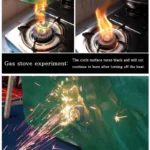
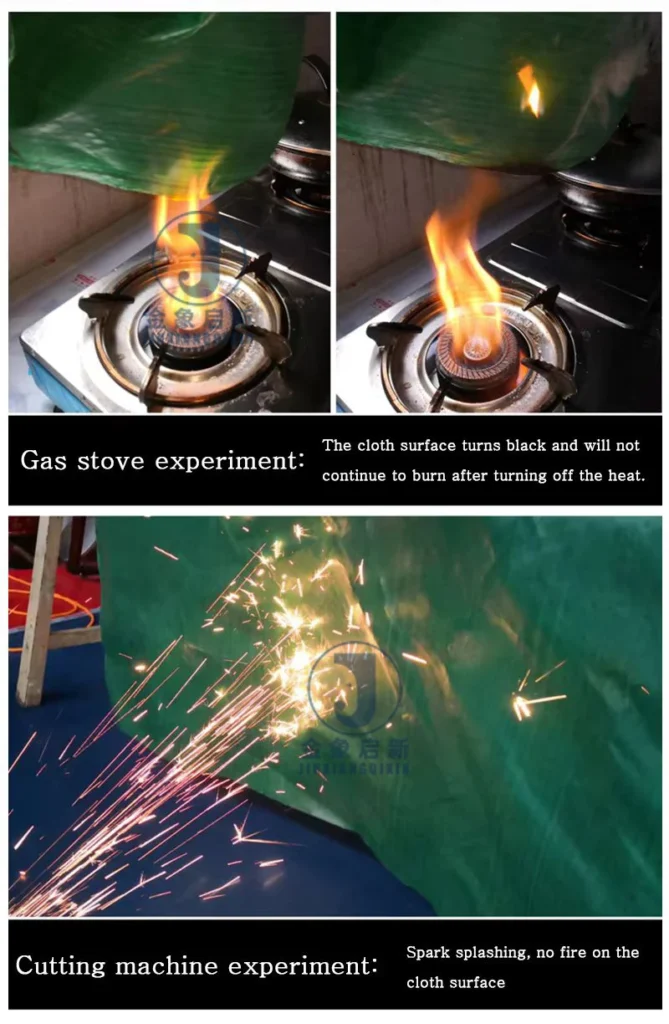
| Flame Retardant | Available in flame retardant grades — confirm the grade required for your market |
| Anti-Static | Available with anti-static treatment — confirm surface resistance standard for your project |
| UV Treatment | Anti-UV available — test basis to be confirmed per market requirement |
| Anti-Mildew | Mold proof formulation |
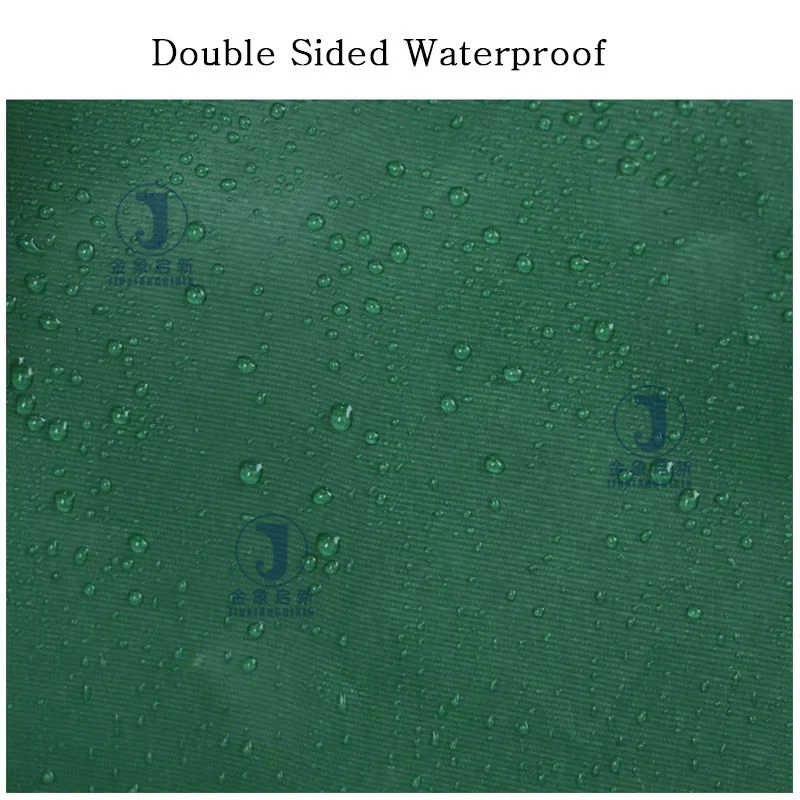
| Waterproof Rating | Fully waterproof coated construction |
| Color Fastness | High color fastness — test standard to be confirmed |
| Outdoor Durability | Formulated for extended outdoor weather resistance |
| Certifications | ISO, CE |
Application Suitability
| Application | Exposure & Requirement |
|---|---|
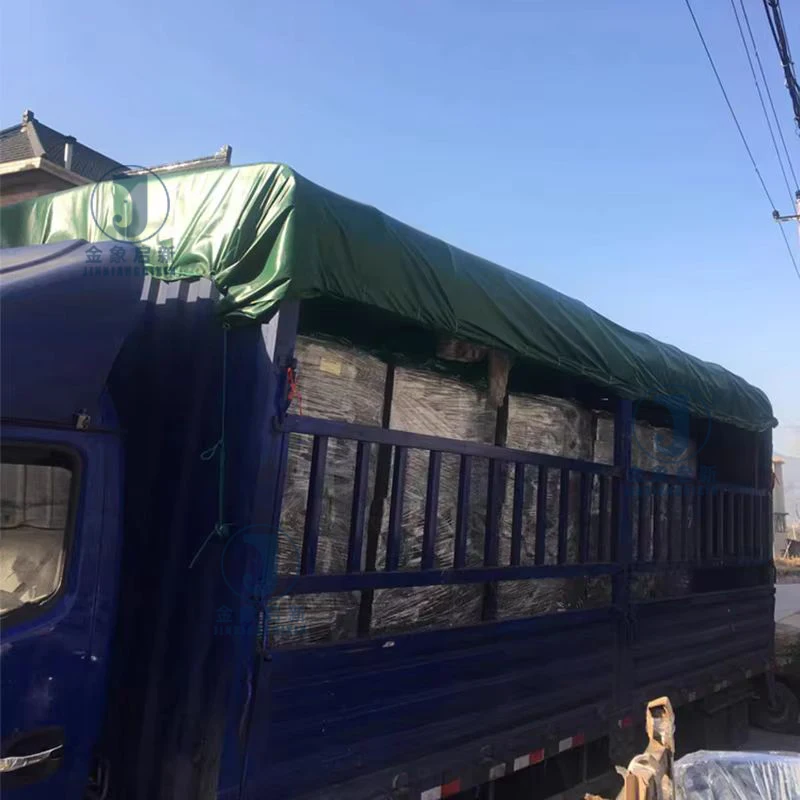
| Stadium tensile membrane roofing | Sustained structural tension, wind load cycling, long-term UV and rain exposure, fire code compliance for public venues |
| Industrial pipe canopy | Chemical and moisture exposure, thermal cycling, abrasion from wind-driven debris, anti-static requirement in volatile environments |
| Large span architectural facade | Continuous tensile stress, panel-to-panel weld integrity, aesthetic consistency across visible membrane surfaces |
| Tensioned shade structure | Daily thermal expansion and contraction, UV degradation resistance, color consistency under direct sunlight |
Why Coating Adhesion Matters More Than Stated Tensile Strength
The seam fails before the fabric does — not because the welder set the wrong temperature, but because the coating never bonded properly to the base yarn during production.
When a Membrane Structure Fabric 620 gsm PVC coated roll arrives on site and the fabricator begins hot-air welding, the joint should match or exceed the base fabric strength. In practice, many coated fabrics delaminate at the weld line under sustained tensile load, particularly at the point where the membrane flexes under wind pressure. This failure mode traces back to the coating-to-yarn bond achieved during manufacturing, not the weight of the material or the skill of the installer. [NEED_CITE: tensile and tear test methods for coated fabrics per ISO 1421]
Hot Melt Coating Process and Structural Tensile Performance
Hot melt coating technology forces the PVC compound into the interstices of the 1000D polyester base yarn under heat and pressure, creating a mechanical bond that resists delamination under cyclic tensile stress. For Membrane Structure Fabric 620 gsm PVC coated applications such as stadium roofs, this coating method delivers consistent adhesion across the full roll width, which is critical when membrane panels are tensioned over large spans and subjected to sustained wind uplift loads.
Flame Retardant and Anti-Static Options for Public Venue Compliance
Stadium and arena membrane projects require fire classification documentation before the building inspector signs off. This fabric is available in flame retardant grades — confirm the grade required for your market, whether DIN 4102, NFPA 701, or a local building code equivalent. Anti-static treatment is also available for environments where dust accumulation or spark risk demands controlled surface resistance. Always request the test report corresponding to the specific batch before installation begins. [NEED_CITE: DIN 4102 fire classification for building materials]
Base Fabric Density, Coating Method, and Real-World Membrane Behavior
The 1000D polyester base yarn provides the tensile backbone for this 620gsm membrane fabric. Denier alone does not determine strength — the knitting density (warp and weft count) and the hot melt coating penetration together govern how the fabric behaves under biaxial stress. When a membrane roof is tensioned, the load distributes unevenly across the warp and weft, and the coating must transfer stress between yarns without cracking or peeling. Lamination and hot melt coating methods differ in how deeply the PVC penetrates the weave; hot melt coating achieves deeper penetration, which translates to higher weld tear strength and better resistance to seam failure at flex points. The 0.70–1.0 mm thickness range reflects the total coating build, which directly influences the fabric’s stiffness and its ability to hold a tensioned shape without excessive sag over time. Anti-UV treatment and mold proof formulation extend service life in tropical and temperate climates alike, though the specific test basis for UV resistance should be confirmed for your project’s exposure conditions.
What Happens When Coating Weight Does Not Match the Quotation
A membrane contractor installs panels across a stadium roof, only to find the fabric sags between purlins sooner than expected. The root cause often traces to a coating weight that is lighter than the stated 620gsm — less PVC means less stiffness, less weather resistance, and reduced weld tear strength at the seams. When rolls in the same shipment vary in actual GSM, adjacent panels tension differently, creating visible unevenness in the finished roof surface. [NEED_CITE: pre-shipment inspection practices for coated fabric roll consistency]
Sourcing Technical Membrane Fabric with Verified Process Control
Three full production lines equipped with 36 sets of professional equipment support the capacity and repeatability needed for large membrane projects where batch consistency is non-negotiable. A 10-person R&D team handles material selection, custom width development, and sample production within days when a project specifies a non-standard roll dimension or color reference. Every roll of Membrane Structure Fabric 620 gsm PVC coated material passes through dedicated QA/QC checkpoints at each production stage, with 100% inspection before shipment to catch coating weight deviations and surface defects. Deep process control over coating weight and adhesion comes from nearly 30 years of focused coated fabric production, which translates to reliable hot-air welding performance on site.
Documentation & Verification
- Material specification sheet stating 620gsm, 1000D base, and hot melt coating method per roll
- Flame retardant test report matched to batch and grade where applicable
- Anti-static surface resistance test certificate for enclosed venue compliance
- Pre-shipment inspection record with roll-by-roll GSM and coating weight verification
- Roll packing list and certificate of origin for customs clearance and project files
Fabrication, Handling & Storage
- Hot-air weld temperature and speed must be calibrated to the 620gsm PVC coating thickness for full penetration
- Store rolls upright on pallets to prevent compression creasing across the 1000D base fabric
- Unroll membrane panels in ambient temperature conditions to avoid cold-cracking the PVC surface
- Clean installed membrane with mild detergent only — aggressive solvents degrade the anti-UV treatment
- Plan panel cutting layout to minimize weld joints across the 620gsm membrane surface area
Requesting a Specification Match for Your Membrane Project
To move from inquiry to sample, provide the intended application, span dimensions, and the tensile load calculations from your structural engineer. Specify the fire classification and anti-static standard required by your local building authority so the correct treatment grade is selected. Confirm whether you need rolls at a specific width to reduce on-site welding, or if standard roll dimensions suit your fabrication layout.
Frequently Asked Questions
Q: How is coating adhesion tested to prevent seam failure under structural load?
A: Coating-to-yarn adhesion is verified through the hot melt coating process, which forces PVC into the 1000D base fabric under heat and pressure. Weld tear strength is checked during pre-shipment inspection to ensure the seam holds under tension before the roll leaves the factory.
Q: What flame retardant grade and anti-static certification can be supplied?
A: This Membrane Structure Fabric 620 gsm PVC coated material is available in flame retardant grades and with anti-static treatment. Confirm the specific standard your project requires — such as DIN 4102 or NFPA 701 — so the matching test report is prepared with your shipment documentation.
Q: How is batch-to-batch colour consistency controlled across rolls?
A: Every production run is checked against the specified colour reference under controlled lighting conditions. Pre-shipment inspection covers all rolls in the order to ensure adjacent panels match when installed side by side on the membrane structure.
Q: What roll width and length options are available to minimize on-site welding?
A: Custom width and length are developed through the R&D team with samples produced within days. Providing your panel layout allows the mill to recommend the roll dimensions that reduce weld joint count across the tensioned membrane surface.
Q: How is GSM verified on arrival and what documentation supports the quoted weight?
A: Each roll is weighed and recorded during the 100% pre-shipment inspection. The material specification sheet and inspection report shipped with your order state the measured GSM alongside the quoted 620gsm, giving you a traceable record on arrival.