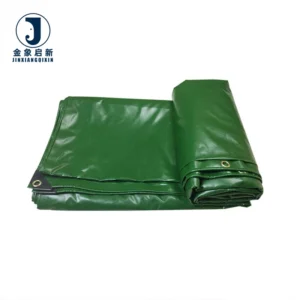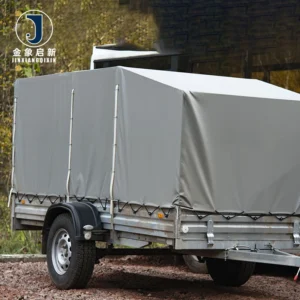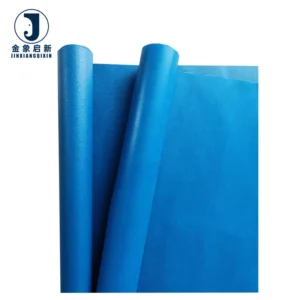
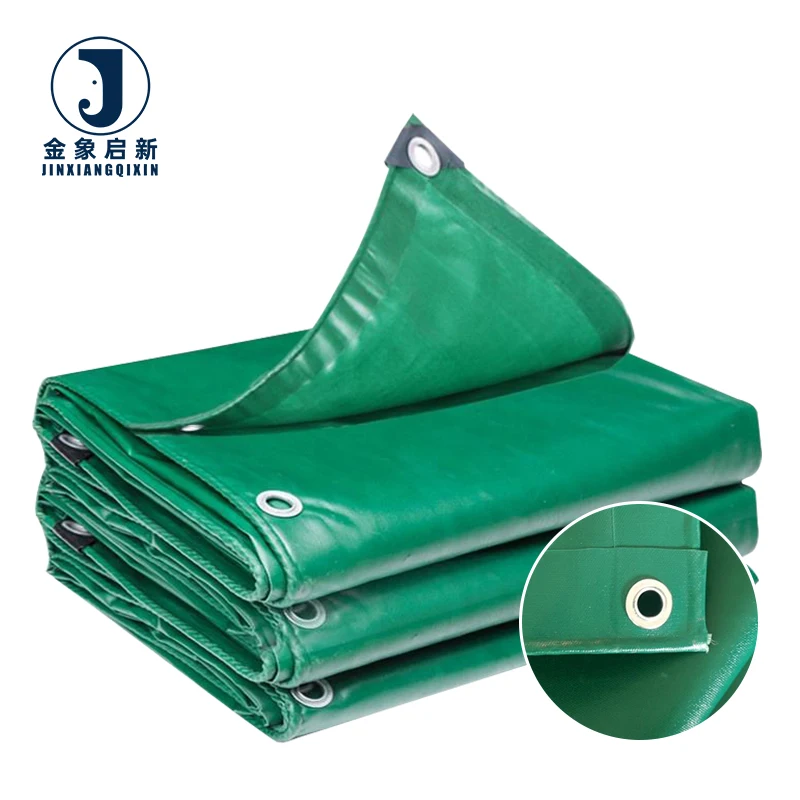
Precision Coating Control — every roll of PVC coated fabric is verified against stated GSM before dispatch, ensuring membrane structure contractors receive exactly the fire-retardant or anti-static grade specified for site compliance.
Technical Specifications
| Parameter | Value |
|---|---|
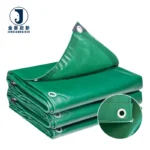
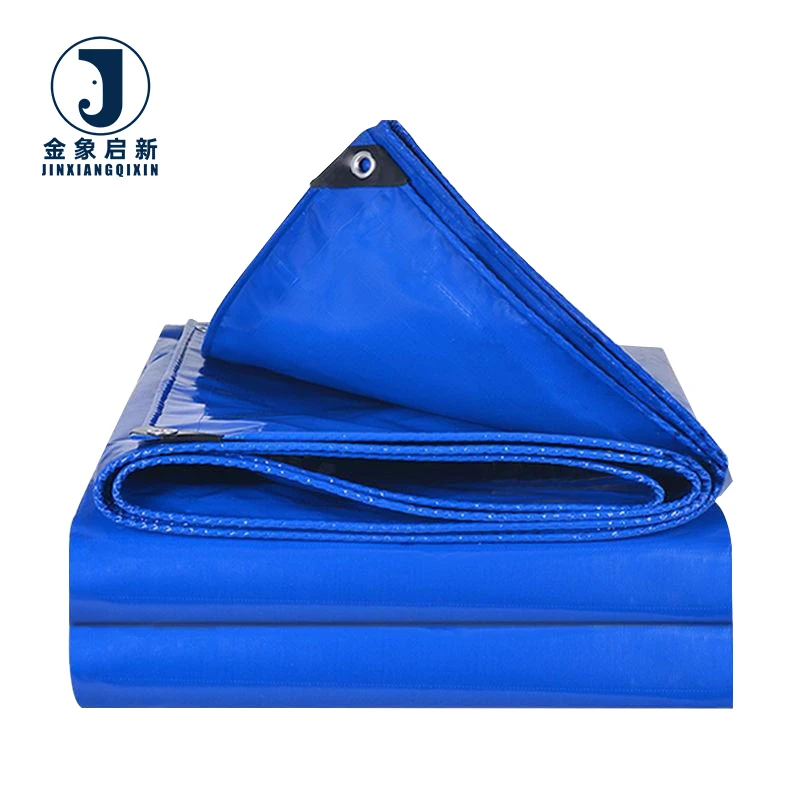
| Product Type | PVC Coated Fabric for Membrane Structure |
| Base Fabric Denier | 500D-500D |
| Coating Material | PVC & polyester |
| Thickness Measurement | 450-900 g/m² (range covers product family — confirm the grade for your project) |
| Surface Characteristics | Smooth and soft surface with a leather-like texture |
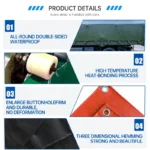
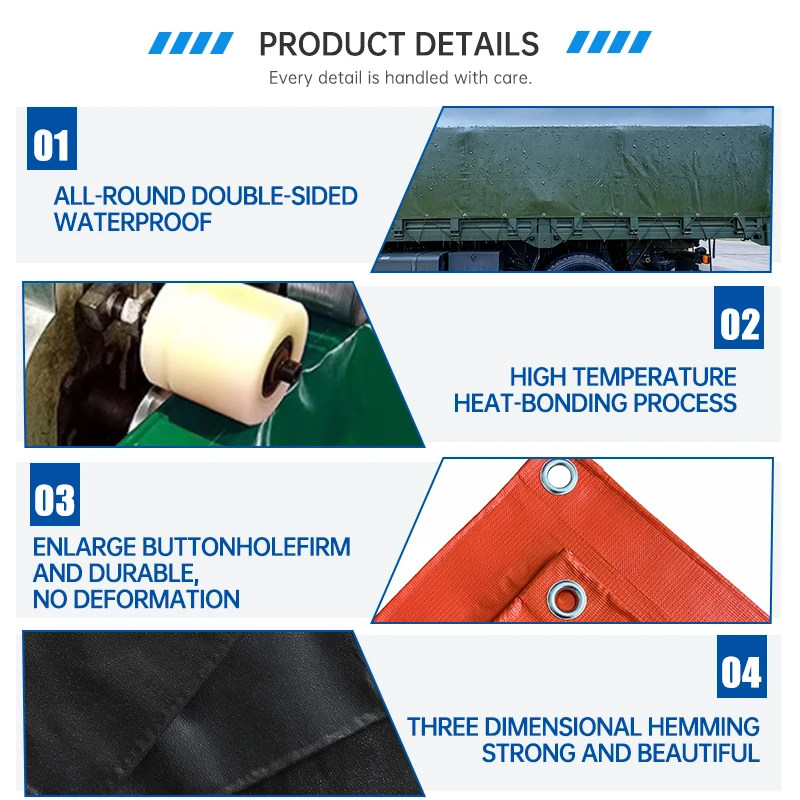
| Waterproof Performance | Fully waterproof with overall coating sealing |
| Abrasion Resistance | Very strong |
| UV Resistance and Aging Resistance | Available in anti-UV grades — confirm the grade required for your environment |
| Flame Retardancy | Available in flame-retardant grades — confirm the grade required for your market (e.g., M2 / B1 / NFPA 701 / DIN 4102) |
| Service Life | Suited to extended outdoor exposure |
| Repairability | Repairable by hot air welding |
| Key Features | Water resistant, waterproof |
Application Suitability
| Application | Exposure & Requirement |
|---|---|
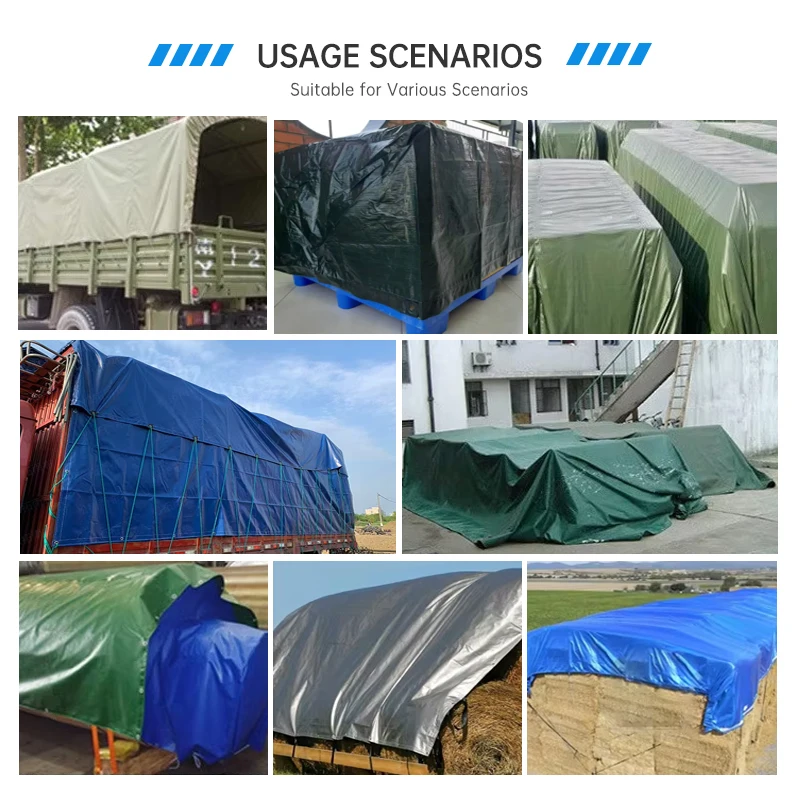
| Mine and tunnelling ventilation duct | Combustible dust, confined spaces, continuous airflow — requires fire-retardant and anti-static compliance verified by site inspector |
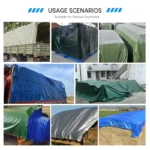
| Aviation ground support duct and inflatable structure | Rapid inflation cycles, repeated deployment, ground-level abrasion — demands reliable hot-air weld integrity and fabric flexibility |
| Membrane and tension structure for semi-permanent buildings | Sustained wind load, UV exposure, snow accumulation — requires high tensile base fabric with consistent coating adhesion |
| Construction site temporary enclosure | Weather exposure, equipment contact, frequent relocation — needs abrasion resistance and field-repairable seams |
Why Specifying a Flame-Retardant Grade Without the Test Report Is a Liability
Ordering PVC coated fabric with a fire rating claimed on the quotation but unsupported by a matching test report puts the entire project at risk of work stoppage.
Contractors on mining, tunnelling and aviation ground-support sites operate under strict safety audits. When the inspector asks for the fire-retardant certificate and the shipment arrives with only a generic data sheet — not a test report citing the specific standard required by that site — the material is rejected. Re-ordering means weeks of delay, duplicated freight costs, and a crew standing idle. [NEED_CITE: DIN 4102 fire classification for building materials] I have seen projects lose momentum not because the PVC coated tarpaulin itself failed, but because the documentation did not match the grade the site demanded.
Ventilation and Membrane Demands Drive the Material Choice
Mining and tunnelling ventilation ducts operate in environments where combustible dust and flammable gases are present. The fabric must meet fire-retardant and anti-static requirements simultaneously. PVC coated fabric specified for these applications needs to be ordered with the exact grade the site safety plan calls for — a general claim of flame retardancy is not enough for inspector sign-off. This is where the material specification sheet and the accompanying test report become part of the project compliance record, not just a supplier formality.
Fabrication Behaviour Determines On-Site Performance
Once the PVC coated tarpaulin arrives on site, it must be cut, welded and assembled into ducts or membrane panels. The hot-air weldability of this 500D-500D polyester-base fabric allows field teams to create seams that match the flexibility and strength of the parent material. Inflatable structures and tension membranes rely on these welded joints to withstand inflation pressure and wind-induced flexing without delamination. A coating that does not bond cleanly under hot air produces weak seams that fail before the fabric itself reaches its load limit. [NEED_CITE: tensile and tear test methods for coated fabrics per ISO 1421]
Reading the Specifications Beyond the GSM Number
The 450-900 g/m² range spans lightweight membrane wraps through heavy-duty duct and structural panels. GSM alone does not determine how the fabric performs under load — it is the combination of the 500D-500D polyester base fabric and the PVC coating weight that governs tensile and tear behaviour. A heavier coating adds waterproofing and abrasion protection but also increases stiffness, which can affect how easily the material drapes into curved membrane forms or folds into compact inflatable sections. The smooth, leather-like surface finish aids in cleaning accumulated dust from mining environments and resists dirt adhesion that accelerates UV degradation in exposed structures. For projects requiring flame-retardant compliance, the coating formulation must incorporate the retardant additive at the manufacturing stage — it cannot be applied as a field treatment after the roll has left the factory.
The Cost of Specifying the Wrong Grade for the Site
Supplying a standard-grade PVC coated fabric to a site that requires fire-retardant certification results in immediate rejection during the safety audit. The entire installed length may need to be removed, re-ordered and re-fitted — doubling material and labour expenditure. Similarly, specifying a fabric without anti-static treatment in an environment with combustible dust creates an ignition risk that no amount of ventilation flow management can offset. [NEED_CITE: anti-static surface resistance requirements for combustible dust environments] These are not defects in the material itself; they are specification mismatches that surface only when the inspector checks the test report against the site safety plan.
Why Technical Fabrication Teams Source Through This Capability
Three full production lines and 36 sets of professional equipment support consistent coating weight and adhesion across bulk roll orders — critical when membrane structures require multiple rolls matched for colour and thickness. A dedicated 10-person R&D team handles material selection, custom width development and sample production so that contractors can verify fabrication behaviour before committing to full volume. Every production run undergoes stage-by-stage QA with 100 percent pre-shipment inspection, ensuring GSM, coating integrity and surface finish are verified roll by roll. Samples for custom fire-retardant or anti-static grades are developed within days, allowing project teams to test weld parameters and drape characteristics before the main order enters production. Documentation packages travel with each shipment, matching the material to the compliance paperwork the site demands.
Documentation & Verification
- Material specification sheet stating GSM, base fabric denier and coating type for the exact grade ordered
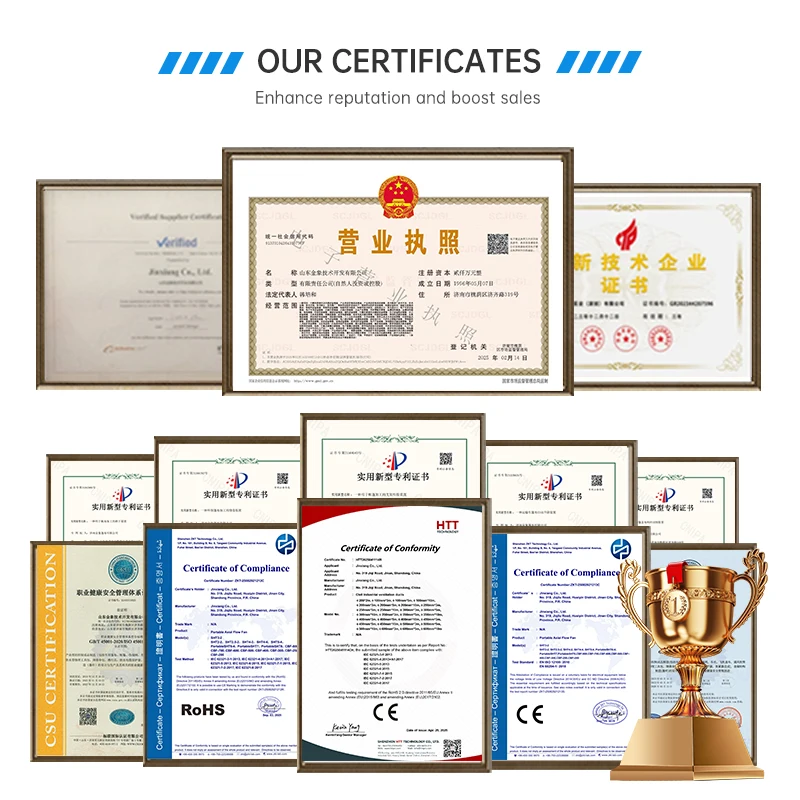
- Fire-retardant test report citing the specific standard and grade required by the project site
- Anti-static surface resistance measurement or certification where combustible environments apply
- Pre-shipment inspection record with per-roll GSM verification against the quotation
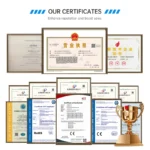
- Certificate of origin and customs documentation for international project sites
- Roll packing list with batch identification for traceability on multi-roll membrane orders
Fabrication, Handling & Storage
- Hot air weld temperature and speed must be calibrated to the specific PVC coating thickness of the grade received
- Cut edges on 500D-500D base fabric should be sealed immediately to prevent fraying before welding
- Store rolls upright on pallets to avoid flat-spot deformation that affects membrane drape and tension
- Unroll cold-stored fabric gradually and allow it to reach ambient temperature before cutting or welding
- Field repairs on installed ducts and structures are executed by hot air welding directly to the PVC coating surface
- Clean smooth leather-textured surfaces with mild detergent only — solvents degrade the coating plasticisers
What to Include in Your Enquiry
To specify the right PVC coated fabric for your project, share the ventilation duct diameter or membrane panel dimensions, the fire-retardant and anti-static standards your site requires, and the total roll or linear metre quantity. Indicate whether you need fabric supplied by the roll for your own fabrication facility or pre-cut panels with welded seams. If your project requires a custom width, colour or specific surface finish, include those details so that sample development can begin before the main production run is scheduled.
Frequently Asked Questions
Q: Which fire-retardant grade does my mining or tunnelling project require?
A: The required grade is determined by your site safety plan and the local mining authority. Common standards include M2, B1 per DIN 4102, and NFPA 701. Specify the exact standard when ordering so the correct PVC coated fabric formulation is produced and the matching test report accompanies the shipment.
Q: How is anti-static performance measured and certified for combustible environments?
A: Anti-static performance is measured by surface resistance testing per the standard applicable to your environment. Request the specific measurement method and acceptable range from your site safety officer before ordering. The test result is then included in the documentation package shipped with your PVC coated tarpaulin rolls.
Q: What test report will accompany the shipment for site inspector review?
A: Each shipment includes a material specification sheet, the fire-retardant or anti-static test report matched to the grade ordered, a pre-shipment inspection record, and certificate of origin. Confirm with your inspector which additional documents the site audit requires before production begins.
Q: Can custom duct diameter and fabric width be produced for a specific ventilation layout?
A: Yes. Custom widths and lengths are produced on dedicated coating lines, with sample rolls available for fabrication testing before bulk commitment. Provide the duct diameter, seam construction method and total linear metres required so the production team can confirm lead times and minimums.
Q: How are welded seams tested on ventilation duct fabric before dispatch?
A: Welded seam samples are pulled to verify peel and shear strength against the base fabric performance. The pre-shipment inspection record documents seam test results for each production batch, ensuring that field-assembled ducts will hold under continuous airflow and flexing without premature failure.