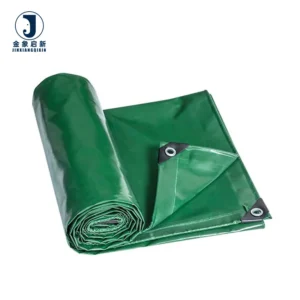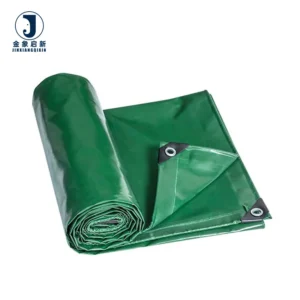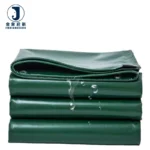

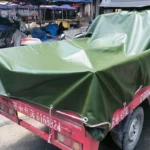
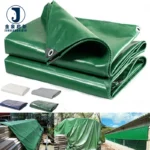
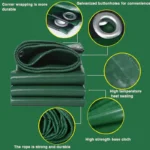
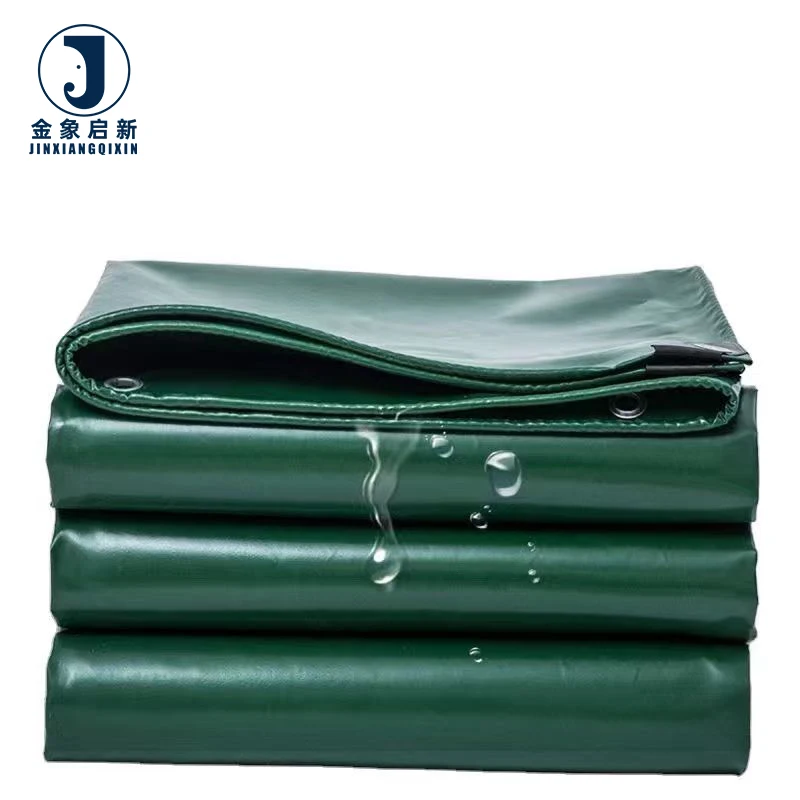
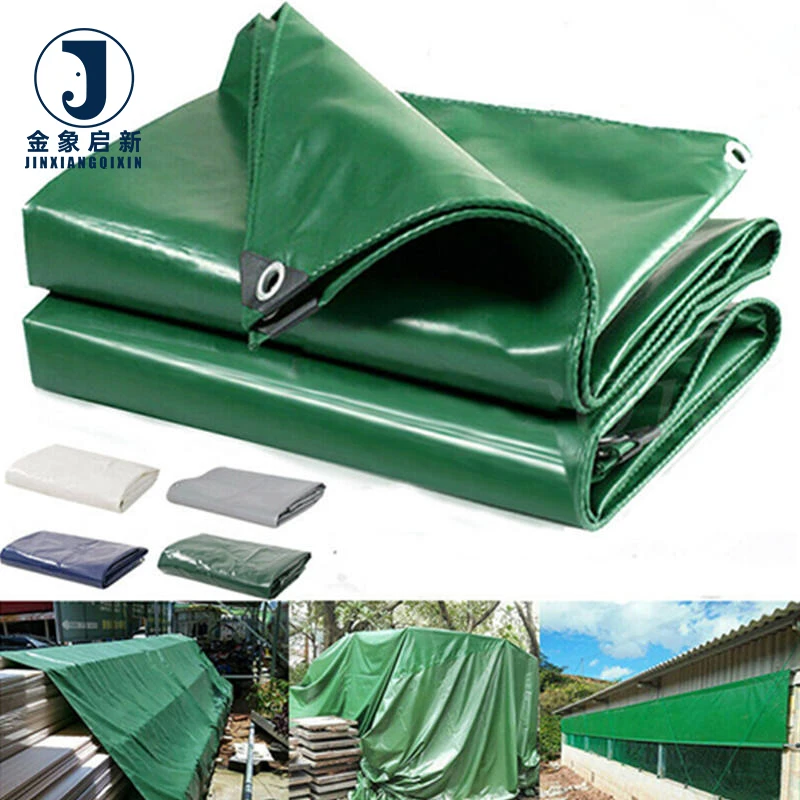
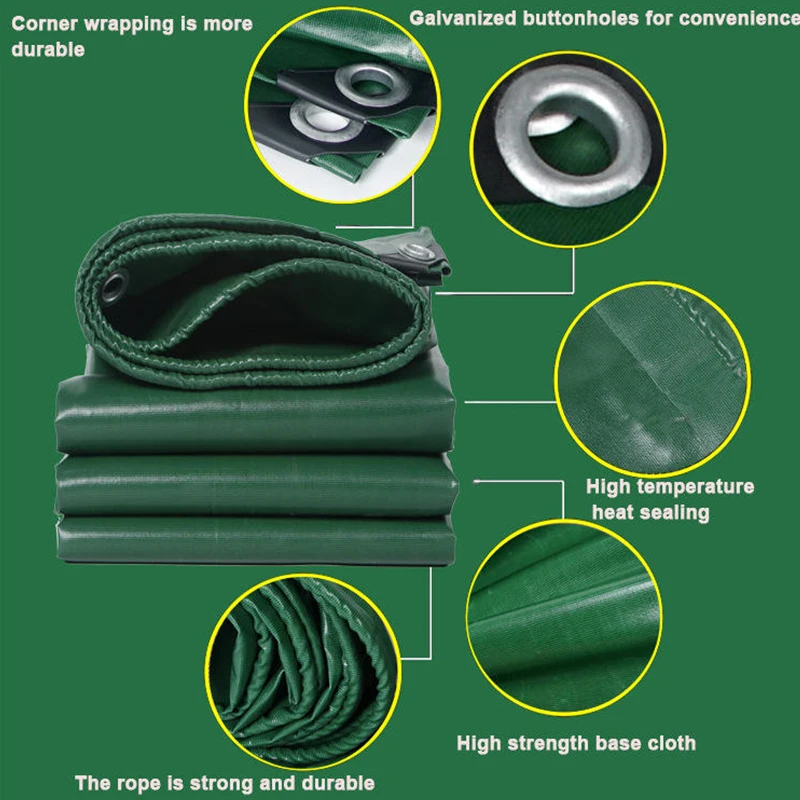
Precision in Coating Weight Control — Nearly three decades of PVC coating process discipline ensure the GSM you specify is the GSM you receive, verified per roll before dispatch and backed by ISO and CE certified production lines.
Technical Specifications
| Parameter | Value |
|---|---|
| Product Type | PVC Coated Tarpaulin |
| Weight (GSM) | 250gsm-1500gsm (range covers product family — confirm the grade for this item) |
| Base Fabric Denier | 200DX300D / 500DX500D / 840DX840D / 1000DX1000D |
| Coating Material | PVC |
| Finish | Glossy or matte |
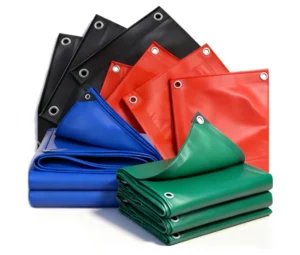
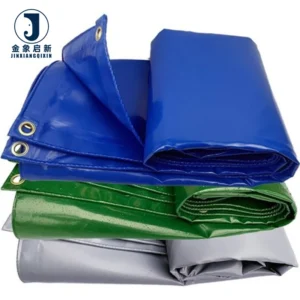
| Color | Blue, yellow, black, green, white, etc. |
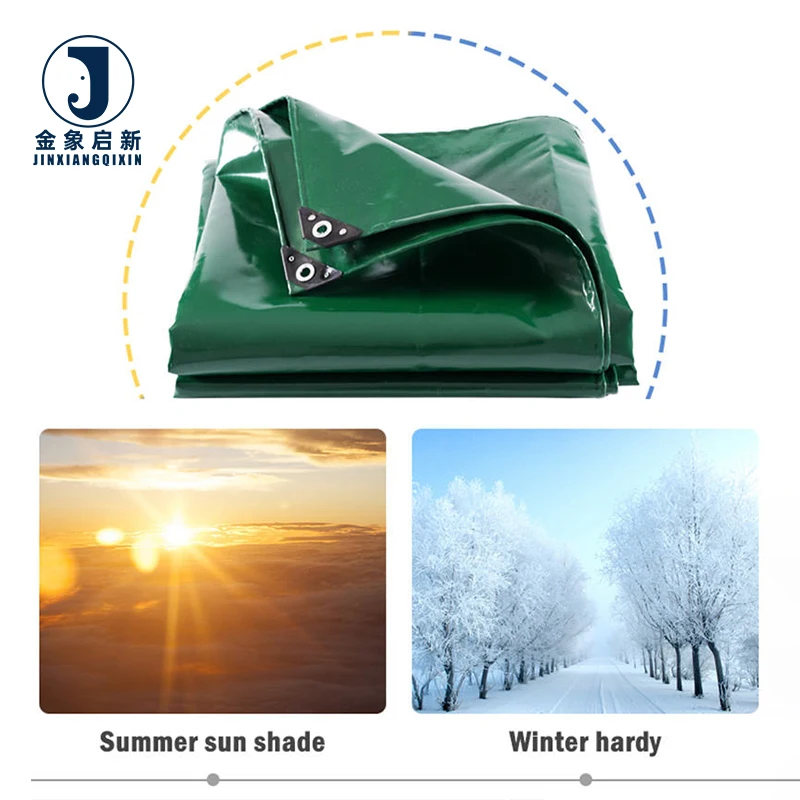
| Temperature Range | -15°C to 70°C |
| UV Treatment | Customized (test basis not stated — confirm required standard at inquiry) |
| Flame Retardant Grade | FR treated (grade not stated — specify target standard such as M2, B1, NFPA 701, or DIN 4102) |
| Anti-Fungal Treatment | Applied |
| Waterproof Rating | Waterproof, rain-resistant |
| OEM/ODM | Accepted |
Application Suitability
| Application | Exposure & Requirement |
|---|---|
| Tent and temporary structure roof membrane | Sustained wind load, UV exposure, rain ingress, heat-welded seam integrity at structural attachment points |
| Inflatable and membrane structure fabric | Internal air pressure cycling, biaxial tensile stress, fire-retardant compliance for public assembly spaces |
| Mining and tunnelling ventilation duct | Continuous abrasion from particulate-laden airflow, fire-retardant and anti-static certification demands, flex fatigue |
| Heavy-duty stockpile and lumber covering | Multi-season weather exposure, puncture from sharp edges, UV degradation over extended outdoor service |
What "Flame Retardant" Means Without a Certified Grade Behind It
A flame retardant claim on a quotation is only as reliable as the test report that supports it — specify the exact standard before procurement.
When a PVC coated tarpaulin fire retardant specification appears on a supplier’s quotation without a named grade or test method, the fabric may carry a chemical treatment that slows ignition in a lab setting yet fails to meet the fire classification your project jurisdiction requires. For membrane structures used in public assembly, aviation hangars or mining ventilation, site inspectors demand documentation referencing DIN 4102 B1, NFPA 701, or the locally mandated equivalent. [NEED_CITE: DIN 4102 fire classification for building materials] Without that paperwork, the fabric does not pass inspection regardless of its actual performance. The cost of discovering this mismatch after the membrane is installed and the inspector arrives on site is measured in removed panels, re-fabrication, and project delay.
Denier Selection and Structural Tensile Demand
The base fabric denier range — from 200DX300D through 1000DX1000D — defines the tensile skeleton of this PVC coated tarpaulin fire retardant fabric. Lower denier counts suit lightweight temporary enclosures where spanning distances are short and wind loads moderate. Higher denier constructions, particularly 840DX840D and 1000DX1000D, deliver the warp and weft strength needed for large-span membrane roofs and inflatable structures where biaxial stress is continuous. The relationship between denier and coating weight must be matched: a heavy coating on a light base fabric adds mass without proportional strength gain, while a light coating on a heavy base may leave the yarn bundle inadequately encapsulated at abrasion points.
Treatment Specification and Compliance Documentation
Every treatment applied to this PVC coated tarpaulin fire retardant material — UV protection, flame retardancy, anti-fungal finish — must be tied to a measurable standard at the inquiry stage. Fire-retardant grades differ between jurisdictions: European construction sites typically reference DIN 4102 classifications, while North American venues may require NFPA 701 compliance, and French projects call for M2 rating. [NEED_CITE: comparative fire test standards for textile membranes in construction] Requesting the specific test report for your target standard before placing a production order ensures the fabric arrives with documentation that satisfies site inspection, not merely a quotation line that says "FR treated."
How Coating Weight, Denier and Seam Behaviour Interact on Site
GSM alone does not predict field performance — the interplay between coating weight, base fabric denier and seam construction determines how the membrane behaves under load. A 250gsm-1500gsm range spans everything from lightweight temporary covers to heavy-duty structural membranes; selecting the right grade within this range requires understanding both the tensile demand of the span and the abrasion environment. The base fabric provides tear resistance and tensile strength, while the PVC coating protects the yarn bundle from moisture, UV and chemical exposure. At heat-welded seams, coating adhesion must be sufficient to transfer load across the joint without delaminating — this is where coating formulation and process control matter as much as raw GSM. [NEED_CITE: tensile and tear test methods for coated fabrics per ISO 1421] Temperature operating range from -15°C to 70°C defines the boundary: below the lower limit, PVC stiffens and becomes susceptible to crack propagation from impact; above the upper limit, the coating softens and seam peel strength may decrease under sustained tension. Finish selection — glossy or matte — affects surface cleanability and light reflectance, relevant for structures where internal illumination or hygiene maintenance matters.
The Hidden Cost of Undocumented Treatment Grades
When flame retardant treatment is claimed without a supporting test certificate, the consequence is rarely discovered during production — it surfaces at site inspection, after the membrane is fabricated, shipped and installed. For mining ventilation ducts, the absence of certified anti-static properties creates an ignition risk in environments where combustible dust is present, and site safety officers will reject non-compliant ducting outright. Colour inconsistency across rolls in the same batch becomes visible only when panels are installed side by side on a tent roof or inflatable structure, forcing selective replacement that delays project handover. Welded seams that fail before the fabric itself indicate a mismatch between heat-welding parameters and the coating formulation — a problem that compounds under cyclic loading at structural attachment points. [NEED_CITE: common failure modes in heat-welded coated fabric seams]
Why Specialist Fabricators Source This PVC Coated Fabric Here
Nearly 30 years of focused coated fabric production means the coating weight, adhesion strength and treatment chemistry are controlled in-house rather than outsourced to a secondary converter. Three full production lines and 36 sets of professional equipment support volume commitments for large-scale membrane projects without sacrificing the batch-to-batch consistency that structural fabricators depend on. The 10-person R&D team engages at the specification stage — recommending denier and GSM combinations matched to your structure’s tensile analysis, developing samples within days, and adjusting treatment formulations to meet specific fire or anti-static standards. Dedicated QA/QC at every production stage, with 100 percent pre-shipment inspection, catches GSM deviations and coating defects before rolls leave the facility. Material specification sheets, test reports for applicable treatments, and full export documentation accompany every dispatch, so your compliance file is complete before the fabric arrives on site.
Documentation & Verification
- Material specification sheet stating exact GSM, base fabric denier and coating type for each roll
- Test report referencing the specific flame retardant standard required by your project jurisdiction
- Pre-shipment inspection record confirming GSM and visual quality before dispatch
- ISO and CE certificates covering the production facility and quality management system
- Certificate of origin and customs documentation for international shipment clearance
Fabrication, Handling & Storage
- Heat-weld seams using temperature and dwell time matched to the selected PVC coating weight and denier
- Store rolls upright in a cool, dry environment to prevent compression marks on the glossy or matte surface
- Avoid dragging cut panels across rough surfaces — abrasion resistance varies with denier and coating thickness
- Deploy cold-weather handling protocols when ambient temperature approaches -15°C to prevent coating crack initiation
- Use compatible PVC-based adhesives for field repairs, ensuring chemical match with the coating formulation
- Plan cutting layouts to minimise off-cuts, accounting for the available custom width options in your order
Specifying for Your Project
To move from inquiry to sample, provide the intended structure type — tent roof, inflatable membrane, ventilation duct — along with the span dimensions and expected wind or pressure loading. State the fire-retardant standard your jurisdiction mandates and whether anti-static certification is required for the operating environment. Indicate preferred colour, finish and whether you need rolls for in-house fabrication or finished cut-to-size panels with heat-welded seams.
Frequently Asked Questions
Q: Which flame retardant standard applies to my tent or membrane structure project?
A: The required standard depends on your jurisdiction and application — European construction often references DIN 4102 B1, North American public venues may require NFPA 701, and French projects specify M2. State your target standard at inquiry so the treatment formulation and test report are aligned before production begins.
Q: How is GSM verified at production and what documentation ships with the fabric?
A: Every roll undergoes GSM verification during pre-shipment inspection, compared against the material specification sheet. A documented inspection record accompanies dispatch, along with ISO and CE certificates, certificate of origin and any applicable fire-retardant test reports tied to your specified standard.
Q: Can this PVC coated fabric be supplied with certified anti-static properties for mining duct applications?
A: Anti-static treatment is available for mining and tunnelling ventilation duct specifications. Confirm the required anti-static standard at inquiry — the R&D team will formulate the treatment and arrange third-party testing so that certified documentation ships with the duct fabric.
Q: What seam construction method suits this fabric for structural roof applications?
A: Heat welding is the recommended method for joining panels in membrane and tent roof applications, producing seams that match the tensile strength of the parent fabric. Welding parameters must be calibrated to the selected GSM and coating formulation — request sample welds from the R&D team before full fabrication.
Q: How do I ensure colour consistency when ordering multiple rolls for a single structure?
A: Specify your colour reference and require all rolls for the project to come from the same production batch. The pre-shipment inspection includes a visual consistency check across rolls, and the material specification sheet documents the colour reference so arrival condition can be verified against the agreed standard.