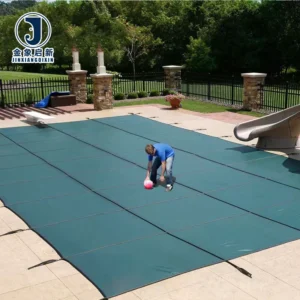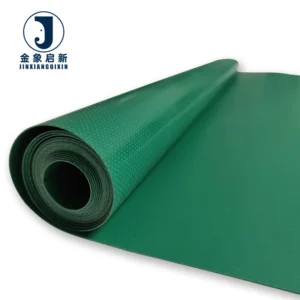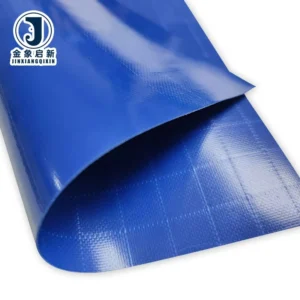
Deep Coating Process Control — Every roll of anti-static poultry curtain tarpaulin produced on our three full production lines undergoes stage-by-stage QA verification to ensure the stated GSM and anti-static treatment match the specification sheet before dispatch.
Technical Specifications
| Parameter | Value |
|---|---|
| Product Type | PVC Tarpaulin Roll |
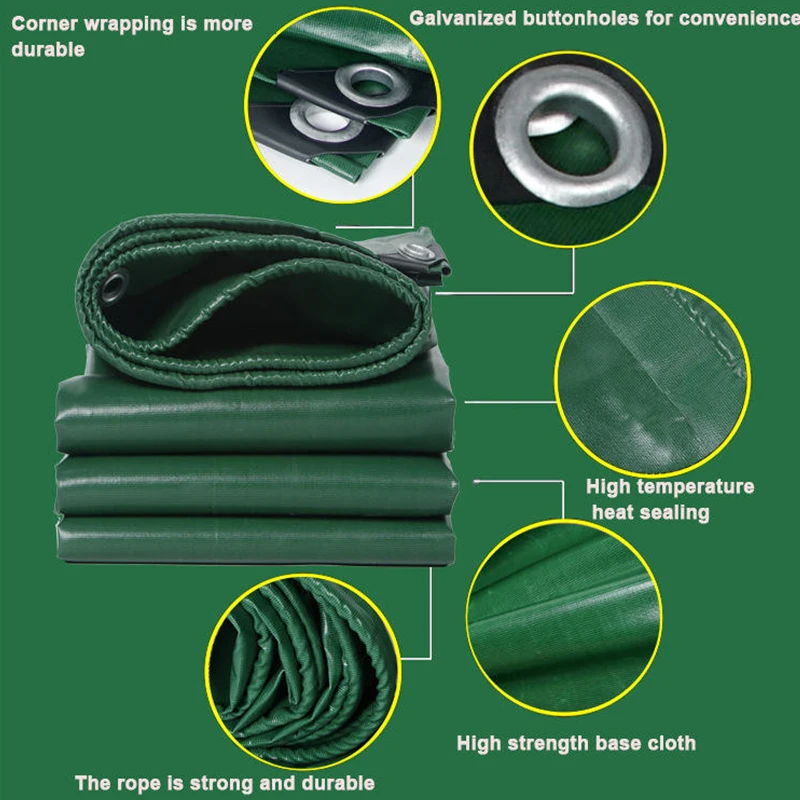
| Base Fabric | HDPE weaving with LDPE lamination on both sides |
| Width Options | 6ft, 8ft, 10ft, 12ft / 2m, 4m, 6m / Custom |
| Roll Length | 100 yards, 100 meters / Custom |
| Weight Range | 50gr/m² ~ 220gr/m² (grade to be confirmed per order) |
| Total Thickness | 0.2–0.4mm / 8 mil–16 mil / Custom |
| Weave Density | 6×6, 6×7, 7×7, 7×8, 8×8, 9×9, 8×10, 10×10, 12×12, 14×14, 14×16 |
| Waterproof | Yes — fully laminated construction |
| UV Treatment | Available (test basis not stated in source — confirm grade required) |
| Anti-Static | Available (grade not stated — surface resistance test report to be requested) |
| Anti-Mildew | Yes |
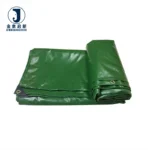
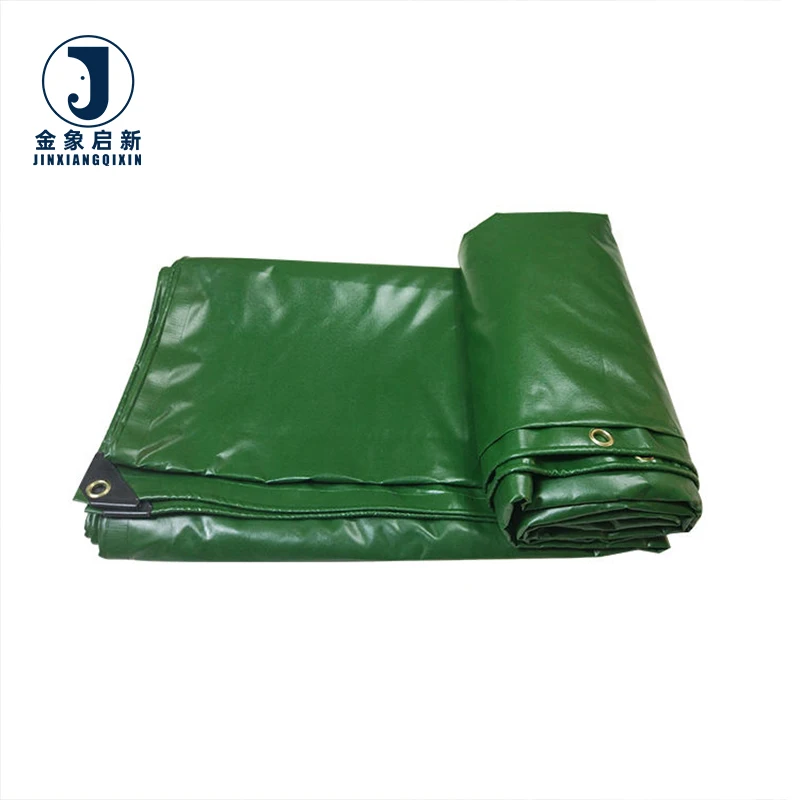
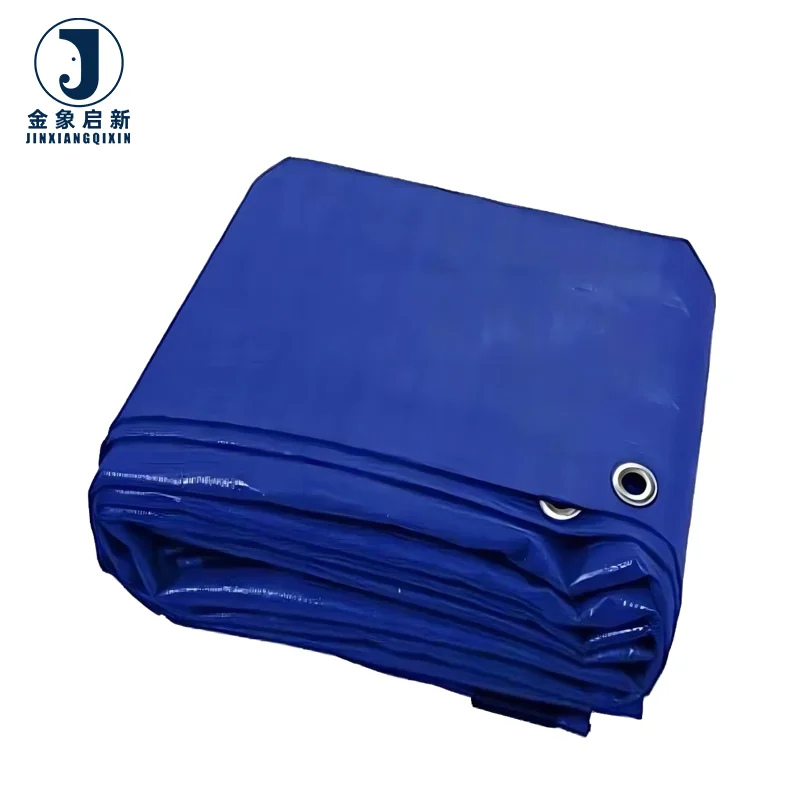
| Color Options | Blue, Blue/Orange, Green, Grey, Black, Clear, Grey/Green, Orange / Custom |
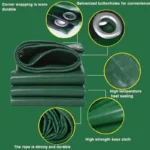
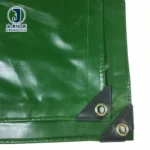
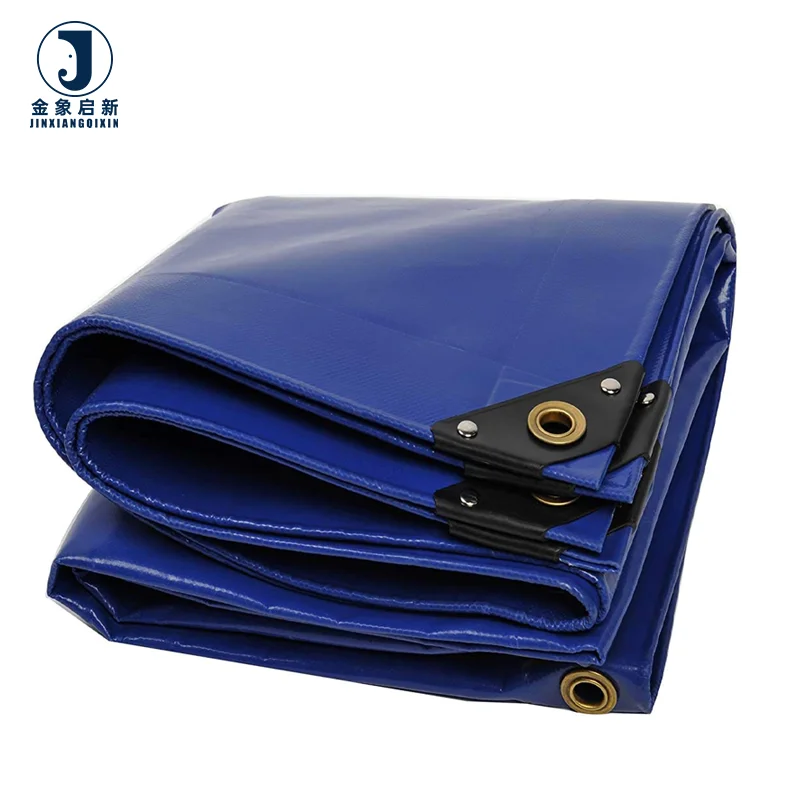
| Finished Edge | Reinforced with PP rope in hem |
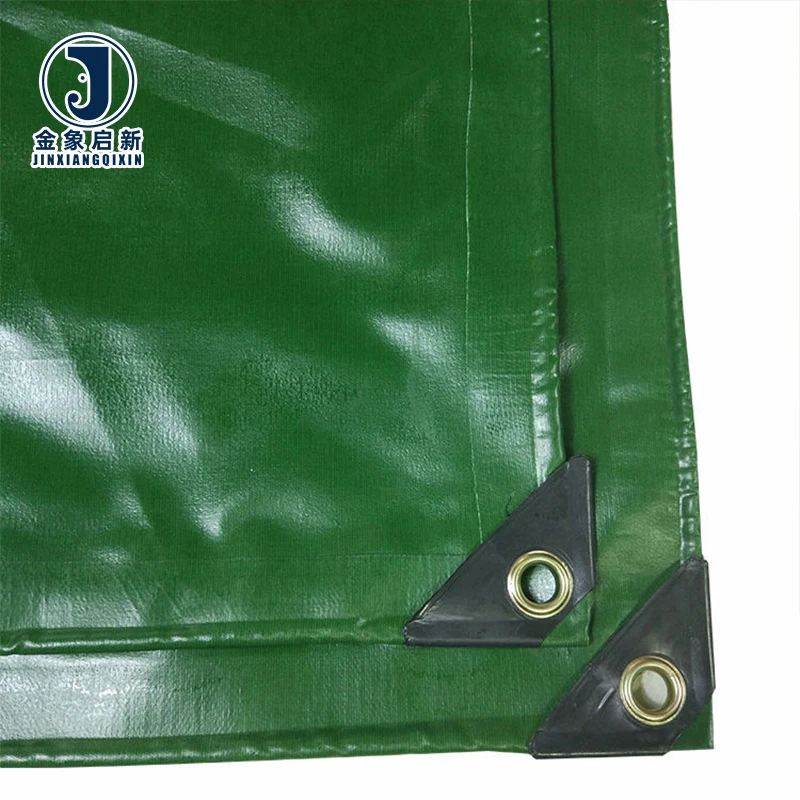
| Eyelet Spacing | Galvanized eyelets every 3ft or 1 meter interval |
| Reinforced Corners | Yes — plastic corner patches |
| Printing | Custom brand printing available |
| Certifications | ISO, CE |
Application Suitability
| Application | Exposure & Requirement |
|---|---|
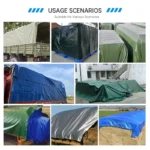
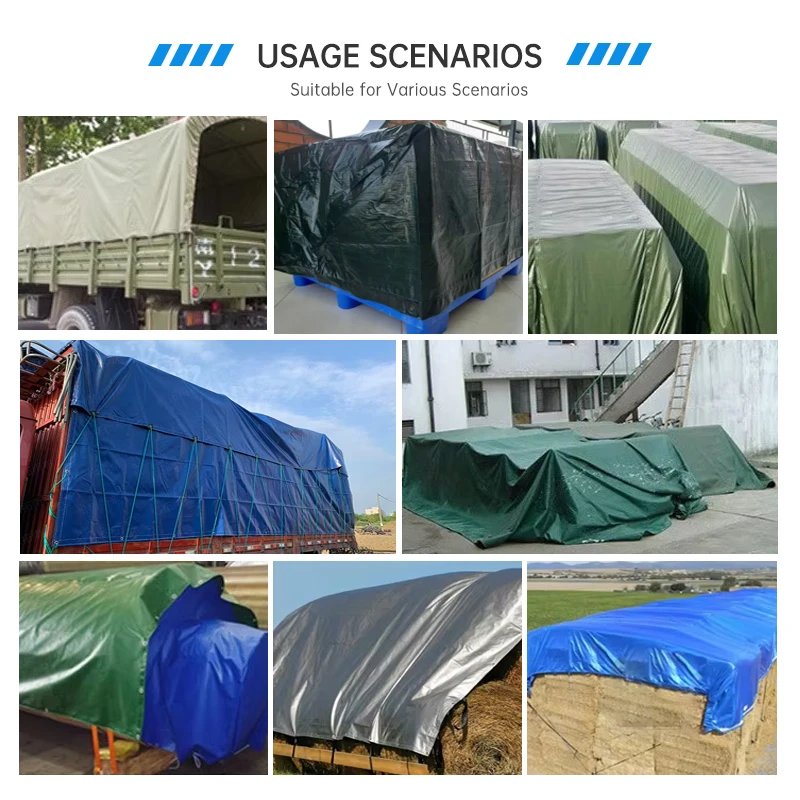
| Poultry house tunnel ventilation curtains | Daily raising and lowering cycles, ammonia-rich air, dust and dander accumulation, static charge attraction |
| Livestock and aquaculture side-wall covers | High humidity, corrosive organic atmosphere, wind load on exposed faces, frequent washdown |
| Agricultural feed and hay storage covers | UV exposure, rain ingress risk, mildew formation under trapped moisture |
| Construction scaffolding enclosure | Wind-driven rain, mechanical abrasion against scaffold tubes, site debris impact |
Why Anti-Static Treatment Matters for Poultry Curtain Fabric
Static charge on ventilation curtains pulls airborne dust, feather dander, and feed particles into a bonded layer that reduces airflow and increases cleaning frequency.
In tunnel-ventilated poultry houses, air moves at high velocity across curtain surfaces for extended periods. This friction generates electrostatic charge on untreated polyethylene and PVC surfaces. A curtain that accumulates dust not only restricts the designed airflow pattern but also creates a hygiene concern — organic buildup harbors bacteria and makes sanitation between flocks more labor-intensive. Buyers sourcing anti-static poultry curtain tarpaulin manufacturer options should request a surface resistance test report before committing to a production run, because the term "anti-static" without a measured value provides no verifiable guarantee. [NEED_CITE: surface resistivity test methods for coated fabrics]
Coating Adhesion and Curtain Track Compatibility
Ventilation curtains in poultry facilities are mechanically cycled — raised and lowered multiple times per day by automated track or winch systems. The coating-to-substrate bond must withstand this repeated flexing without delamination at the fold line. HDPE woven base fabric laminated with LDPE on both sides provides a balanced structure: the woven core carries the tensile load while the lamination layers supply the moisture barrier and surface properties. When specifying an Anti-Static Poultry Curtain Tarpaulin manufacturer, ask whether the coating adhesion is tested by peel strength methods per [NEED_CITE: ISO 2411 coated fabric peel adhesion test] and whether the flex endurance is validated for the specific curtain track radius used in your house design.
Edge Reinforcement for Repeated Mechanical Stress
The hem and eyelet zone is where curtain failure concentrates. Every time the curtain is winched upward, the galvanized eyelets bear the full dead weight of the fabric panel. PP rope reinforcement inside the hem distributes this point load across a wider fabric area, reducing the risk of eyelet tear-out. Galvanized eyelets spaced at 3ft or 1 meter intervals match the standard attachment point spacing on most poultry curtain track systems. For wider or heavier-grade panels, closer eyelet spacing can be specified during the cutting and finishing stage to reduce the unsupported span between attachment points.
Reading the Weave Count and GSM Together
A common specification mistake is selecting a curtain fabric based on GSM alone. Weight per square meter tells you how much material is present, but the weave density — whether 8×8 or 14×16 — determines how that weight is distributed across the warp and weft. A 150gr/m² fabric woven at 14×16 will have finer yarns packed more tightly, producing a smoother surface with better print receptivity. A 150gr/m² fabric at 8×8 uses heavier individual yarns with wider gaps, yielding higher tear resistance but a rougher surface. For poultry curtains where light blocking and airflow sealing are priorities, the tighter weave is generally preferred. [NEED_CITE: relationship between mesh count and tensile performance in woven coated fabrics]
The Cost of Specifying Without a Verified Grade
Accepting a quotation that lists "anti-static" without a surface resistance value creates downstream risk. If the curtain fabric fails to meet the electrostatic discharge requirements of your facility’s safety audit, the entire installation may need replacement — not just the material cost, but labor for removal, disposal, and re-hanging. Similarly, ordering a GSM that sits at the low end of the manufacturer’s tolerance range means the delivered material may be lighter than expected, reducing wind-load capacity and shortening service life. Pre-shipment inspection that includes roll-by-roll weight verification and anti-static performance testing eliminates these surprises before the container is sealed. [NEED_CITE: pre-shipment inspection protocols for coated textile shipments]
What Production Consistency Means for Roll Orders
Our three full production lines and 36 sets of professional equipment allow us to maintain coating weight and color consistency across multi-roll orders. The 10-person R&D team handles custom color matching and sample development within days, so you can verify the exact shade and surface finish before authorizing bulk production. Every roll undergoes 100% inspection at each production stage — base fabric inspection, post-coating check, and final pre-shipment review — with documented records included in the shipping package. For anti-static grades, surface resistance measurement is part of the final inspection protocol.
Documentation & Verification
- Material specification sheet stating exact GSM, base weave count, and lamination weight per roll
- Surface resistance test report for anti-static grades — request before production begins
- Roll-to-roll color consistency verification against approved reference swatch
- Pre-shipment inspection record covering dimensional accuracy and eyelet pull-strength check
- UV treatment test report where applicable — confirm test basis matches expected outdoor exposure
- Certificate of origin and full customs documentation package
Fabrication, Handling & Storage
- Weld temperature and dwell time must match the LDPE lamination layer — request manufacturer parameters for the specified GSM grade
- Galvanized eyelets at 3ft intervals distribute winch load; closer spacing available for heavier grades above 180gr/m²
- Store rolls upright on hard paper tubes to prevent flat-spot creasing on the laminated surface
- Allow cold-stored rolls to reach ambient temperature before unrolling to avoid lamination cracking
- Clean with mild detergent only — solvent-based cleaners degrade the LDPE coating surface
What to Include in Your Inquiry
To receive an accurate specification recommendation, provide the curtain system type (tunnel ventilation, cross-ventilation, or sidewall), the house dimensions and panel drop length, the wind-load requirement for your region, and whether anti-static performance must meet a specific surface resistance value. If you require finished cut panels with eyelets rather than roll stock, include the track attachment spacing. A small sample roll can be produced for your approval before bulk manufacturing begins.
Frequently Asked Questions
Q: How is the anti-static performance verified, and what surface resistance value is achieved?
A: Anti-static treatment is applied during the lamination process and verified by surface resistance measurement. The specific ohm value depends on the grade selected. Request a test report with your sample so you can confirm the reading meets your facility’s electrostatic control requirements before authorizing full production.
Q: How do I select the correct GSM and mesh count for poultry curtain wind-load requirements?
A: Wind load depends on house exposure, curtain drop height, and local weather conditions. Higher GSM with a tighter weave count such as 12×12 or 14×16 provides greater resistance to billowing and tearing. Share your site conditions and we will recommend the grade that balances weight, flexibility, and wind resistance.
Q: Can the tarpaulin be supplied in finished cut sizes with eyelets matching my curtain track spacing?
A: Yes. Finished panels are cut to your exact dimensions with PP rope reinforced hems and galvanized eyelets placed at intervals matching your track hardware. Standard spacing is 3ft or 1 meter, but custom intervals are available. Provide the panel size and eyelet spacing with your inquiry.
Q: What is the batch-to-batch color consistency guarantee when ordering multiple rolls?
A: Every production run is checked against the approved color reference during the pre-shipment inspection. Rolls within the same order are verified side by side for shade consistency. For repeat orders, the color formula is retained on file to maintain matching across shipments.
Q: What documentation is provided with shipment?
A: Each shipment includes a material specification sheet, pre-shipment inspection record, roll packing list, certificate of origin, and applicable test reports for anti-static or UV treatment grades. ISO and CE certificates are available for customs and compliance purposes.