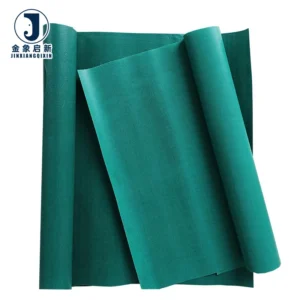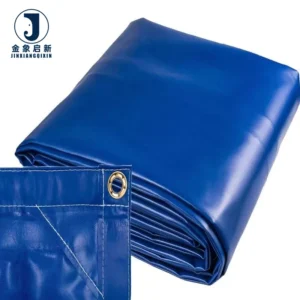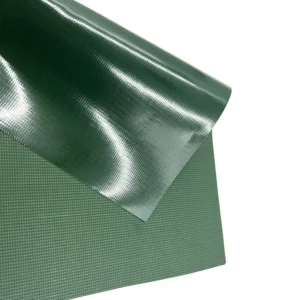

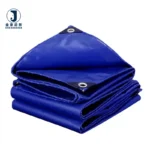


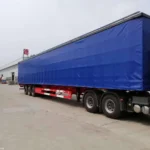
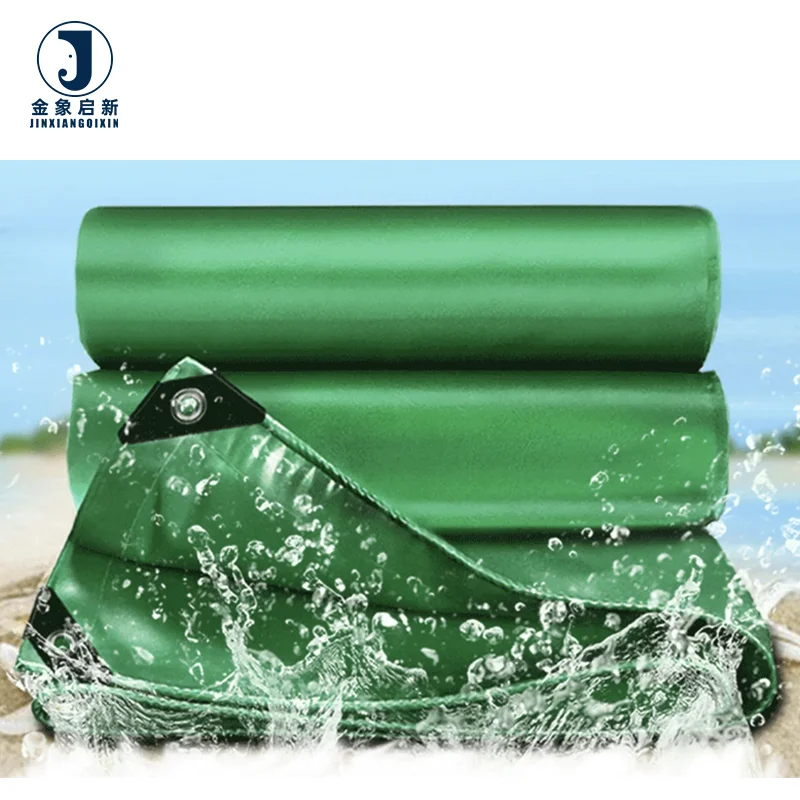
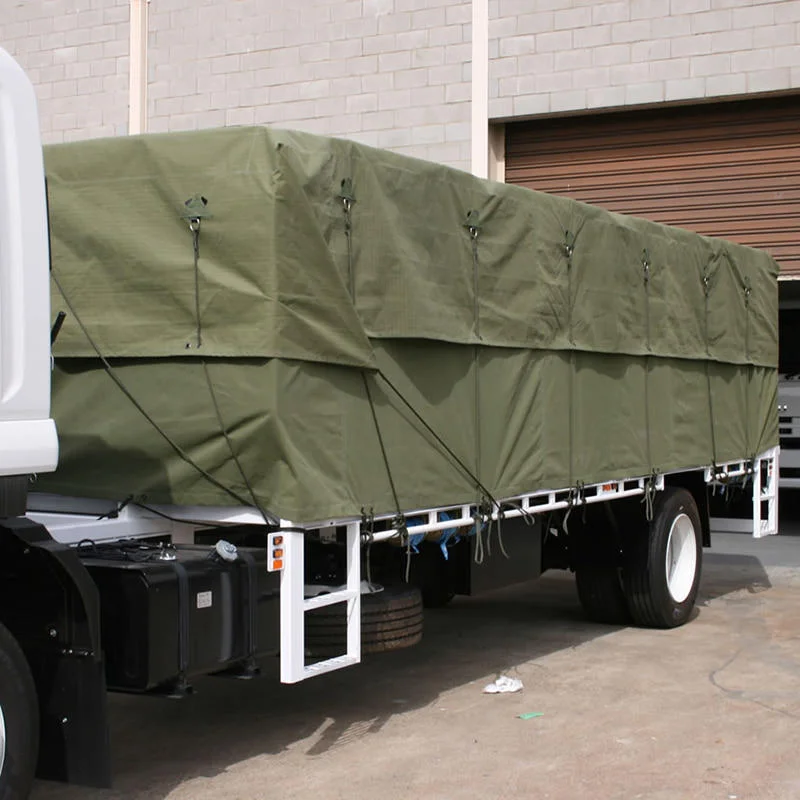

Precision Coating Control — nearly 30 years of coated fabric production with dedicated QA at every stage, ensuring each PVC tarpaulin roll leaves the line with verified GSM, consistent colour and full compliance documentation.
Technical Specifications
| Parameter | Value |
|---|---|
| Product Type | PVC Tarpaulin Roll |
| Material | PVC coating on high-strength polyester mesh fabric |
| Coating Technology | Laminated technology & Hot-melt coating technology |
| Weight (GSM) | 350gsm / 420gsm / 500gsm / 550gsm / 600gsm / 750gsm |
| Total Thickness | 0.32mm / 0.35mm / 0.4mm / 0.45mm / 0.5mm / 0.65mm |
| Base Fabric Options | 500D×500D 20×20, 500D×500D 18×25, 500D×1000D 30×17, 840D×840D 30×17, 840D×840D 18×18, 500D×1000D 20×20, 1000D×1000D 20×20, 1000D×1000D 23×24, 2000D×2000D 15×15, 1000D×1000D 30×30 |
| Weight Range by Fabric Construction | 250GSM to 1000GSM |
| Roll Width | 2m / 2.1m |
| Roll Length | 75m (2m width) / 50m (2.1m width) |
| Colour Options | Blue, Red, Yellow, Light blue, Grey (custom colours available) |
| Key Features | Cold crack resistance, anti-mildew, waterproof, sunproof, colour fastness, anti-static treatment (standard not stated — confirm site compliance requirement) |
| Fire Retardant Grade | Available in flame retardant grades — confirm the grade required for your market |
| UV Treatment | Sunproof (test basis not stated — request test report for your specification) |
| Service Life | 3–7 years under normal circumstances (source value — verify against application conditions) |
| Standards | ISO, CE |
Application Suitability
| Application | Exposure & Requirement |
|---|---|
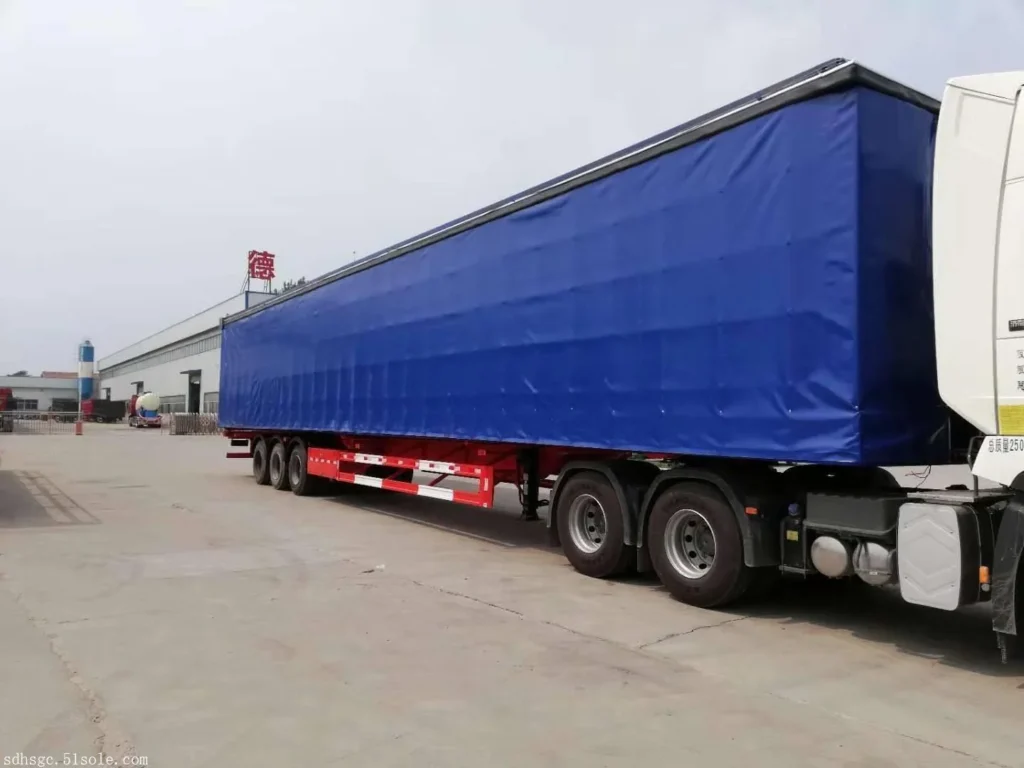
| Truck curtain and side cover | Constant flex cycling at tie-down points, road debris abrasion, sustained UV and rain exposure — requires high-denier base fabric and strong coating adhesion at weld seams |
| Inflatable and membrane structure fabric | Air retention under positive pressure, seam integrity at heat-welded joints, wind uplift loads — demands consistent GSM and verified tensile properties across the roll |
| Mining and tunnelling ventilation duct | Continuous airflow, underground humidity, strict fire-retardant and anti-static compliance — certification documentation must match site safety codes before installation |
| Liquid storage tank and water bladder | Permanent water contact, hydrostatic pressure on seams, chemical exposure from stored liquids — heavier GSM with dense 1000D×1000D base fabric preferred |
| Cargo ship cover and goods yard enclosure | Salt spray, sustained weathering, mechanical handling stress during loading and unloading — cold crack resistance and anti-mildew treatment critical |
| Breed farm waste transportation | Biological contamination, frequent cleaning with chemical agents, abrasion from loading equipment — anti-mildew treatment and coating chemical resistance required |
Why Coating Adhesion Matters More Than GSM for Welded Structures
A roll that measures correct on the scale can still fail at the weld line if the coating was not properly bonded to the base fabric.
Technical buyers specifying PVC coated tarpaulin roll for industrial ventilation or membrane structures often focus on weight per square metre as the primary quality gate. But when a heat-welded seam separates under load flex, the root cause is usually poor adhesion between the PVC layer and the polyester mesh — not insufficient GSM. Hot-melt coating technology produces a different bond profile than laminated technology, and the choice directly affects how the fabric behaves during high-frequency welding on the fabrication floor. [NEED_CITE: coating adhesion test methods for PVC coated polyester per ISO 2411]
Base Fabric Denier and Mesh Density Define the Structural Floor
The polyester mesh underneath the PVC coating carries the mechanical load. A 500D×500D construction at 20×20 mesh count provides a different tensile and tear profile than a 1000D×1000D at 30×30, even when both are coated to the same GSM. For ventilation duct applications in mining or tunnelling, where the fabric must resist internal positive pressure and resist tearing at branch connections, the base fabric denier selection is as important as the total weight. This PVC coated tarpaulin range spans from 250GSM lightweight grades up to 1000GSM heavy-duty constructions, each mapped to a specific denier and mesh configuration so specifiers can match the fabric to the actual mechanical demand rather than selecting by weight alone.
Coating Method and Its Effect on Fabrication Behaviour
Hot-melt coating technology drives the PVC compound into the mesh openings under heat and pressure, creating a mechanical lock that improves peel strength at welded seams. Laminated technology bonds pre-formed PVC films to the fabric surface, which can deliver a smoother finish but may show different behaviour when the fabric is heat-welded at high speed. For technical buyers fabricating inflatable structures or ventilation ducts where seam integrity is non-negotiable, understanding which coating method was used on a given roll allows the fabrication team to dial in the correct welding temperature, pressure and dwell time. The PVC coated tarpaulin roll stock in this range is available with both coating technologies, and the material specification sheet identifies which method was applied to each batch. [NEED_CITE: peel strength testing for coated fabric seams per ISO 2411]
Reading the GSM-to-Thickness Relationship Correctly
Weight per square metre and total thickness are related but not interchangeable. Two rolls can share the same GSM yet differ in thickness depending on the base fabric density and how much PVC compound was applied to fill the mesh versus coat the surface. A 500gsm roll built on an 840D×840D 18×18 mesh will be thicker and stiffer than a 500gsm roll on a 500D×1000D 20×20 mesh, because the heavier yarns occupy more volume within the same weight budget. For membrane structure applications where drape and flexibility matter alongside tensile strength, thickness and GSM together give a more complete picture of how the fabric will handle during installation and perform under wind load. This range maps each GSM grade to its corresponding thickness — from 0.32mm at the lighter end to 0.65mm at the heavier end — so specifiers can evaluate both parameters side by side.
Functional Treatments Require Documentation, Not Claims
Anti-static treatment, cold crack resistance and anti-mildew protection are listed as features of this PVC coated tarpaulin range, but the specific test standards and performance thresholds behind each treatment must be confirmed for your application. Mining and tunnelling sites in many jurisdictions mandate a defined surface resistivity range for ventilation duct materials, and anti-static treatment without a supporting test report will not pass site inspection. Similarly, cold crack resistance is meaningful only when the test temperature is stated — a fabric that remains flexible at a moderate sub-zero temperature may behave very differently in arctic installation conditions. Before placing a bulk order, request the test report for each functional treatment and verify it against the compliance requirements of your destination market. [NEED_CITE: anti-static surface resistivity standards for underground ventilation materials]
The Cost of Specifying on Weight Alone
When a buyer selects a PVC coated tarpaulin roll based on GSM without verifying the base fabric construction, the delivered material may meet the weight target yet underperform in the field. A lighter denier base with more coating compound can hit the same scale reading as a heavier denier base with less coating, but the tensile and tear properties will differ substantially. For industrial applications where the fabric must withstand mechanical stress at attachment points and flex zones, this mismatch leads to early failures that are wrongly attributed to the supplier rather than the specification. Colour variation between rolls in the same order is another consequence of insufficient specification control — when panels are installed side by side on a membrane structure or ventilation duct, even slight shade differences become visible and may trigger rejection. [NEED_CITE: roll-to-roll colour consistency tolerances for coated technical fabrics]
Why Source This PVC Coated Tarpaulin Range Here
Three full production lines with 36 sets of professional equipment support bulk roll output with controlled coating weight and consistent colour across the production run. A 10-person R&D team handles material selection, base fabric specification and sample development, enabling custom GSM and construction combinations within days rather than weeks. Dedicated QA and QC checkpoints at every production stage — from base fabric inspection through coating, winding and packing — ensure that each roll is measured and verified before it leaves the facility. The material specification sheet accompanying each shipment documents the exact GSM, base fabric denier, mesh count and coating method, giving technical buyers full traceability from inquiry to installation. ISO and CE certification supports compliance documentation for export markets, and pre-shipment inspection records confirm roll-to-roll consistency before the container is sealed.
Documentation & Verification
- Material specification sheet stating exact GSM, base fabric denier, mesh count and coating method for each roll grade
- Test report for UV resistance, flame retardant and anti-static treatments where applicable to your compliance requirement
- Pre-shipment inspection record confirming weight, colour and dimensional consistency across the order
- ISO and CE certificates included in the shipment documentation pack for customs and site compliance
- Roll packing list with individual roll weights and dimensions for receiving verification at destination
- Certificate of origin and full customs support documentation for international shipment
Fabrication, Handling & Storage
- Hot-melt coated rolls require adjusted welding temperature and dwell time compared to laminated grades — confirm parameters with sample welds before full production
- Store rolls upright on a flat surface to prevent permanent creasing in heavier GSM grades above 600gsm
- Cold crack resistant formulations remain flexible at lower temperatures, but rolls should be unrolled and allowed to acclimatise before fabrication in cold conditions
- Anti-mildew treated surfaces should not be cleaned with solvent-based agents that may strip the treatment layer
- Plan cutting layout across the 2m or 2.1m roll width to minimise offcut waste and reduce the number of welded seams in the finished structure
- Reinforce attachment and tie-down points with additional fabric patches welded over the base material to distribute load across the mesh
Before You Enquire
To receive an accurate specification recommendation and sample, share the intended application and the environmental conditions the fabric will face — including temperature range, chemical exposure and mechanical load type. Confirm the fire-retardant or anti-static standards your destination market requires so the correct treatment grade can be included in the quotation. Specify your preferred roll width, colour and whether you need raw roll stock or custom cut-to-size panels. If batch consistency across multiple rolls is critical for your project, state the total quantity and required delivery timeline so production can be scheduled on a single coating run.
Frequently Asked Questions
Q: How is the GSM of each roll verified before shipment?
A: Every roll is weighed and measured during pre-shipment inspection, and the actual GSM is recorded against the stated specification on the material data sheet. This inspection record accompanies the shipment so you can cross-check the values on arrival. Any deviation outside the agreed tolerance is flagged before dispatch.
Q: Which fire-retardant grades are available, and what test standards do they meet?
A: Flame retardant treatments are available in multiple grades suited to different market requirements. The specific grade and corresponding test standard — such as DIN 4102, NFPA 701 or equivalent — must be confirmed at the inquiry stage so the correct formulation is applied and a supporting test report is included with your documentation.
Q: Can anti-static and flame-retardant treatments be combined on the same roll?
A: Dual treatment is possible, but the interaction between anti-static and flame-retardant chemistries must be validated for each base fabric construction. Request a sample with both treatments applied and verify the test results against your site compliance requirements before approving a bulk production run.
Q: How do I choose between hot-melt and laminated coating for my application?
A: Hot-melt coating generally delivers higher peel strength at heat-welded seams, making it suitable for ventilation ducts and inflatable structures where seam integrity is critical. Laminated coating can offer a smoother surface finish preferred for certain membrane applications. Share your fabrication method and end-use conditions so the correct technology can be recommended.
Q: What custom widths and roll lengths are available beyond the standard options?
A: Standard rolls are produced at 2m by 75m or 2.1m by 50m. Custom widths and lengths can be developed depending on the base fabric construction and coating line capability. Provide your required dimensions and annual volume so the R&D team can confirm feasibility, minimum order quantity and lead time.