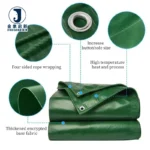

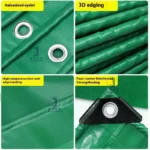

Coating Weight Mastery — Nearly three decades of PVC coating process control ensures every roll of PVC coated tarpaulin fire retardant certified fabric meets the stated GSM and adhesion requirements before it leaves the production line.
Technical Specifications
| Parameter | Value |
|---|---|
| Product Type | PVC Coated Tarpaulin |
| Coating Material | PVC / Vinyl |
| Construction | Double-Faced, Laminated |
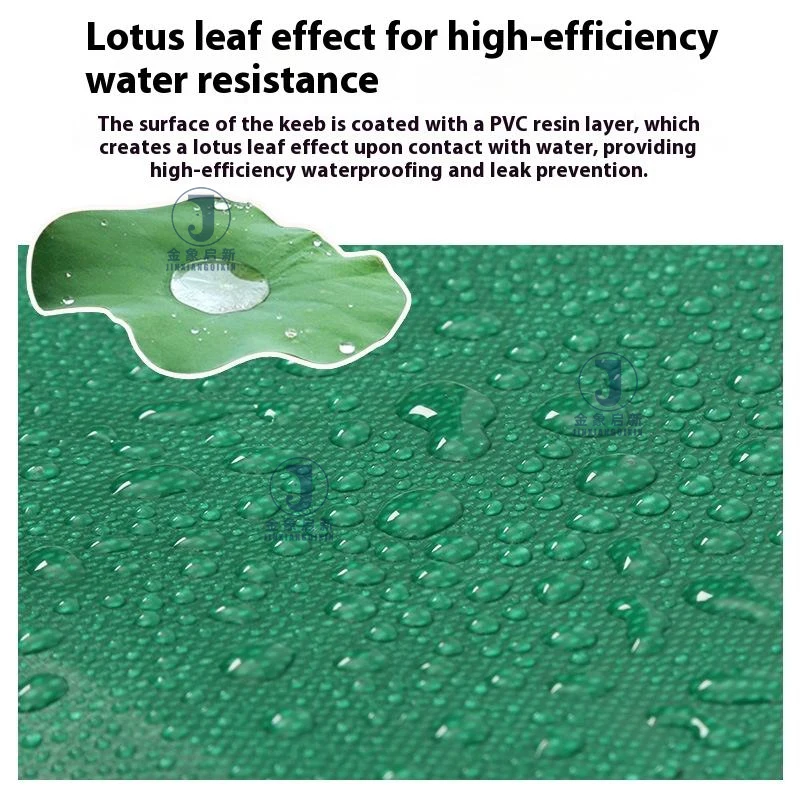
| Water Resistance | Yes — fully waterproof coated construction |
| Anti-UV Treatment | Yes (test basis not stated in source — confirm the UV standard required for your market) |
| Flame Retardant | Yes (grade not stated in source — available in flame retardant grades, confirm the grade required for your market) |
| Finish | Laminated |
| Color Options | Multiple colors available |
| Certifications | ISO, CE |
Application Suitability
| Application | Exposure & Requirement |
|---|---|
| Architecture membrane structures | Permanent outdoor tensile loading, wind uplift, UV exposure, fire code compliance for occupied spaces |
| Inflatable castles and temporary shelters | Repeated inflation cycles, abrasion at fold points, block-out light performance, flame retardancy for public events |
| Industrial ventilation ducts | Continuous airflow friction, fire propagation risk in mining and tunnelling, anti-static requirements |
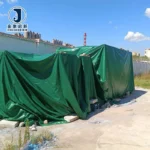
| Waterproof construction tents | Prolonged weather exposure, mechanical handling during erection, site debris contact |
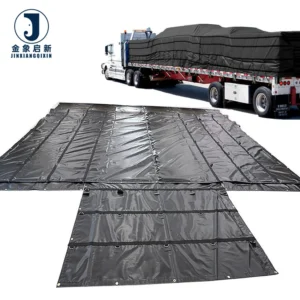
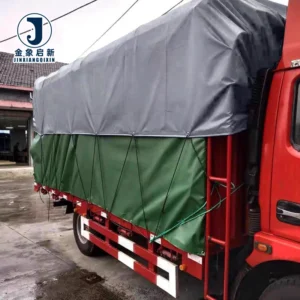
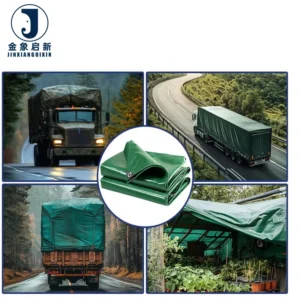
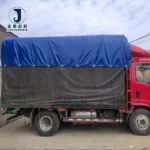
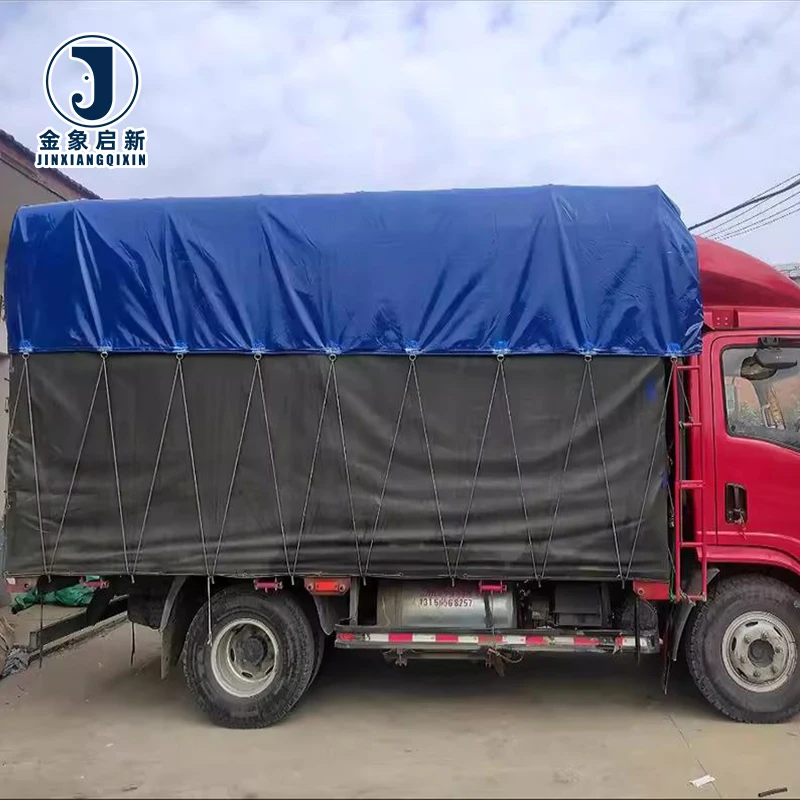
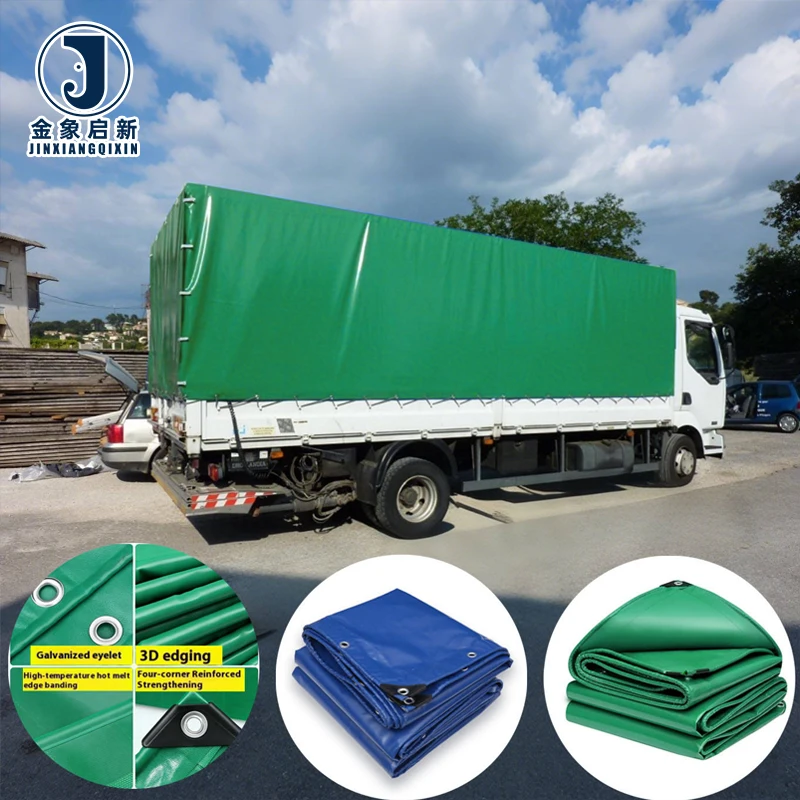
| Truck side curtains and top roofs | Constant flexing in transit, road abrasion, tie-down stress at eyelets, UV and rain exposure |
Why Specifying a Flame Retardant Grade Matters More Than the Label
PVC coated tarpaulin fire retardant certified to a recognised standard is the only way to pass site safety inspections. A datasheet that simply says "flame retardant" without citing M2, B1, NFPA 701 or DIN 4102 leaves the buyer carrying the compliance risk. [NEED_CITE: DIN 4102 fire classification for building materials and temporary structures]
Request the test report matched to your jurisdiction before production begins, not after the rolls arrive on site.
We have seen projects halted at inspection because the fabric supplier provided a generic flame retardant claim with no test certificate referencing the applicable standard. For membrane structures spanning public areas and inflatable installations at events, the fire authority will ask for documentation — not marketing language. The cost of replacing an installed structure far exceeds the time spent confirming the grade up front.
Matching the Coating to the Structure Type
Membrane architecture demands a PVC coated tarpaulin fire retardant certified fabric that balances tensile strength with weld integrity across large panel joins. The double-faced laminated construction provides uniform surface properties on both sides, which matters when the underside of a tensile canopy is visible to occupants. Colour consistency across rolls becomes critical when multiple panels are installed side by side on a single structure — a mismatch is immediately visible under daylight.
For inflatable structures, the fabric must withstand repeated folding, inflation pressure cycling, and the abrasion that occurs at internal baffle attachment points. The laminated PVC coating bonds to the base fabric to resist delamination under these cyclic loads. Manufacturers sourcing fabric by the roll need batch-to-batch adhesion consistency so that their welding parameters do not require adjustment between production runs.
Ventilation Duct Compliance in Hazardous Environments
Industrial ventilation ducts for mining, tunnelling and aviation hangars operate under fire safety regulations that demand documented proof of compliance. The PVC coated tarpaulin fire retardant certified fabric used in these ducts must meet the specific grade required by the site safety plan — whether that references DIN 4102 B1 for European mining operations or NFPA 701 for temporary structures in North American jurisdictions. [NEED_CITE: NFPA 701 standard test methods for fire propagation of textiles and films]
Anti-static treatment may also be required where combustible dust or flammable vapours are present in the ventilation stream. Confirm the complete set of compliance requirements with the site engineer before requesting a quotation, so that the material specification sheet covers every treatment the duct must carry.
How Base Fabric and Coating Weight Interact
The performance of any PVC coated fabric depends on the relationship between the base fabric denier, the weave density, and the coating weight applied to each face. A heavier coating does not automatically deliver higher tear strength — if the base fabric is loosely woven, the coating fills the gaps without contributing structural integrity. Conversely, a tightly woven high-denier base fabric with a moderate coating weight often outperforms a loosely woven fabric with excessive PVC buildup. The double-faced laminated construction used here ensures the coating penetrates and encapsulates the yarn intersections on both surfaces, which directly influences weld strength when panels are joined by hot air or high-frequency welding. Surface finish — whether glossy or matte — also affects how the fabric behaves during fabrication: matte finishes tend to accept printed markings more reliably, while glossy surfaces shed dirt and resist staining in exposed installations.
The Hidden Cost of Unverified Material Specifications
When the GSM stated on the quotation does not match the fabric that arrives at the workshop, the downstream consequences compound quickly. A lighter coating means reduced weld strength at seams, and the seams are typically the first point of failure on any tensioned structure or truck curtain. [NEED_CITE: tensile and tear test methods for coated fabrics per ISO 1421]
Colour variation between rolls from the same order becomes visible the moment two panels are installed adjacent to each other on a membrane roof or a row of side curtains. For fabricators running production lines, inconsistent coating adhesion between batches forces constant adjustment of welding temperature and speed, generating scrap and delaying delivery schedules.
Why Fabricators and Contractors Source Here
Dedicated QA at every production stage means the coating weight and adhesion properties are checked before the roll is packed, not sampled after a complaint arrives.
A 10-person R&D team handles material selection and sample development, producing test pieces within days so you can run your own weld trials and colour approvals before committing to a full order.
Three full production lines with 36 sets of equipment support bulk roll output with consistent lead times, whether the order is ten rolls or a full container load.
Pre-shipment inspection covers every roll, checking GSM, colour, coating adhesion and surface quality against the agreed specification before dispatch is authorised.
Documentation & Verification
- Material specification sheet stating base fabric denier, coating weight, GSM and colour reference for each roll
- Flame retardant test report citing the applicable standard — M2, B1, NFPA 701 or DIN 4102 as required
- Pre-shipment inspection record confirming GSM, coating adhesion and colour consistency per batch
- ISO and CE certificates included with dispatch documentation
- Certificate of origin and customs paperwork provided for international shipments
Fabrication, Handling & Storage
- Set hot-air weld temperature to match the laminated PVC coating weight — heavier grades need higher heat input for full fusion
- Allow rolls to reach ambient temperature before unrolling in cold conditions to prevent coating crack at the core
- Store rolls upright on end caps to avoid flat spots that create visible creases in membrane panels
- Use compatible PVC-based repair adhesives matching the laminated coating chemistry for on-site patch work
- Plan panel cutting layout around standard roll widths to minimise offcut waste and reduce the number of welded joins
Requesting a Technical Quotation
Provide the specific application — membrane structure, inflatable, ventilation duct or truck curtain — along with the exposure conditions and any fire classification your jurisdiction requires. Confirm the roll widths and lengths needed, the total area or roll count for the project, and whether you need sample rolls for weld trials before placing the production order. Colour references or RAL codes help us match batch consistency from the first roll to the last.
Frequently Asked Questions
Q: Which flame retardant grade does my market require for membrane or inflatable structures?
A: The required grade depends on your local building or event safety code. European projects typically reference DIN 4102 B1 or M2, while North American installations often require NFPA 701. Share the applicable standard with your site engineer or fire authority before requesting a quotation, so we supply the matching test report with your documentation package.
Q: What test standards support the fire-retardant and anti-UV claims on the datasheet?
A: We provide test reports from accredited laboratories that cite the specific standard used — DIN 4102, NFPA 701, M2 or B1 for flame retardancy. For UV resistance, confirm the test method your market accepts. We supply the report alongside the material specification sheet so your compliance documentation is complete before installation begins.
Q: How is batch colour consistency controlled across multiple rolls for a single project?
A: Each production batch is checked against the approved colour reference during the pre-shipment inspection. Rolls destined for the same project are grouped and inspected side by side for visible variation. The inspection record accompanies the shipment, giving you documented proof that colour was verified before the rolls left the facility.
Q: What custom widths and roll lengths are available for large-span membrane applications?
A: Roll widths and lengths are produced to the dimensions your project requires, subject to production line capability. Provide the panel sizes from your cutting layout so we can recommend the most efficient roll specification that minimises welded joins and offcut waste. Samples in your requested width are available for fabrication trials before bulk production.
Q: What documentation is supplied for customs clearance and site safety compliance?
A: Every shipment includes the material specification sheet, applicable test reports, ISO and CE certificates, pre-shipment inspection record, roll packing list and certificate of origin. This complete documentation set supports both customs clearance at import and fire safety verification during on-site inspection of the installed structure.