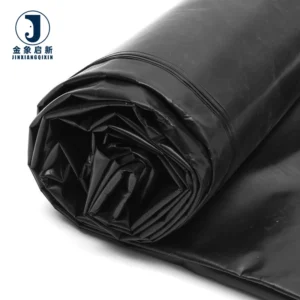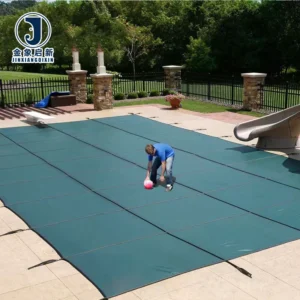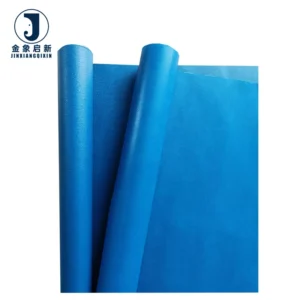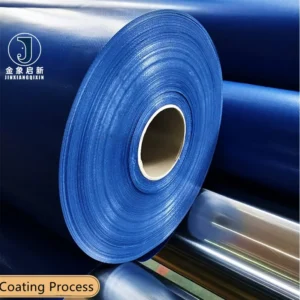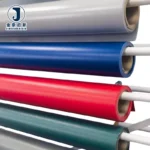
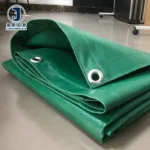
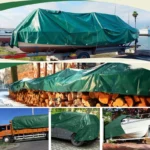
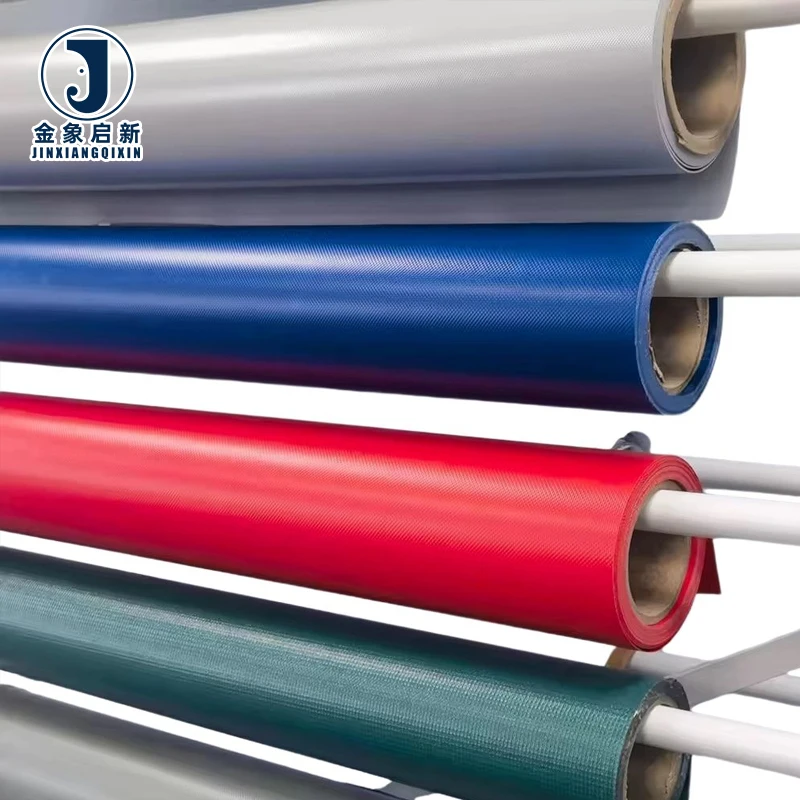
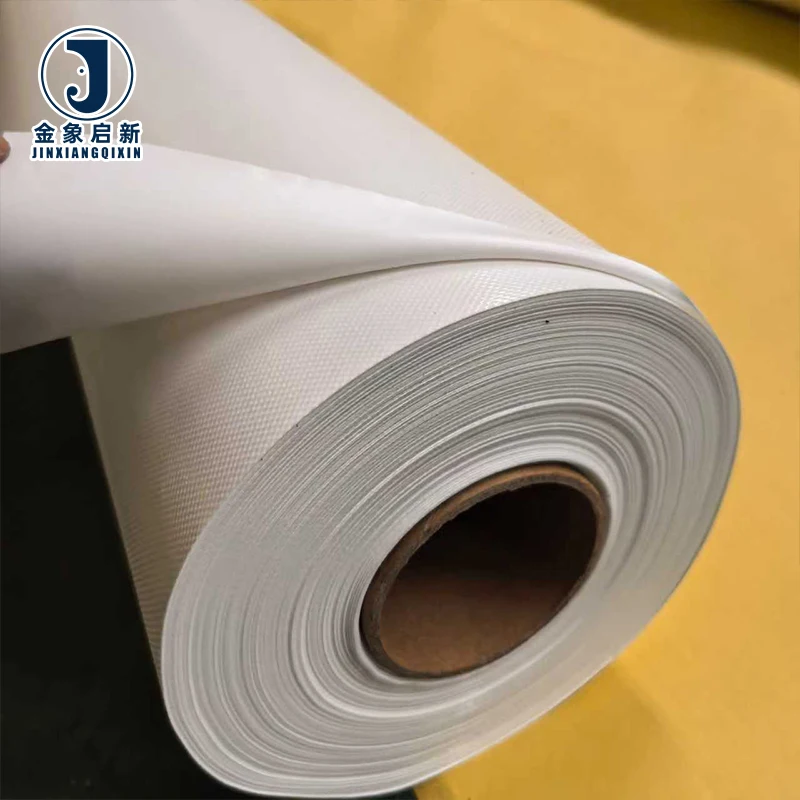
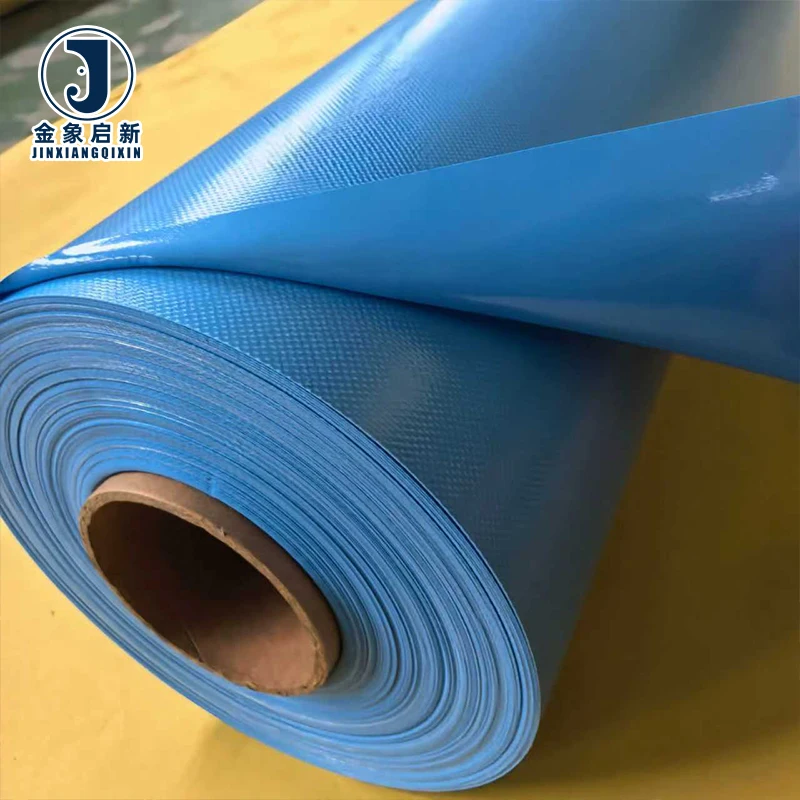
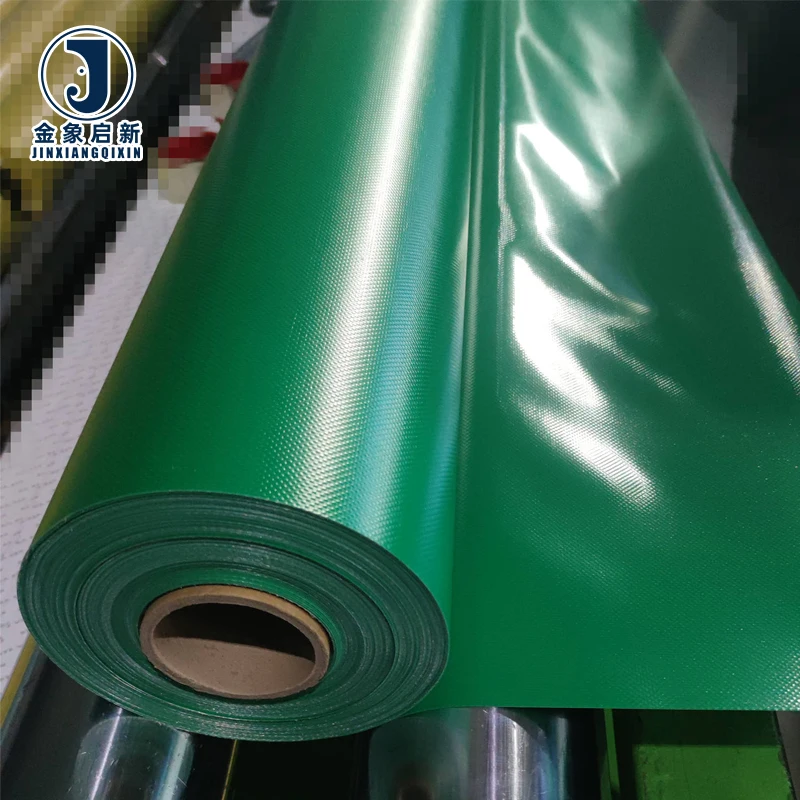
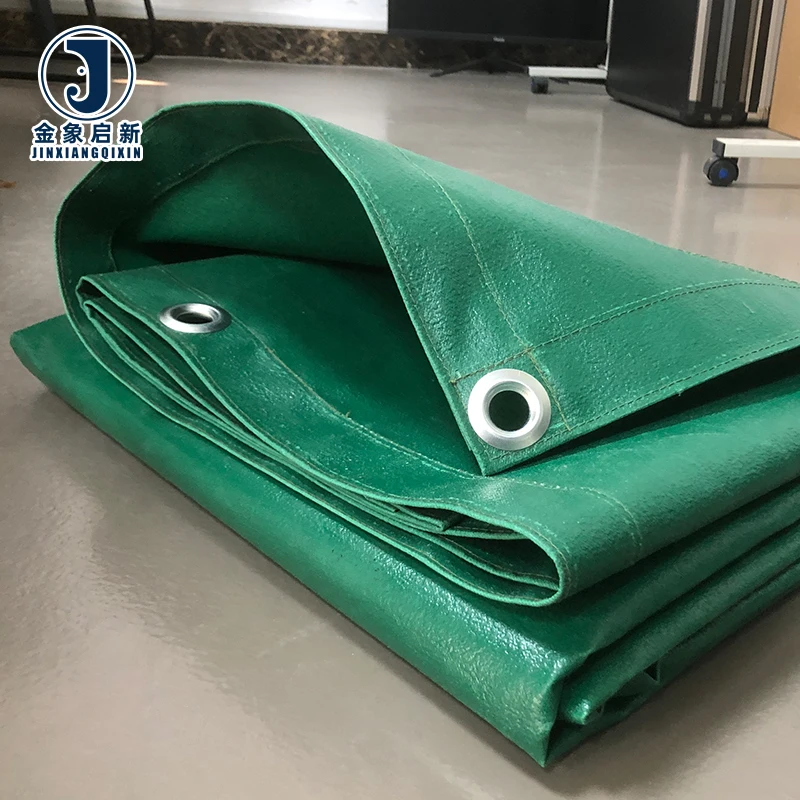
Proven Coating Expertise — Nearly 30 years of focused development in coated technical fabrics translates into reliable batch consistency for every roll of 1000D blackout PVC tent fabric shipped.
Technical Specifications
| Parameter | Value |
|---|---|
| Product Type | PVC Coated Tarpaulin Fabric |
| Base Fabric | 1000D |
| Finish | Blackout |
| Treatment | Anti-UV (grade not stated in source), Fire Retardant (grade not stated in source) |
| Biological Resistance | Antibacterial and Mildew Proof |
| Chemical Resistance | Oil and Stain Resistance, Acid and Alkali Resistance |
| Welding Options | HF, Hot Air, Sewing |
| Surface Finish | Self-Cleaning System |
| Environmental Tolerance | High Temperature and Cold Resistance (values not stated in source) |
Application Suitability
| Application | Exposure & Requirement |
|---|---|
| Tensile Structures & Membrane Architecture | Permanent sun exposure, wind loading, high tensile stress at anchor points, requirement for certified fire performance. |
| Airport Hangars & Aviation Shelters | Wide-span structures requiring blackout light control, fuel and hydraulic fluid resistance, strict aviation fire safety compliance. |
| Stadium Roofs & Large Span Architecture | Long-term UV degradation, high wind shear, need for self-cleaning surfaces to reduce maintenance access on high structures. |
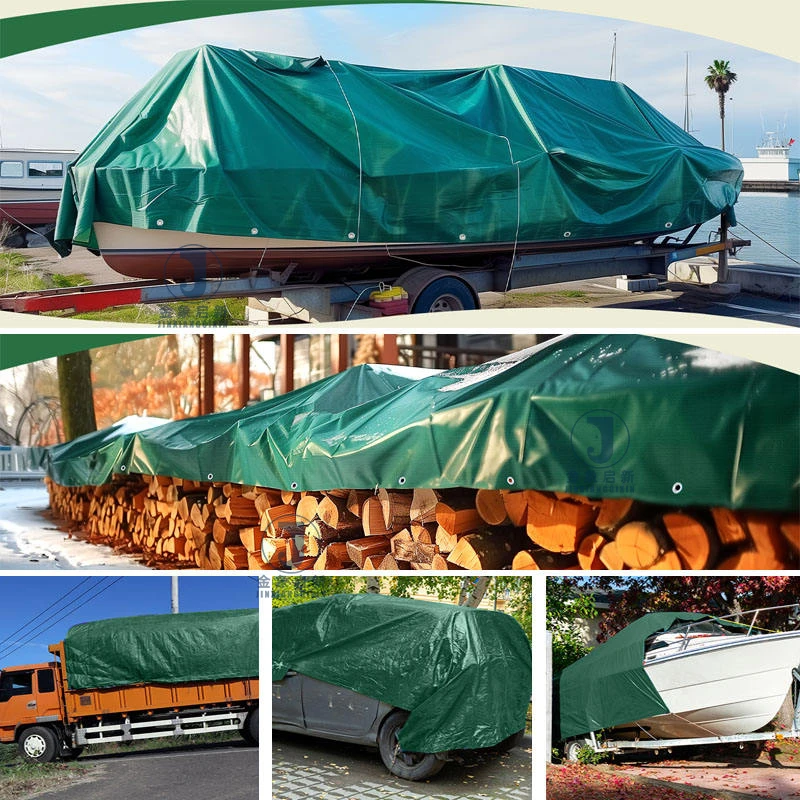
| Portable Storage & Industrial Shade Systems | Rapid deployment and dismantling, frequent folding at seams, abrasion from ground contact and hardware. |
Why "Flame Retardant" Means Nothing Without a Verified Grade on the Certificate
A fire-retardant claim without a specific test standard is a liability, not a specification.
Fabricators building tensile structures for public venues or aviation facilities face immediate rejection if the installed material cannot be traced to a recognized fire classification standard like DIN 4102 B1, NFPA 701, or local building code equivalents. Sourcing PVC tent fabric shelter blackout anti-UV material based solely on a supplier’s general "flame retardant" description often leads to failed site inspections and costly tear-downs. We require your target compliance standard at the inquiry stage so the correct chemical formulation is locked into the production batch [NEED_CITE: fire classification standards for tensile membrane structures in public assembly buildings].
Welding Integrity at the Seams of Tensile Membranes
The structural integrity of a large-format membrane relies entirely on the welded seams. This PVC coated tarpaulin fabric supports High Frequency, Hot Air, and traditional Sewing methods, allowing fabricators to match the joining technique to the specific load calculations of the tensile project. When the 1000D base fabric is subjected to high tension, the seam must not become the failure point; correct heat and pressure settings ensure the weld strength approaches the tear strength of the base material itself.
Surface Engineering for High-Altitude Architectural Projects
Maintaining large architectural membranes is logistically difficult and expensive. The self-cleaning surface finish specified on this roll stock is designed to shed particulate matter and biological growth with rainfall, reducing the frequency of manual washing cycles on stadium roofs or airport hangars. For contractors, this means the visual appearance of the structure remains consistent over time without requiring specialized access equipment for routine cleaning [NEED_CITE: self-cleaning PVDF and acrylic surface treatments on architectural PVC].
Base Fabric Density and Load-Bearing Capacity
The 1000D base fabric designation refers to the linear mass density of the yarns, which directly influences the tensile and tear strength of the final coated product. In tensile architecture, the fabric must resist the constant pull of pre-stress and dynamic wind loads. A higher denier base, combined with appropriate PVC coating weight, prevents the propagation of tears from puncture points or hardware attachments. Specifying a 1000D base ensures the material has the structural mass required for semi-permanent and permanent architectural installations rather than temporary event covers.
The Cost of Overlooking Batch Consistency in Large-Span Projects
When installing a continuous membrane across a stadium or hangar, visible colour or gloss variation between adjacent rolls results in an immediate aesthetic failure that cannot be corrected without full replacement. Inconsistent coating weight across a batch can also lead to differential stretching during tensioning, causing permanent wrinkles or uneven stress distribution. Procurement must verify roll-to-roll colour matching and GSM tolerance before the material leaves the factory, as on-site sorting of mismatched architectural fabric is not a viable option [NEED_CITE: coating weight variance and its effect on tensile modulus in PVC membranes].
Production Control for Technical Textile Projects
We maintain three full production lines capable of handling the volume requirements of large architectural projects without splitting a single order across multiple external suppliers. Our ten-person R&D team handles the material selection and sample development phase, ensuring the 1000D blackout fabric meets the specific welding and handling requirements of your fabrication shop. Every roll undergoes 100% inspection before dispatch, checking for coating defects and verifying that the fire-retardant and anti-UV treatments match the agreed specification.
Documentation & Verification
- Material specification sheet confirming 1000D base fabric, blackout coating, and specific GSM for the batch.
- Fire-retardant test report aligned with the project jurisdiction standard (e.g., B1, M2, NFPA 701).
- Pre-shipment inspection record detailing roll count, colour consistency check, and visual surface quality.
- Certificate of origin and full customs documentation for international project site delivery.
Fabrication, Handling & Storage
- Adjust hot air welding temperature to match the specific coating thickness of this blackout PVC roll.
- Store rolls horizontally on pallets to prevent permanent creasing of the 1000D base fabric structure.
- Use compatible PVC-based liquid weld sealant for field repairs on the self-cleaning surface finish.
- Allow rolled material to acclimatize to site temperature before unrolling to avoid stress cracking in cold conditions.
- Plan cutting patterns to maximize yield from the roll width and minimize transverse seams in high-load areas.
Defining the Project Requirement
To provide an accurate specification and lead time, please share the project’s fire safety compliance requirements, total square meterage, and the preferred roll width for your fabrication setup. If the membrane is for an aviation or public venue application, specifying the required test standard (such as NFPA 701 or DIN 4102) at the inquiry stage allows us to prepare the correct formulation and documentation package. Samples can be developed for weld testing prior to the full production run.
Frequently Asked Questions
Q: What fire-retardant grade can you certify for my jurisdiction?
A: We supply fire-retardant grades matched to specific standards such as DIN 4102 B1, M2, or NFPA 701. You must state the required standard at inquiry so the correct formulation is applied to the 1000D base fabric and the corresponding test report is issued with the batch documentation.
Q: How do you verify GSM and base fabric denier on arrival?
A: Each roll is accompanied by a material specification sheet stating the GSM and 1000D base fabric. We perform weight verification and thickness checks during the 100% pre-shipment inspection and can provide the inspection record for your quality team to cross-reference upon delivery.
Q: Which welding method is recommended for tensile structure seams?
A: High Frequency (HF) and Hot Air welding are both compatible with this PVC coated tarpaulin roll. HF is often preferred for long, continuous seams in architectural membranes due to consistent heat distribution, but we provide samples for your fabrication team to validate parameters.
Q: Can you supply blackout fabric with consistent colour across multiple rolls for a single project?
A: Yes, for single-project orders, we schedule production to ensure roll-to-roll colour consistency. The pre-shipment inspection includes a visual check of adjacent rolls to prevent shade variation on large tensile structures where panels are installed side by side.
Q: What lead time and minimum apply to custom width for architectural orders?
A: Lead times depend on the specific roll width, colour, and fire-retardant grade required. Custom widths and treatments typically require multi-week production windows. We provide the exact schedule and minimum order quantity once the project specifications and total square meterage are confirmed.