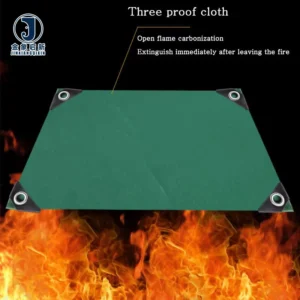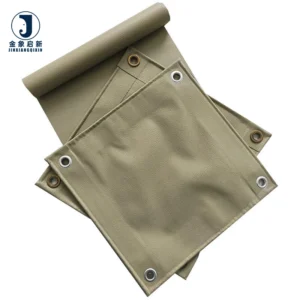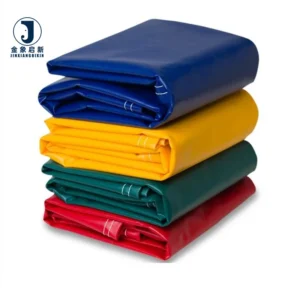
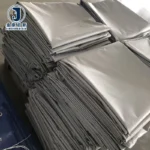
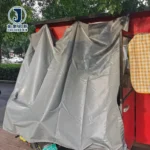
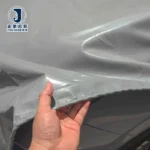
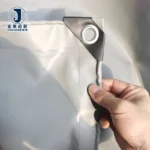

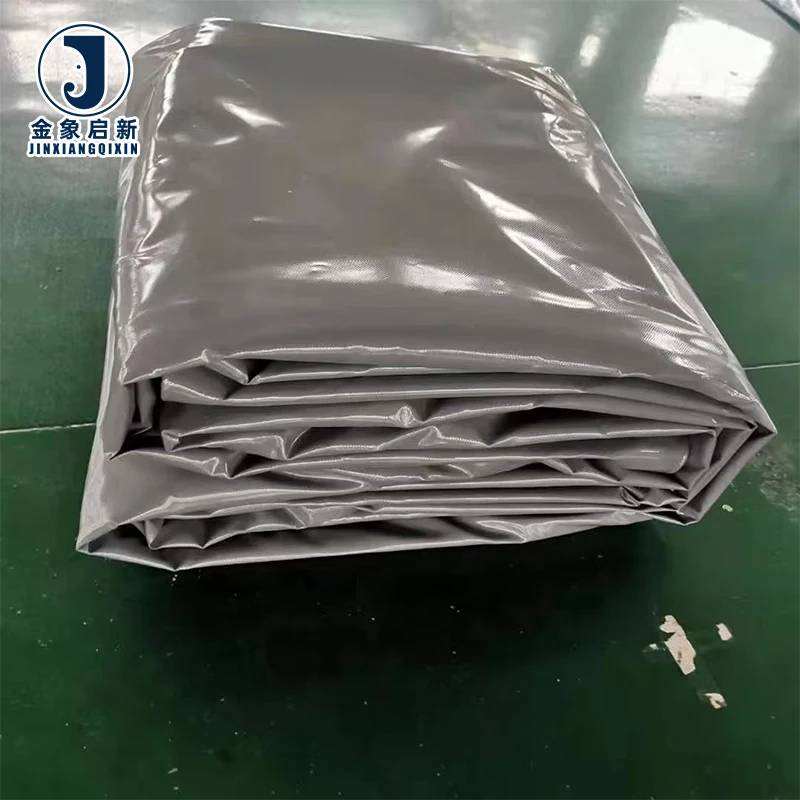
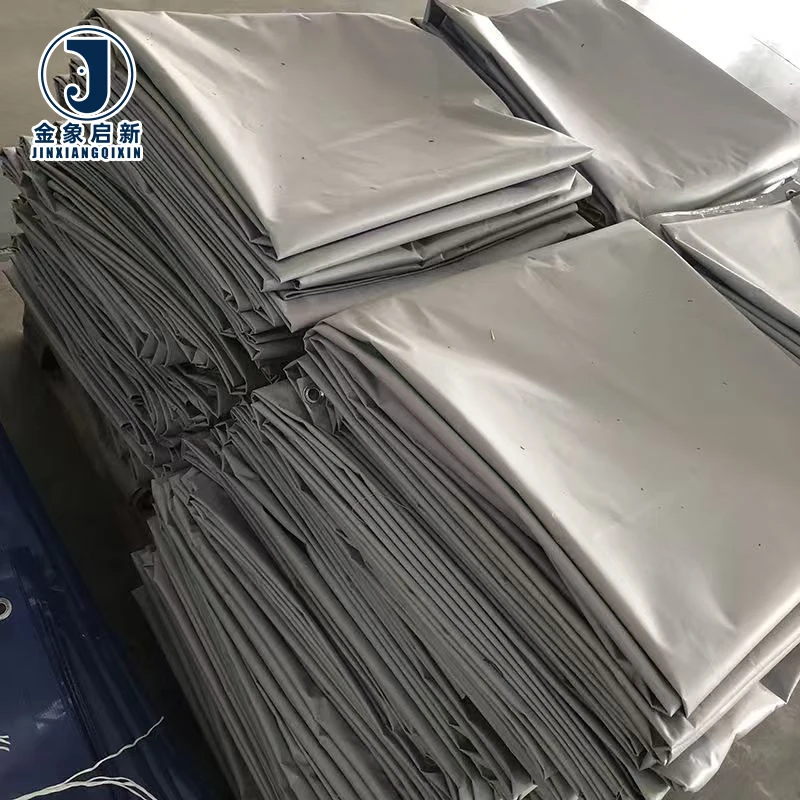
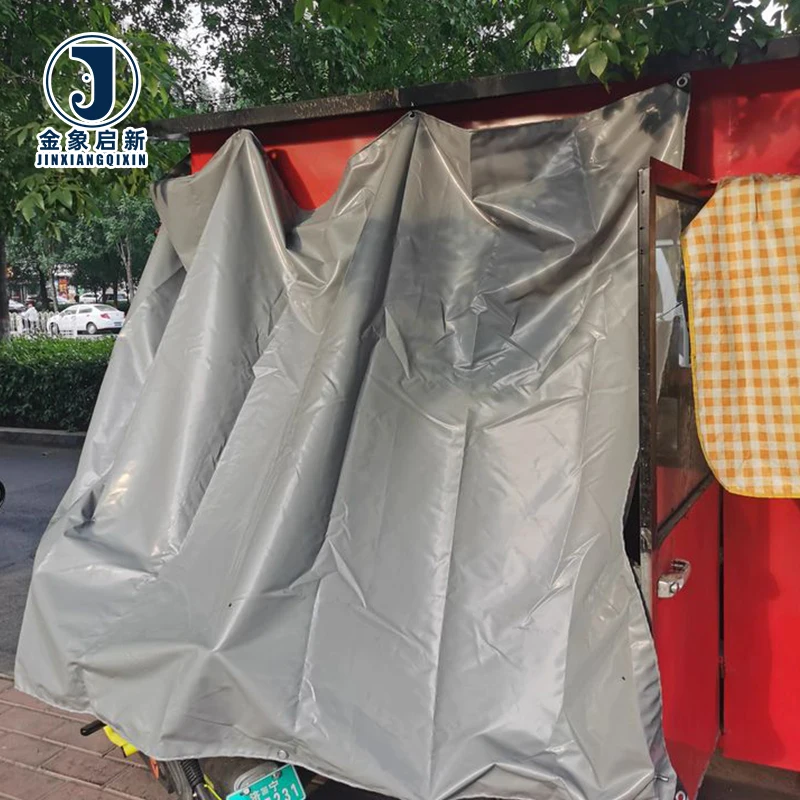
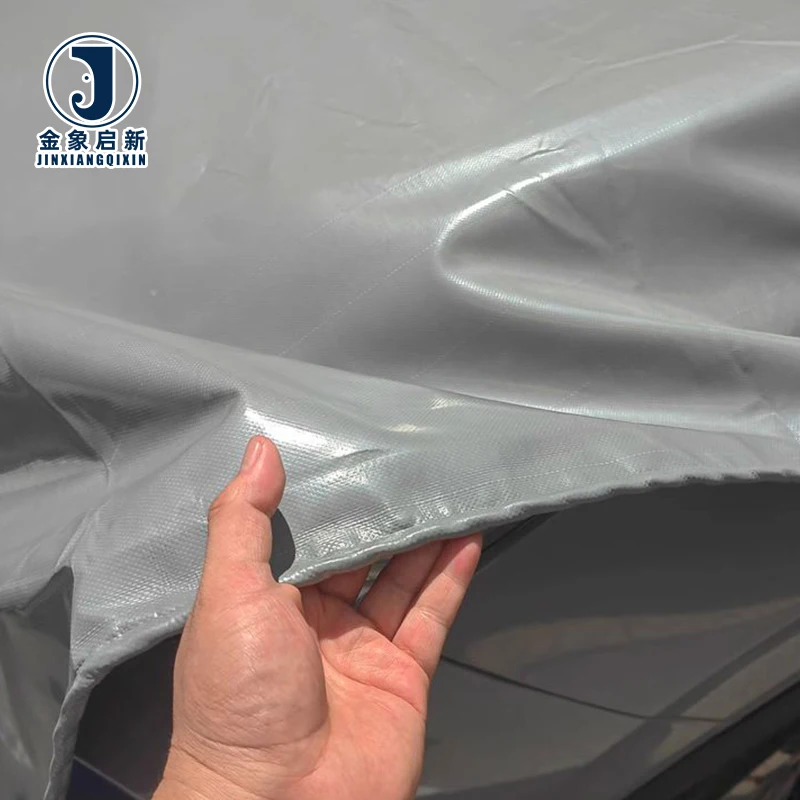
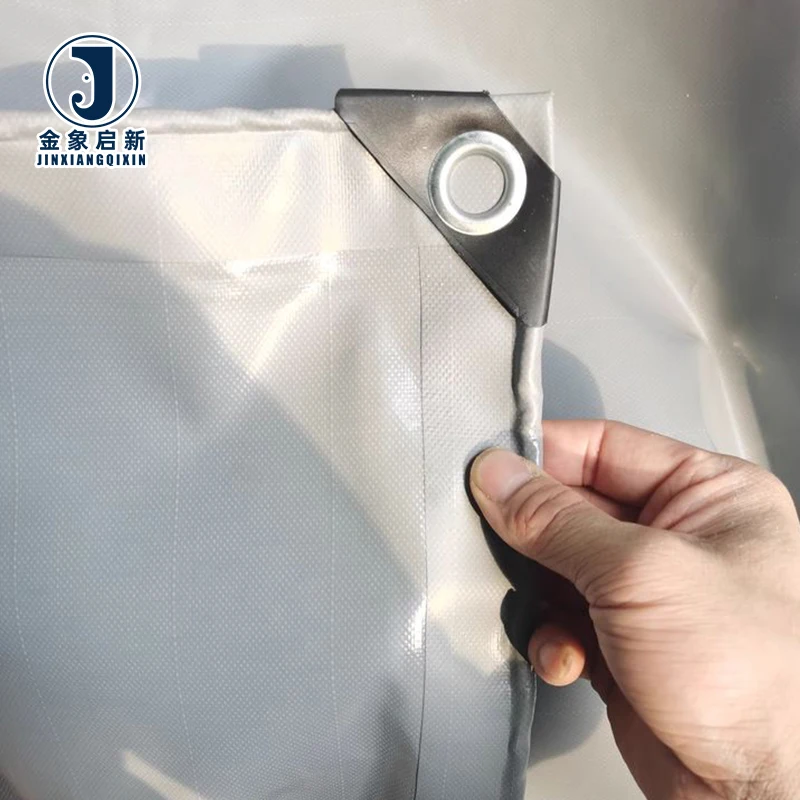
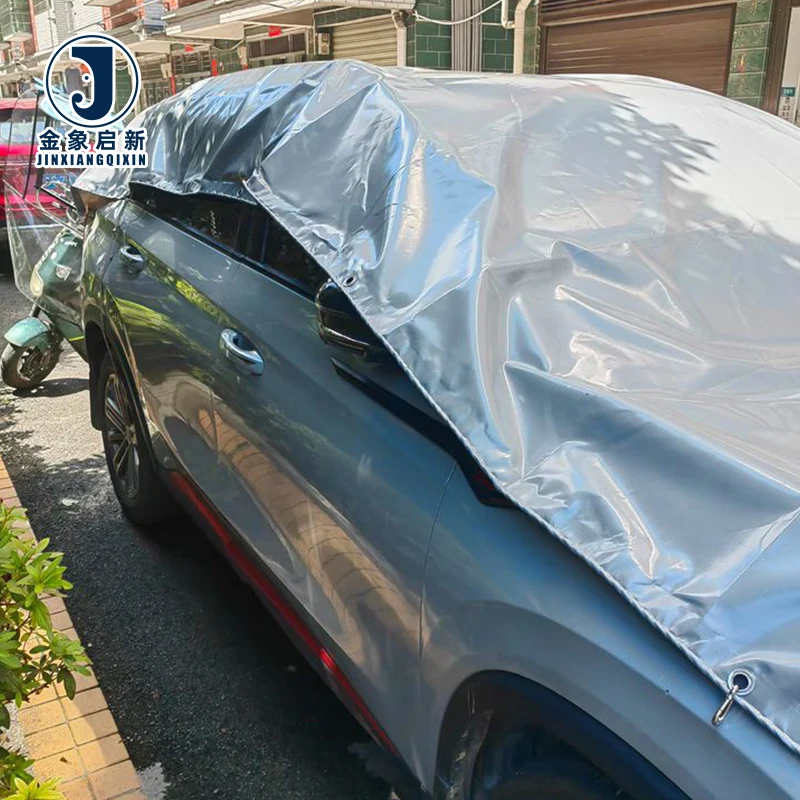
Verified Coating Weight — 630 Gsm PVC coated tarpaulin roll built on controlled coating adhesion and base fabric construction, with QA at every stage before dispatch.
Technical Specifications
| Parameter | Value |
|---|---|
| Product Type | PVC Coated Tarpaulin Roll |
| Weight (GSM) | 630 Gsm (range 250gsm-1500gsm across product family — confirm the grade for this item) |
| Base Fabric Denier | 200DX300D / 500DX500D / 840DX840D / 1000DX1000D (range covers product family — confirm the grade for this item) |
| Coating Material | PVC |
| Surface Finish | Available in glossy or matte finish |
| Color Options | Blue, yellow, black, green, white, etc. |
| Standard Sizes | 3x4m, 6x8m, 8x10m, 10x12m or custom made |
| Temperature Range | -15°C to 70°C |
| UV Treatment | Customized (test basis not stated — request exposure report) |
| Flame Retardant | FR treated (grade not stated — confirm the grade required for your market) |
| Anti-Fungal | Anti-fungal treated |
| Waterproof | Yes — water-proof, rain-resistant |
| Key Features | Tear-resistant, good abrasion resistance, good flexibility and adhesion strength, eco-friendly |
| Working Life | 3-10 years depending on usage environment (source value — verify against manufacturer catalog) |
| OEM/ODM | Warmly welcomed |
Application Suitability
| Application | Exposure & Requirement |
|---|---|
| Temporary industrial enclosure and site containment | Wind loading, dust and debris containment, UV exposure during multi-month site operations |
| Membrane and inflatable structure fabric for specialist contractors | Sustained air pressure, cyclic flexing, weld integrity at seams, UV and weather exposure |
| Ventilation shrouding and duct wrap in mining or tunnelling | Fire-retardant and anti-static compliance, abrasion from airflow-borne particulates, confined-space installation |
| Protective covering for heavy equipment stored outdoors | UV exposure, rain, wind-driven debris, handling abrasion during placement and removal |
What "Flame Retardant" Actually Means When No Grade Is Specified
Flame-retardant claims without a documented grade are not compliance — they are marketing language.
Technical buyers in mining, tunnelling and aviation specify PVC coated tarpaulin 630 gsm for ventilation shrouding or enclosure work where fire safety is non-negotiable. Yet quotation sheets frequently state "FR treated" without referencing DIN 4102, NFPA 701, M2 or any recognised classification. The result is fabric that arrives on site lacking the documentation the safety inspector requires, forcing project delays or outright rejection at the gate. [NEED_CITE: fire classification standards for textile materials in confined industrial environments]
The issue extends beyond paperwork. Different FR chemistries behave differently under sustained heat — some are designed for brief ignition resistance in building interiors, others for continuous exposure in underground ventilation systems. Specifying the correct grade against the actual hazard profile is the only way to close the gap between what the quotation promises and what the site audit demands.
Denier Selection and Its Direct Effect on Structural Integrity
The base fabric denier — whether 200DX300D for lighter enclosure panels or 1000DX1000D for membrane structures under sustained air pressure — determines how the PVC coated tarpaulin 630 gsm behaves under tensile load. Higher denier yarns resist tear propagation at stress concentrations such as welded corners and tie-down points. For inflatable structures, the denier must match the internal pressure rating; undersized base fabric leads to micro-tears that compromise air retention long before the coating itself fails.
Coating Adhesion and Weld Performance in Specialist Applications
PVC coating on this fabric is engineered for adhesion strength that supports high-frequency and hot-air welding, which is critical when fabricating ventilation ducts or membrane panels. Glossy and matte finishes behave differently under welding heads — matte surfaces typically offer more consistent heat transfer at the weld interface, while glossy finishes may require adjusted temperature profiles. Fabricators working with PVC coated tarpaulin 630 gsm for specialist structures must validate weld parameters against the actual roll finish before committing to production runs. [NEED_CITE: weld peel strength testing methods for PVC coated fabrics per ISO 1421]
Interpreting the Specification Sheet Beyond GSM
The 630 Gsm figure represents total weight of base fabric plus coating combined, not coating thickness alone. Two rolls rated at the same GSM can have vastly different performance profiles if one uses a heavier base fabric with less coating and the other uses a lighter base with a thicker coat. The heavier base yields higher tensile and tear values but may sacrifice surface smoothness; the thicker coat improves waterproofing and abrasion resistance but adds stiffness that complicates fabrication in cold conditions. Temperature range of -15°C to 70°C defines the operating window — below the lower limit, the PVC coating becomes brittle and susceptible to crack propagation at fold lines; above the upper limit, softening reduces dimensional stability under load. Anti-fungal treatment matters for installations in humid or sub-surface environments where biological growth on the fabric surface can degrade the coating over time. Surface finish selection between glossy and matte also affects cleanability — glossy surfaces shed particulate more readily in dusty environments such as mining ventilation circuits.
The Hidden Cost of Specifying on Price Per Square Metre Alone
When procurement decisions for PVC coated tarpaulin 630 gsm rest primarily on unit cost, the downstream consequences surface at installation. Rolls that arrive below the stated GSM may pass visual inspection but fail tensile testing when sample coupons are pulled. Flame-retardant treatment without a documented grade means the safety officer cannot sign off on the installation, halting the entire project schedule. Colour variation between rolls in the same order becomes visible only after panels are hung side by side on a membrane structure, forcing selective replacement and delaying handover. [NEED_CITE: pre-shipment inspection practices for batch consistency in coated fabric orders]
Welded seams failing before the fabric body is another consequence of material inconsistency — if coating adhesion varies across a roll, the weld line becomes the weakest point precisely where the structure flexes most under wind or pressure loading.
Why Source This Material Here
Nearly 30 years of focused coated fabric production means process control over coating weight and adhesion is built into every production run, not added as an afterthought. Three full production lines and 36 sets of equipment support the volume requirements of mining and tunnelling contractors who need consistent PVC coated tarpaulin 630 gsm roll stock delivered on schedule. The 10-person R&D team handles material selection and sample development for custom specifications, allowing fabricators to validate weld behaviour and colour match before committing to a full order. Dedicated QA and QC at every production stage with full inspection before shipment catches GSM deviation, coating defects and colour drift before rolls leave the facility.
Documentation & Verification
- Material specification sheet stating exact GSM, base fabric denier and coating weight per roll
- Test report for flame-retardant grade supplied where applicable to match target compliance
- UV treatment test basis documented with exposure hours and standard reference
- ISO and CE certificates included in shipment documentation package
- Pre-shipment inspection record confirming weight and colour consistency across all rolls
- Roll packing list and certificate of origin for customs and site receiving
Fabrication, Handling & Storage
- Validate hot-air welding temperature against the glossy or matte finish before production runs begin
- Store rolls upright on pallets to prevent permanent creasing in the 630 Gsm PVC coating layer
- Allow fabric to acclimatise above -15°C before unrolling to avoid cold-crack damage at fold lines
- Use PVC-compatible cleaning agents to avoid chemical attack on the anti-fungal treated surface
- Plan panel cutting layout to minimise offcut waste given the custom width and length options available
- Apply reinforcement patches at all tie-down and eyelet points to distribute load across the base fabric denier
What to Include in Your Enquiry
Provide the specific application — whether ventilation shrouding, membrane structure or temporary enclosure — along with the fire-retardant or anti-static classification your site requires. Confirm the target colour, finish preference and whether you need roll stock or finished panels cut to dimension. If the material will be welded, specify the welding method so we can recommend the appropriate surface finish and supply a fabrication sample for your parameter validation.
Frequently Asked Questions
Q: How do I verify 630 Gsm weight when rolls arrive on site?
A: Cut a measured sample from each roll, weigh it on a calibrated scale and calculate GSM from the known area. Acceptable tolerance typically falls within a narrow band around the stated 630 Gsm value. Request the pre-shipment inspection record from us — it documents verified weight per roll before dispatch, giving you a baseline to compare against your incoming check.
Q: Which denier option suits membrane structure applications?
A: Higher denier base fabrics such as 1000DX1000D provide greater tensile and tear strength needed for structures under sustained air pressure or wind loading. Lower denier options like 200DX300D suit lighter enclosure panels. Specify the load case and safety factor your engineer requires so we can confirm the correct denier grade from our range.
Q: What flame-retardant test report should I request for mining ventilation use?
A: Mining and tunnelling sites typically require flame-retardant certification to a specific standard such as M2, B1 per DIN 4102 or NFPA 701. State the exact standard your site safety plan references so we can supply the matching test report with your shipment and confirm the treatment grade before production.
Q: Can I get consistent colour across multiple rolls in one order?
A: Yes — our production process includes dedicated QA inspection for colour consistency across all rolls within the same batch. The pre-shipment inspection record documents this check. If your membrane or enclosure project requires panels hung side by side, request this documentation to verify match before installation begins.