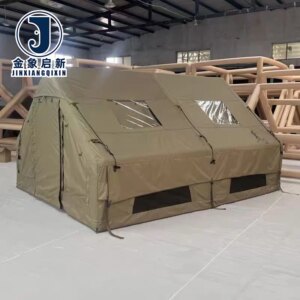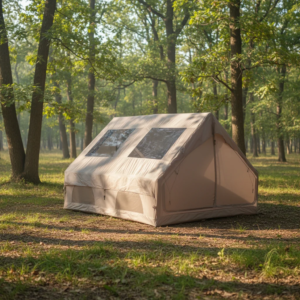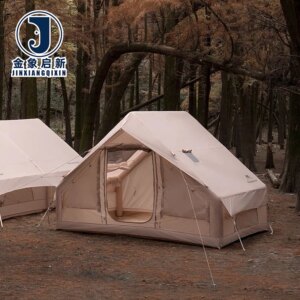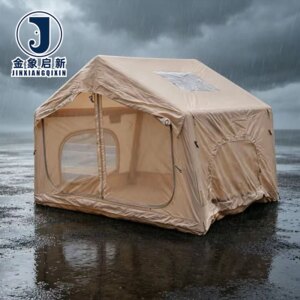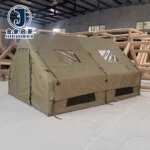
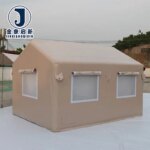

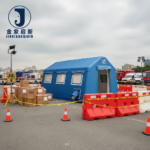
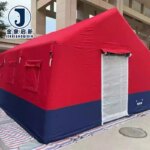

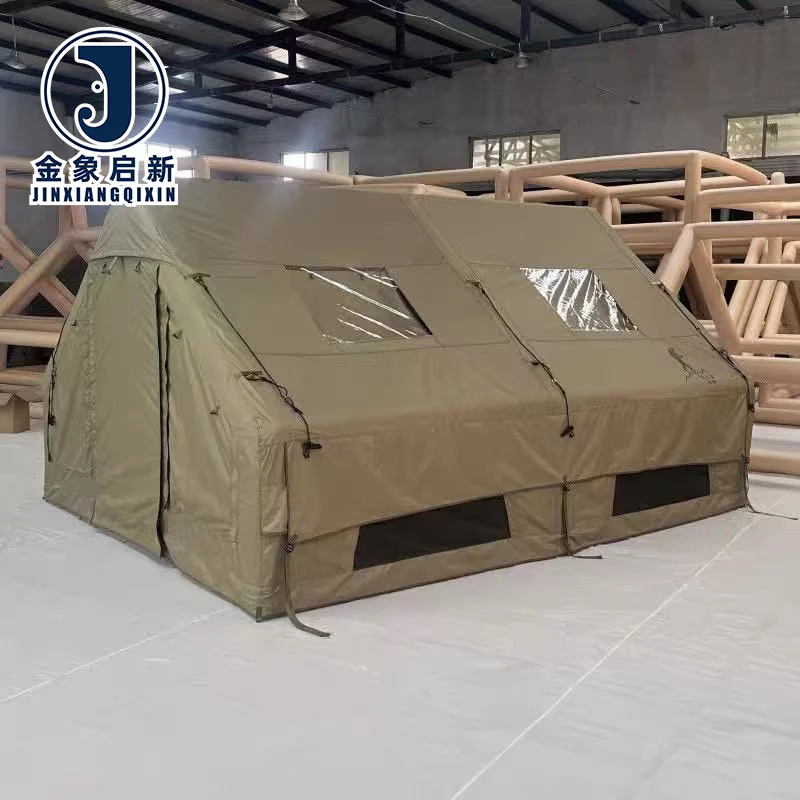
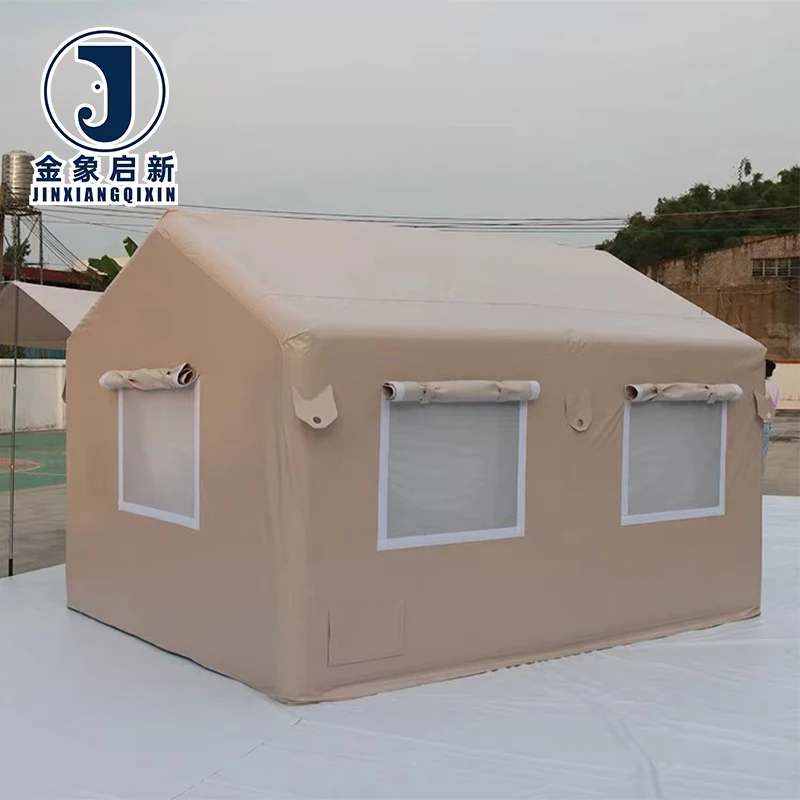
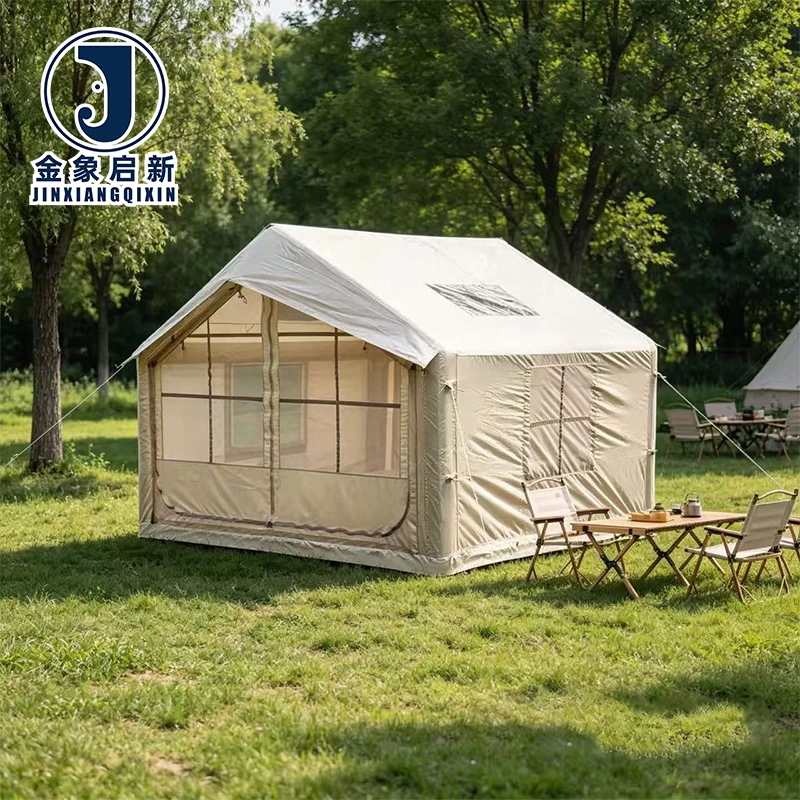
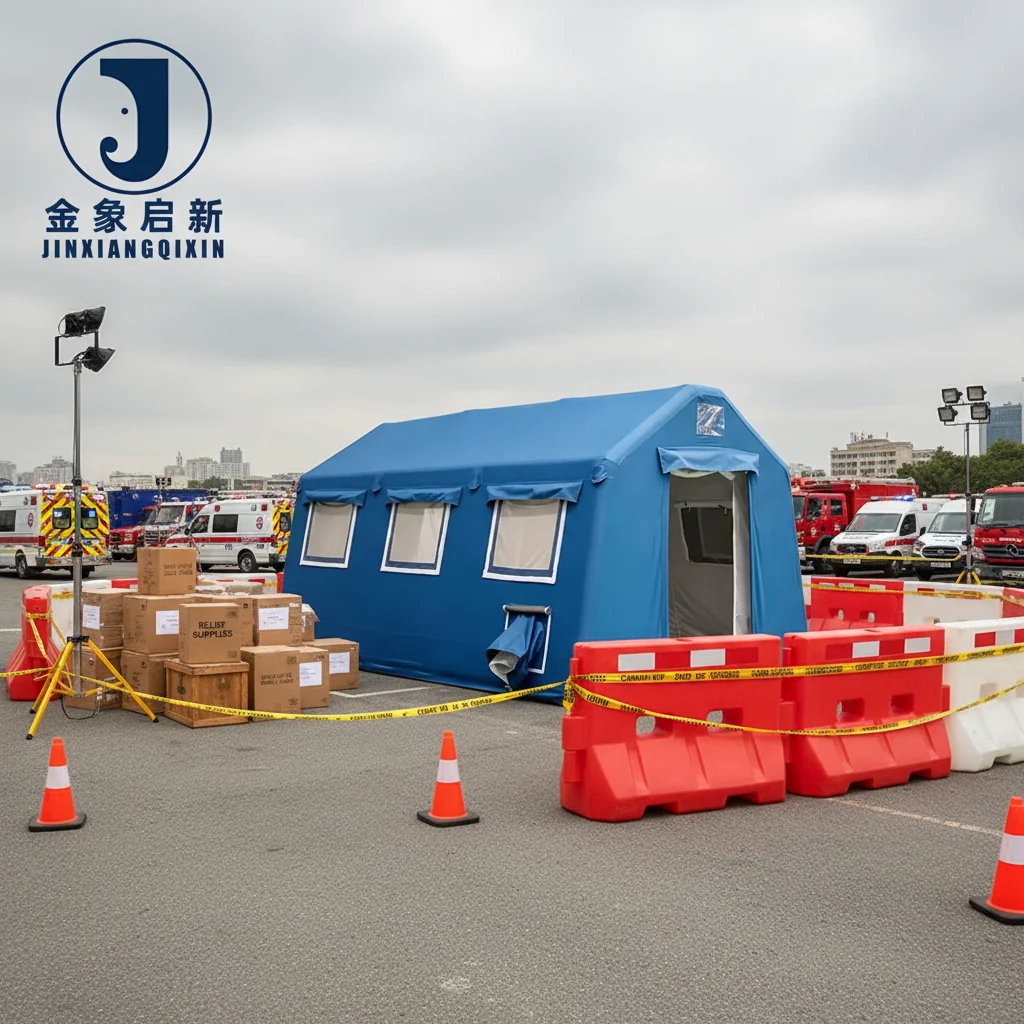
Certified Material Traceability — Every inflatable structure we build carries batch-specific test documentation, from base fabric coating weight through to final inflation verification.
Technical Specifications
| Parameter | Value |
|---|---|
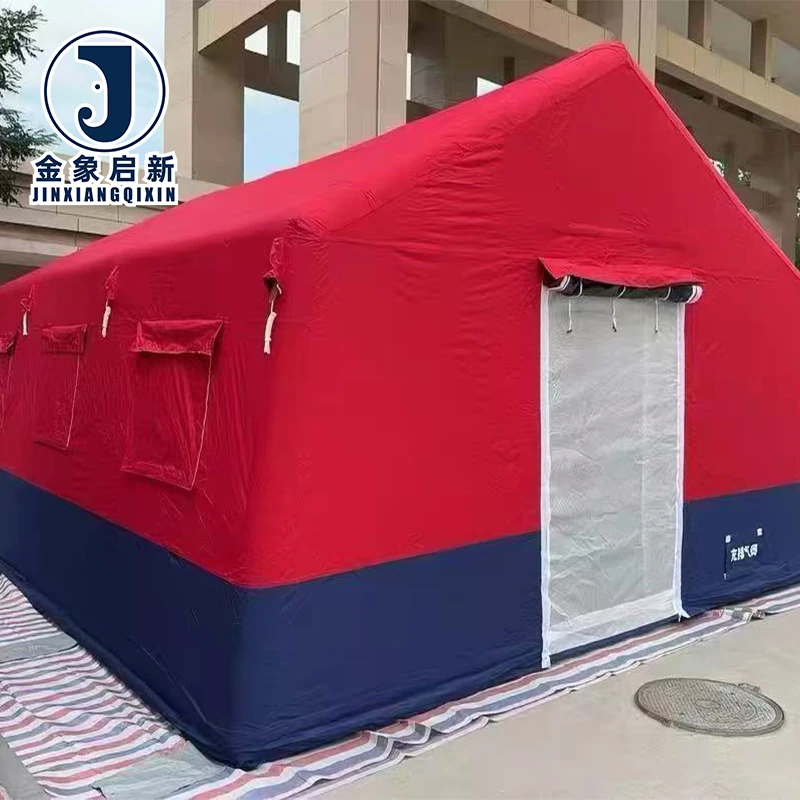
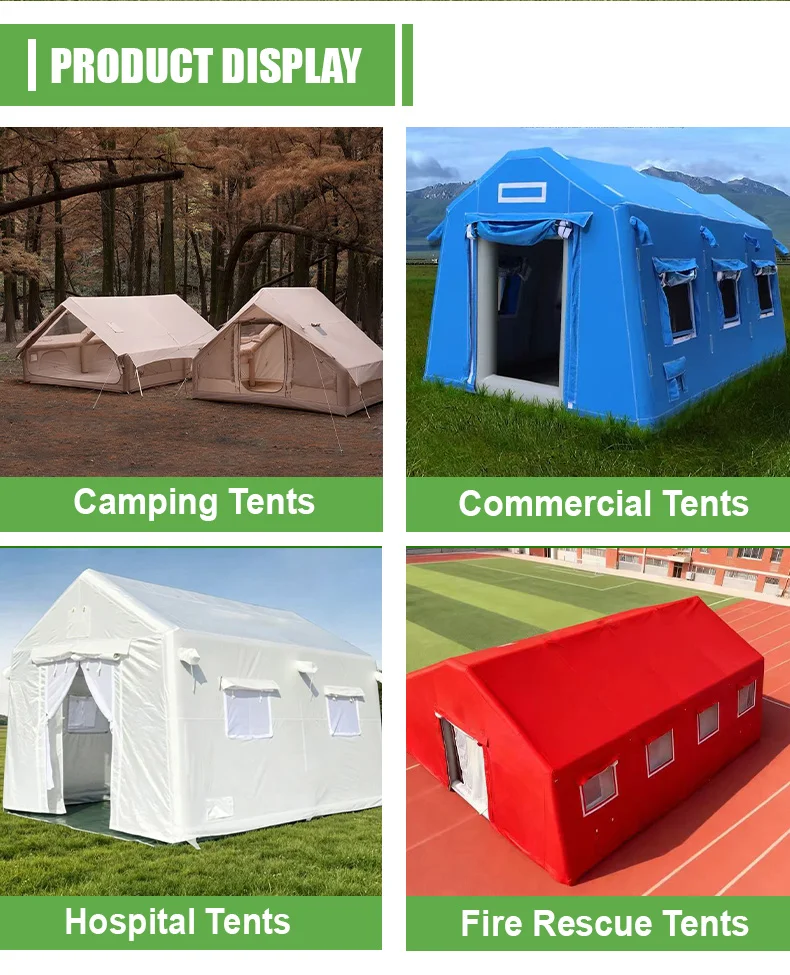
| Product Type | Inflatable Tent |
| Core Material | PVC Tarpaulin |
| Product Forms | Inflatable structure with single layer construction |
| Key Performance | Waterproof, UV-Resistant (test basis not stated), Tear-Resistant, Quick Automatic Opening |
| Flame Retardant Grade | Available in flame retardant grades — confirm the grade required for your market |
| Customization Service | OEM & ODM (sample customization, pattern printing) |
| Quality Control System | Full-process inspection; 24-hour inflation test before shipment |
| Standards | ISO9001, ISO14001, ISO45001, CE |
Application Suitability
| Application | Exposure & Requirement |
|---|---|
| Mining and tunnelling temporary shelters | Underground particulate exposure, high humidity, strict fire-retardant compliance mandates |
| Aviation ground support structures | Static discharge risk around fuel operations, anti-static fabric compliance required |
| Remote construction command centers | Wind load, temperature fluctuation, repeated inflation cycles across project phases |
| Disaster recovery equipment storage | Rapid deployment under time pressure, waterproof integrity for sensitive inventory |
Why Certification Gaps Halt Inflatable Shelter Operations on Site
An inflatable tent fire retardant claim without a test report is a liability, not a product.
Procurement teams sourcing certified inflatable shelter systems for mining, aviation or emergency response regularly face a frustrating pattern: the supplier quotes a compliant product, but the documentation package arrives incomplete or references a standard that the local authority does not recognize. Operations stall while the gap is resolved. In regulated environments, a missing fire classification or an absent anti-static surface resistance value means the structure cannot be legally inflated on site, regardless of how well it performs in practice. [NEED_CITE: fire classification standards for temporary structures in mining jurisdictions]
Compliance Documentation as a Structural Component
When specifying an inflatable tent fire retardant system for underground mining or aviation fuel-handling zones, the fabric specification is only half the equation. The certification pathway — which standard applies, which test laboratory is accredited, and whether the report is traceable to your production batch — determines whether the structure passes site inspection. We approach documentation as an engineered deliverable, prepared in parallel with the physical product so that both arrive together and cross-reference correctly.
Air Retention and Seam Integrity Under Pressure
The single-layer inflatable construction relies on high-frequency welded seams to maintain internal pressure across the entire structure. Every welded joint is tested for airtight integrity, and each completed unit undergoes a continuous 24-hour inflation test before dispatch. This protocol catches micro-leaks and seam weaknesses that would otherwise surface only after the shelter is deployed in the field, where repair access and downtime costs are substantially higher. [NEED_CITE: high-frequency welding test methods for coated PVC structures]
Interpreting the PVC Tarpaulin Core for Inflatable Applications
The PVC tarpaulin core used in this inflatable tent fire retardant system provides the baseline waterproof and tear-resistant performance required for extended outdoor industrial exposure. The coated fabric construction balances flexibility — necessary for the structure to fold, transport and inflate repeatedly — with the dimensional stability needed to hold shape under internal air pressure. Base fabric denier and weave density determine how well the material resists tear propagation at stress concentration points, such as corners and inflation valve surrounds. The coating weight and adhesion method influence both the welded seam strength and the long-term resistance to delamination under cyclic inflation and deflation. Selecting the correct material grade is therefore a function of the expected deployment duration, wind load profile and handling frequency at the project site.
The Hidden Cost of Specifying Inflatable Shelters Without Batch Verification
When inflatable structures arrive on site without batch-specific quality documentation, the risk is not theoretical. A shelter that cannot produce a traceable inspection report may be rejected at the gate by the site safety officer, delaying the entire project timeline. Seam strength data, dimensional verification and waterproof performance records should correspond to the exact production run you received, not to a generic product family specification. Inconsistency between units in the same order — where one shelter inflates cleanly and another shows a pressure drop — points to gaps in process control that batch-level inspection is designed to prevent. [NEED_CITE: quality inspection protocols for inflatable industrial structures]
Why Industrial Buyers Source Inflatable Shelters Here
Deep process control over PVC coating weight and adhesion gives you a material that welds predictably and holds pressure through repeated deployment cycles. Three full production lines and 36 sets of professional equipment provide the capacity to fulfil multi-unit orders for project mobilization without splitting production across external workshops. A 10-technician R&D team handles custom dimensions, pattern printing and sample development in-house, reducing the time from inquiry to approved sample. Dedicated QA and QC staff conduct inspections at every production stage, with the 24-hour inflation test applied to every finished unit rather than sampled from the batch. ISO and CE certification frameworks structure the entire production and documentation workflow, ensuring the paperwork matches the product.
Documentation & Verification
- Material specification sheet detailing PVC tarpaulin composition, operating temperature range and maintenance procedures
- Fire-retardant or anti-static test report traceable to the specific production batch by order number
- ISO9001, ISO14001, ISO45001 and CE certification copies included in the documentation package
- Pre-shipment inspection record covering dimensional verification, seam strength and inflation performance data
- Certificate of origin and customs documentation prepared for cross-border project mobilization
Fabrication, Handling & Storage
- High-frequency welding parameters calibrated to the PVC tarpaulin coating weight for consistent seam airtight integrity
- Single-layer inflatable construction requires careful fold sequencing to avoid permanent crease marks on the coated surface
- Store deflated units in dry, shaded conditions away from sharp objects to protect the PVC tarpaulin coating
- Cold-temperature transport may stiffen the PVC tarpaulin; allow the material to acclimatize before inflation to prevent stress cracking
- Field repairs require compatible PVC adhesive and patch material matching the base fabric coating chemistry
- Avoid dragging the inflatable structure across abrasive ground surfaces during deployment to protect the waterproof coating layer
Preparing Your Inquiry for Certified Inflatable Shelter Supply
To move efficiently from inquiry to specification, provide the intended application environment — mining, aviation, disaster response or general industrial — along with the compliance standards your site authority requires. Confirm whether you need the inflatable tent fire retardant fabric certified to a specific classification such as M2, B1 or NFPA 701, and whether anti-static surface resistance values apply. Share the required dimensions, quantity per deployment site and any pattern printing or colour requirements so that we can confirm lead time and sampling sequence.
Frequently Asked Questions
Q: What fire-retardant grades are available for inflatable structures and which mining jurisdictions require which standard?
A: Inflatable structures can be produced in flame retardant grades aligned with standards such as M2, B1 or NFPA 701, depending on the PVC tarpaulin specification selected. Underground mining jurisdictions typically mandate specific classifications verified by accredited laboratory testing. Confirm the exact standard required by your site safety authority at the inquiry stage so that the correct material grade and test report are included with your shipment.
Q: What surface resistance values and anti-static certifications apply to inflatable shelters in underground mining?
A: Anti-static requirements for inflatable shelters in underground environments depend on the specific mining regulation and the proximity to explosive atmospheres. Surface resistance values must be measured per the applicable test standard and documented in the shipment paperwork. Provide your site compliance specification during the inquiry phase so that the correct PVC tarpaulin formulation and certification are assigned to your order.
Q: How are high-frequency welded seams tested for airtight integrity in inflatable structures?
A: Each welded seam on the inflatable structure is inspected for continuity and bond strength during production. Completed units undergo a continuous 24-hour inflation test that reveals any micro-leaks or pressure loss before dispatch. This protocol ensures that seam performance matches the waterproof and structural requirements of the PVC tarpaulin material under sustained internal pressure.
Q: What custom dimensions and printing options are available for project-specific inflatable shelter deployments?
A: OEM and ODM customization covers non-standard dimensions, pattern printing and branding applied to the PVC tarpaulin surface. Our 10-technician R&D team develops samples for approval before full production begins. Provide your required dimensions, print artwork and quantity at the inquiry stage so we can confirm sampling timelines and production scheduling for your project deployment.
Q: What field repair and maintenance procedures extend the service life of PVC inflatable structures in harsh environments?
A: Field repairs should use PVC-compatible adhesive and patch material that matches the base fabric coating chemistry. Clean the surface with mild detergent before applying any patch, and allow full cure time before reinflation. Regular inspection of welded seams and valve connections after each deployment cycle helps identify early wear before it develops into a pressure-holding failure.