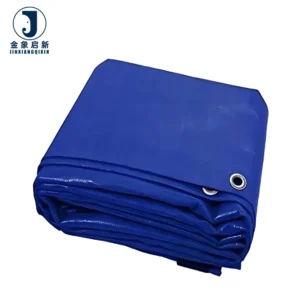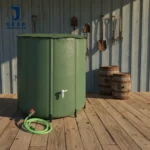

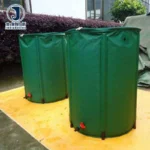
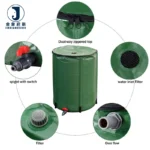
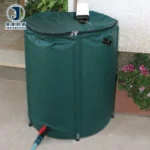
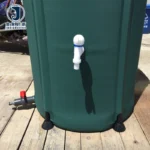
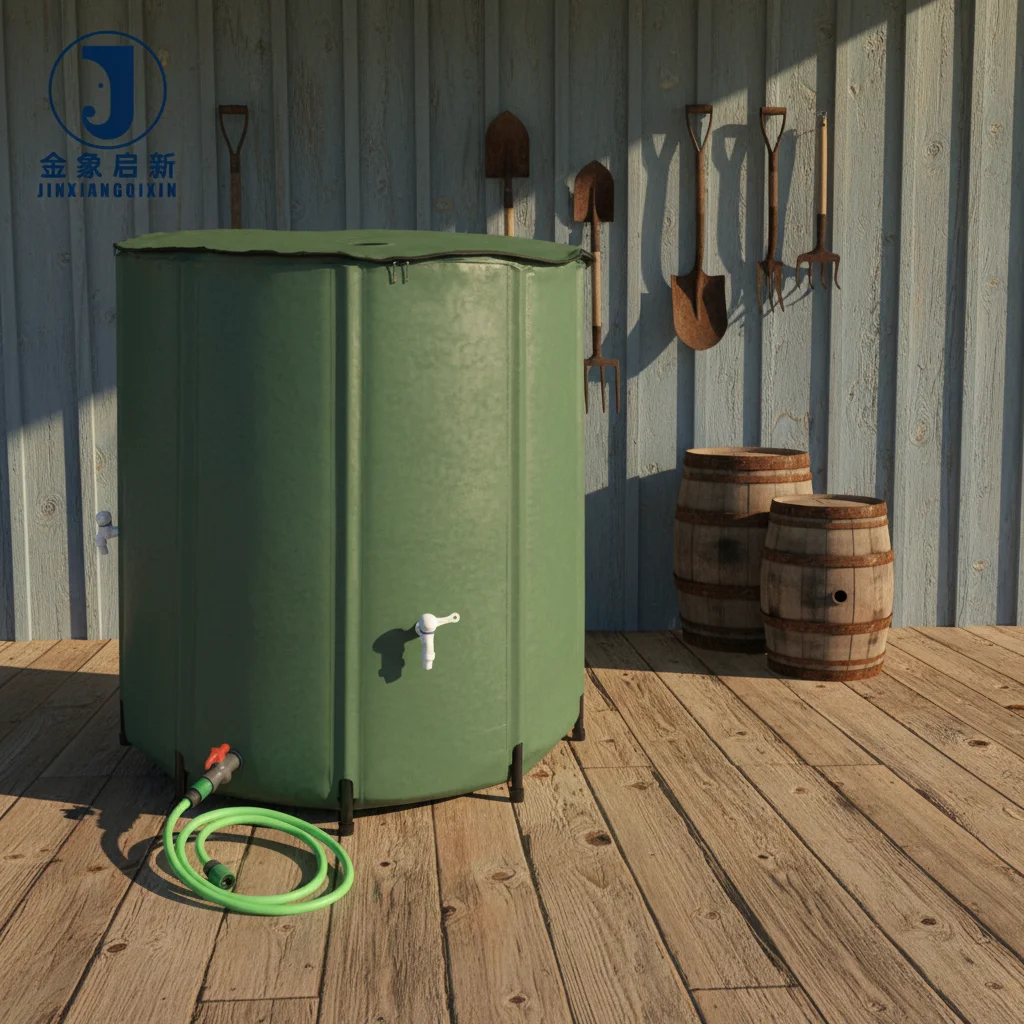
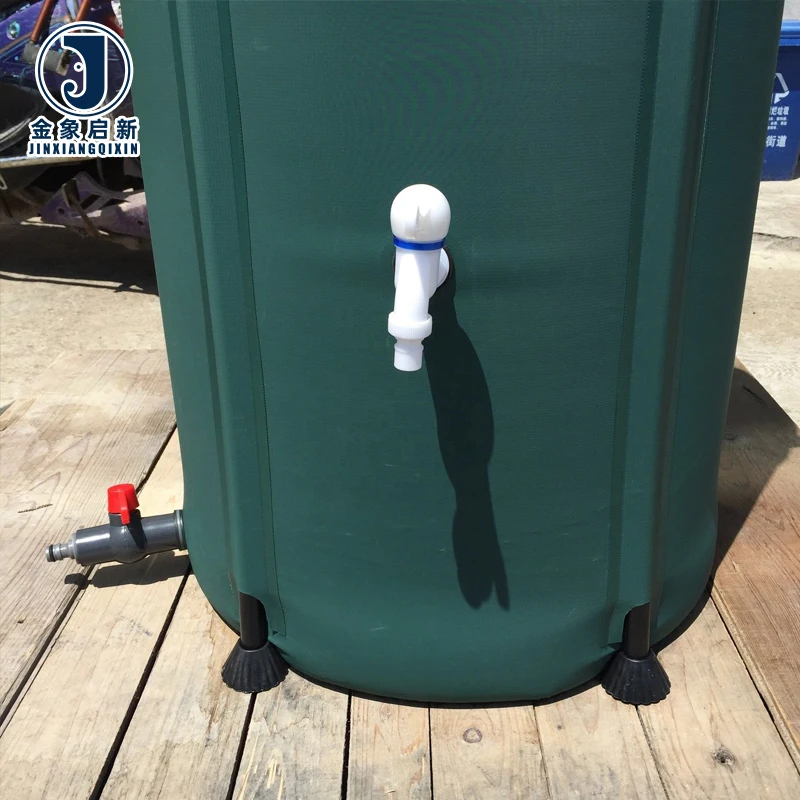
Process Control in Coated Fabric Welding — Every seam on our water storage bladders is heat-welded under monitored temperature and pressure, verified by leak testing before leaving the production line.
Technical Specifications
| Parameter | Value |
|---|---|
| Product Type | Collapsible Rain Water Tank |
| Base Fabric Denier | 500D / 1000D |
| Coating Material | PVC |
| Support Structure | PVC Support Rod |
| Capacity Options | 200L / 380L / 500L / 750L |
| Waterproof | Yes |
| Anti-Mildew | Yes (source value — verify against manufacturer catalog) |
| Anti-Bacteria | Yes (source value — verify against manufacturer catalog) |
| Flame Retardant | Grade not stated in source |
| Anti-UV | Treatment applied; test basis not stated in source |
| Anti-Static | Surface resistance or standard not stated in source |
| Abrasion-Resistant | Yes |
| Tear-Resistant | Yes |
| Shrink-Resistant | Yes |
Application Suitability
| Application | Exposure & Requirement |
|---|---|
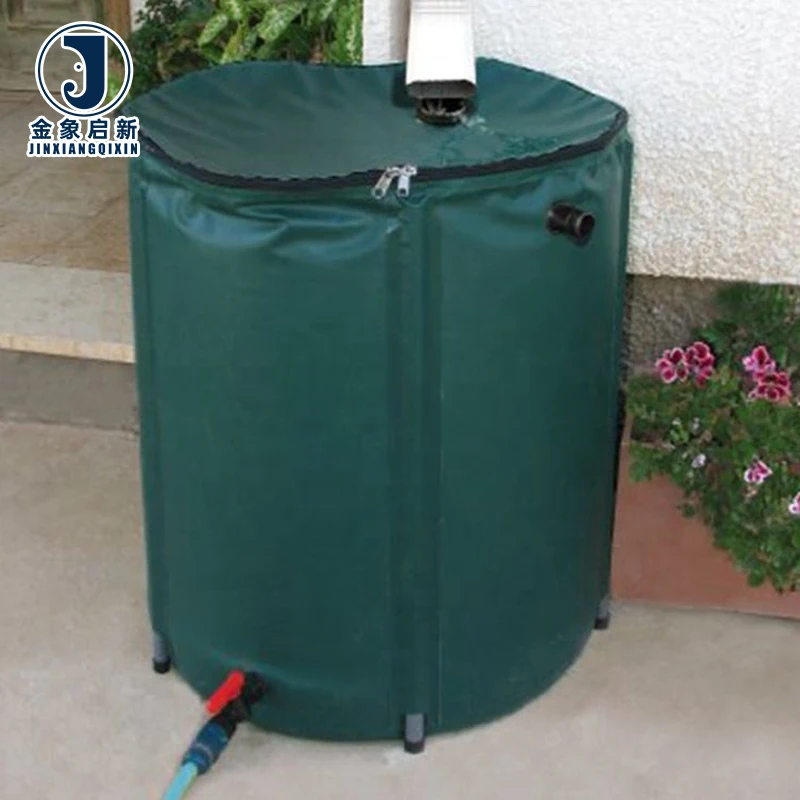
| Garden rainwater collection | Continuous UV exposure, standing water contact, seasonal temperature variation |
| Landscape irrigation supply | Repeated fill-and-drain cycles, abrasion from ground contact, algae and mildew risk |
| Temporary outdoor water storage at remote work camps | Transport flexing, rough terrain puncture risk, rapid deployment without permanent fixtures |
| Agricultural and aquaculture stock water | Extended moisture retention, microbial growth prevention, resistance to organic contamination |
Why "Waterproof" Is Not Enough When Specifying a Collapsible Water Bladder
Seam integrity under hydrostatic load matters more than the fabric’s water column rating alone.
A Collapsible PVC Water Storage Tank manufacturer sees too many field failures that have nothing to do with the membrane itself. When a tank fills to capacity, the hydrostatic pressure pushes outward at every welded joint. If the heat-weld temperature was inconsistent or the dwell time too short, the seam becomes the weakest link. The fabric may hold water perfectly on a flat test sample, yet the tank leaks at the base weld within the first season of use [NEED_CITE: heat-weld peel strength testing methods for PVC coated fabrics]. Buyers sourcing water bladders often request a GSM value and a waterproof confirmation, but rarely ask how the seams were tested under actual fill conditions — leaving the most failure-prone element unverified.
PVC Mesh Cloth Selection for Sustained Water Pressure
The base fabric of this Collapsible Rain Water Tank uses PVC mesh cloth available in 500D and 1000D denier options. The denier value determines the thickness of individual yarns in the woven grid, which directly influences how the material resists puncture and tear propagation when the tank is filled and the walls stretch under water weight. A 1000D base provides higher resistance to abrasion from rough ground surfaces and accidental impact during deployment at construction sites or agricultural operations. The Collapsible PVC Water Storage Tank manufacturer selects the mesh weave density to balance flexibility for folding with dimensional stability when fully pressurized.
Heat-Welded Construction and Structural Framework
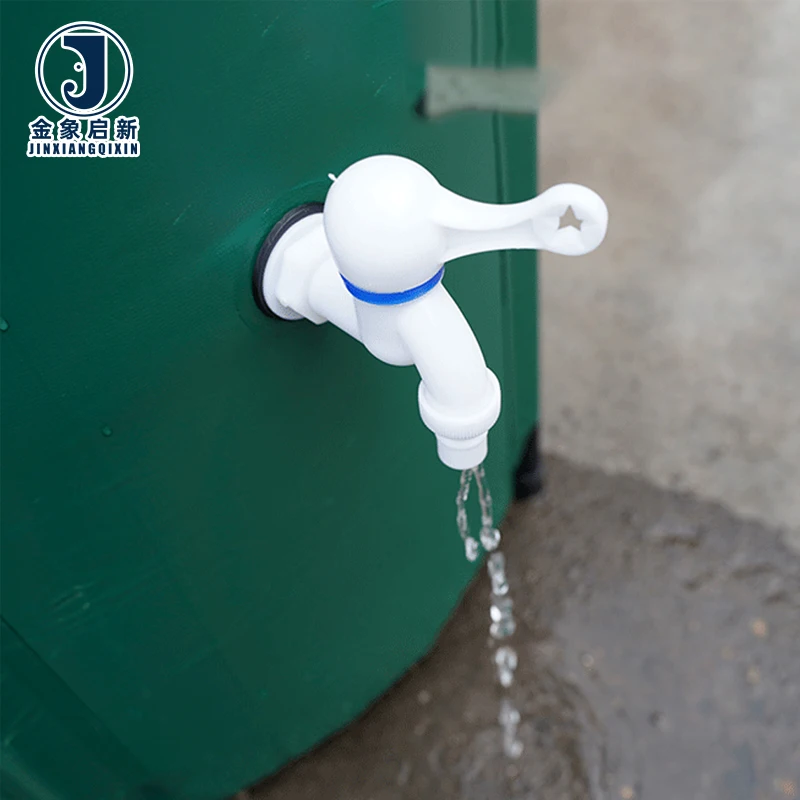
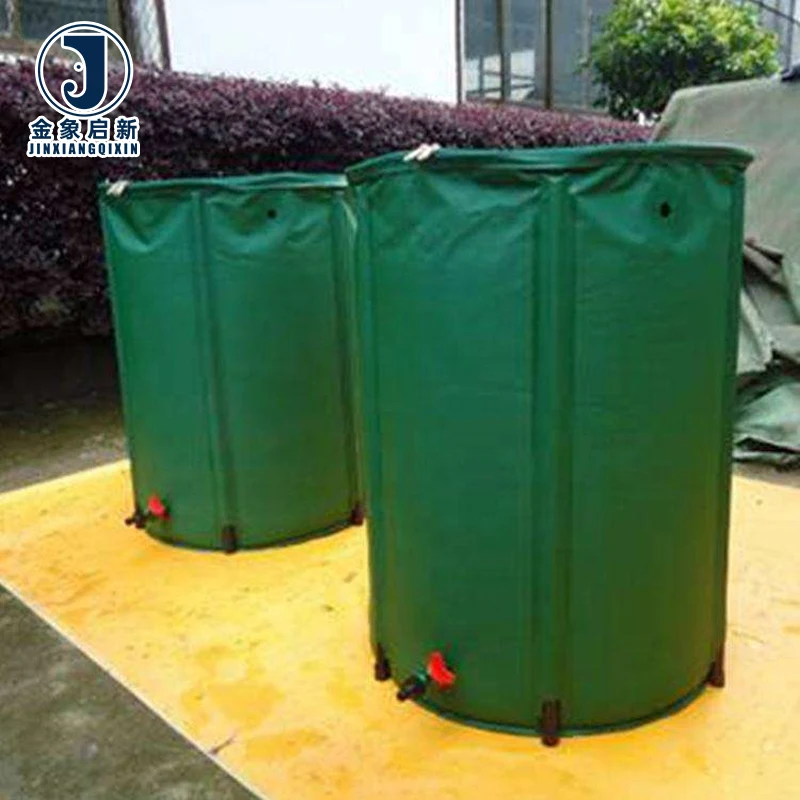
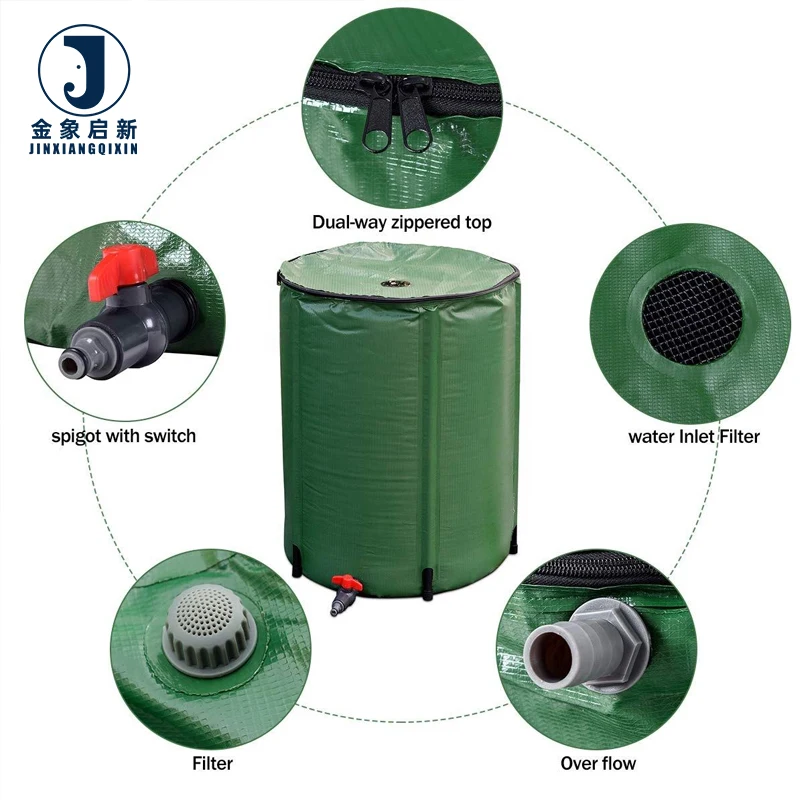
The PVC support rod framework gives the tank a free-standing structure without requiring an external metal or plastic frame. This design allows the unit to fold flat during off-season storage and deploy in minutes when rainwater collection resumes. Heat-welded seams replace stitched joints that would otherwise require seam sealing tape and remain vulnerable to needle-hole leakage [NEED_CITE: welded vs stitched seam performance in flexible liquid containment]. The welding process fuses the PVC coating layers together at each panel junction, creating a homogeneous bond that flexes with the tank wall rather than cracking under repeated fill-and-drain cycles. Anti-mildew and anti-bacteria treatments are applied to the coated surface to maintain stored water quality during extended outdoor use.
Denier, Coating Adhesion, and What They Mean for Tank Lifespan
The relationship between base fabric denier and coating adhesion determines how well the PVC layer resists delamination under sustained hydrostatic stress. A 500D mesh provides a lighter, more packable tank suitable for seasonal garden use, while 1000D supports heavier-duty deployment in agricultural or construction environments where ground abrasion and handling wear are constant. The PVC coating must bond fully into the mesh interstices to prevent water from migrating between the coating and base fabric, which causes blistering and eventual delamination. Anti-UV treatment is available to slow polymer degradation from direct sun exposure — confirm the specific UV test basis required for your climate zone. Flame retardant grades are available in varying classifications — confirm the grade required for your market before specifying.
What Happens When Material Specification Is Skipped
Specifying a water tank by capacity and price alone leaves critical performance variables to chance. A tank built with a lighter base fabric than the application demands will show stress whitening at the fold lines and eventually crack at repeated flex points. Anti-UV treatment claimed without a documented test basis may degrade within a single season in high-solar regions, leaving the PVC brittle and prone to splitting. Batch inconsistency in coating thickness can produce tanks that vary in stiffness and colour from one unit to the next, visible when multiple tanks are deployed side by side at a commercial site [NEED_CITE: coating weight consistency across production batches for PVC tarpaulin]. Weld failures that occur months after installation are almost always traced back to process variation during fabrication, not material defect.
Why Source This Water Bladder From Jinxiang
Nearly 30 years of coated fabric production gives our process control a depth that shows in every tank we ship. Three full production lines and 36 sets of professional equipment support volume orders without sacrificing on-time delivery schedules. A 10-person R&D team handles custom capacity development, pattern printing, and material selection for projects that fall outside standard options. Dedicated QA at every production stage — from coating weight verification through final seam leak testing — ensures each Collapsible PVC Water Storage Tank manufacturer order ships with verified performance data. Sample development within days allows buyers to validate fabric weight, weld quality, and support rod fit before committing to full production.
Documentation & Verification
- Material specification sheet stating base fabric denier, PVC coating type, and applied treatments
- Pre-shipment inspection record with seam leak test results documented per unit
- Test reports for anti-UV and flame retardant grades where specified in the purchase order
- ISO and CE certificates included in export documentation package
- Roll and unit packing list with capacity and dimension confirmation
Fabrication, Handling & Storage
- Heat-weld PVC panels at manufacturer-recommended temperature and dwell time for the selected denier grade
- Inspect each welded seam by visual and air-pressure leak test before final assembly of support rods
- Fold tank flat along designated crease lines to avoid random stress marks on the PVC coating
- Store folded units in dry, shaded conditions to prevent UV degradation before deployment
- Clean interior with mild detergent and soft cloth; avoid solvents that attack the PVC coating surface
- Patch minor punctures using compatible PVC repair adhesive and mesh cloth swatch from the same denier family
Requesting a Specification for Your Project
Provide your target capacity, deployment environment, and any water quality or fire compliance requirements so we can recommend the correct base fabric denier and treatment package. If you need custom dimensions beyond the standard 200L to 750L range, share the required footprint and height constraints along with annual volume estimates. Confirm whether you require finished tanks with support rods and fittings or fabricated panels for your own assembly line. Let us know your destination market so we can align UV and flame retardant certifications to local regulations before sampling begins.
Frequently Asked Questions
Q: How is base fabric denier verified on the finished water tank?
A: We provide a material specification sheet with each order stating the base fabric denier and coating type. Buyers can request a fabric swatch cut from the production batch before shipment. Verification follows standard textile denier measurement methods, comparing the sample against the quoted 500D or 1000D specification.
Q: What supports the anti-UV durability claim for outdoor deployment?
A: Anti-UV treatment is applied during the coating process to slow polymer breakdown from sunlight exposure. The specific test basis and exposure rating vary by formulation. We recommend buyers state the UV performance standard required in their market so we can supply matching test documentation with the shipment.
Q: How are welded seams tested before tanks leave the factory?
A: Every welded seam undergoes visual inspection and leak testing during pre-shipment QA. The test verifies that no pinholes or incomplete bonds exist at panel junctions. Inspection results are recorded per unit and included in the shipment documentation so buyers have traceable seam integrity data.
Q: Can custom capacities be produced outside the standard range?
A: Our R&D team develops custom tank sizes based on buyer specifications for capacity, footprint, and height. Lead time depends on complexity and order volume. We produce a sample unit first so buyers can confirm dimensions, support rod fit, and fill behaviour before authorising full production.
Q: How is colour and coating consistency maintained across multiple tanks?
A: All tanks within a single order are produced from the same coating batch using calibrated PVC compound and pigment ratios. In-process QA checks colour and coating weight at intervals during the production run. Pre-shipment inspection records document consistency across the order.