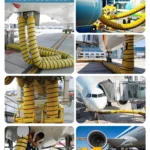


Precision Fabrication for Technical Textiles — Three production lines equipped with specialized coating and lamination systems handle complex multi-layer constructions like insulated PCA ducting, maintaining dimensional accuracy from prototype to bulk run.
Technical Specifications
| Parameter | Value |
|---|---|
| Product Type | Aircraft PCA Air Duct |
| Coating Material | PVC coated fabric |
| Insulation Layer | Aluminum foil bubble film |
| Base Construction | Fabric-reinforced layer |
| Temperature Range | -30°C to 150°C |
| Key Characteristics | Mildew resistance, water resistance, high tensile strength |
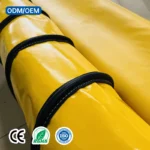
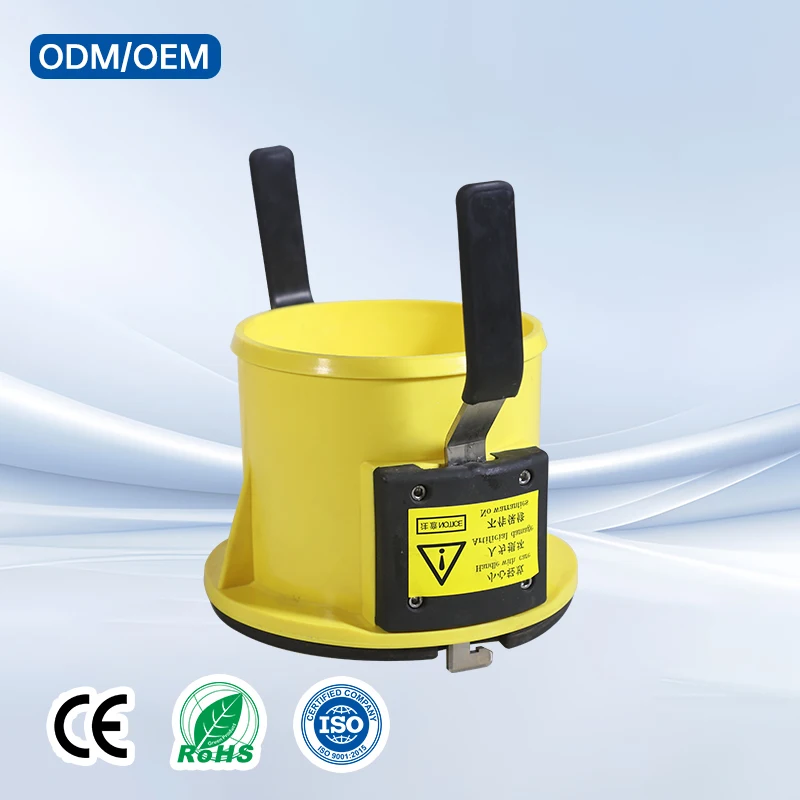
| Connection System | Zipper and Velcro link |
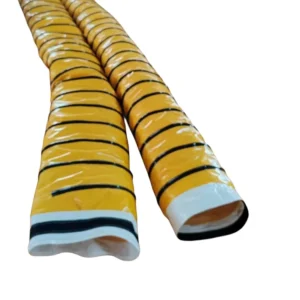
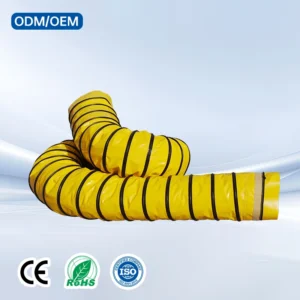
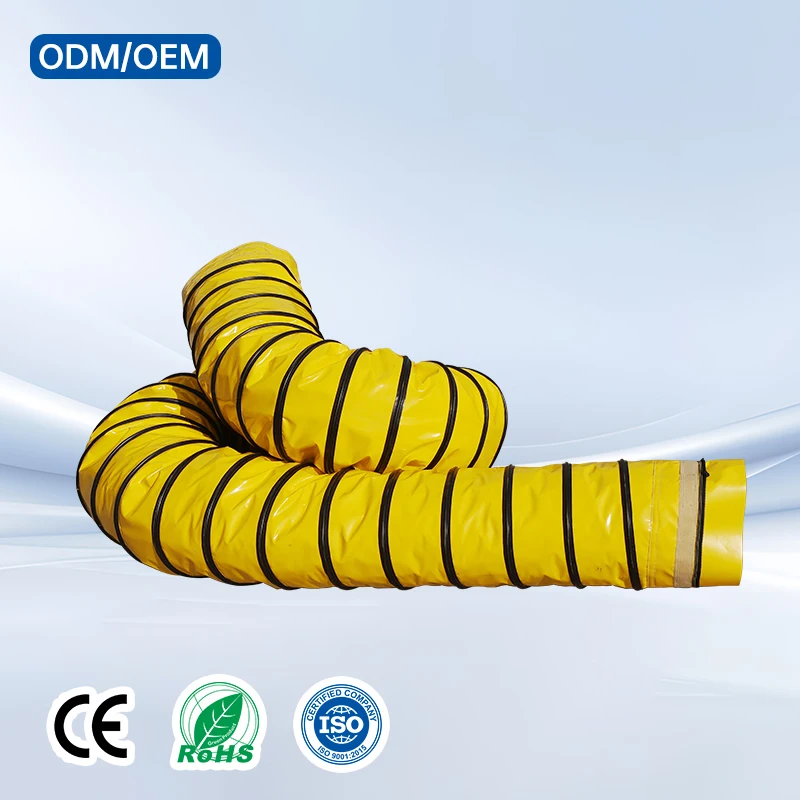
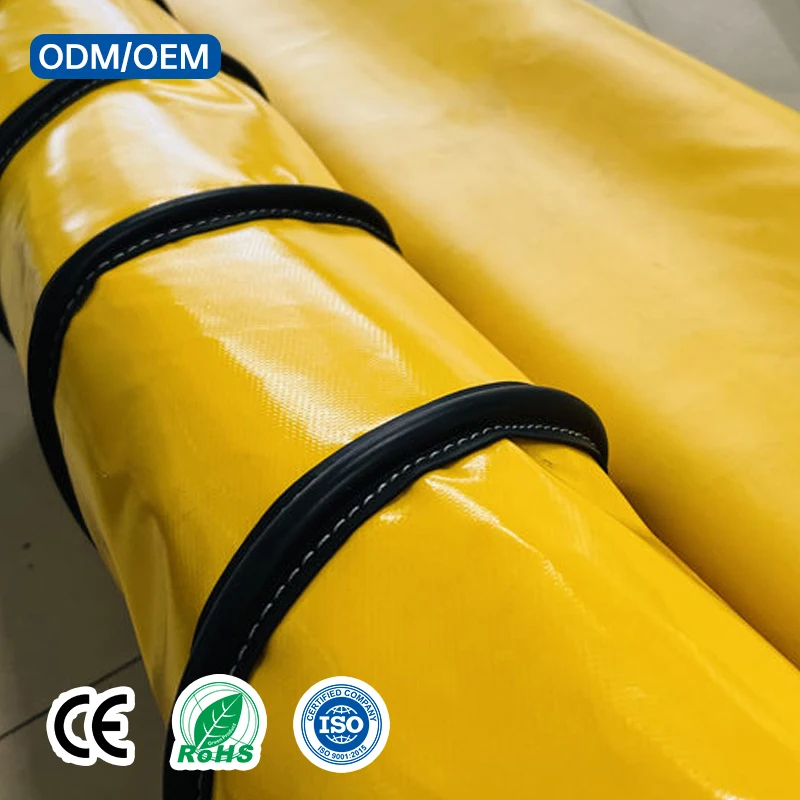
| Outer Layer Color | Yellow-black alternating protective coloring |
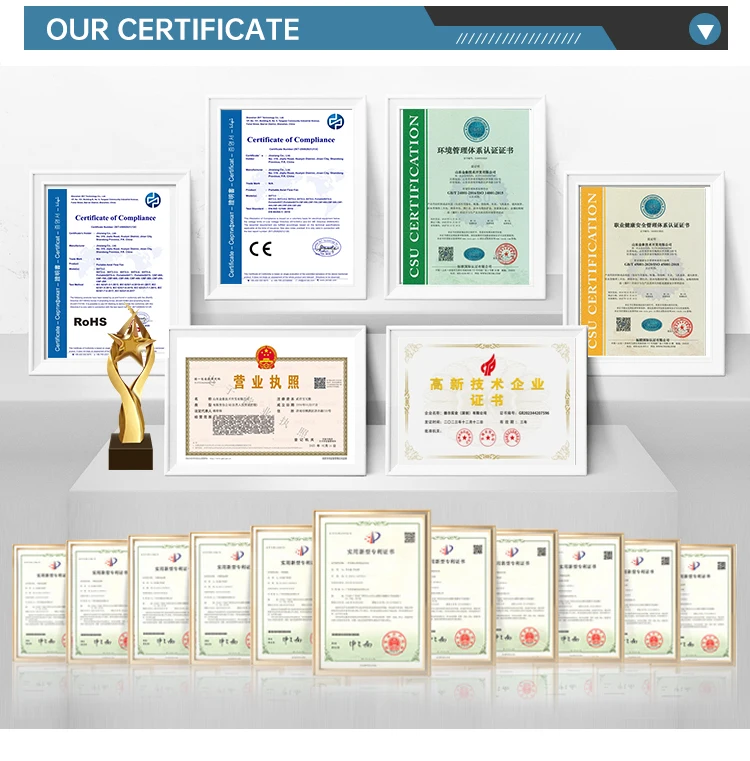
| Certification | ISO, CE |
| Logo Customization | Available, MOQ 100 |
| Pattern Customization | Available, MOQ 100 |
Application Suitability
| Application | Exposure & Requirement |
|---|---|
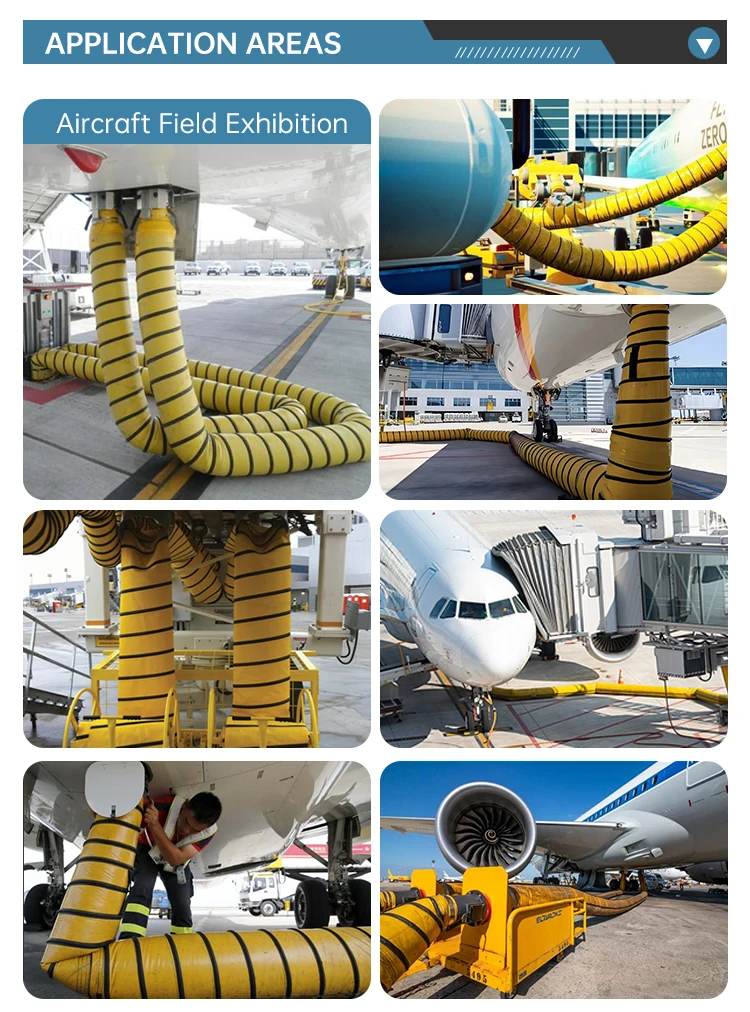
| Airport apron PCA unit connection | Extreme temperature differential from pre-conditioned air, continuous flexing during aircraft turnaround, ground vehicle traffic proximity |
| Aircraft cabin pre-conditioning ducting | Thermal insulation to maintain air temperature over extended hose runs, rapid deployment and stowage between flights |
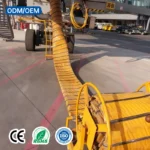
| Ground support equipment fleet replacement | Abrasion from apron surface contact, UV exposure during outdoor staging, high-visibility marking for ground crew safety |
| Aviation maintenance facility air supply | Repeated compression and expansion cycles, mildew risk in humid hangar environments, connection compatibility across multiple aircraft types |
Why Insulation Integrity Matters More Than Outer Fabric Weight on Aviation Ducts
Thermal transfer through an uninsulated or poorly insulated PCA hose forces the ground cooling unit to work harder, increasing energy draw and risking cabin temperature non-compliance before turnaround deadlines.
When a duct transmits pre-conditioned air across thirty meters of sun-baked apron, the insulation layer carries the thermal burden — not the outer PVC shell. A heavy outer fabric with a thin or compromised insulation layer will still deliver air at the wrong temperature [NEED_CITE: thermal conductivity requirements for pre-conditioned air delivery systems]. Buyers reviewing quotations often focus on outer fabric weight or coating thickness while the insulation specification receives less scrutiny. The aluminum foil bubble film layer in this Aircraft PCA Air Duct addresses that gap by reflecting radiant heat and trapping air within the bubble structure, maintaining the temperature differential between the PCA unit output and the aircraft cabin interface throughout the delivery run.
How Multi-Layer Construction Supports Apron Temperature Compliance
The PVC coated outer fabric handles mechanical exposure — abrasion against the apron surface, contact with ground vehicles, and the flexing that occurs each time the duct is deployed or repositioned around wing structures. Beneath that shell, the fabric-reinforced layer adds dimensional stability so the duct holds its circular cross-section under positive air pressure rather than collapsing at bend points. The aluminum foil bubble film insulation sits between these structural layers, protected from direct mechanical damage while performing its thermal function. This Aircraft PCA Air Duct configuration balances mechanical durability with the insulation performance that apron operations demand.
Connection Hardware That Matches Turnaround Speed Requirements
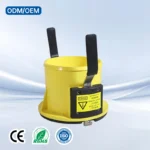
Airport turnaround windows compress all ground servicing into tight intervals. A duct that requires clamps, bolts, or threaded fittings at each connection point adds minutes that operations managers cannot afford. The zipper and Velcro link system on this aviation cooling duct enables a single operator to join sections or connect to the aircraft cabin interface without tools. The high-visibility yellow-black alternating outer coloring serves a dual function: ground crew can identify the duct routing in low-light or congested apron conditions, and the color pattern signals that the hose carries conditioned air rather than exhaust or other services [NEED_CITE: airport apron ground support equipment color coding standards].
What Temperature Range and Insulation Composition Mean for Real Apron Conditions
The stated -30°C to 150°C operating window covers the full range of climates where aircraft operate, from winter apron conditions in northern latitudes to midday summer heat on Gulf or Southeast Asian tarmacs. The aluminum foil bubble film insulation layer works through two mechanisms: the foil surface reflects radiant heat gain from direct sun exposure on the outer duct surface, while the trapped air pockets within the bubble film resist conductive heat transfer. The PVC coated outer layer contributes mildew resistance, which matters in tropical or maritime airport environments where the duct may be stored outdoors between uses and exposed to high humidity. Fabric reinforcement within the construction prevents the insulation layer from compressing under the duct’s own weight when laid flat, preserving the insulating air gap.
What Happens When Duct Specifications Do Not Match Apron Reality
A duct rated for a narrower temperature band will stiffen in cold conditions, making it difficult to unroll and connect before the first flight of the day. In high ambient heat, inadequate insulation allows the pre-conditioned air to absorb thermal energy across the hose run, arriving at the aircraft cabin warmer than the PCA unit delivered it. This forces extended cooling times or triggers temperature alarms at the aircraft interface. Ducts lacking high-visibility coloring create trip and snag hazards during night operations or in congested ramp areas where multiple ground services operate simultaneously around the same aircraft [NEED_CITE: ground support equipment incident reporting data from aviation safety authorities].
Why Procurement Teams Source This Aviation Duct Here
Nearly thirty years of coated fabric processing experience translates into consistent lamination quality across the multiple layers that this PCA hose requires — the bond between the PVC outer layer, the fabric reinforcement, and the insulation must survive repeated flexing without delamination.
Ten-person R&D capability supports custom diameter, length, and connection fitting development when standard configurations do not match a specific airport’s PCA unit fleet or aircraft types served.
Dedicated QA/QC at every production stage with full pre-shipment inspection catches seam defects, insulation gaps, or connection hardware misalignment before the duct leaves the facility.
Three full production lines with thirty-six sets of professional equipment provide capacity to fulfil fleet replacement orders across multiple airport stations within a single delivery window.
ISO and CE certification supports customs clearance and airport authority compliance documentation when ducts are shipped internationally to ground support equipment distributors or directly to airline operations.
Documentation & Verification
- Material specification sheet stating base fabric construction, PVC coating weight, and insulation layer composition
- ISO and CE certificates supporting airport authority and customs compliance requirements
- Pre-shipment inspection record covering seam integrity, insulation continuity, and connection hardware function
- Certificate of origin for international ground support equipment procurement and import clearance
Fabrication, Handling & Storage
- Heat-weld seams using temperature and dwell settings matched to the PVC coating thickness to prevent insulation layer damage at joints
- Store coiled ducts in shaded, dry conditions to preserve the aluminum foil bubble film insulation integrity and prevent mildew on the outer PVC surface
- Avoid compressing stacked ducts under heavy loads, which can permanently flatten the bubble film insulation and reduce thermal performance
- Inspect zipper and Velcro connections before each deployment to ensure positive engagement under positive air pressure
- Clean outer PVC surface with mild detergent only; solvents may degrade the coating and compromise mildew resistance
What to Include in Your PCA Duct Enquiry
Specify the aircraft types and PCA unit models the duct must connect to, including interface diameter and connection method requirements. Confirm the fire-retardant and anti-static certification standards required by the airport authority or airline operator at your destination. Provide expected order volume and whether custom logo or pattern printing is needed, noting the MOQ 100 threshold for customization. Indicate the operating climate range to confirm the temperature specification covers your apron conditions year-round.
Frequently Asked Questions
Q: What fire-retardant and anti-static certifications are available for aviation PCA hose compliance?
A: The duct carries ISO and CE certification. Fire-retardant and anti-static test reports are available in grades applicable to aviation ground support equipment — confirm the specific classification required by your airport authority or airline operator so we can match the correct material grade and provide supporting documentation with shipment.
Q: How is the insulation layer constructed and what temperature range does it sustain?
A: The insulation consists of aluminum foil bubble film laminated between the PVC coated outer fabric and the fabric-reinforced structural layer. This construction sustains an operating temperature range of -30°C to 150°C, with the foil surface reflecting radiant heat and the bubble structure resisting conductive transfer across the hose wall.
Q: Can the duct diameter, length, and end fittings be customized to specific aircraft models?
A: Yes. The R&D team develops custom configurations based on the aircraft cabin air conditioning interface and the PCA unit connection specifications you provide. Samples are produced for fitment verification before bulk production proceeds, ensuring the duct deploys correctly on your specific ground support equipment.
Q: What is the MOQ for custom printing, branding, and color on PCA hose orders?
A: Logo customization, pattern printing, and customized outer packaging are all supported with a minimum order quantity of 100 units per variant. This threshold applies to each distinct print design or branding layout required across your ground support equipment fleet or distribution network.
Q: How are seams and joints reinforced to prevent failure under air delivery pressure?
A: Seams are heat-welded with parameters calibrated to the PVC coating specification, and the zipper and Velcro connection system distributes mechanical stress across a broad engagement area rather than concentrating load at a single fastener point. Pre-shipment inspection verifies seam continuity and connection hardware engagement before dispatch.