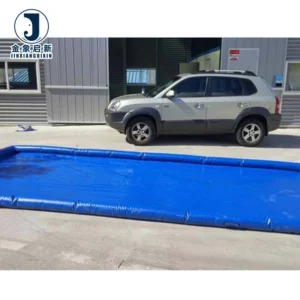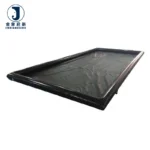
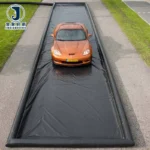
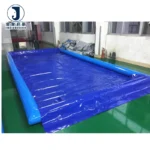
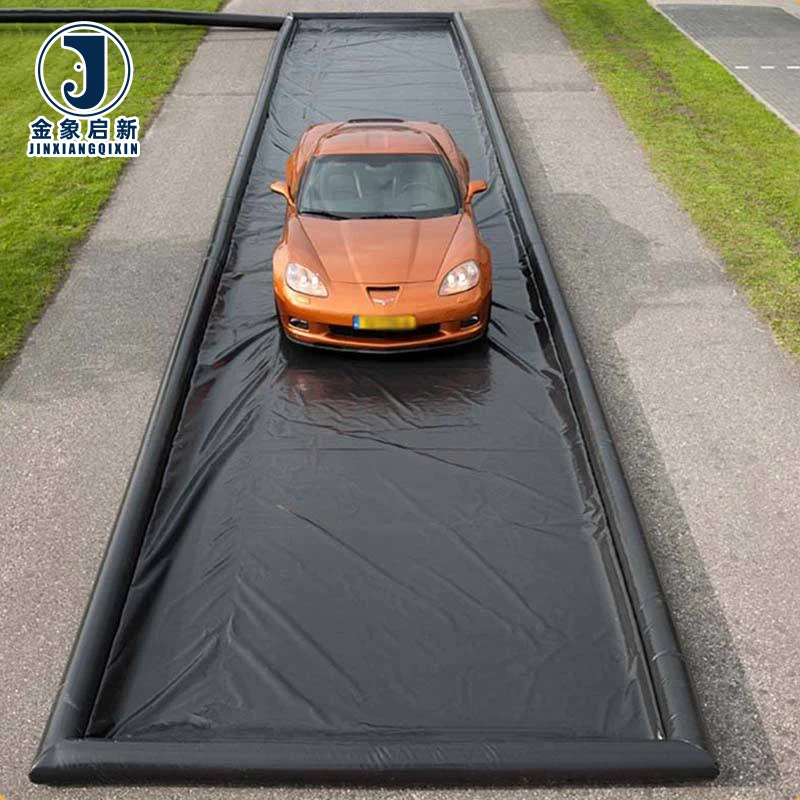
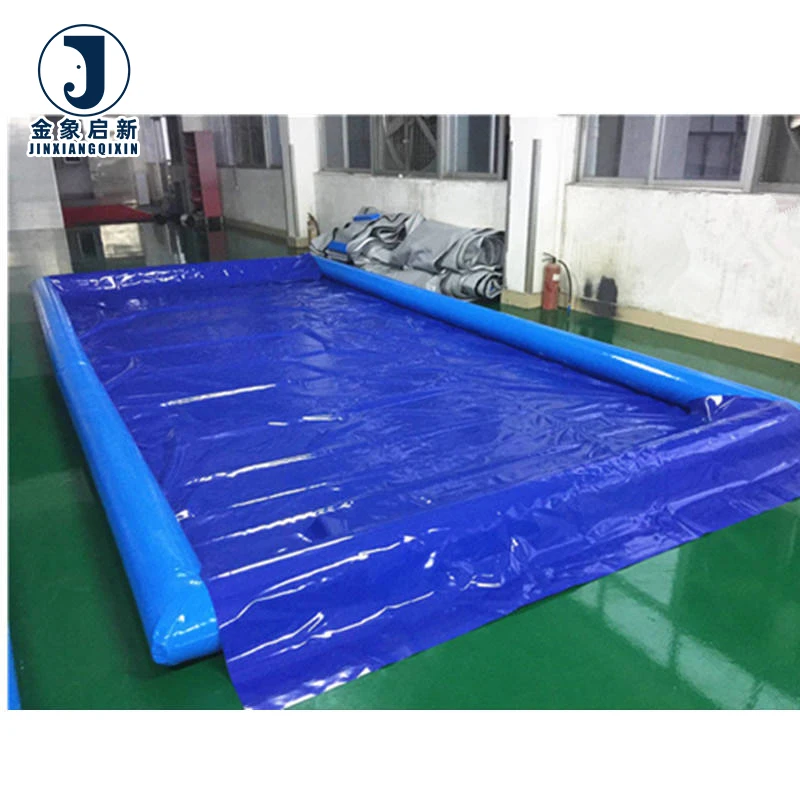
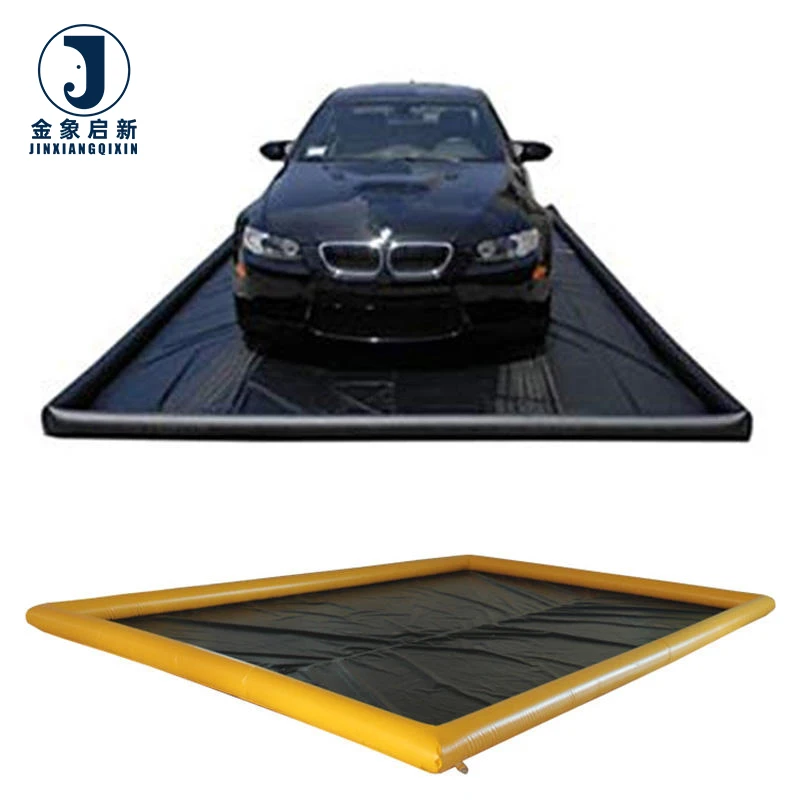
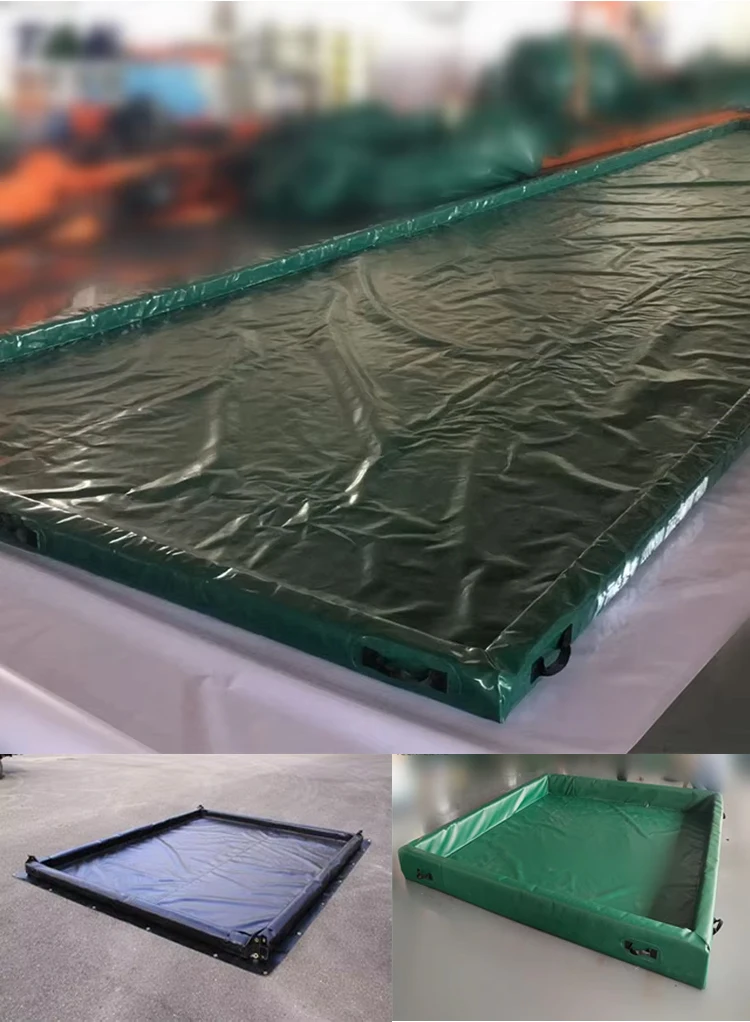
Specialist Compliance Focus — Our wash bay containment mats are built from the same process-controlled coated fabric we engineer for mining and aviation ventilation systems, where material certification is non-negotiable.
Technical Specifications
| Parameter | Value |
|---|---|
| Product Type | Wash Bay Containment Mat |
| Material | PVC Tarpaulin |
| Fabric Construction | Plain Woven Warp |
| Weight | 900gsm |
| Edge Construction | Foam barriers |
| Surface Finish | Anti-slip surface |
| Waterproof | Yes |
| UV Treatment | UV Stabilized (test basis not stated — confirm UV rating for your site exposure class) |
| Eco-Friendly | Claimed (verify against material safety data sheet for your market) |
| Custom Size | Available |
Application Suitability
| Application | Exposure & Requirement |
|---|---|
| Mining & tunnelling site vehicle wash-down bays | High-frequency heavy vehicle traffic, chemical wash-down agents, environmental compliance for runoff capture |
| Aviation ground support equipment wash facilities | Jet fuel and hydraulic fluid spill capture, strict regulatory containment standards, semi-exposed outdoor conditions |
| Dealership and commercial fleet service centres | Daily vehicle detailing, soapy water and oil runoff, indoor or covered bay environments |
| Agricultural and construction equipment cleaning stations | Mud and debris abrasion, high-volume water use, outdoor UV exposure |
Why Certified Containment Matters More Than Quoted Weight Alone
A mat that fails regulatory audit costs more than replacing the entire wash bay floor.
When sourcing a PVC Wash Bay Containment Mat, buyers often focus on the 900gsm weight as the primary indicator of durability. Yet in regulated industrial environments, the documented test basis for chemical resistance, fire classification and UV stability determines whether the mat passes site inspection or triggers a costly shutdown. We have seen containment systems specified purely on GSM fail environmental audits because the fire-retardant grade was never formally declared against the local standard [NEED_CITE: fire classification requirements for industrial wash bay flooring materials]. The PVC Wash Bay Containment Mat fire retardant option is available — confirm the grade required for your market and the test standard your site demands before placing a production order.
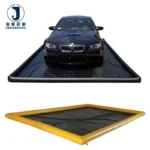
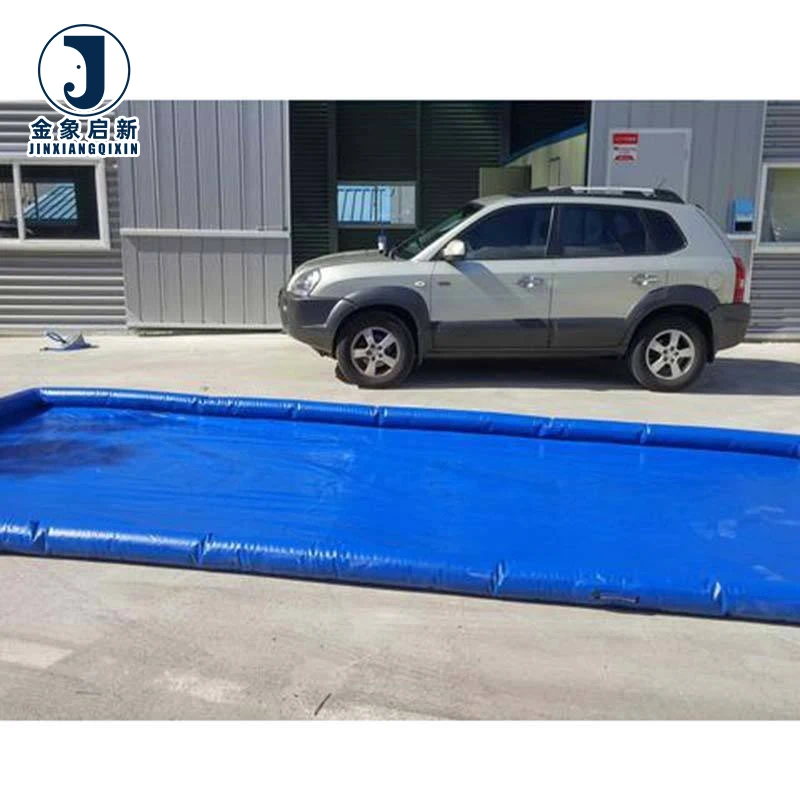
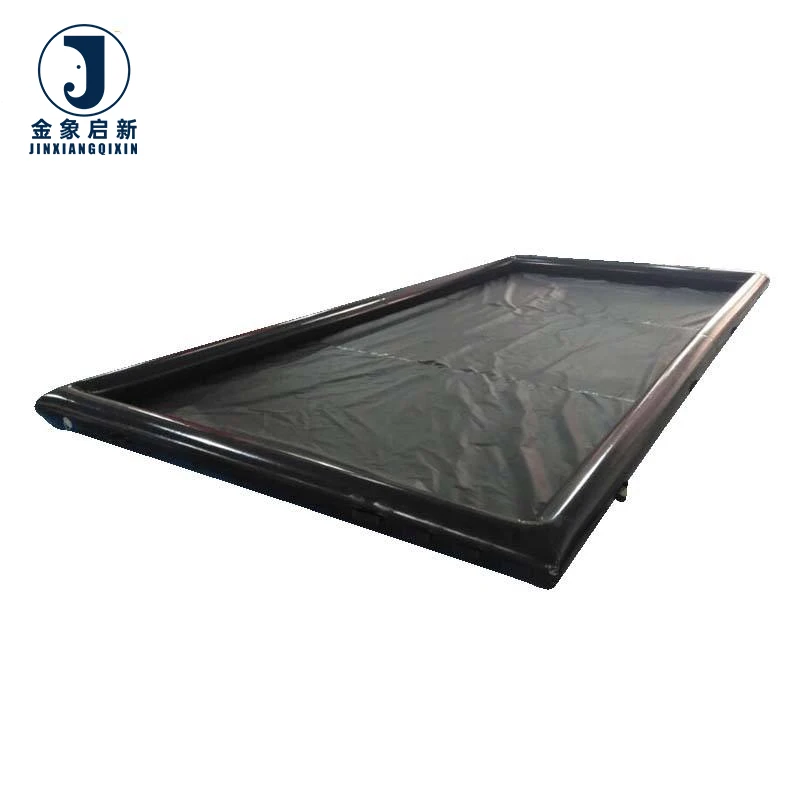
Foam-Edge Barrier Construction for Regulated Spill Capture
The defining feature of a containment mat versus a standard floor cover is its ability to hold liquid within a defined perimeter. Our foam-edge barriers are welded directly to the PVC Wash Bay Containment Mat surface, creating a continuous bund that captures wash water, oil residue and chemical run-off before it reaches the shop floor drain system. This construction is critical in mining and aviation facilities where environmental regulators mandate documented spill capture capacity per bay.
Anti-Slip Surface Under Continuous Wet Conditions
Operator safety in a wash bay is a compliance issue, not just a preference. The anti-slip surface finish on this PVC Wash Bay Containment Mat maintains traction under soapy water, degreaser solution and high-pressure spray conditions. For facilities subject to workplace safety audits, specifying a documented surface friction rating helps demonstrate due diligence during inspection — request the test basis that applies to your jurisdiction [NEED_CITE: anti-slip flooring test methods for wet industrial environments].
Reading the 900gsm Specification in Context
The stated 900gsm weight reflects the combined mass of the PVC coating and the plain woven warp base fabric. In coated technical fabrics, the base fabric denier and weave density govern tensile and tear resistance, while the coating weight governs puncture resistance, chemical barrier performance and weld-ability. A 900gsm mat with a dense plain woven warp base will resist tearing under repeated vehicle traffic far better than a mat at the same weight built on a loose, low-denier scrim. When evaluating containment mats, request the base fabric specification alongside the total GSM to understand how the weight is distributed between structural yarn and protective coating. The foam-edge barriers add localized thickness at the perimeter, which must be accounted for when specifying ramp transitions at bay entry points.
The Cost of Unverified Material Declarations
Facilities that accept containment mats without verifying the material specification sheet on arrival face two recurring failures. First, the GSM measured on-site falls below the quoted grade, meaning the mat wears through at vehicle entry points within months rather than years. Second, the UV stabilization or fire-retardant treatment claimed on the quotation has no supporting test report, leaving the buyer exposed when an auditor requests documentation [NEED_CITE: pre-shipment inspection protocols for coated fabric weight verification]. These failures are preventable when the buyer insists on a material spec sheet and test report before production begins.
Procurement Advantages for Compliance-Driven Buyers
Our 10-person R&D team handles custom sizing and foam-edge configuration, developing samples within days so you can verify barrier height and surface grip before committing to a production run. Dedicated QA/QC runs at every production stage with 100% inspection before shipment, catching seam weld defects at the foam-edge junction where flex stress concentrates. Three full production lines and 36 sets of professional equipment support bulk orders with consistent coating weight across every roll. ISO and CE certified processes underpin the documentation trail your site auditor requires. Deep process control over coating adhesion means the PVC layer will not delaminate from the base fabric under repeated vehicle loading and chemical exposure.
Documentation & Verification
- Material specification sheet stating 900gsm weight, base fabric weave and PVC coating formulation
- UV stabilization test report where applicable — request documented test basis for your exposure class
- Pre-shipment inspection record covering seam weld integrity at foam-edge perimeter joints
- Certificate of origin and full customs documentation for international wash bay site delivery
- Roll packing list with GSM verification per production batch before dispatch
Fabrication, Handling & Storage
- Heat-weld foam barriers at perimeter seams using temperature settings matched to 900gsm PVC coating weight
- Store rolls flat or upright on cores to prevent permanent creasing in the plain woven warp base fabric
- Allow mat to acclimatize before unrolling in cold conditions to avoid stiffness-induced cracking at foam edges
- Use pH-neutral cleaners on the anti-slip surface to preserve surface texture and coating adhesion
- Repair punctures with compatible PVC patch material heat-welded to match the 900gsm coating thickness
What to Include in Your Inquiry
Provide the exact wash bay dimensions and the number of connected bays so we can specify custom mat sizes and foam-edge layout. State the fire-retardant or chemical-resistance classification your local regulator requires, along with any applicable test standard. Confirm whether the installation environment is fully enclosed, semi-exposed or open-air so we can align the UV stabilization treatment to your actual exposure conditions.
Frequently Asked Questions
Q: How is the 900gsm weight verified and what should I check on arrival?
A: Our production process controls coating weight at every stage, and we provide a material specification sheet stating the 900gsm grade before shipment. On arrival, cut a measured sample from the roll edge, weigh it and compare against the stated GSM. We recommend verifying weight before installation to resolve any discrepancy while the batch documentation is still open for review.
Q: What UV test basis supports the UV Stabilized claim and how do I match it to my site?
A: The UV Stabilized designation is applied to the PVC compound during production, but the specific test basis and exposure rating should be confirmed for your installation environment. Open-air wash bays in high-UV regions require a higher stabilization class than covered or indoor facilities. Request the test report and match the rating to your local solar exposure data before ordering.
Q: Can custom sizes and foam-edge heights be specified for non-standard wash bay layouts?
A: Yes. Our R&D team develops custom-sized mats with foam-edge heights configured to your bay dimensions and expected liquid volume. We produce samples within days so you can verify the barrier height, surface grip and fit before full production proceeds. Connected multi-bay layouts can be specified as a single continuous mat or as interlocking sections.
Q: What fire-retardant certifications are available for regulated industrial wash environments?
A: Fire-retardant grades are available for this containment mat — confirm the specific classification your site requires, such as the standard applicable to your jurisdiction. We supply test reports matched to the declared grade. For facilities near welding operations or in classified zones, specify your fire safety requirement at inquiry stage so the correct compound is selected.
Q: How are welded seams tested to prevent failure under repeated vehicle traffic?
A: Perimeter seams where foam barriers meet the 900gsm PVC base are the highest-stress joints on a containment mat. Our 100% pre-shipment inspection includes weld integrity checks at these junctions, where repeated vehicle entry and flex loading concentrate force. We verify coating adhesion and seam continuity so the weld does not fail before the fabric itself reaches end of service life.