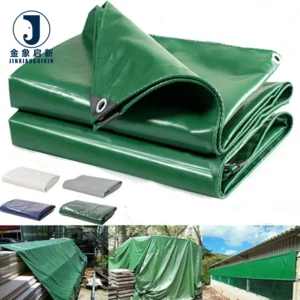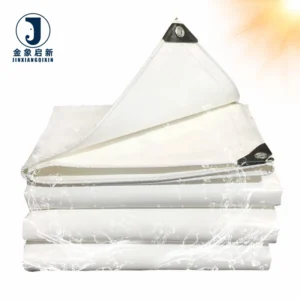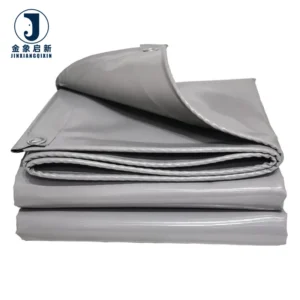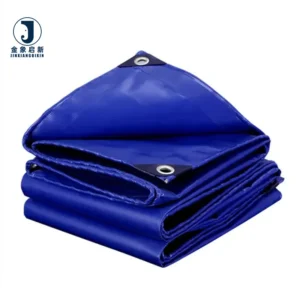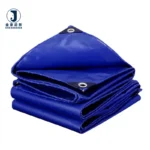



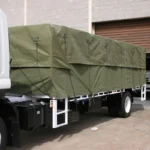
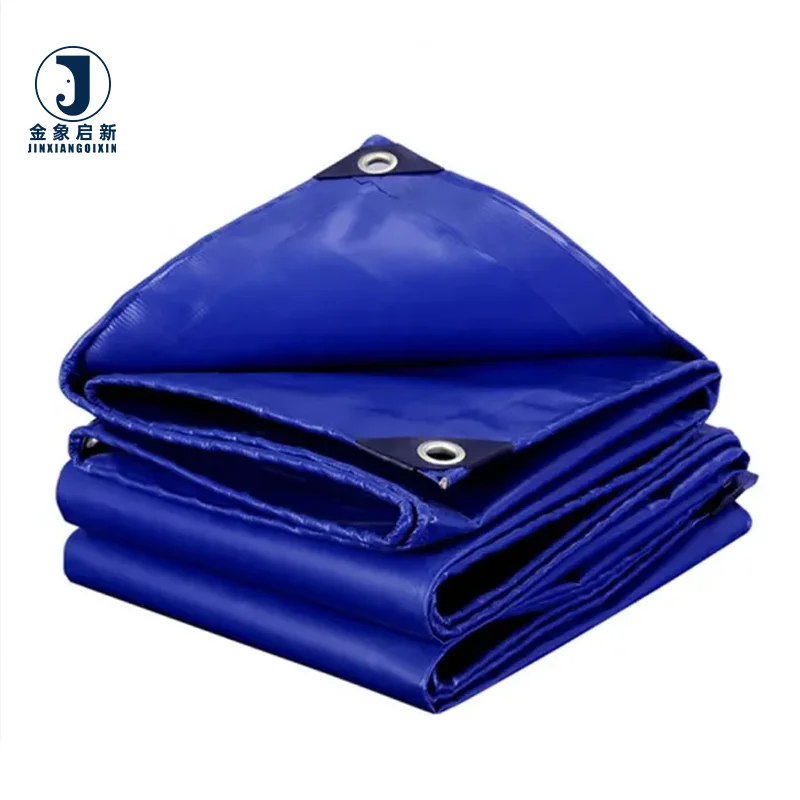
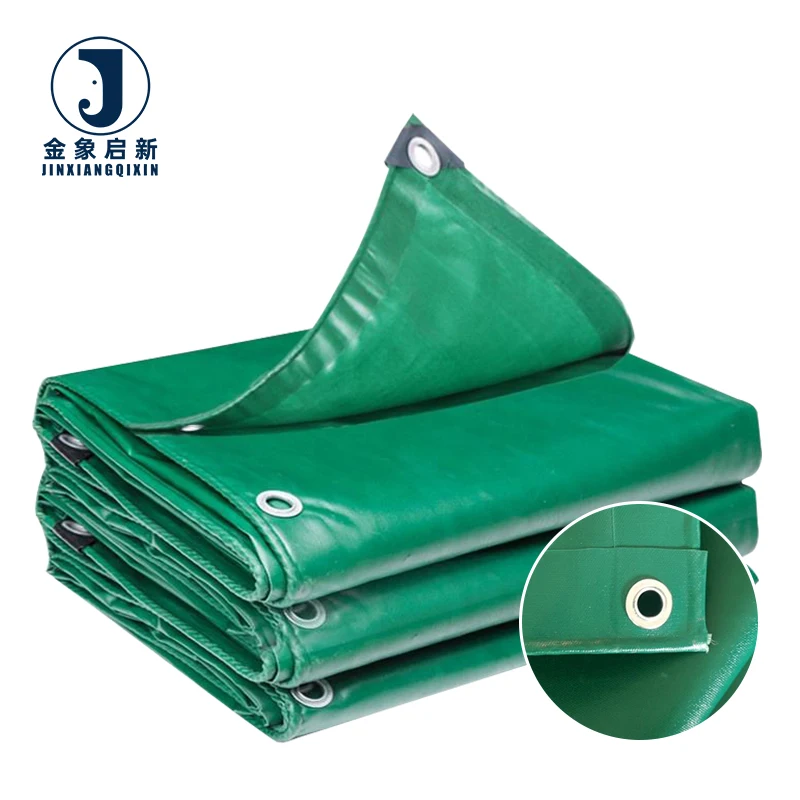
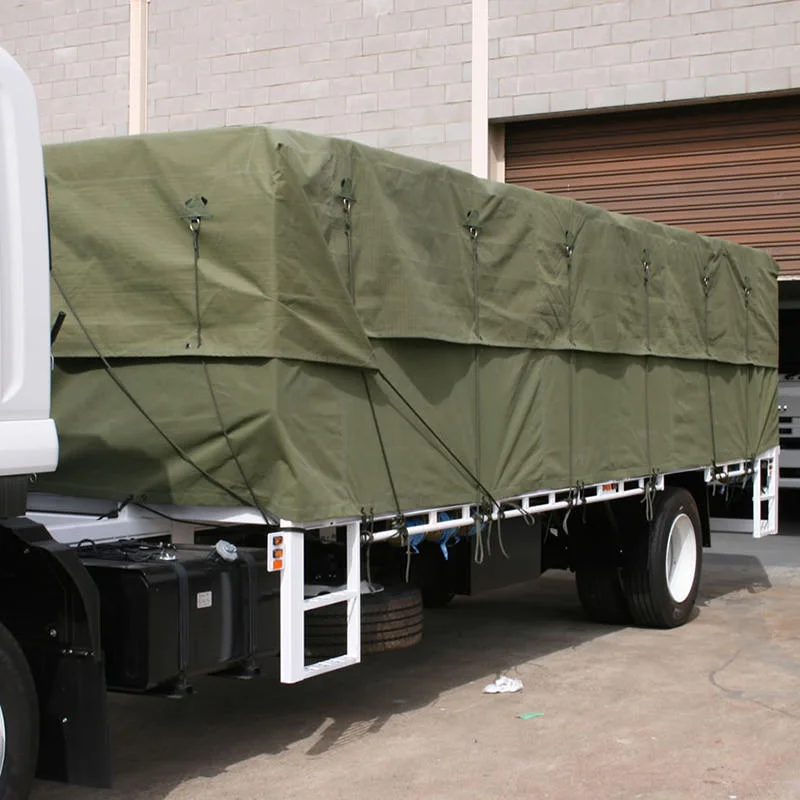
Controlled Coating Adhesion — three full production lines with in-process peel-strength checks ensure the laminated and hot-melt PVC layers bond reliably to the high-strength polyester mesh base, reducing delamination risk at welded seams in technical structures.
Technical Specifications
| Parameter | Value |
|---|---|
| Product Type | PVC Knife-Coated Fabric |
| Base Fabric | High-strength polyester mesh fabric |
| Coating Material | PVC |
| Coating Method | Laminated technology & Hot-melt Coating technology |
| Weight Options | 350gsm, 420g, 500gsm, 550gsm, 600gsm, 750gsm |
| Total Thickness | 0.32mm, 0.35mm, 0.4mm, 0.45mm, 0.5mm, 0.65mm |
| Roll Width | 2m, 2.1m |
| Roll Length | 75m (2m width), 50m (2.1m width) |
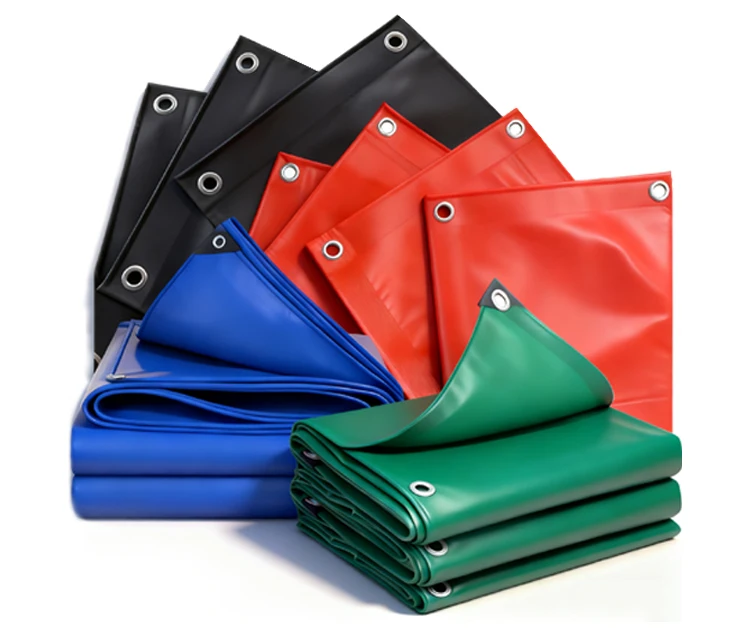
| Color | Blue, Red, Yellow, Light blue, Grey (Customized) |
| Key Features | Cold Crack Resistance, Anti-Mildew, Waterproof, Sunproof, Anti-Static treatment (surface resistance grade not stated — confirm standard required for your market) |
| Flame Retardant | Available in flame retardant grades — confirm the grade required for your market |
| UV Treatment | Sunproof (test basis not stated in source — request test report for project compliance) |
| Service Life | 3-7 years under normal circumstances (verify against specific installation conditions) |
| Finish Product Size | Custom items as per customer’s needs or sold by inventory |
| Certifications | ISO, CE (company-level) |
Application Suitability
| Application | Exposure & Requirement |
|---|---|
| Inflatable and membrane structures | Continuous tensile load, wind flutter, UV exposure, airtight welded seams |
| Specialist ventilation ducts (mining, tunnelling) | Drag abrasion on tunnel floors, anti-static surface requirement, flexing around bends |
| Technical protective covers | Outdoor weathering, repeated handling and folding, equipment shape conformity |
| Temporary containment enclosures | Chemical splash resistance, rapid deployment, structural frame tension |
| Aviation ground support structures | Low-temperature flexibility, fire-safety compliance on aprons, frequent relocation |
When "Fire Retardant" on the Quotation Fails at the Gate
Request the specific test standard and certificate before confirming the order — a generic claim without documentation causes project delays.
Mining and tunnelling contractors routinely specify PVC coated tarpaulin industrial air duct and specialist fabric for ventilation runs, yet the fire-retardant or anti-static grade required by the site safety officer often does not match the material that arrives. The duct fails the pre-commissioning inspection, the contractor faces standstill costs, and the supplier scramble to re-ship compliant stock begins. [NEED_CITE: fire classification standards for ventilation ductwork in underground mines] The gap between a quotation line that reads "FR treated" and a certificate naming the exact standard — such as a local mining regulation or a building code classification — is where most of these failures originate.
Coating Adhesion and Weld Integrity
The laminated and hot-melt coating technology used on this PVC knife-coated fabric creates a mechanical and thermal bond between the PVC layers and the polyester mesh base. When the fabric is heat-welded to form duct seams or membrane joints, the weld line must hold at least as strongly as the coating-to-yarn adhesion. If the coating delaminates under peel stress, the weld fails before the base fabric reaches its tensile limit, and the duct splits along the seam under positive pressure.
Anti-Static Behaviour in Confined Environments
In underground ventilation or fuel-handling enclosures, static charge accumulation on PVC coated tarpaulin industrial air duct and specialist fabric surfaces can ignite airborne particulates or vapours. Anti-static treatment is available on this material, but the surface resistance value — typically measured in ohms per square — must be specified against the site’s safety standard before production runs. [NEED_CITE: surface resistivity test methods for anti-static flexible fabrics] Confirming the target range with the supplier and requiring a test certificate per batch avoids rejection at the commissioning stage.
Reading the Weight and Thickness Grades
The six weight grades — from 350gsm to 750gsm — correspond to thickness values from 0.32mm to 0.65mm, but weight alone does not predict tensile or tear strength. The base fabric denier, yarn count per centimetre, and weave pattern determine how load distributes across the mesh; a heavier coating on a sparse mesh may add mass without proportional strength gain. The coating method also matters: laminated technology typically yields higher peel strength than simple knife-over-roll, making it preferable for welded duct seams where the joint undergoes cyclic flexing. Selecting a grade requires matching both the structural load and the fabrication method to the GSM and thickness combination, rather than choosing on weight alone.
The Cost of Overlooking Batch Consistency
When multiple rolls of PVC coated tarpaulin industrial air duct and specialist fabric are ordered for a single membrane structure or a continuous ventilation run, colour variation between rolls becomes visible once panels are installed side by side. Beyond aesthetics, inconsistent coating weight across rolls leads to uneven weld parameters — the heat and pressure settings that seal one panel cleanly may burn through or under-fuse the next. [NEED_CITE: roll-to-roll consistency challenges in PVC coated fabric production] Requesting a pre-production sample from the exact batch and documenting weld test results before full fabrication prevents costly re-work on site.
Why Source This Fabric Here
Nearly 30 years of focused coated-fabric production provides deep process control over coating weight and adhesion across the full GSM range. Three full production lines and 36 sets of professional equipment support bulk orders with consistent lead times, while a 10-person R&D team handles material selection, custom sizing, and sample development for specialist applications. Dedicated QA/QC runs at every production stage, culminating in 100 percent pre-shipment inspection — critical when anti-static or flame-retardant grades must be verified before the rolls leave the factory. Samples for custom requirements are typically developed within days, allowing technical buyers to validate weld performance and colour accuracy before committing to full production.
Documentation & Verification
- Material specification sheet stating exact GSM, base fabric denier, coating method, and colour reference per roll
- UV and flame-retardant test reports citing the specific standard applicable to the ordered grade
- Anti-static surface resistance certificate where treatment is specified for confined-environment use
- Pre-shipment inspection record confirming weight verification and visual consistency across the batch
- Roll packing list with individual roll IDs traceable to production batch and coating run
- Certificate of origin and customs documentation for cross-border specialist fabric shipments
Fabrication, Handling & Storage
- Heat-weld seams at temperatures matched to the selected GSM grade — heavier grades like 750gsm require higher dwell times for full penetration
- Store rolls upright on cores in a shaded, ventilated area to prevent flat-spotting on the 0.65mm thickness variants
- Allow cold-stored rolls to acclimatise before unrolling to avoid coating micro-cracking below the cold crack resistance threshold
- Use compatible PVC-based adhesives for patch repairs on site, matching the laminated or hot-melt coating chemistry
- Plan panel cutting layouts around the 2m or 2.1m roll widths to minimise off-cuts and transverse weld seams
Before You Request a Quotation
Share the specific application — ventilation duct, membrane roof, or containment enclosure — along with the environmental conditions it will face, including temperature range and any fire-safety or anti-static standards enforced on site. Specify the target GSM grade, roll width preference, and whether you need finished panels with welded hems or raw roll stock for your own fabrication. If colour consistency across multiple rolls is critical, state the reference colour and request a batch sample before full production proceeds.
Frequently Asked Questions
Q: How do I verify the anti-static treatment meets my site’s surface resistance requirement?
A: Specify the target surface resistance range — typically measured in ohms per square — in your inquiry. The supplier will confirm whether the standard anti-static treatment on this PVC knife-coated fabric meets that range and provide a test certificate per batch. Request the certificate before shipment to avoid rejection during site commissioning inspections.
Q: How can I confirm the GSM received matches what was quoted?
A: Request a material specification sheet naming the exact GSM grade ordered, along with a pre-shipment inspection record that includes per-roll weight verification. Sampling a roll on arrival and conducting a cut-and-weigh test against a known area provides a second independent check before fabrication begins.
Q: What weld strength should I expect from the laminated and hot-melt coated fabric?
A: The laminated and hot-melt coating technology produces strong coating-to-yarn adhesion, which supports reliable heat-welded seams. Conduct a peel test on a sample weld before full production to confirm the seam holds at or above the coating’s adhesion threshold under the flex conditions your duct or structure will experience in service.
Q: Are flame-retardant grades available with certification for mining or building applications?
A: Flame-retardant treatment is available across the GSM range, but the specific grade must be confirmed against your market’s fire-safety standard. State the required classification in your inquiry so the supplier can match the formulation and provide the corresponding test report with your shipment documentation.
Q: What is the minimum order for a custom width or colour on this technical fabric?
A: Custom widths and colours carry minimum order quantities that vary by grade and production scheduling. Raise your target width, colour reference, and annual volume during the inquiry so the supplier can confirm feasibility, lead time, and batch-consistency commitments before sample development begins.