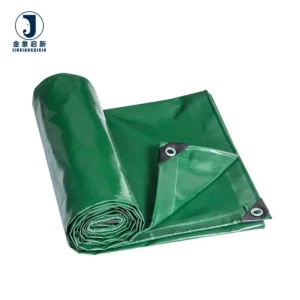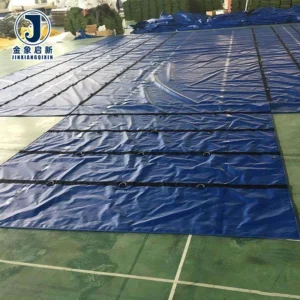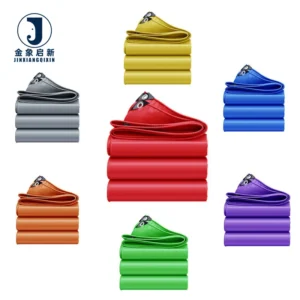
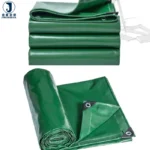

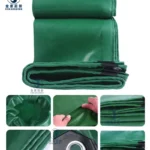
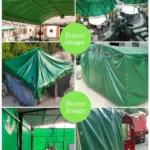
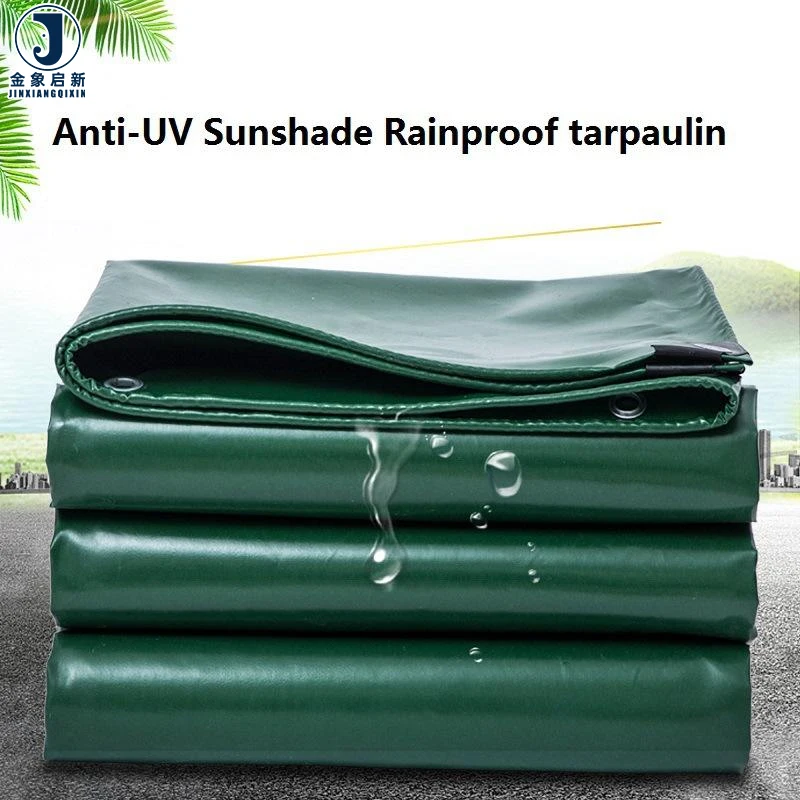
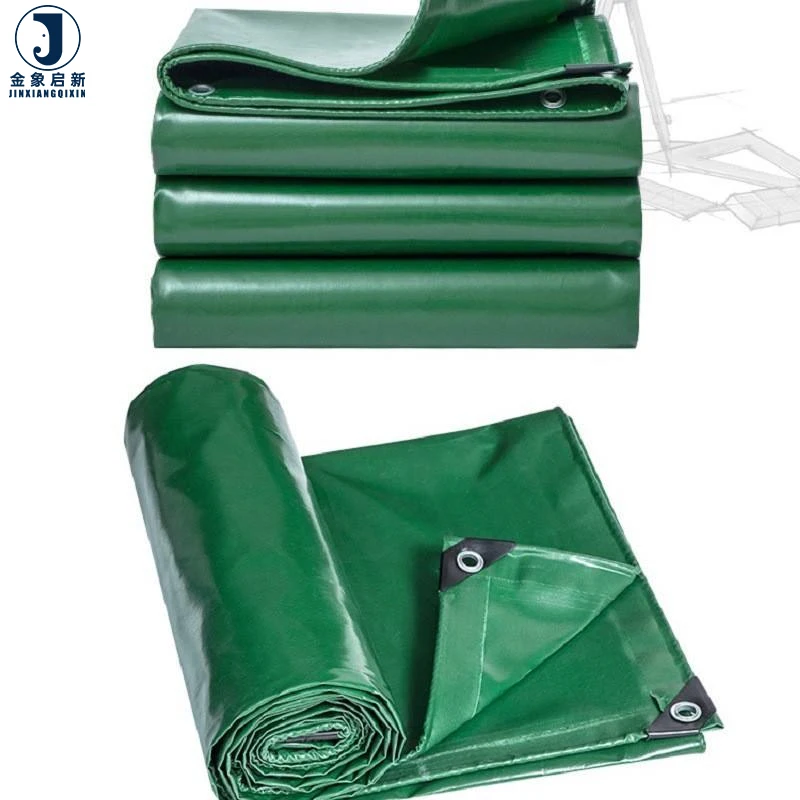
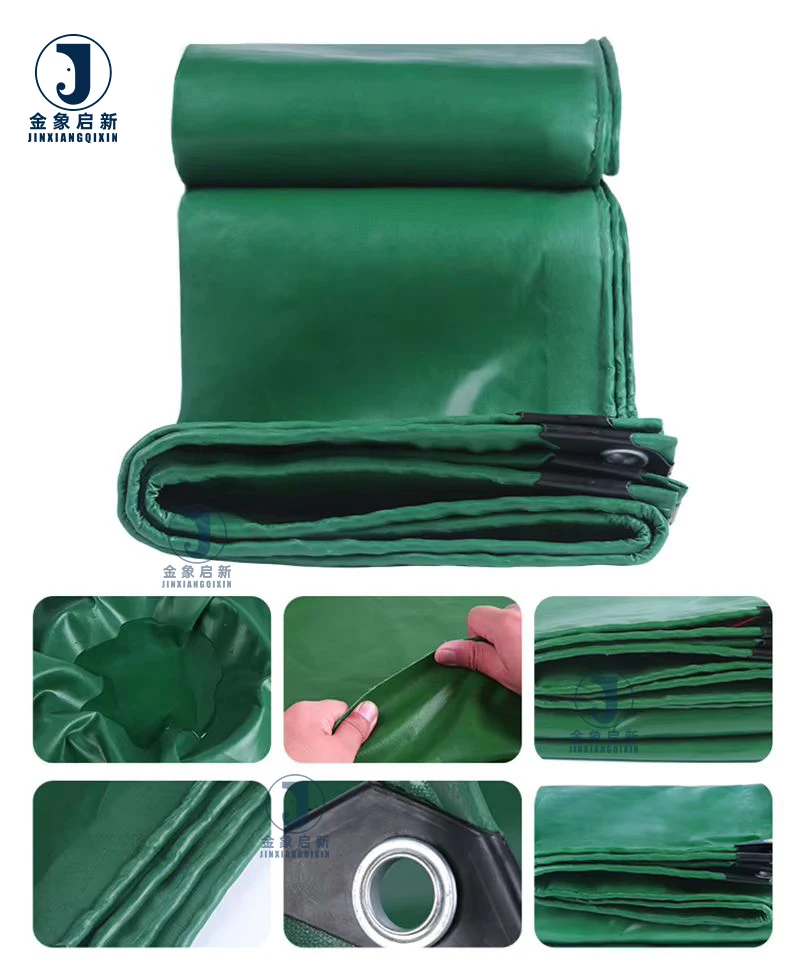
Process Control Over Coating Weight — Every roll of fire retardant PVC coated fabric undergoes dedicated QA inspection at each production stage, ensuring the coating adhesion and flame-retardant treatment meet the grade specified for your mining, tunnelling, or specialist structure project.
Technical Specifications
| Parameter | Value |
|---|---|
| Product Type | PVC Coated Tarpaulin |
| Base Fabric Denier | 500D-500D |
| Material | PVC & Polyester |
| Coating Material | PVC |
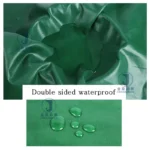
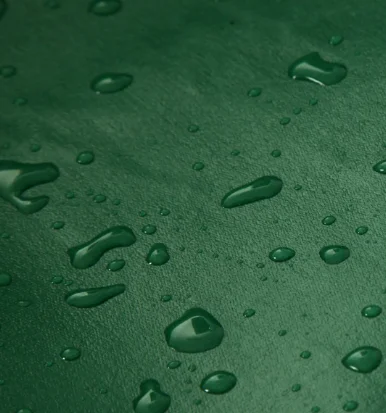
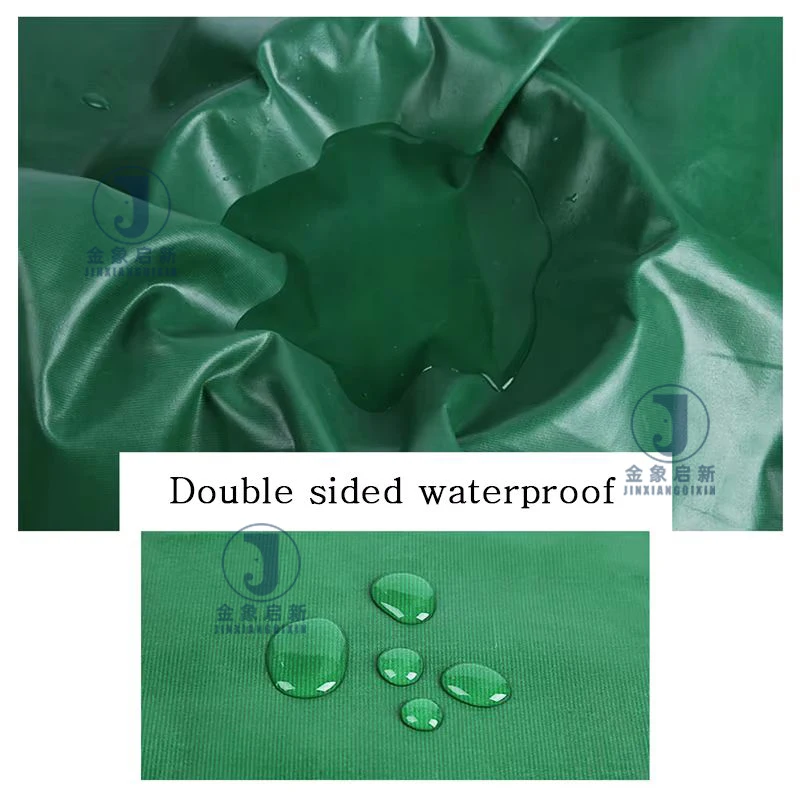
| Water Resistance | Fully waterproof double-sided coating |
| Flame Retardant | Available in flame retardant grades — confirm the grade required for your market |
| Anti-UV | Available with anti-UV treatment — confirm test basis for your exposure conditions |
| Standards | ISO, CE |
| Hot Air Welding | Compatible — suitable for fabricated duct and membrane seams |
Application Suitability
| Application | Exposure & Requirement |
|---|---|
| Fire-retardant ventilation ducts | Continuous airflow friction, internal pressure flexing, mandatory fire safety compliance in mining and tunnelling |
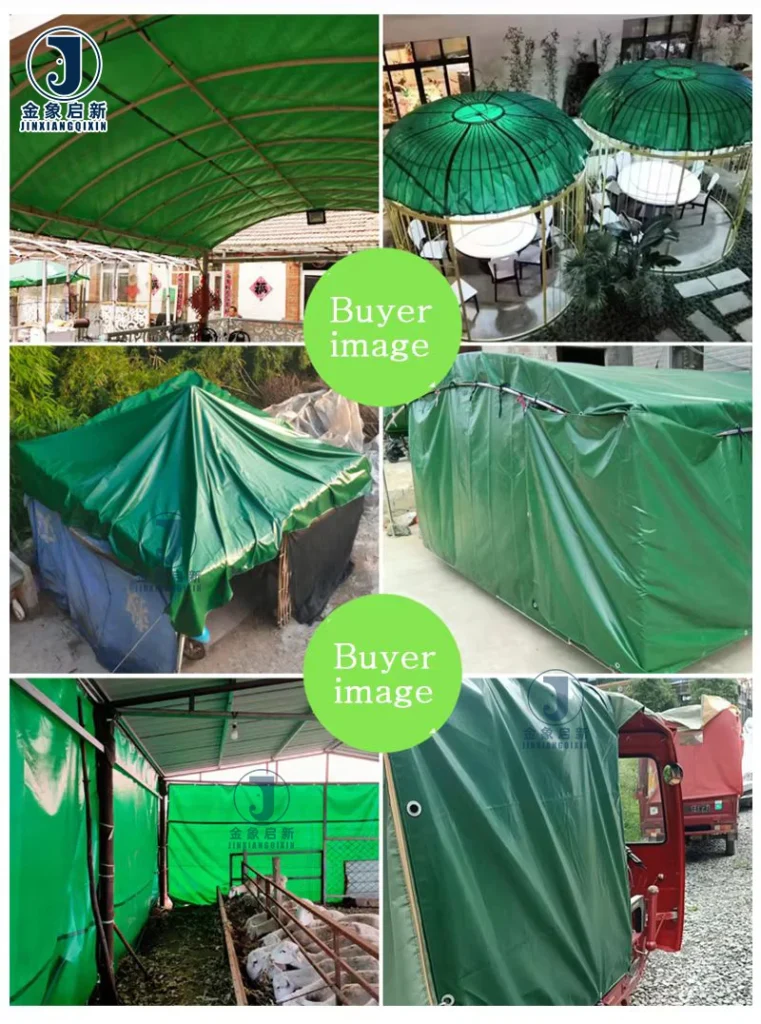
| Membrane and inflatable structures | Wind load tension, UV exposure, seam integrity under inflation pressure |
| Machine and equipment covers | Dust ingress, splash exposure, flame safety zones in industrial plants |
| Aviation ground support ducting | Static discharge risk, fuel proximity, strict fire classification requirements |
What "Flame Retardant" Means Without a Verified Grade
A flame retardant claim is only as reliable as the test report behind it.
When ventilation duct fabric arrives on a mining or tunnelling site without documentation matching the mandated fire classification, the entire installation can be rejected — costing weeks of delay. PVC coated tarpaulin fire retardant specifications vary widely across markets, from M2 and B1 per DIN 4102 to NFPA 701 for temporary structures. Without a grade confirmed at the specification stage and backed by a test report, you are installing material that may pass one standard and fail another. [NEED_CITE: DIN 4102 fire classification for building materials]
Ventilation Duct Compliance Starts at Specification
Mining and tunnelling contractors operate under fire safety regulations that name specific test standards. The PVC coated tarpaulin fire retardant treatment must match that exact standard — not a generic claim. During specification, we confirm the required grade and supply matching test documentation before production begins. This eliminates the gap between what the site demands and what the fabric delivers upon arrival.
Anti-Static Requirements in Hazardous Environments
In aviation ground support and certain mining applications, static discharge poses a compliance risk beyond flame spread. Anti-static treatment is available for environments where this is mandated. The specific resistance range and test method should be confirmed against your site regulation before sampling proceeds. [NEED_CITE: anti-static requirements for coated fabrics in hazardous zones]
Reading the Base Fabric and Coating Together
The 500D-500D polyester base fabric provides the tensile backbone of this PVC coated polyester fabric, but denier alone does not determine in-service strength. The weave density of the base and the coating weight applied to both sides work together to resist tear propagation and puncture. A higher denier yarn in a loose weave can underperform a tighter construction with slightly lower denier. For ventilation duct applications, the coating also seals the weave against air leakage and provides the surface that hot air welding bonds to at seam lines. The double-sided PVC coating ensures consistent performance regardless of which face is exposed to airflow or weather.
When Fire Classification Does Not Match the Site Requirement
The most costly specification error on a mining or tunnelling project is fabric that passes one fire test but not the one your inspector requires. A B1 result under DIN 4102 does not automatically satisfy a site calling for NFPA 701 or a local mining authority standard. This mismatch is typically discovered at installation inspection, not at the quotation stage. At that point, the duct or structure must be stripped and replaced, and the project timeline absorbs the full delay. [NEED_CITE: mining ventilation duct fire safety standards by jurisdiction]
Sourcing With Verified Documentation
Every roll ships with documentation tied to the specific batch produced. Our 10-person R&D team handles material selection and sample development so you can verify the flame retardant grade, weight, and coating adhesion before committing to bulk production. Dedicated QA/QC operates at every production stage with 100% inspection before shipment, not spot-checking. Three full production lines support the volume your project demands while maintaining roll-to-roll consistency in coating weight and fire-retardant treatment concentration. Samples are developed within days for custom weight, colour, and grade requirements, giving you a physical reference to test against your site standard.
Documentation & Verification
- Material specification sheet stating 500D-500D base fabric denier, PVC coating type, and applicable fire-retardant grade
- Test report for the confirmed flame retardant grade such as M2, B1, NFPA 701, or DIN 4102 as required
- Pre-shipment inspection record confirming coating weight, adhesion, and hot air weld seam samples per roll
- ISO and CE certificates with certificate of origin and full customs documentation package
Fabrication, Handling & Storage
- Hot air weld temperature and speed should be set to the PVC coating thickness to avoid burning through the double-sided coating layer
- Roll storage on pallets in shaded areas prevents surface softening of the PVC coating under direct sun before fabrication
- Unroll at ambient temperature; cold PVC coated polyester fabric becomes stiff and may crack at fold lines if handled below freezing
- Clean fabricated ducts or covers with mild detergent only — solvents degrade the flame retardant treatment within the PVC coating
- Allow flat relaxation for several hours after unrolling to release tension before cutting and welding seam panels
Requesting a Specification Match
To move forward, share the fire classification standard your project mandates, the duct diameter or structure dimensions, and the volume required. If your site also demands anti-static performance, state the resistance range or test method. We will develop a sample in your required weight and confirmed flame retardant grade for testing before bulk commitment.
Frequently Asked Questions
Q: Which flame retardant grade does my mining or tunnelling project require?
A: The required grade depends on the jurisdiction and the specific site operator’s safety regulations. Common standards include M2, B1 under DIN 4102, and NFPA 701. Share your site specification or the inspector’s requirement, and we will supply the matching test report with your PVC coated tarpaulin fire retardant order.
Q: How is the fire-retardant treatment verified before shipment?
A: We conduct in-process testing during production and can arrange third-party lab certification for the specific grade your project requires. The test report accompanies the shipment documentation so your site inspector has the evidence on arrival, not weeks later through a separate request.
Q: Can you develop a sample in my required flame retardant grade before bulk order?
A: Yes. Our R&D team produces samples within days, matched to your specified weight, colour, and fire classification. You receive a physical sample to test against your site standard, allowing full verification before you authorise production of the full order volume.
Q: What are the hot air welding parameters for this PVC coated polyester fabric?
A: Welding temperature and travel speed depend on the coating thickness and the ambient conditions at your fabrication shop. We supply recommended parameters with each sample so your fabrication team can produce test seams, verify peel strength, and lock in settings before running production panels for ducts or structures.
Q: Do you supply anti-static variants for compliance-critical environments?
A: Anti-static treatment is available for environments where static discharge is regulated, such as aviation ground support and certain mining zones. Confirm the required surface resistance range or test standard during specification, and we will incorporate the treatment and supply the corresponding test data with your documentation package.