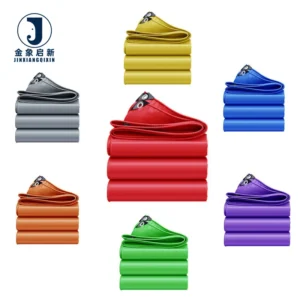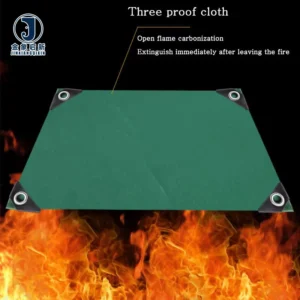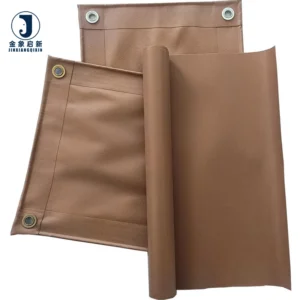
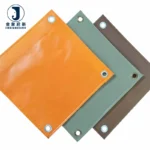

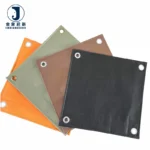
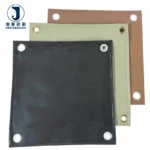
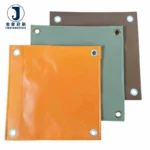
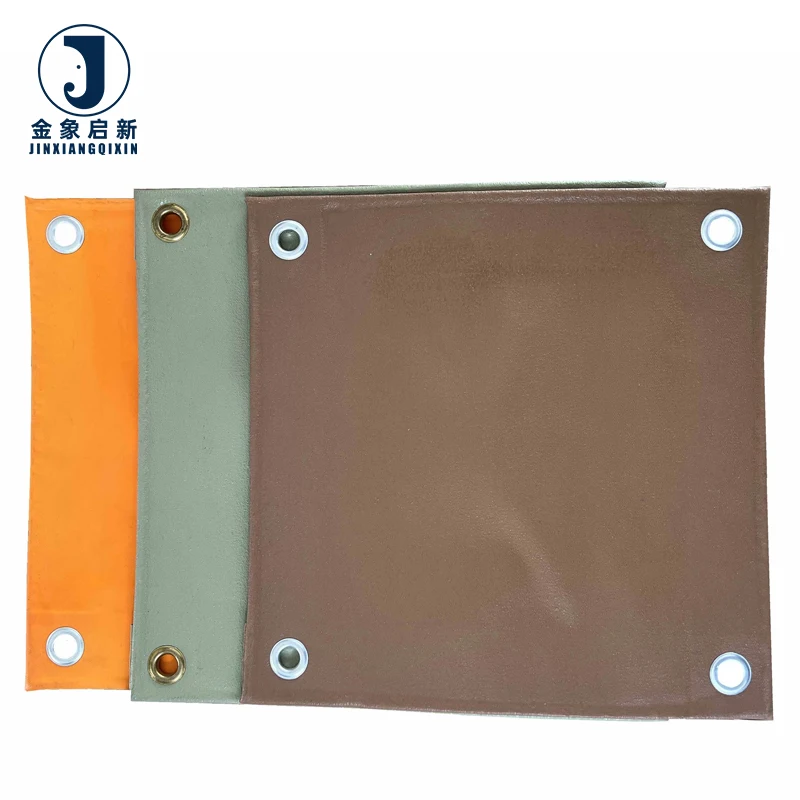
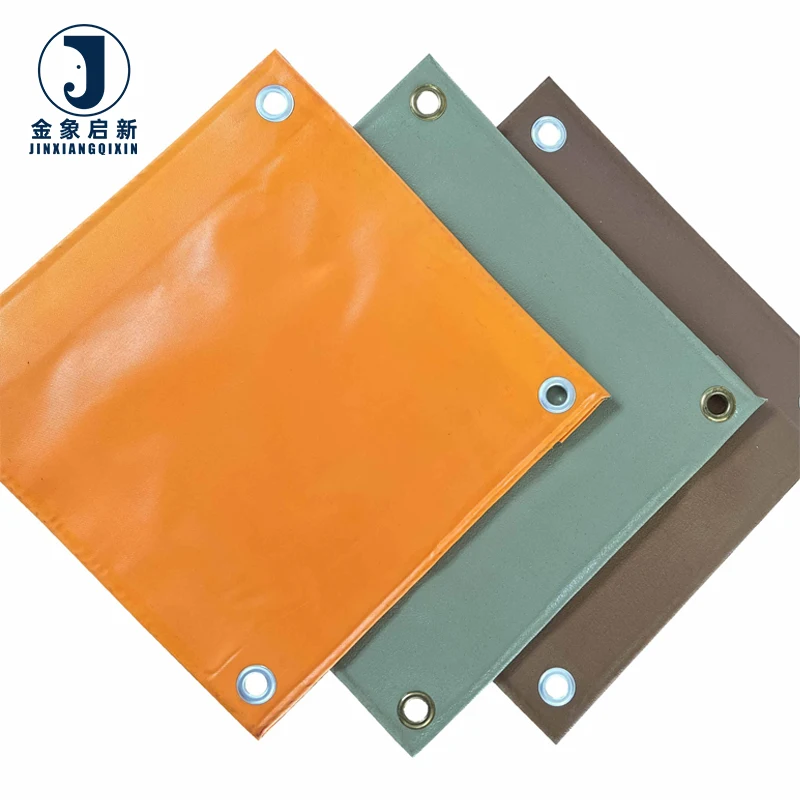
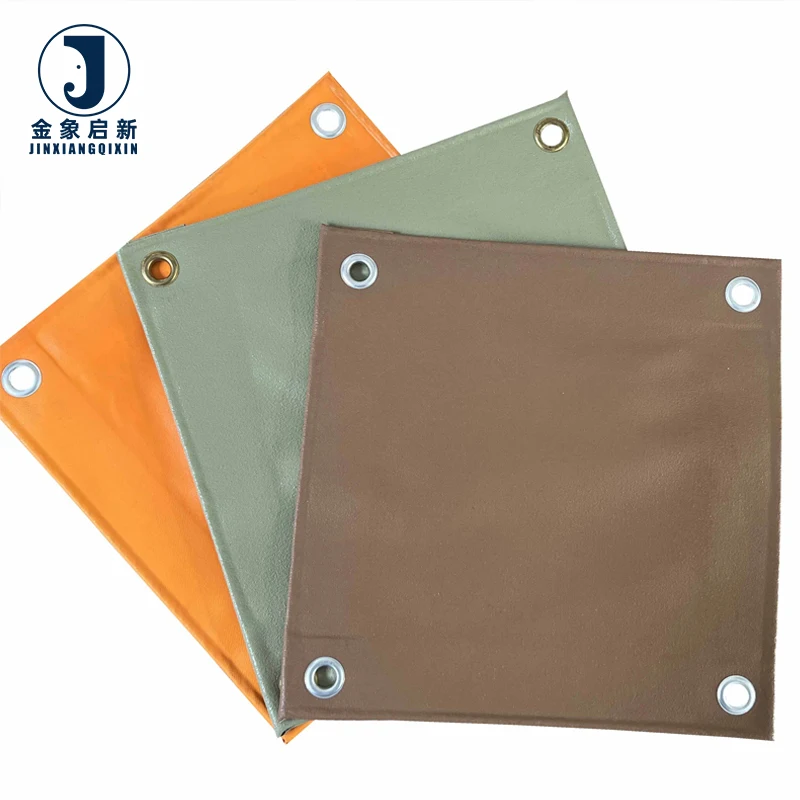
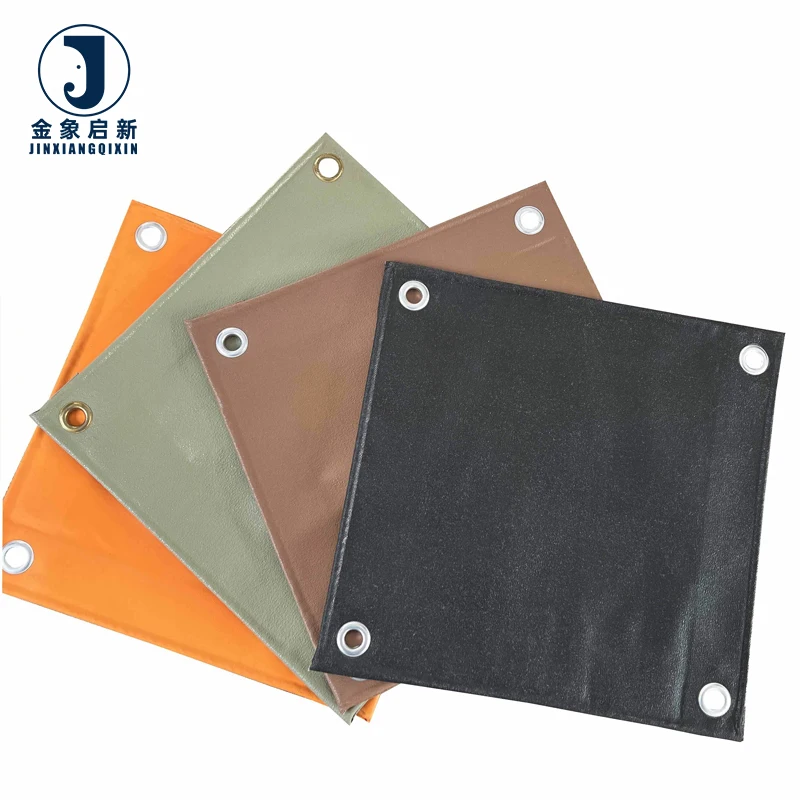
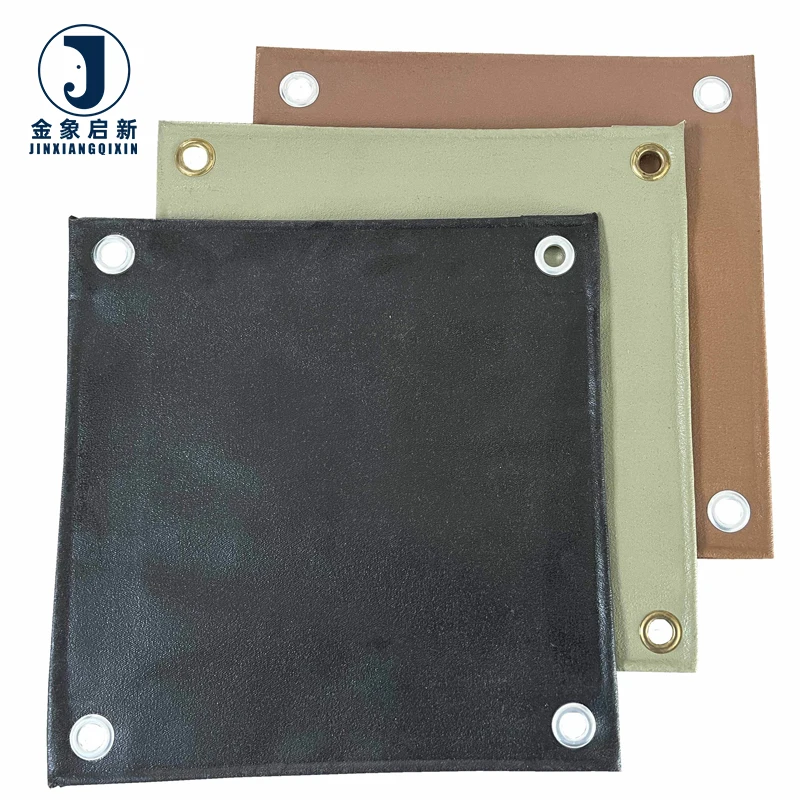
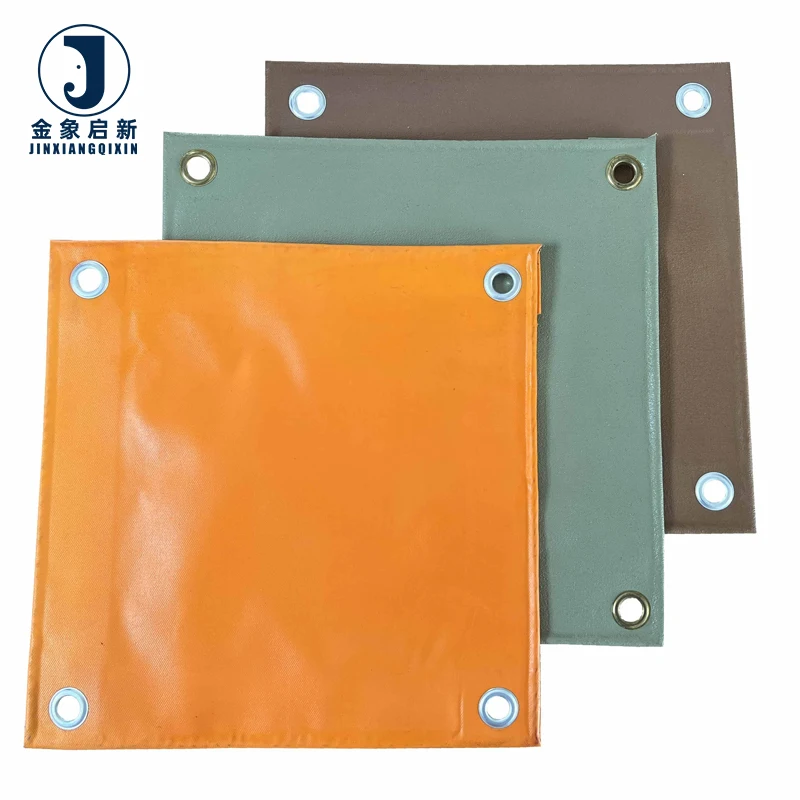
Precision Coating Control — nearly three decades focused on coated fabric production, ensuring every roll of fire-retardant and anti-static PVC coated tarpaulin ships with verifiable treatment documentation for compliance-driven ventilation and membrane projects.
Technical Specifications
| Parameter | Value |
|---|---|
| Product Type | PVC Coated Tarpaulin |
| Coating Material | PVC |
| Flame Retardant | Available in flame retardant grades — confirm the grade required for your market (M2 / B1 / NFPA 701 / DIN 4102) |
| Anti-Static | Anti-static treatment available — surface resistance value to be confirmed per applicable mining or aviation standard |
| Anti-Mildew | Available |
| Anti-Cold | Available |
| Waterproof | Yes |
| Tear Strength | High strength base fabric to prevent damage during duct installation and structural inflation |
| Weather Resistance | 1–3 years outdoor exposure (verify against specific formulation and installation conditions) |
| Certifications | ISO, CE |
Application Suitability
| Application | Exposure & Requirement |
|---|---|
| Mine and tunnelling ventilation duct | Continuous airflow pressure, underground moisture, mandatory fire-retardant and anti-static compliance for site safety audits |
| Aviation ground support ducting | Flame retardant specification required, frequent handling and repositioning, exposure to jet blast proximity |
| Inflatable and membrane structure fabric | Structural inflation loads, wind-induced flex cycling, UV and weather exposure on temporary shelters |
| Construction site ventilation duct | Dust-laden airstreams, mechanical contact with scaffolding and formwork, fire code compliance for enclosed spaces |
What "Certified Fire Retardant" Actually Means When Your Auditor Asks for the Test Report
A flame retardant claim without a referenced test standard and grade is a liability, not a specification.
Ventilation duct installed in a tunnelling project failed its safety inspection because the supplier’s quotation stated "fireproof" but the shipment arrived with no test report matching the site’s required classification. The entire duct run had to be removed, the project handover delayed, and replacement fabric sourced on an emergency basis at significant premium. In underground mining and aviation environments, the safety auditor does not accept marketing language — they require a test report citing the exact standard the site operates under, whether that is DIN 4102 B1, NFPA 701, or M2. [NEED_CITE: fire classification standards for ventilation duct materials in underground mining operations] When the documentation is missing or the grade does not match the site specification, the fabric is effectively unusable regardless of its actual performance. Specifying the required PVC coated tarpaulin fire retardant anti-static grade up front, and confirming the test report will ship with the order, eliminates this risk entirely.
Engineering the Duct Fabric for Airflow, Pressure and Compliance
Industrial ventilation duct operates under continuous internal pressure that places sustained tensile load on every weld seam and fabric panel. The base fabric must carry this load without creep or deformation, while the PVC coating provides the airtight barrier that maintains airflow efficiency over the duct length. For mining and tunnelling applications, the fabric must simultaneously meet anti-static requirements to prevent charge accumulation in potentially explosive atmospheres. This dual requirement — mechanical integrity under pressure plus electrical surface resistance within a defined range — narrows the field of suitable materials considerably. Our PVC coated tarpaulin fire retardant anti-static formulations are developed specifically for this intersection of mechanical and compliance demands, with treatment levels adjusted to the standard your project specifies.
Weld Behaviour Under Duct Flex and Vibration
Ventilation duct in mining and construction environments is subject to vibration from fans, flexing as the duct route is repositioned, and thermal cycling as ambient conditions change underground. The heat-welded seams joining duct sections must maintain bond strength through these cycles without delamination or cracking. Coating adhesion to the base fabric, and the compatibility of the flame retardant and anti-static additives with the welding temperature window, directly affect seam durability. [NEED_CITE: peel strength test methods for welded PVC coated fabric joints] If the additive package interferes with thermal bonding, the weld becomes the first failure point even when the fabric itself remains intact. Our material development process tests weld peel strength alongside the base fabric tensile and tear values, ensuring the seam specification matches the fabric grade rather than falling below it.
How Base Fabric, Coating Weight and Treatment Chemistry Interact
The relationship between base fabric denier, weave density and PVC coating weight determines how the material behaves under the combined loads of duct inflation, handling and environmental exposure. A high-denier base fabric with open weave may accept a heavier coating, producing a stiff material suited to large-diameter duct that must hold its circular profile. A tighter weave with lighter coating yields a more flexible fabric appropriate for duct that must be collapsed and relocated frequently. The flame retardant and anti-static treatments are incorporated into the coating formulation, and their loading affects both the coating’s flexibility and its thermal welding characteristics. Anti-mildew additives protect against biological degradation in the high-humidity environments typical of underground installations and tropical surface sites. Understanding these interactions allows the specification to be matched precisely to the duct diameter, installation method and compliance framework of each project.
When the Wrong Specification Reaches the Installation Site
A ventilation duct specified only by general description rather than confirmed test grade arrives on site and passes initial installation, but fails the safety audit before the project can be commissioned. The duct must be stripped out, replacement material ordered with the correct certification, and the project timeline extended by the lead time for the new supply. In other cases, fabric that lacks adequate anti-static treatment in a mining environment may not fail visibly but creates an ongoing compliance risk that the site operator carries until the next inspection cycle. [NEED_CITE: consequences of non-compliant ventilation materials in underground mining safety audits] Colour inconsistency across rolls in a large membrane structure installation becomes apparent only when adjacent panels are viewed together under site lighting, forcing selective replacement that disrupts the construction sequence. These outcomes share a common cause: specifications that were not verified against test documentation before the order was released to production.
Why Procurement Teams Source Technical Duct Fabric Through Jinxiang
Three full production lines with 36 sets of professional equipment provide the capacity to fulfil large duct fabrication orders on confirmed timelines, with production scheduling managed against your project milestones. The 10-person R&D team handles the material formulation adjustments needed when a project requires a specific flame retardant grade or anti-static surface resistance that differs from standard offerings, developing and testing samples before production commitment. Dedicated QA and QC checkpoints at every production stage, culminating in 100% inspection before shipment, ensure that the roll specifications match the purchase order and that treatment performance is verified against the referenced standard. Custom width and length are produced on the same lines as standard stock, so duct fabricators receive rolls dimensioned to their fabrication equipment without the compromise of slitting wider stock. Documentation packages are assembled per order to match the compliance framework of the destination market, with test reports and certificates traceable to the specific production batch.
Documentation & Verification
- Material specification sheet stating GSM, base fabric denier, coating weight and treatment type for each roll produced
- Flame retardant test report citing the specific grade (M2 / B1 / NFPA 701 / DIN 4102) referenced in your project specification
- Anti-static surface resistance measurement recorded and documented per the applicable mining or aviation standard
- Pre-shipment inspection record confirming roll dimensions, coating integrity and treatment verification before dispatch
- Certificate of origin and customs documentation prepared to match the destination country’s import requirements
Fabrication, Handling & Storage
- Heat welding parameters must be adjusted to the specific flame retardant additive loading in the PVC coating formulation
- Roll storage on flat racking prevents permanent creasing that would compromise airtight integrity in duct applications
- Anti-static treatment efficacy should be verified after prolonged storage before releasing material to the fabrication line
- Cold-condition rolls must acclimatise to workshop temperature before unrolling to prevent coating micro-cracking
- High-strength base fabric requires appropriate cutting tooling to achieve clean edges without fraying at duct panel seams
- Anti-mildew treatment does not eliminate the need for dry storage conditions before fabrication and installation
Request a Specification Review for Your Duct or Membrane Project
Provide the ventilation standard or fire classification your site operates under, the duct diameter or membrane panel dimensions, and the anti-static surface resistance range required by your safety framework. If your project specifies a particular flame retardant grade, reference the test standard by name so we can match the formulation and prepare the corresponding test documentation. Include your required roll width and the total linear meterage so we can confirm production scheduling and batch consistency across the full order quantity.
Frequently Asked Questions
Q: What flame retardant grade does the fabric carry, and can you provide the test report for our site auditor?
A: We produce PVC coated tarpaulin in multiple flame retardant grades including M2, B1, NFPA 701 and DIN 4102 classifications. The specific grade is confirmed against your project specification before production, and the corresponding test report ships with every order. Our documentation package is structured to satisfy safety auditor requirements, with test results traceable to the production batch delivered to your site.
Q: What is the measured anti-static surface resistance, and does it meet mining ventilation duct regulations?
A: Anti-static treatment is formulated to meet the surface resistance range specified by your project’s mining or aviation standard. The measured value is documented and included in the shipment paperwork. We confirm the target range with you during the specification stage, then verify the result through testing before the rolls are released for dispatch to your fabrication facility or project site.
Q: How is anti-mildew treatment validated for high-humidity underground and tropical installations?
A: Anti-mildew additives are incorporated into the PVC coating formulation to protect against biological degradation in sustained high-humidity environments. The treatment is selected based on the installation conditions you describe — underground mining ventilation or tropical membrane structures — and its efficacy is verified during production quality control. We recommend confirming the specific humidity and temperature profile of your installation so the correct additive loading is applied.
Q: Can you supply the fabric in the exact roll width and length our duct fabrication line requires?
A: Custom roll width and length are produced on our dedicated coating lines, not slit from wider stock, ensuring edge quality and consistent coating weight across the full roll. Provide your fabrication equipment’s maximum working width and the continuous length needed per roll, and we will confirm production feasibility, batch consistency and scheduling against your project timeline during the quotation stage.
Q: What documentation ships with each order for compliance submission?
A: Each shipment includes a material specification sheet, flame retardant and anti-static test reports matching your referenced standards, a pre-shipment inspection record, roll packing list and certificate of origin. Additional documentation such as customs support papers is prepared according to your destination market requirements. All documents reference the specific production batch, providing full traceability for your project compliance submission.