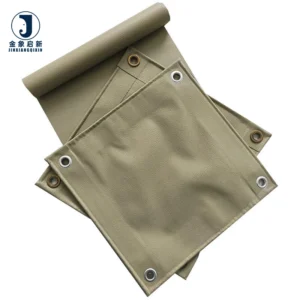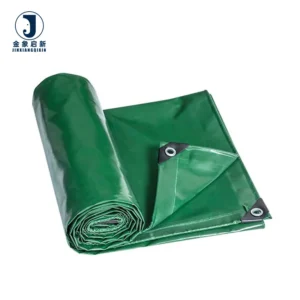


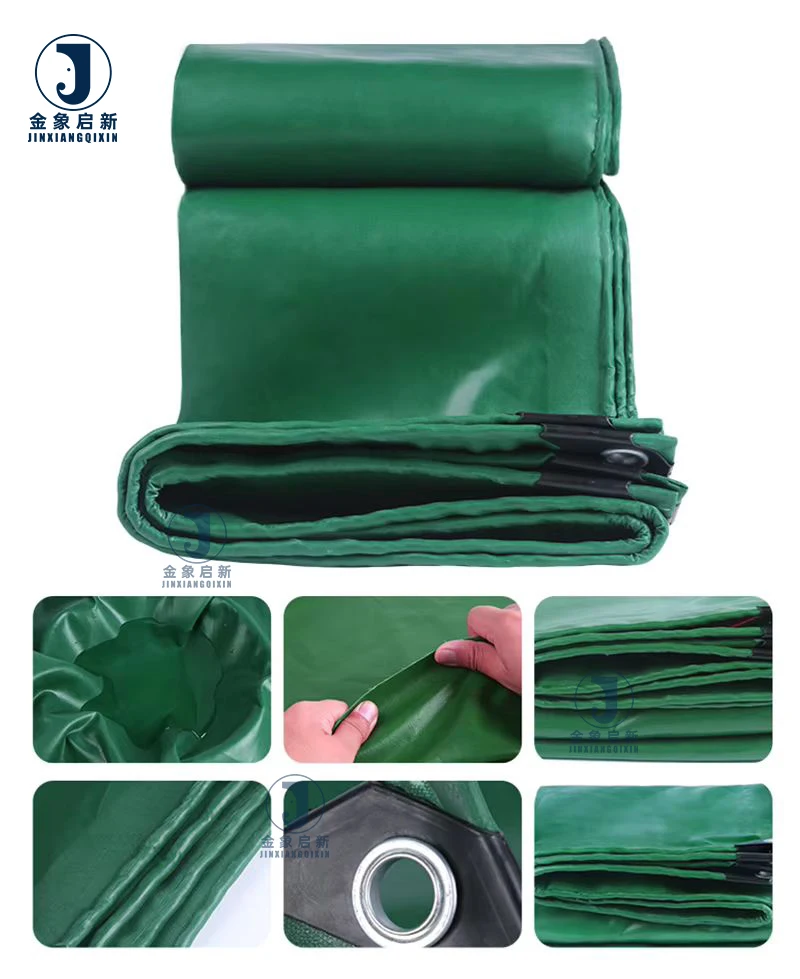
Coated Fabric Expertise — Nearly 30 years of process control over coating weight and adhesion, applied to every roll of fire-retardant and anti-static PVC coated tarpaulin leaving the production line.
Technical Specifications
| Parameter | Value |
|---|---|
| Product Type | PVC Coated Tarpaulin |
| Coating Material | PVC |
| Weight (GSM) | 700gsm / 850gsm / 900gsm |
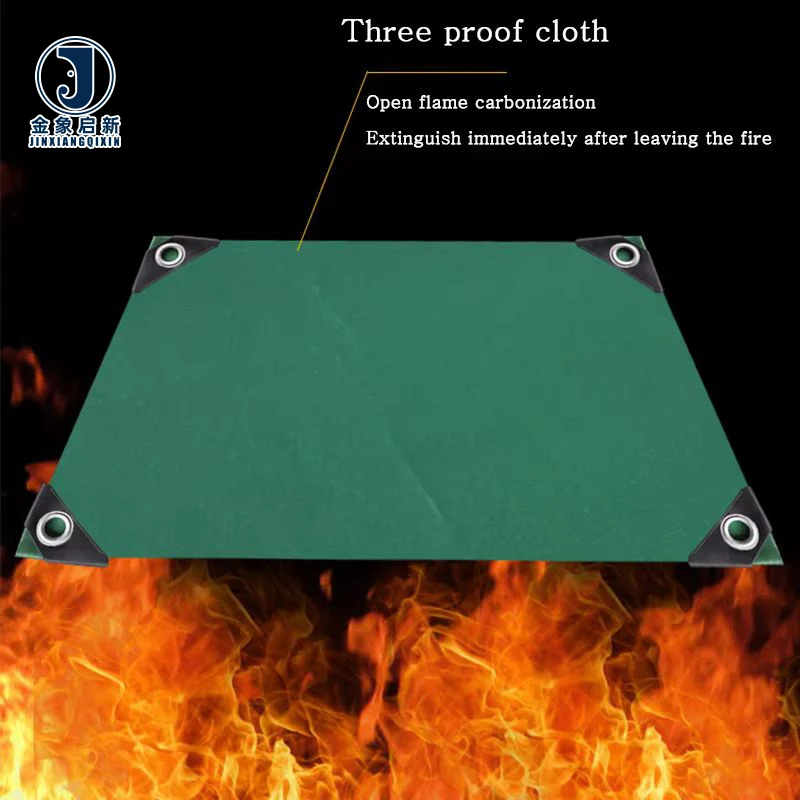
| Flame Retardant | Available (grade not stated — confirm the grade required for your market) |
| Anti-Static | Available (standard not stated — confirm the standard required for your site) |
| Anti-Cold | Available |
| Anti-Mildew | Available |
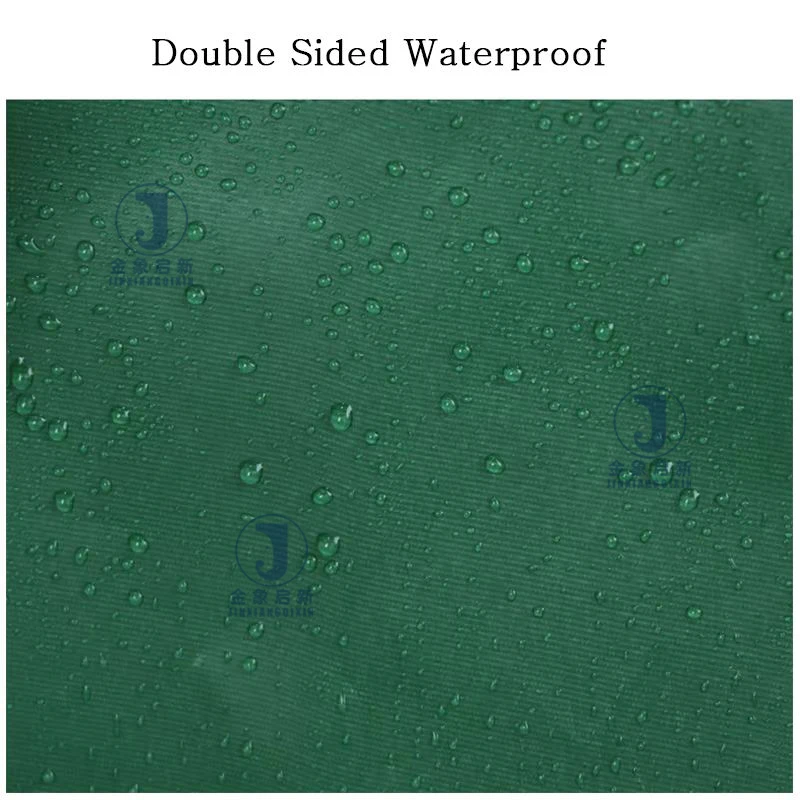
| Waterproof | Yes — fully waterproof coated construction |
| Outdoor Life | 1–3 years (source value — verify against manufacturer catalog for your climate zone) |
Application Suitability
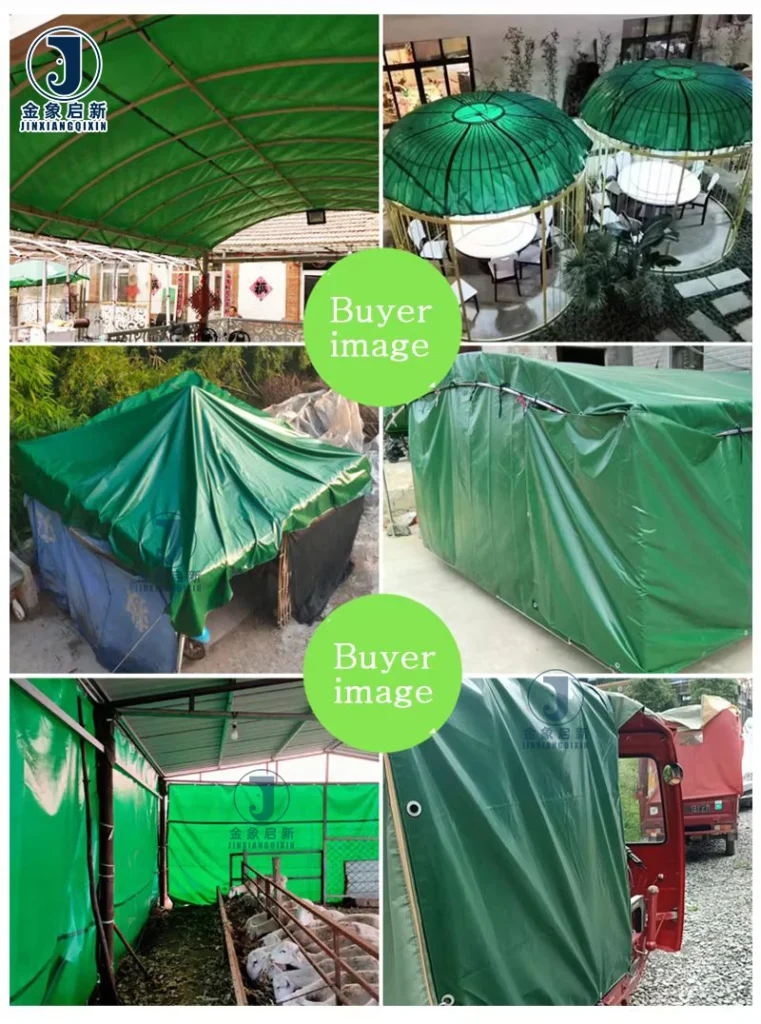
| Application | Exposure & Requirement |
|---|---|
| Mining ventilation duct | Continuous airflow, rock dust abrasion, mandatory fire-retardant and anti-static compliance underground |
| Tunnelling temporary enclosure | High humidity, mechanical contact with equipment, flame-retardant certification required by site safety |
| Aviation ground support duct | Fuel-rich environment, static dissipation requirement, flexible deployment and retrieval |
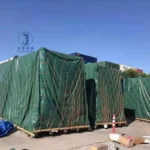
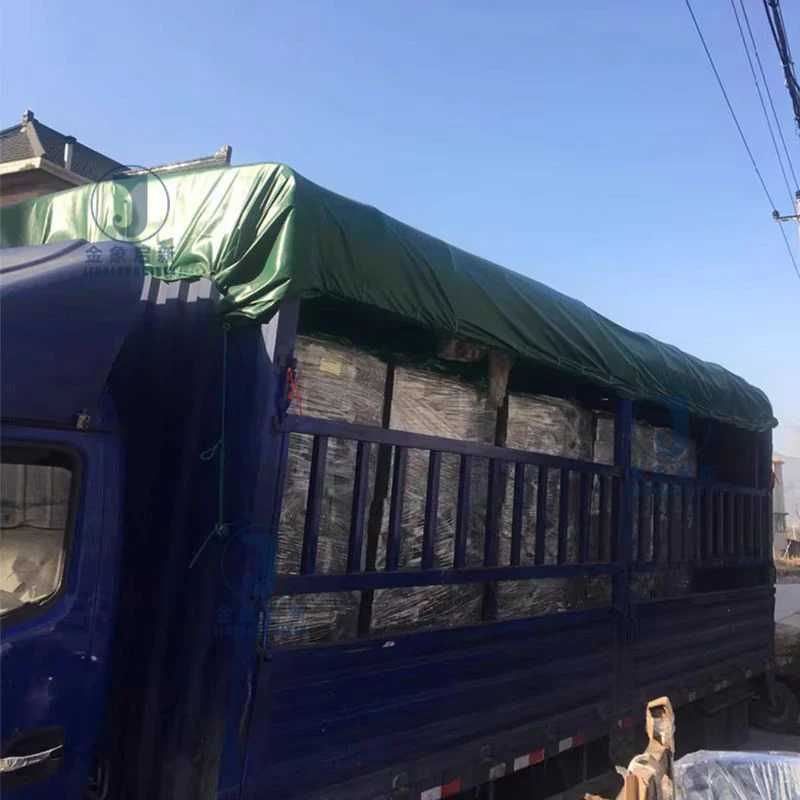
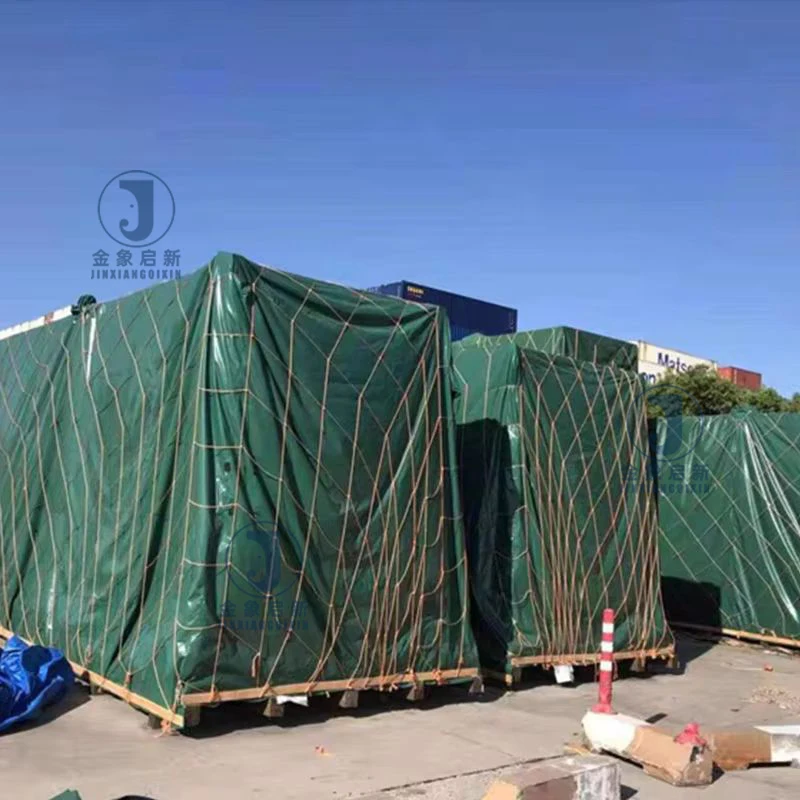
| Truck cargo cover | Road spray, UV exposure, load flexing at tie-down points, weather shielding for transit |
| Inflatable and membrane structure | Internal air pressure, wind load, welded seam integrity under tension |
What "Fire-Retardant PVC Coated Tarpaulin" Means Without a Verified Grade
A flame-retardant claim without a test report is a compliance risk, not a safety feature.
Mining and tunnelling contractors regularly receive ventilation duct fabric labelled "fire-retardant" that fails on-site inspection because the grade does not match the local regulatory standard. The PVC coated tarpaulin fire retardant specification must be backed by a test report referencing the exact classification your authority requires. Without that documentation, the material is held at the gate, the shipment is rejected, and the project schedule slips. [NEED_CITE: fire classification standards for ventilation duct materials in underground mining]
Selecting the Right Fire-Retardant Grade for Your Site
Different markets and industries reference different fire test methods. A PVC coated tarpaulin destined for European construction ventilation may need classification under one framework, while fabric heading to an Australian mine site answers to another. The available flame-retardant treatment must be matched to your specific compliance requirement before production begins. Request the test report during the sampling stage, not after the rolls arrive.
Anti-Static Treatment and Underground Compliance
Static charge accumulation on ventilation duct fabric can present an ignition risk in methane-bearing environments. Anti-static treatment is available for this PVC coated tarpaulin, but the standard it meets must align with your site’s safety specification. Confirm the required surface resistivity or test method with your safety officer before placing the order. [NEED_CITE: anti-static requirements for ventilation duct fabric in underground coal mining]
Understanding GSM, Coating Weight, and Actual Performance
The weight options — 700gsm, 850gsm, 900gsm — reflect the total mass of base fabric plus coating per square metre. A higher GSM generally indicates a heavier base fabric and thicker coating, which together influence tensile and tear behaviour. However, GSM alone does not determine strength; the denier of the yarn and the density of the weave in the base fabric are equally significant. Two fabrics at the same GSM can perform very differently under load if one uses a coarser, open weave and the other a tighter construction. The coating method — whether knife-over-roll, laminated, or calendered — affects peel strength between coating and base fabric, which directly influences how well welded seams hold under flex load. For ventilation duct applications, where the fabric is repeatedly pressurised and depressurised, the bond between coating and base fabric is as important as the tensile rating. Selecting the right GSM therefore requires looking at the full material specification sheet, not just the weight number.
The Hidden Cost of Specifying on Price Alone
When a ventilation duct is ordered primarily on cost per square metre, the PVC coated tarpaulin that arrives may carry a lighter coating than the sample that was approved. Welded seams split under airflow pressure because the coating was too thin to form a proper bond during heat welding. On mining sites, fabric delivered without the correct fire-retardant documentation is turned away at the gate, leaving the contractor to source emergency replacements at a premium. Batch-to-batch colour variation across rolls becomes visible once sections of duct are joined together underground. [NEED_CITE: common causes of coated fabric weld failure in ventilation duct installations]
Why Procurement Teams Source This Fabric Here
Three full production lines and 36 sets of professional equipment allow this PVC coated tarpaulin to be produced in volume while maintaining batch consistency — critical when multiple rolls form a single duct run. A 10-person R&D team develops samples within days, enabling you to test fire-retardant and anti-static grades against your compliance standard before committing to a production run. Dedicated QA/QC runs at every production stage, with 100% inspection before dispatch so that GSM, coating weight, and treatment levels are verified against the order specification. Nearly 30 years of focused coated fabric production means the process variables that affect peel strength, weld behaviour, and treatment durability are controlled in-house rather than outsourced. Documentation — including material specification sheets and test reports — ships with every order so that compliance is traceable from factory to site.
Documentation & Verification
- Material specification sheet stating GSM, base fabric denier, coating weight, and selected treatment grades
- Test report for the flame-retardant grade applicable to your market, issued before shipment
- Anti-static test result matched to the standard required by your site safety specification
- Pre-shipment inspection record confirming 100% roll inspection before dispatch
- ISO and CE certificates plus certificate of origin for export clearance
Fabrication, Handling & Storage
- Set heat-welding temperature and dwell time to match the selected GSM — heavier grades need longer dwell for full seam fusion
- Allow welded seams to cool under pressure before flexing; premature handling causes peel failure at the coating-to-fabric interface
- Store rolls upright on a flat surface to prevent edge deformation that complicates unrolling on site
- Avoid dragging 850gsm or 900gsm rolls across abrasive ground during deployment to protect the coating surface
- Use mild detergent and a soft brush for field cleaning; solvent-based cleaners can soften the PVC coating layer
Preparing Your Inquiry
To specify the right grade, share your application type, the regulatory or compliance standard your site requires for fire-retardant and anti-static performance, and the duct diameter or cover dimensions you are fabricating. Indicate whether you need rolls at a specific width or finished cut-and-welded panels. Sample development can begin once these details are confirmed.
Frequently Asked Questions
Q: What fire-retardant grade does this fabric meet, and does it come with a test report?
A: Flame-retardant treatment is available in multiple grades. The specific grade must be matched to your market’s regulatory standard — whether that references a European, North American, or Asia-Pacific classification. A test report citing the applicable standard is provided with the shipment. Confirm your required grade during the sampling stage so the correct formulation is used in production.
Q: What anti-static standard is covered, and is it suitable for underground mining?
A: Anti-static treatment is available for environments where static dissipation is required, including underground mining and aviation ground support. The specific surface resistivity or test standard must be confirmed against your site safety specification before production. Request the test result during sampling to verify compliance before the full order is manufactured and dispatched.
Q: Can I receive a material specification sheet with GSM and coating details?
A: Yes. A full material specification sheet is supplied stating the GSM option selected (700gsm, 850gsm, or 900gsm), base fabric construction, coating weight, and all treatment grades applied. This document accompanies the pre-shipment inspection record and forms part of the export documentation package for traceability from production through to site delivery.
Q: How does weld strength compare to the fabric’s tensile strength?
A: Welded seam strength depends on the coating thickness, base fabric weave, and the heat-welding parameters used during fabrication. Heavier GSM grades generally allow stronger welds because the thicker coating layer provides more material for fusion. Request the peel strength test result for the specific grade you are ordering to confirm that the weld performance meets your duct or cover design requirements.
Q: What certifications ship with the roll for export and compliance?
A: Each shipment includes ISO and CE certificates, a certificate of origin, a pre-shipment inspection record, and a roll packing list. Where fire-retardant or anti-static treatments are specified, the corresponding test reports are included. This documentation package supports customs clearance and on-site compliance verification at mining, tunnelling, and construction projects.