
Specialist Technical Fabric — nearly 30 years of coating process control supporting heavy-duty flatbed protection and industrial ventilation applications with verified material consistency across production batches.
Technical Specifications
| Parameter | Value |
|---|---|
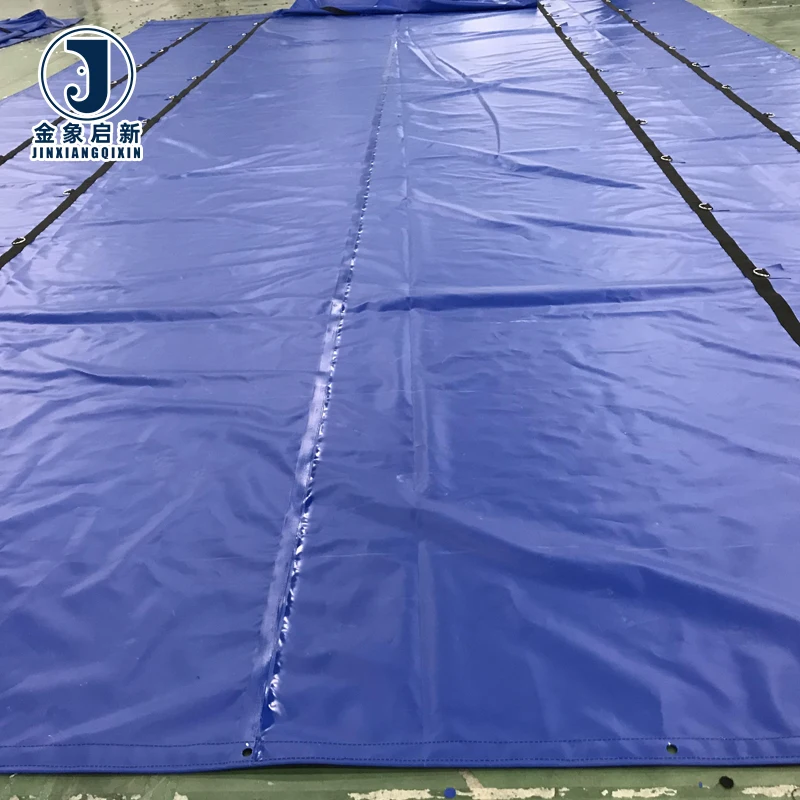
| Product Type | PVC Truck Cover |
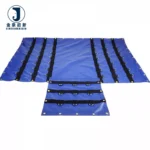
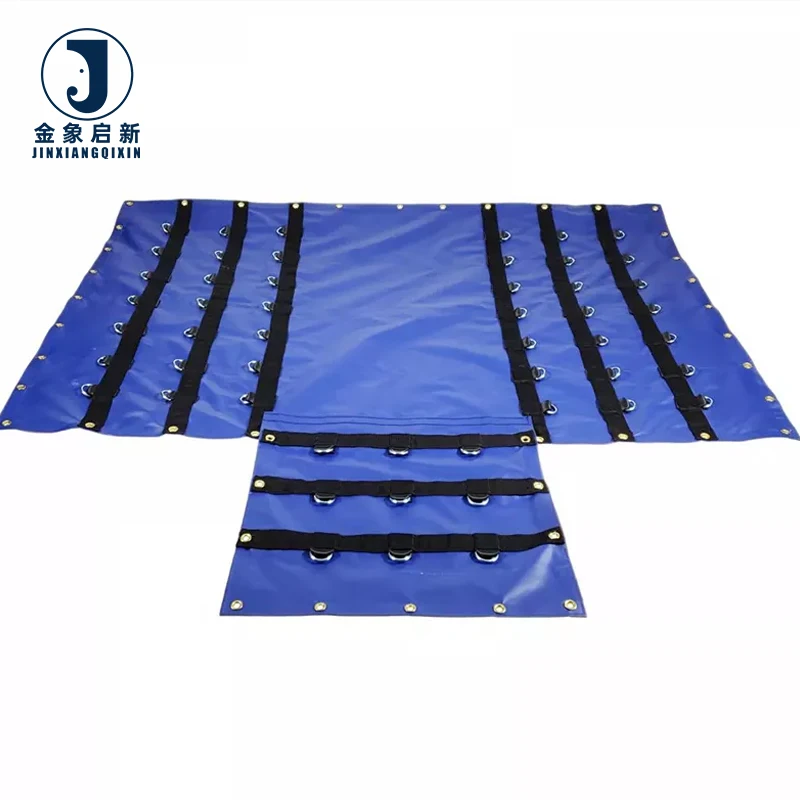
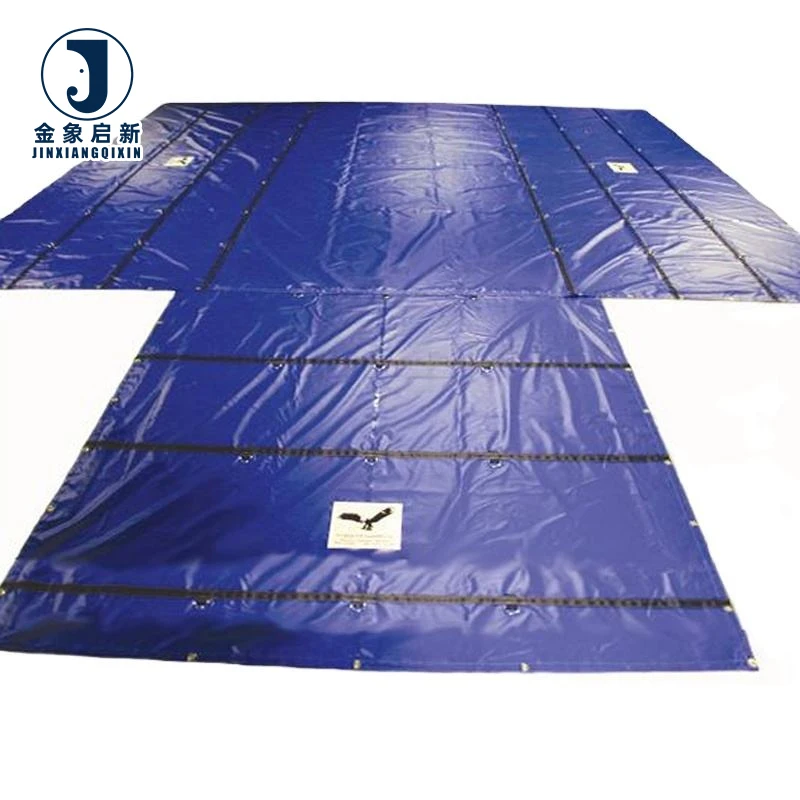
| Dimensions | 24′ X 27′ (with 8ft. drop) |
| Base Fabric | 1000 x 1000D / 20×20 |
| Coating Material | PVC |
| Weight (GSM) | 610 gsm (18 oz) |
| Temperature Range | -35 ~ 70 °C |
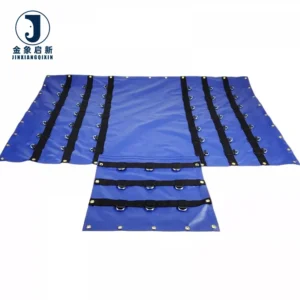
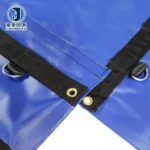
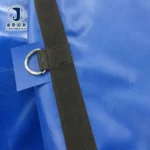
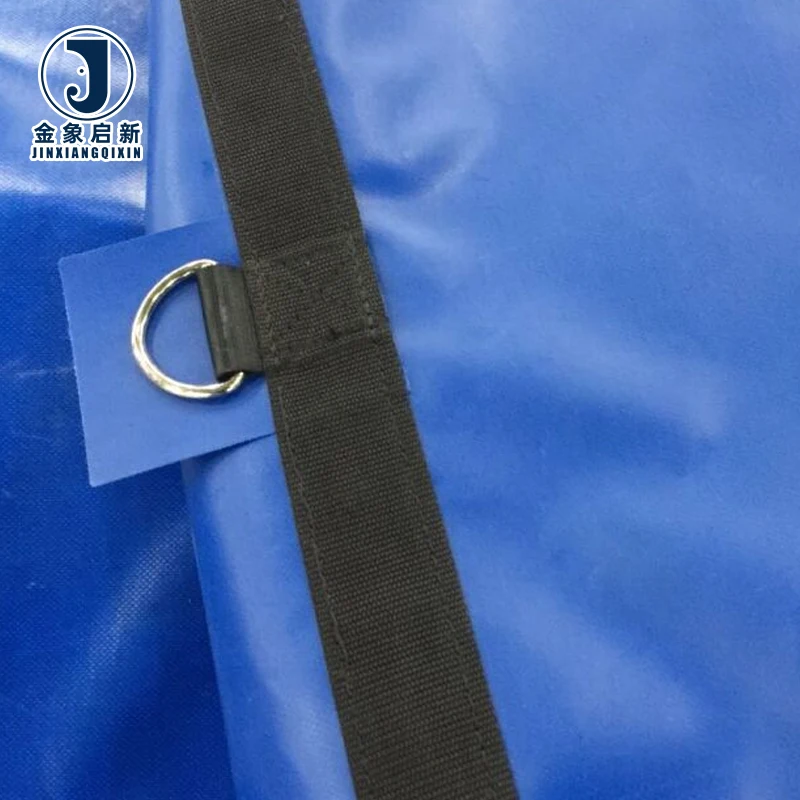
| D-Ring Configuration | 3 rows of D-rings |
| Properties | Acid-resistant, waterproof |
| Flame Retardant Grade | available in flame retardant grades — confirm the grade required for your market |
| UV Treatment | test basis not stated — verify treatment standard for your route |
| Anti-Static | surface resistance or standard not stated |
Application Suitability
| Application | Exposure & Requirement |
|---|---|
| Flatbed lumber transport | stacked timber exposed to highway wind, rain ingress, and UV degradation over multi-day hauls |
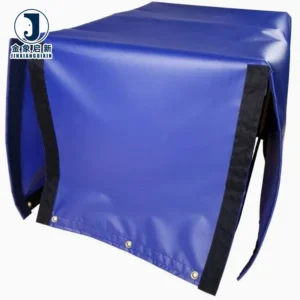
| Wall panel and building material hauls | high-profile loads requiring full side enclosure with 8ft drop to prevent moisture damage |
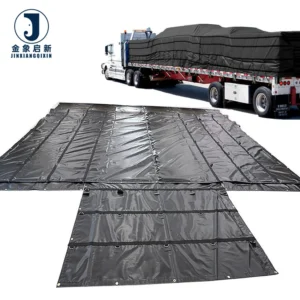
| Steel and pipe cargo | combination use with nose tarps; fabric must resist abrasion from sharp edges and load shift |
| Oversized flatbed loads | long-haul tie-down stress at D-ring reinforcement points under sustained wind lift |
Why 610 GSM Lumber Tarpaulin Fabric Demands More Than a Weight Claim
A coated fabric’s real performance lives in the bond between its 1000 x 1000D base yarns and its PVC coating, not on a single weight label.
Fleet operators routinely receive PVC Lumber Tarpaulin aftermarket supplier deliveries that feel lighter than the sample approved weeks earlier. When the 20×20 weave density is loose, the coating carries all the mechanical load instead of sharing it with the base fabric, and the tarp tears at the D-ring line within months. [NEED_CITE: tensile and tear test methods for coated fabrics per ISO 1421] Without a material specification sheet tying GSM to base fabric denier and mesh count, you are buying blind.
Base Fabric Architecture for Flatbed Haul Loads
The 1000 x 1000D polyester base at 20×20 mesh count creates a grid that distributes tie-down tension across the warp and weft yarns rather than concentrating it at individual D-ring attachment points. This weave structure is critical when an 8ft drop section catches crosswind on an open highway — the PVC Lumber Tarpaulin aftermarket supplier must deliver fabric where the coating penetrates the yarn intersections rather than sitting on top as a surface film.
Temperature Resilience Across Continental Routes
A -35 to 70 °C operating range means the PVC coating formulation retains flexibility through winter dispatch in northern corridors without becoming brittle at the fold lines. During summer staging yard exposure, the same formulation must resist softening enough to prevent D-ring pull-through under sustained strap tension. This temperature envelope is where generic tarpaulin grades separate from purpose-built flatbed PVC Lumber Tarpaulin aftermarket supplier product lines.
What 610 GSM and 1000D Actually Mean Together
The 610 gsm weight across a 1000 x 1000D / 20×20 construction indicates a coating-heavy build where the PVC fills the interstices of a dense weave. This yields strong abrasion resistance against lumber bark and splinters but also means the tarp’s flexibility depends entirely on the plasticizer system within the coating. A lighter 18×18 mesh at the same GSM would produce a stiffer hand; a denser mesh at a lower GSM would sacrifice puncture resistance from load edges. The 20×20 count at 610 gsm represents a balance tuned for high-profile cargo that flexes under wind load without cracking at the seam welds. [NEED_CITE: relationship between mesh count, coating weight, and flex endurance in PVC coated polyester]
The Hidden Cost of Under-Specifying Your Flatbed Tarpaulin
When a PVC Lumber Tarpaulin aftermarket supplier quotes a lower GSM without disclosing the base fabric denier, the tarp may pass visual inspection but fail at the weld seams where cargo shift concentrates stress. Batch colour variation across multiple tarps on the same fleet becomes visible once installed side by side on adjacent trailers, forcing cosmetic replacement even though the fabric remains functional. Acid-resistant claims without a stated test concentration leave operators uncertain whether road salt runoff or lumber treatment chemicals will degrade the coating over a typical haul season. [NEED_CITE: PVC coating degradation mechanisms from industrial chemical exposure]
Why Sourcing This Grade Through Jinxiang
Three full production lines and 36 sets of professional equipment ensure that 610 gsm lumber tarpaulin orders maintain consistent coating weight from the first roll to the last within a production run. The 10-person R&D team handles pattern printing, custom drop lengths, and D-ring layout modifications for non-standard flatbed configurations. Dedicated QA/QC at every production stage means each PVC Lumber Tarpaulin aftermarket supplier shipment undergoes 100% inspection before dispatch rather than statistical sampling. Samples for custom widths or colour matching are developed within days, allowing fleet operators to validate tie-down geometry before committing to a container order. ISO and CE certified processes provide the documentation trail that transport insurance underwriters increasingly require.
Documentation & Verification
- Material specification sheet stating 610 gsm, 1000 x 1000D base fabric, and PVC coating weight for this lumber tarpaulin grade
- Pre-shipment inspection record with roll-by-roll GSM verification against the 610 gsm stated value
- Colour reference card matching the batch produced for consistent appearance across a multi-tarp fleet order
- ISO and CE certificates applicable to the PVC coating process used for flatbed tarpaulin production
- Test report for UV or flame retardant treatment where applicable to your transport route requirements
Fabrication, Handling & Storage
- Heat weld at temperatures suited to the 610 gsm PVC coating thickness; test seam peel strength on a sample strip before full production
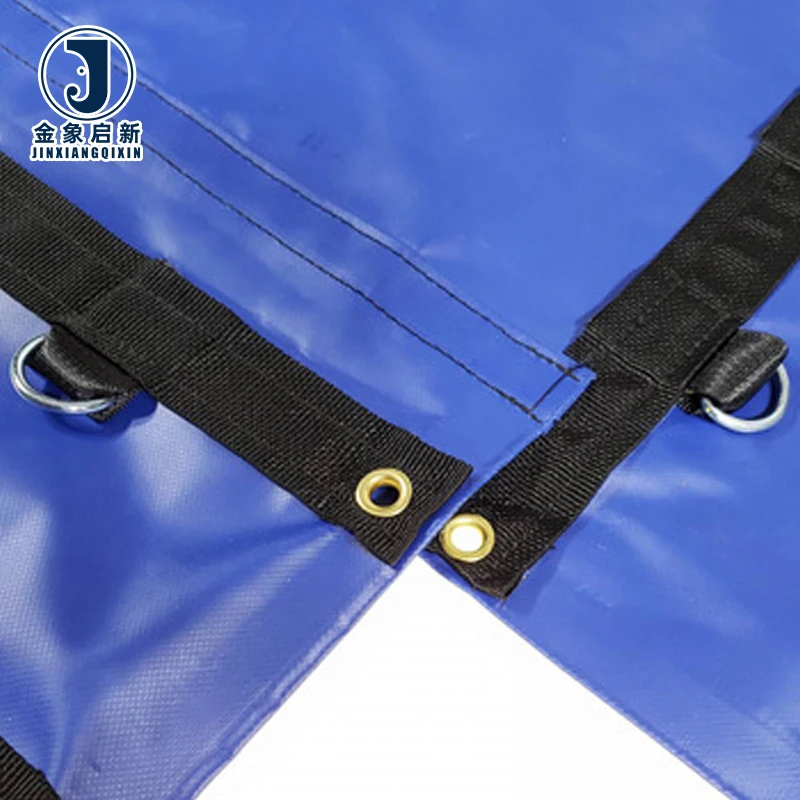
- Reinforce D-ring attachment zones with additional PVC patches to distribute tie-down load across the 20×20 weave
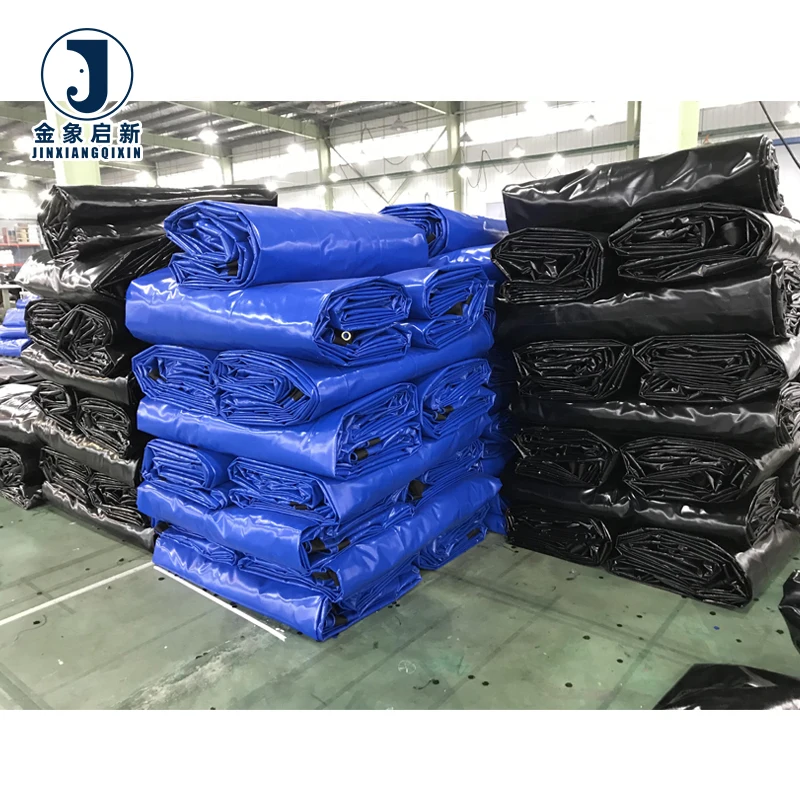
- Store rolls on their core in a shaded area to prevent the PVC coating from bonding to itself under sustained compression
- Deploy the 8ft drop section only after the main body is secured to avoid wind catching an unsecured flap during installation
- Clean with mild detergent; avoid solvent-based cleaners that may attack the plasticizer system within the acid-resistant coating
Starting Your Lumber Tarpaulin Specification
Provide your trailer model dimensions, typical cargo profile, and route climate range so the correct drop length and D-ring configuration can be confirmed. Specify any fire retardant or anti-static grades required by your terminal or insurance policy. Indicate whether you need finished cut tarps with welded seams and installed hardware, or roll stock for in-house fabrication. Request a production sample to validate colour, flexibility at low temperature, and D-ring spacing before authorising a full container order.
Frequently Asked Questions
Q: What is the difference between a lumber tarp, a steel tarp, and a smoke/nose tarp?
A: A lumber tarp has a long drop flap, such as this 8ft design, to cover the height of stacked timber. A steel tarp is typically square with no drop, sized to cover steel coils or bundled pipe. A smoke or nose tarp is smaller, placed at the front of the load to shield cargo from exhaust and road debris. Most flatbed lumber hauls require a lumber tarp combined with a nose tarp for full coverage.
Q: How do I specify the correct drop length and D-ring layout for my trailer?
A: Measure from the top of your load to the trailer deck, then add clearance for strap routing. The 24′ X 27′ dimension with an 8ft drop suits standard lumber stacks; non-standard heights require a custom drop. The 3 rows of D-rings distribute tie-down load; if your strapping pattern uses more anchor points, request a modified D-ring configuration matched to your specific tie-down equipment.
Q: Can the tarp be custom-sized and printed with our fleet branding?
A: Yes. Custom dimensions beyond the standard 24′ X 27′ are produced on the same coating lines, and pattern printing is available for fleet logos or identification markings. The 10-person R&D team develops a printed sample within days for approval before bulk production. Confirm your colour reference and print size early to ensure batch consistency across multiple tarps ordered for the same fleet.
Q: What certifications and test reports are available for UV resistance and flame retardancy?
A: Treatment claims for UV resistance or flame retardancy must be supported by a stated test standard and grade. Request the specific test report applicable to your route or terminal requirements before placing your order. The material specification sheet documents the base fabric and coating; treatment performance is verified separately through third-party testing aligned with your market’s regulatory framework.