Specialist ventilation and technical fabric supply — supported by 100% pre-shipment inspection with full test documentation, so fire-retardant and anti-static compliance is verified before dispatch, not discovered on site.
Technical Specifications
| Parameter | Value |
|---|---|
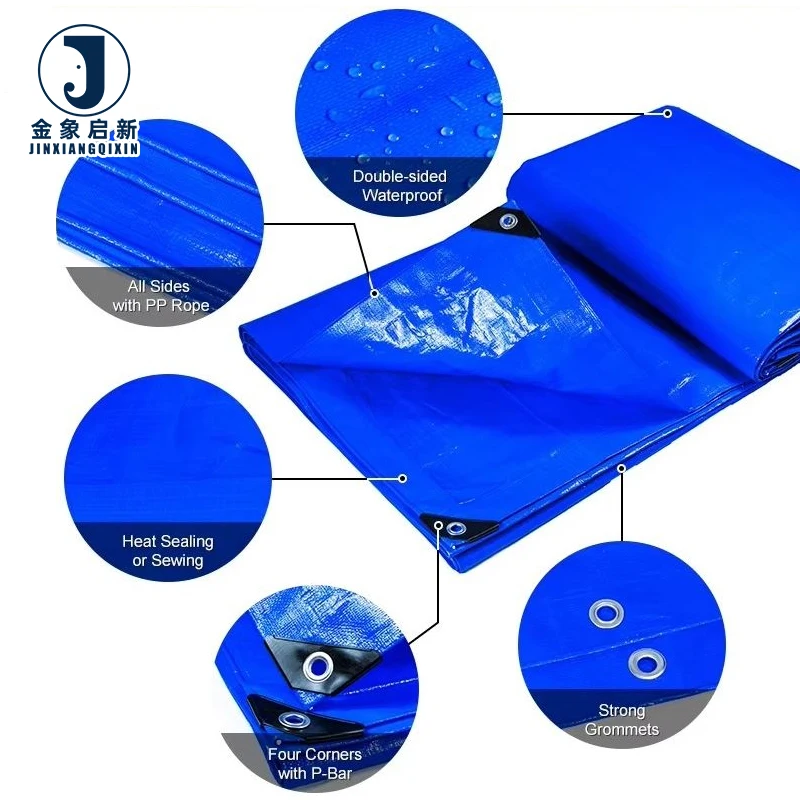
| Product Type | PVC Coated Tarpaulin |
| Weight (GSM) | 250gsm–1500gsm (confirm the grade for your application) |
| Base Fabric Denier | 200D×300D, 500D×500D, 840D×840D, 1000D×1000D |
| Coating Material | PVC |
| Coating Method | Coated and laminated |
| Width | Up to 3 m |
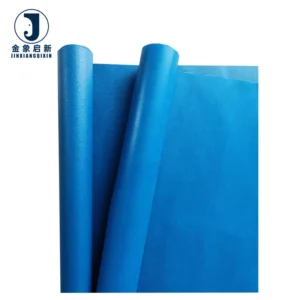
| Color Options | Blue, yellow, black, green, white, and others |
| Surface Finish | Glossy or matte |
| Temperature Range | -15 °C to 70 °C |
| Flame Retardant | FR treated (grade not stated — confirm standard required for your market) |
| UV Treatment | Customized (test basis not stated — request report at inquiry) |
| Anti-Mildew | Anti-fungal treated |
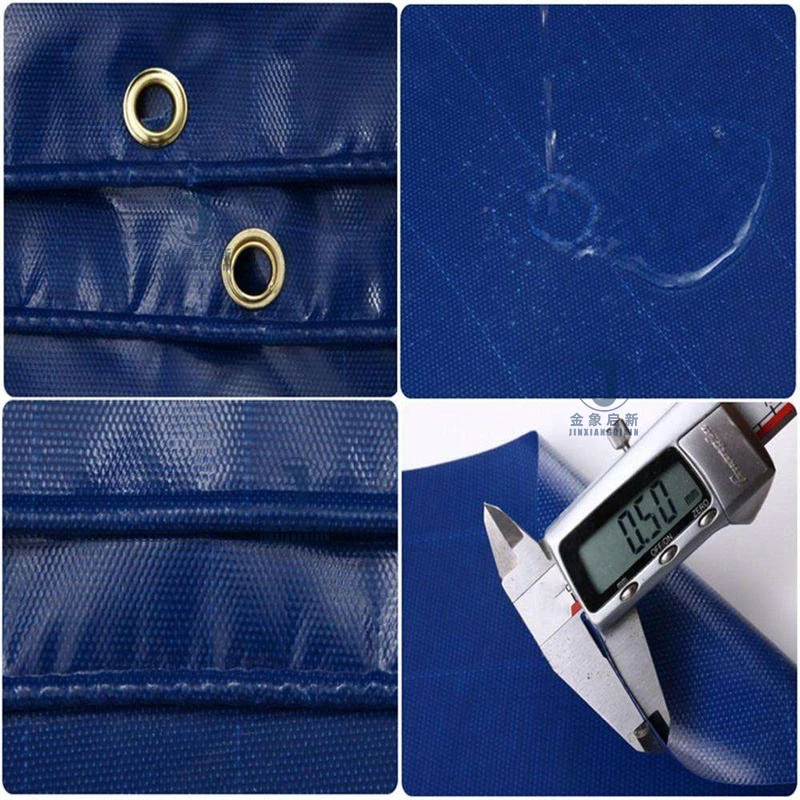
| Waterproof | Water-proof, rain-resistant |
| Size Options | 3×4 m, 6×8 m, 8×10 m, 10×12 m, or custom made |
| Certification | ISO and CE (confirm documentation ships with order) |
Application Suitability
| Application | Exposure & Requirement |
|---|---|
| Inflatable and membrane structures | Sustained internal pressure, wind load cycling, UV exposure, fire code compliance for public occupancy |
| Mining and tunnelling ventilation ducts | Confined-space fire safety, anti-static surface resistance, abrasive particulate-laden airflow |
| Aviation hangar ducting | Fuel vapour environment, strict flame-spread classification, large-diameter flex fatigue |
| Specialist protective covers | Outdoor weathering, equipment moisture protection, fire-retardant compliance on industrial sites |
| Temporary and semi-permanent buildings | Roof and wall tension loads, thermal expansion and contraction, code-mandated flame classification |
Why "Flame Retardant" on a Quotation Is Not Enough Without a Test Certificate
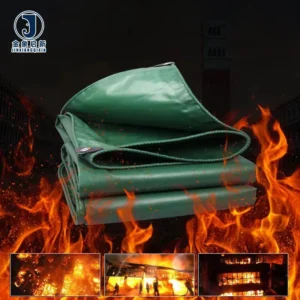
A flame-retardant PVC coated tarpaulin without a documented grade and test standard is a compliance risk, not a safety solution.
When ventilation duct or membrane fabric arrives on site without the fire classification paperwork the inspector requires, the entire installation halts. We see contractors forced to pull material from completed duct runs because the supplier’s quotation said "FR treated" but no test report accompanied the shipment. The cost of rework in confined mining or tunnelling environments far exceeds the effort of verifying documentation before ordering. [NEED_CITE: fire classification standards for flexible ventilation duct materials in underground mining]
Duct Construction and Airflow Integrity
Flexible ventilation duct fabricated from PVC coated tarpaulin must maintain structural shape under positive and negative pressure cycles. The base fabric denier directly determines how the duct wall resists collapse at bends and transitions. Higher denier selections such as 840D×840D or 1000D×1000D provide the dimensional stability needed for large-diameter runs in mining and tunnelling applications, while lighter grades serve smaller temporary ducting where weight and handling speed take priority.
Fire Safety Classification and Site Compliance
The fire-retardant grade required on a mine site differs from that demanded in a public assembly structure. Specifying PVC coated tarpaulin for ventilation duct or membrane use means confirming whether your jurisdiction requires DIN 4102 B1, NFPA 701, M2, or another classification. Request the test report with the stated grade before placing the order — not after the material arrives. Anti-static surface resistance is a separate requirement in explosive atmosphere zones, and must be documented independently of flame-spread testing. [NEED_CITE: anti-static surface resistance requirements for ventilation ducts in explosive dust environments]
How Denier, Coating Weight, and Finish Interact in Technical Fabric
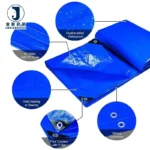
Base fabric denier defines the yarn thickness woven into the scrim, which governs tensile and tear resistance. Coating weight, expressed in GSM, fills the weave gaps and determines surface durability, waterproof integrity, and weldability. A heavy GSM on a low-denier base produces a stiff fabric that may crack at fold lines; a light coating on high-denier yarn leaves exposed weave intersections vulnerable to water ingress. The coating method — coated versus laminated — affects peel strength between layers, which directly influences how well heat-welded seams hold under duct pressure cycling. Surface finish matters too: glossy PVC sheds dust and particulate more easily in airflow applications, while matte surfaces reduce glare in temporary structures where lighting conditions vary. Temperature operating range from -15 °C to 70 °C defines the envelope in which the PVC remains flexible without becoming brittle or tacky — a critical boundary for ducting installed in unheated tunnels or exposed membrane roofs.
The Hidden Cost of Specifying Technical Fabric Without Verified Documentation
Ventilation duct that lacks the fire-retardant or anti-static certification the site mandates leads to failed inspections, work stoppages, and removal costs that dwarf the material price. Colour variation between rolls in a single membrane structure order becomes visible once panels are installed side by side, forcing selective replacement or full re-cladding. Welded seams failing before the fabric itself — typically at the point the duct or cover flexes most — indicate coating-to-substrate adhesion issues that could have been caught during pre-shipment inspection. GSM that arrives lighter than the quotation stated means the coating layer is thinner than specified, reducing both fire performance and abrasion resistance in duct runs carrying particulate-laden air. [NEED_CITE: common failure modes in flexible ventilation duct installations]
Why Procurement Verification Matters at This Level
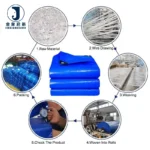
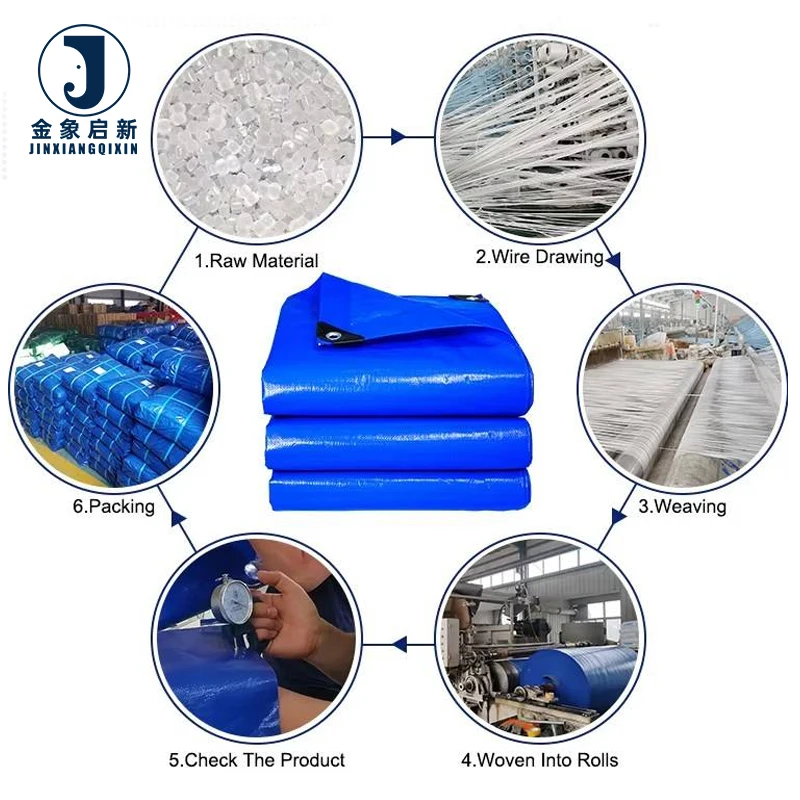
Dedicated QA and QC runs at every production stage, with 100% inspection before shipment — critical for technical fabric where a missed coating defect can cause a duct failure underground. A 10-person R&D team handles material selection and sample development, enabling denier and treatment matching to your specific ventilation or membrane application. Three full production lines and 36 sets of professional equipment support volume orders with consistent roll-to-roll output. Nearly three decades of coated fabric process control means coating weight and adhesion parameters are managed from the line, not checked after the fact. Full documentation packages ship with every dispatch, so the compliance paperwork arrives with the rolls, not weeks later by email.
Documentation & Verification
- Material specification sheet stating GSM, base fabric denier, coating method, and colour reference
- Fire-retardant test report with grade and standard where applicable — confirm at inquiry
- Anti-static surface resistance certificate for mining or confined-space duct orders
- Pre-shipment inspection record with roll-by-roll weight and coating verification
- ISO and CE certificates included with dispatch documentation package
- Certificate of origin and customs support paperwork for cross-border shipment
Fabrication, Handling & Storage
- Heat-weld parameters must match the PVC coating thickness; test weld on offcut before production runs
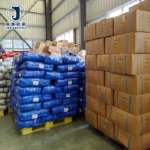
- Store rolls upright on pallets to prevent permanent creasing across the 3 m width
- Allow cold-stored rolls to reach ambient temperature before unrolling to avoid coating micro-cracking
- Use compatible PVC solvent or hot-air welding for seam joints in duct fabrication — adhesive bonding is unreliable on coated surfaces
- Clean glossy finish surfaces with mild detergent only; solvents degrade the plasticizer in the PVC coating
- Cut patterns with allowance for welded seam overlap; nested layouts reduce waste on custom-sized panels
What to Include in Your Inquiry
Provide the ventilation duct diameter, run length, and operating pressure so we can recommend the correct base fabric denier and coating weight. State the fire-retardant classification and anti-static standard your site mandates — this determines the treatment grade and the test report that ships with your order. Specify whether you need roll stock for your own fabrication or finished cut-to-size panels with welded seams and edge reinforcement.
Frequently Asked Questions
Q: What fire-retardant grade and test standard can you supply for this PVC coated tarpaulin?
A: FR treatment is available in multiple grades. The specific standard — such as DIN 4102 B1, NFPA 701, or M2 — depends on your market and application. State the required classification at inquiry and we will confirm the matching treatment grade along with the corresponding test report that ships with your order.
Q: Can you provide anti-static certification for mine or tunnel ventilation duct use?
A: Anti-static treatment is available for ventilation duct applications in explosive atmosphere zones. Surface resistance values are measured and documented per the applicable standard. Confirm the anti-static requirement and the test method your site specifies when submitting your inquiry so the correct documentation accompanies shipment.
Q: How is GSM verified on arrival against the quotation specification?
A: Every roll undergoes weight verification during 100% pre-shipment inspection. The inspection record documents actual GSM per roll against the stated specification. This record ships with the order so you can cross-check on arrival without relying on random sampling.
Q: What documentation ships with the order?
A: Each dispatch includes a material specification sheet, pre-shipment inspection record, roll packing list, certificate of origin, and ISO and CE certificates. Fire-retardant and anti-static test reports ship where applicable based on the treatment grade confirmed at the inquiry stage.
Q: How do I specify base fabric denier for a membrane or inflatable structure application?
A: Denier selection depends on the structural load, wind exposure, and expected flex cycles of your specific design. Higher deniers such as 840D×840D or 1000D×1000D suit large-span membranes under sustained tension. Share your engineering requirements at inquiry and the R&D team will recommend the appropriate base fabric and coating weight combination.