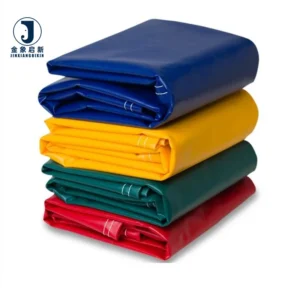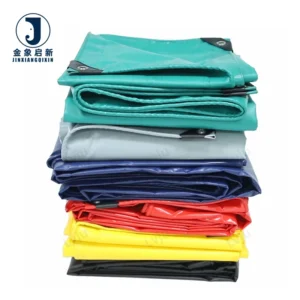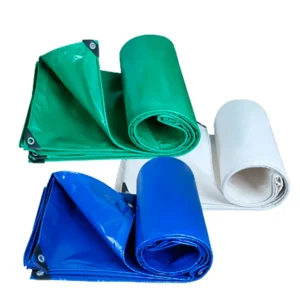



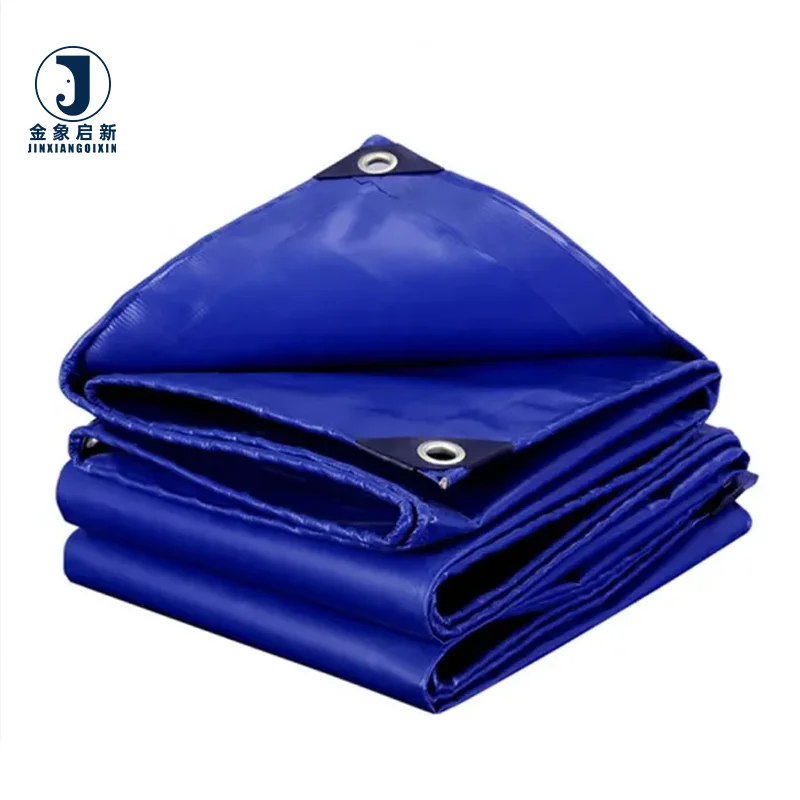
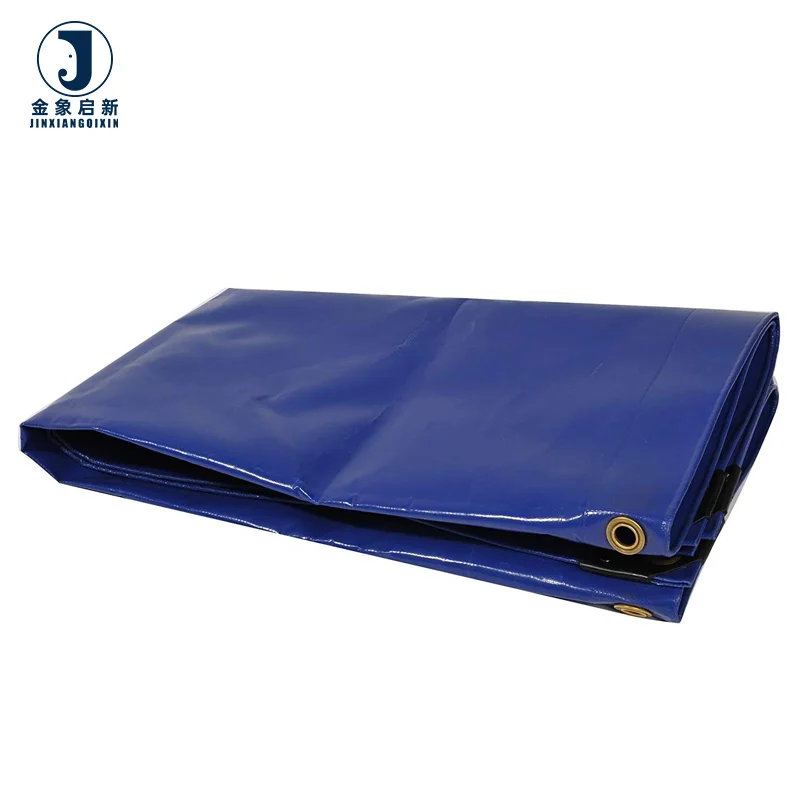
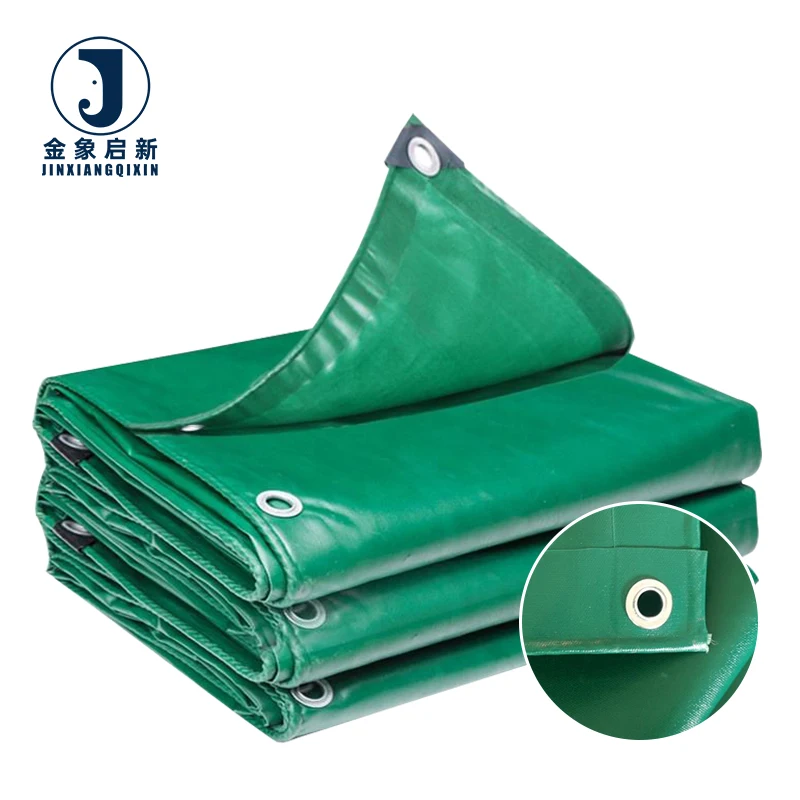
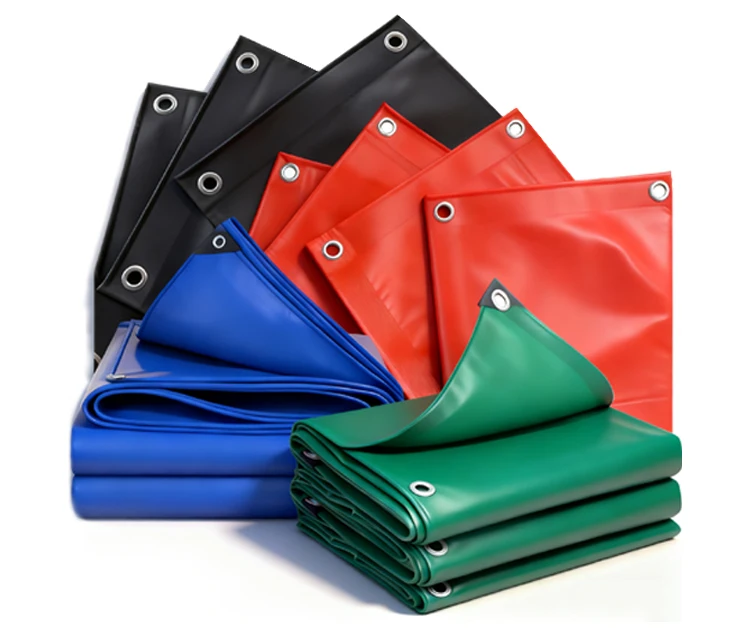
Coating Adhesion Control — Hot-melt and laminated coating processes engineered to maintain bond integrity between the PVC layer and polyester mesh under repeated flex loading in duct and membrane applications.
Technical Specifications
| Parameter | Value |
|---|---|
| Product Type | PVC Knife-Coated Fabric |
| Material | PVC + High-strength polyester mesh fabric |
| Weight Options | 350gsm / 420gsm / 500gsm / 550gsm / 600gsm / 750gsm |
| Total Thickness | 0.32mm / 0.35mm / 0.4mm / 0.45mm / 0.5mm / 0.65mm |
| Roll Size | 2m width × 75m length / 2.1m width × 50m length |
| Coating Method | Laminated technology & Hot-melt Coating technology |
| Colour Range | Blue / Red / Yellow / Light Blue / Grey (custom colours available) |
| Key Features | Cold crack resistance, anti-mildew, anti-static treatment (grade not stated — confirm requirement), waterproof, sunproof (test basis not stated — verify against site requirement), colour fastness, outstanding tearing strength for welding |
| Standards | ISO, CE |
Application Suitability
| Application | Exposure & Requirement |
|---|---|
| Mining and tunnelling ventilation ducts | Continuous airflow, underground humidity, fire-retardant and anti-static compliance, mechanical flex from air pressure cycling |
| Aviation hangar membrane structures | Wind loading, UV exposure, large unsupported spans, certified material documentation |
| Construction site air management ducts | Temporary installation, abrasion from site handling, dust and moisture ingress, compliance audits |
| Inflatable and temporary structures | Repeated inflation cycles, seam stress at weld lines, transport and redeployment |
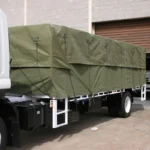
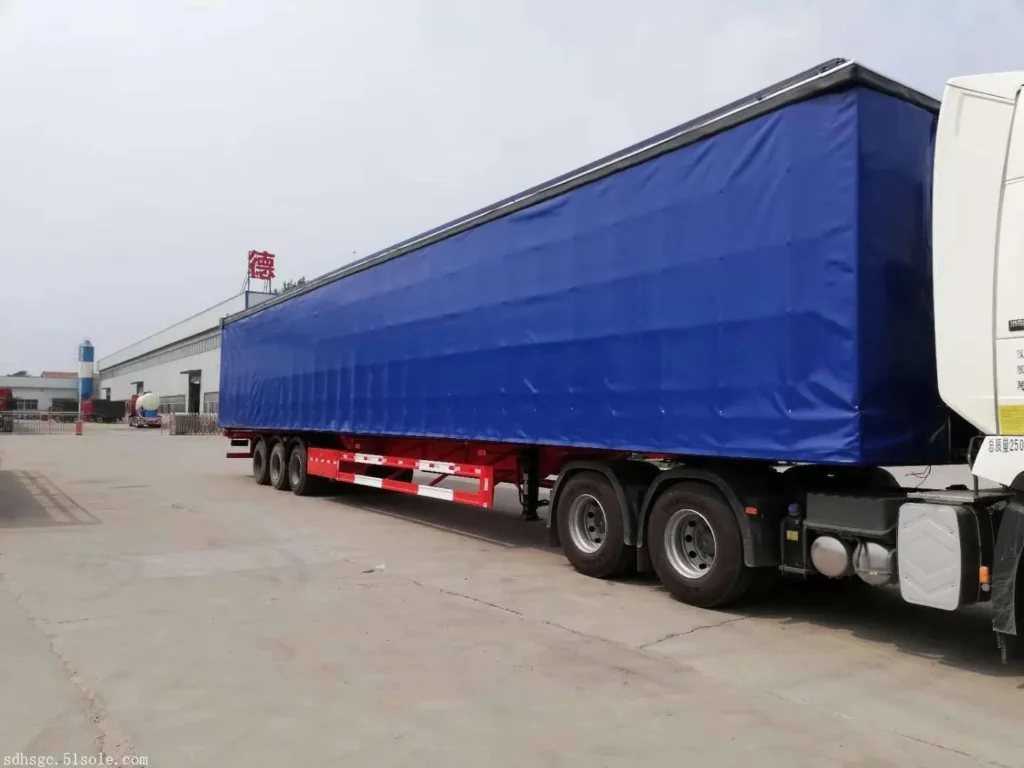
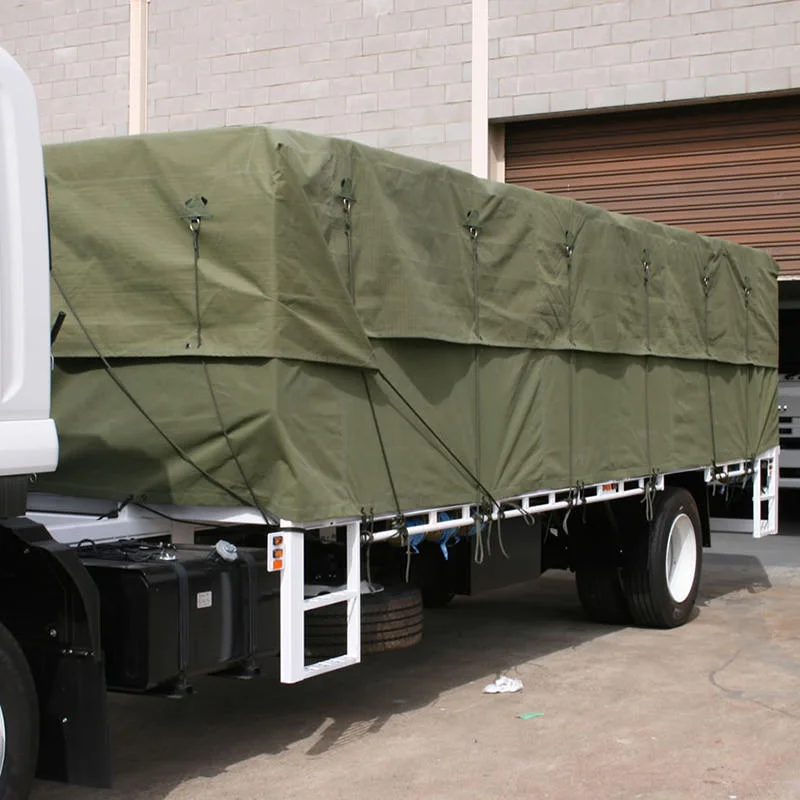
| Heavy-duty truck and cargo covers | Road abrasion, weather exposure, tie-down flex points, colour consistency across panels |
Why Certified PVC Coated Tarpaulin Matters for Ventilation Compliance
Every roll ships with documented test reports matching the fire-retardant and anti-static grades your site mandates.
Ventilation duct fabric regularly arrives on site without the certification paperwork the safety officer requires, halting installation until documentation catches up. In mining and tunnelling, the absence of a valid anti-static test report can shut down an entire ventilation circuit. We have supplied PVC coated tarpaulin fire retardant and anti-static grades to contractors who previously spent weeks chasing missing certificates from other mills [NEED_CITE: fire-retardant and anti-static compliance requirements for underground ventilation per regional mining regulations]. The specification on paper must match the roll that arrives — and the paperwork must arrive with it.
Hot-Melt Coating and Weld Integrity in Duct Construction
Ventilation ducts fail most often at the welded seam, where flex loads concentrate during air pressure cycling. The hot-melt coating technology used in this PVC knife-coated fabric produces a consistent bond between the PVC layer and the polyester mesh base, giving fabricators a reliable surface for high-frequency welding. When the coating adhesion is uneven, the weld line peels before the fabric body reaches its tear limit. Consistent coating weight across the roll width means the welder can set parameters once and maintain them through the full production run.
Anti-Mildew Treatment for Underground and Enclosed Environments
Mining ventilation ducts operate in high-humidity conditions where moisture accumulates on the inner surface between shifts. Anti-mildew treatment is integrated into the PVC compound to resist fungal growth that degrades the coating and weakens the base fabric over time. In construction dewatering and temporary enclosures, the same treatment prevents staining and odour buildup during extended deployment. The treatment persists through normal handling and redeployment cycles without requiring reapplication in the field.
Reading the Specification Sheet Beyond GSM
Weight in GSM is a starting point, not a complete picture. A 550gsm fabric with a loosely woven base mesh can tear more easily than a 500gsm fabric with a tighter denier count and higher yarn tenacity. The coating method — laminated versus hot-melt — determines how well the PVC penetrates and bonds to the polyester yarns, directly affecting peel strength and weldability. Thickness values from 0.32mm to 0.65mm correlate with coating build, which influences abrasion resistance and stiffness during fabrication. For duct applications, the balance between flexibility for folding during transport and stiffness for maintaining duct shape under negative pressure is where GSM and thickness selection converge [NEED_CITE: relationship between coating weight, base fabric construction and tear performance per ISO 1421].
The Cost of Specifying Without Verification
When a ventilation duct specification calls for anti-static fabric but the incoming roll carries no surface resistance data, the installer discovers the gap during the compliance audit — after fabrication is complete. Rework at that stage means cutting, welding and deploying an entirely new set of ducts on a compressed timeline. Similarly, flame-retardant grades that are claimed without a supporting test report leave the contractor exposed during site inspection. Colour variation between rolls in the same order becomes visible once panels are hung side by side on a membrane structure, forcing selective replacement that delays handover. These are not material defects; they are specification and verification failures that compound through the supply chain [NEED_CITE: coated fabric batch consistency and pre-shipment inspection standards].
What This Supply Chain Delivers for Technical Buyers
Three full production lines and 36 sets of professional equipment support bulk roll output with consistent coating weight across the production run. The 10-person R&D team develops custom width, colour and treatment samples within days, reducing the gap between specification and approval. Dedicated QA and QC inspection at every stage — base fabric incoming check, coating weight verification, finished roll audit — means the roll that ships matches the roll that was specified. Pre-shipment inspection covers every roll in the order, not a statistical sample. Documentation is assembled per shipment, not per product family, so the certificates you receive correspond to the exact material on your dock.
Documentation & Verification
- Material specification sheet stating GSM, base fabric type and coating method for each roll
- Fire-retardant test report matched to the grade specified on the purchase order
- Anti-static surface resistance data provided where treatment is applied
- ISO and CE certificates included in the shipment documentation package
- Pre-shipment inspection record confirming weight and colour per roll
- Certificate of origin and customs documentation for cross-border shipment
Fabrication, Handling & Storage
- High-frequency welding parameters should be calibrated to the specific GSM and coating thickness of the roll in production
- Store rolls upright on end cores to prevent flat spots that distort the mesh weave during unrolling
- Cold crack resistance allows deployment in low temperatures, but unroll gradually to avoid crease damage
- Cut patterns to maximise yield from the 2m or 2.1m roll width and reduce transverse weld seams in duct runs
- Clean with mild detergent only; solvent-based cleaners can degrade the PVC coating surface over repeated use
Preparing Your Enquiry
Provide the ventilation or structure application, the fire-retardant and anti-static grades your site mandates, and the roll width and annual volume you require. If you need custom colour matching or finished panel dimensions rather than roll stock, include drawings or reference dimensions with your enquiry. Sample development is available before bulk commitment so you can validate weld parameters and treatment certification on your own equipment.
Frequently Asked Questions
Q: Can you supply fire-retardant and anti-static test reports for my mining or construction site?
A: Yes. Specify the fire-retardant grade and anti-static standard required by your site safety regulations when you enquire. Test reports are generated per production batch and shipped with the documentation package. If your market requires a specific classification such as M2, B1 or NFPA 701, confirm the exact reference so the correct test protocol is applied.
Q: How do I verify the GSM matches what was quoted?
A: Each roll undergoes weight verification during pre-shipment inspection and the results are recorded in the inspection report. You can conduct an independent GSM check on arrival by cutting a measured sample from the roll end. Our inspection documentation provides the baseline for comparison against your purchase order specification.
Q: What is the minimum order for custom width or colour?
A: Custom widths and colours are produced on dedicated runs, and minimums depend on the specific GSM and coating thickness selected. Provide your target specification and annual volume so we can confirm the production minimum and lead time. Sample rolls are available for approval before the full order enters production.
Q: How do welded seams perform under repeated flex loading in ventilation ducts?
A: The hot-melt coating technology produces strong adhesion between the PVC and the polyester mesh, giving the weld zone tearing strength comparable to the fabric body. Weld parameters must be calibrated to the material thickness. We recommend test welds on sample material before full production to confirm seam integrity under your specific duct pressure conditions.
Q: What lead time applies to custom specifications?
A: Lead time depends on the GSM, width, colour and treatment combination required. Standard roll sizes in stock colours ship faster than custom production runs. Provide your full specification including fire-retardant and anti-static treatment requirements so we can confirm a realistic dispatch date aligned with your project schedule.