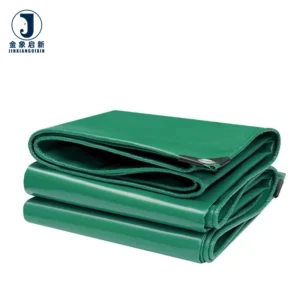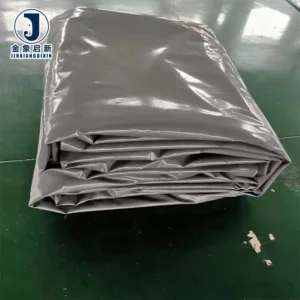
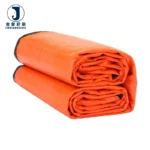
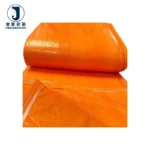
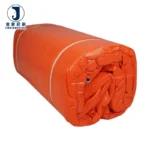
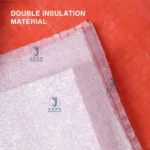
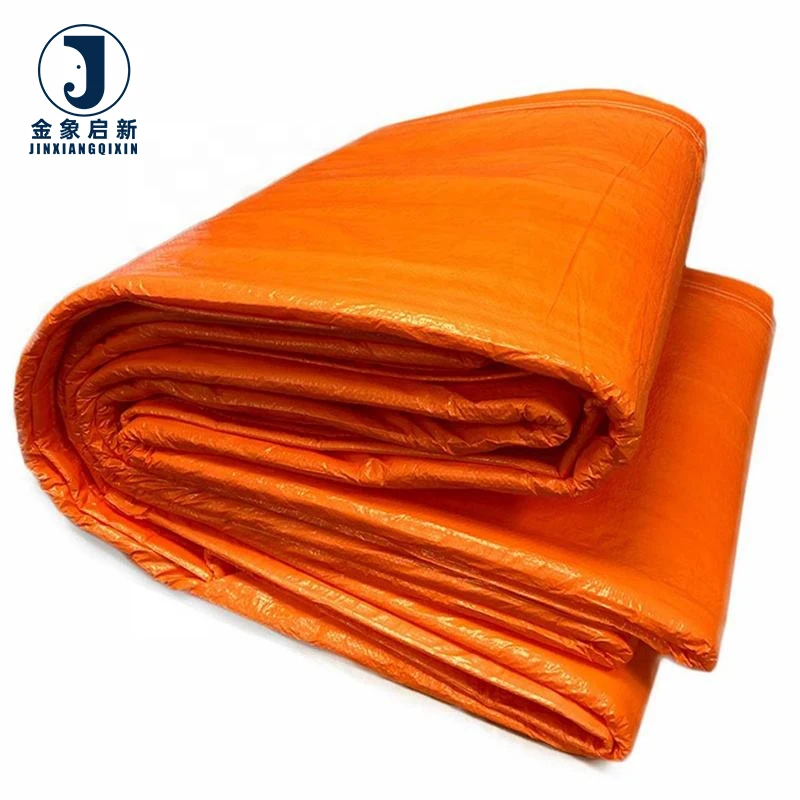
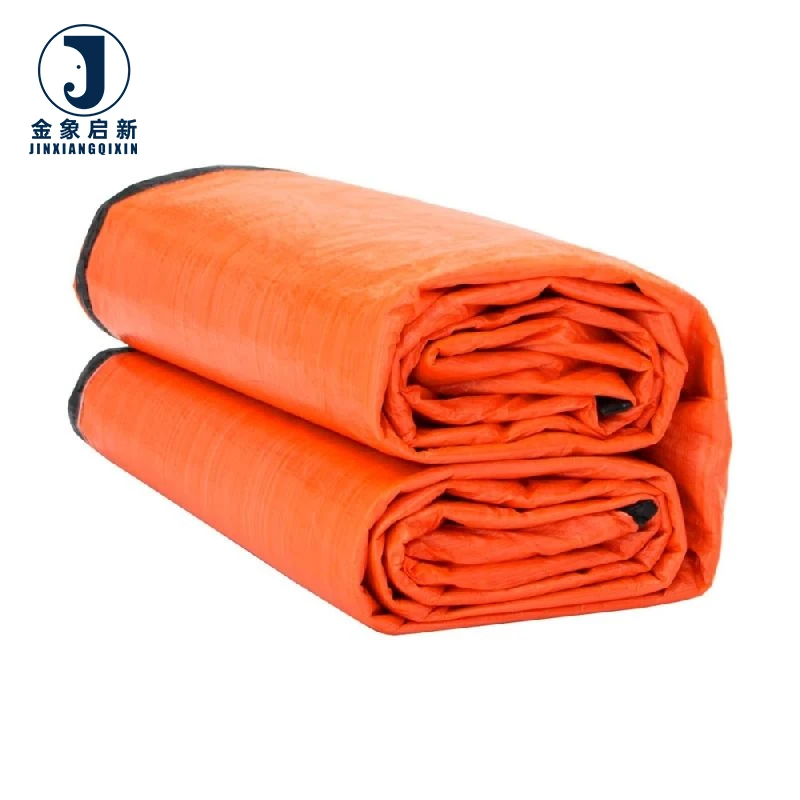
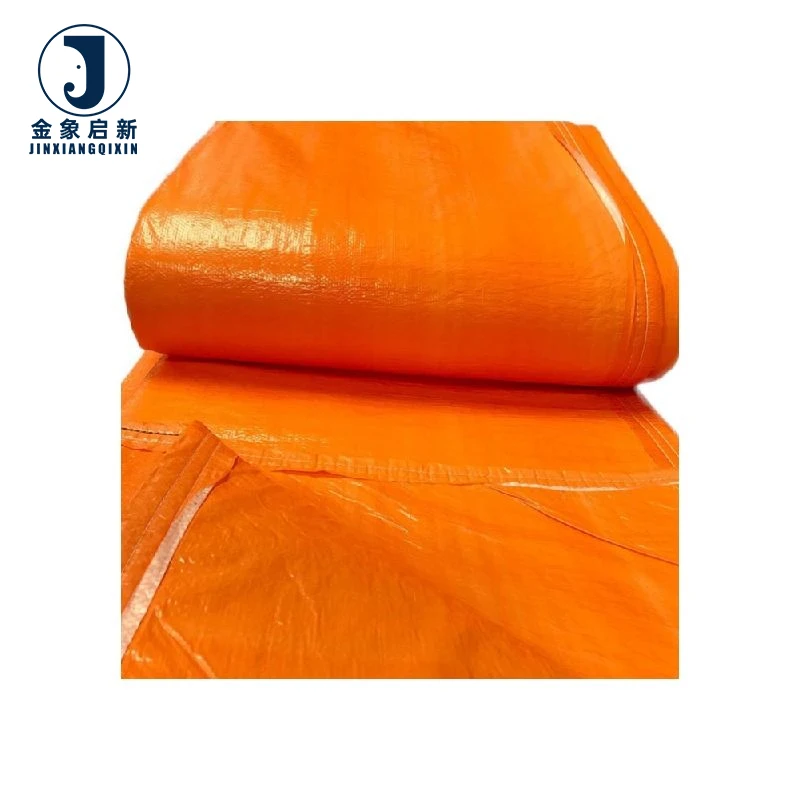
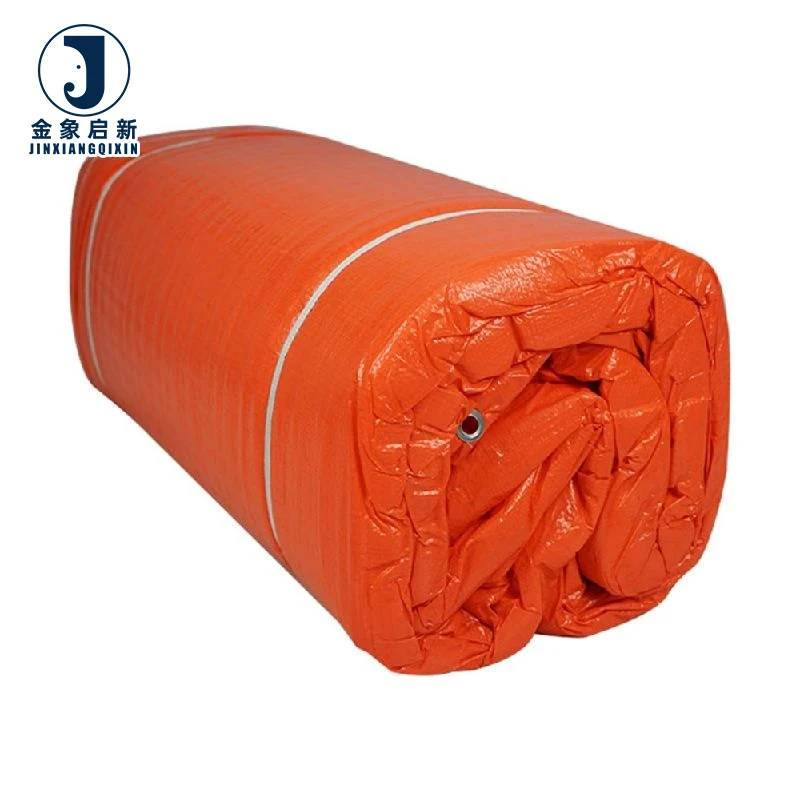
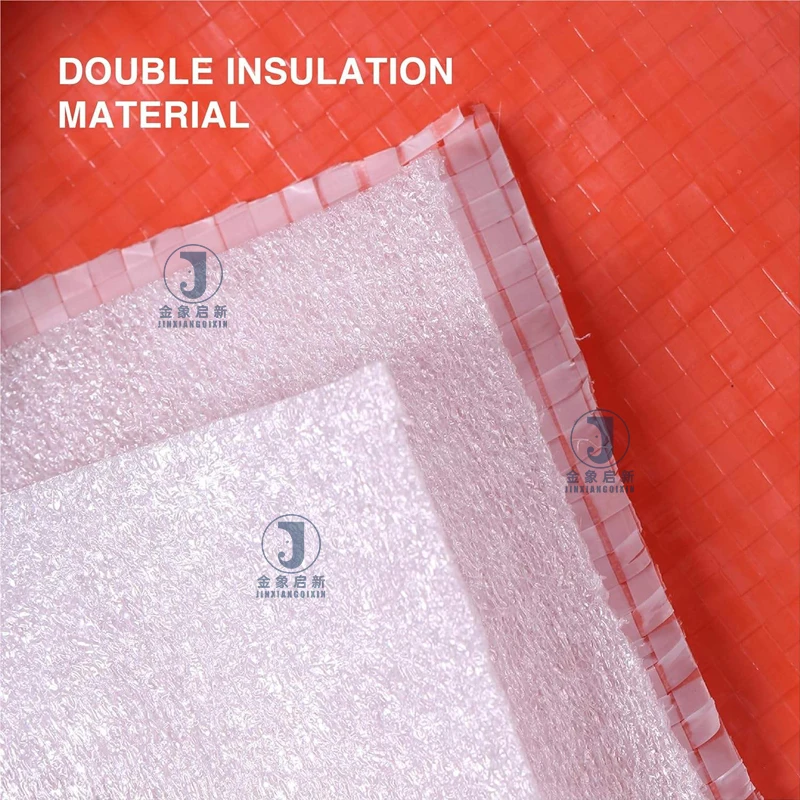
Closed-Cell Core Engineering — three-layer PE foam insulation blankets developed with strict process control over core thickness and adhesion, verified at every production stage before dispatch.
Technical Specifications
| Parameter | Value |
|---|---|
| Product Type | Insulated Tarpaulin |
| Structure | PE cloth + closed cell PE foam core + PE cloth |
| Dimensions | 6ft x 24ft / 8ft x 25ft / 12ft x 20ft / 12ft x 24ft |
| Thickness Options | 2x2mm, 3×1.5mm, 1x4mm, 5mm, 6mm, 8mm, 12mm |
| Color Options | Orange, Black, White, Silver, Customized color |
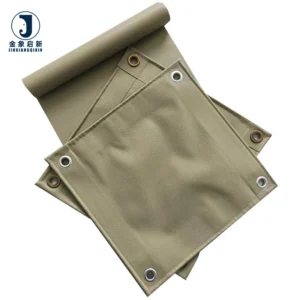
| Grommet Configuration | Aluminum grommets, hole distance 61cm and 91.5cm |
| Edge Finish | Reinforcement stitch with rust-proof brass grommets around finished edges |
| Surface Treatment | UV resistant (built into base fabric — test basis not stated) |
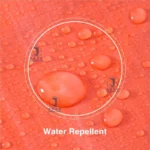
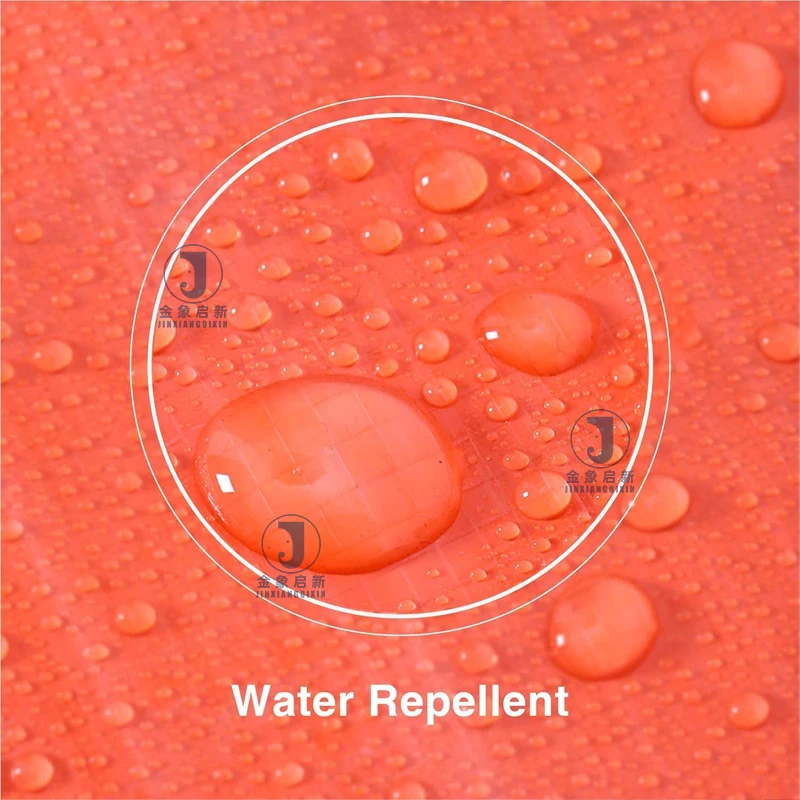
| Waterproof | Yes, surface fabric is waterproof |
| Mildew Resistance | Resistant to mildew |
| Wind Resistance | Withstand medium to high winds |
| Fire Retardant | Available in fire retardant grades — confirm the grade required for your site |
Application Suitability
| Application | Exposure & Requirement |
|---|---|
| Cold-weather concrete curing | Sustained thermal retention, ground moisture, freeze-thaw cycling, repeated placement and removal |
| Heated enclosure insulation | Temperature differential across the blanket, wind load on vertical panels, abrasion against scaffolding |
| Vertical wind block and building enclosure | Medium to high wind pressure, prolonged UV exposure, mechanical stress at grommet fixings |
| Snowy and rainy day outdoor coverage | Continuous water contact, snow load, mildew risk in humid conditions |
Why Thickness Grade Matters More Than a Generic "Insulated" Label on Your Curing Blanket
An insulated concrete curing blanket without a verified core structure and thickness grade is just a standard tarp with extra weight.
Procurement teams often specify "insulated blanket" on the purchase order and receive a product that looks the part but fails to hold temperature once the ambient drops. The core layer is where the thermal performance lives. If the closed cell PE foam is thinner than stated, or if the outer PE cloth layers delaminate under repeated flexing, the entire curing operation loses its temperature envelope. I have seen heated enclosures lose critical degrees overnight because the blanket core did not match the insulation demand of the pour [NEED_CITE: thermal resistance verification methods for construction insulation blankets]. The result is concrete that cures unevenly or falls below the minimum temperature threshold, triggering costly rework or structural rejection.
Closed-Cell Foam Core and Thermal Retention Under Site Conditions
The Insulated Tarpaulin relies on a closed cell PE foam core sandwiched between two waterproof PE cloth layers. Closed cell structure means each foam cell is sealed, preventing moisture ingress that would otherwise degrade insulation performance over time. On a winter pour, this core is the barrier between the heat generated inside the enclosure and the sub-zero air outside. The multiple thickness options — from 2x2mm up to 12mm — allow you to match the blanket to the specific temperature differential your curing operation demands.
Grommet Spacing and Edge Reinforcement Under Wind Load
Medium to high winds are the primary mechanical threat to any vertical enclosure or horizontal blanket on an exposed site. The aluminum grommets at 61cm and 91.5cm intervals, combined with reinforcement stitching and rust-proof brass grommets along finished edges, distribute tie-down load across a wider area of the PE cloth. This matters because concentrated stress at a single fixing point will tear through the outer layer long before the foam core fails. Consistent grommet spacing also ensures the blanket sits flat against the formwork or scaffolding, eliminating air gaps that undermine thermal performance [NEED_CITE: wind load testing standards for temporary building enclosures].
Reading the Thickness Options Against Your Insulation Demand
The available thickness grades — 2x2mm, 3×1.5mm, 1x4mm, 5mm, 6mm, 8mm, 12mm — are not arbitrary. The notation indicates either a single core layer or a multi-layer build-up. A 2x2mm blanket uses two 2mm foam layers, while 1x4mm uses a single 4mm layer. Multi-layer constructions can offer slightly different flex characteristics and compression resistance compared to a single thicker core of equivalent total thickness. For concrete curing in deep winter conditions, a higher total thickness such as 8mm or 12mm provides greater thermal resistance. For milder cold-weather protection or short-duration enclosure work, 5mm or 6mm may be sufficient. The correct choice depends on the target curing temperature, the expected minimum ambient, and the duration the blanket must remain in place. The waterproof PE cloth outer layers on both sides ensure the core stays dry, which is essential because any moisture absorbed into an insulation layer dramatically reduces its effective thermal resistance.
The Hidden Cost of Specifying the Wrong Insulation Grade
When the thickness grade is too low for the ambient conditions, the concrete surface temperature drops below the curing threshold and strength development stalls. This is not always visible until core samples are tested days later. Conversely, over-specifying thickness adds weight and bulk without proportional benefit, making handling and placement slower on a busy site. Batch colour inconsistency across blankets installed side by side on a visible building enclosure creates a patchwork appearance that reflects poorly on the contractor. Grommets that pull through under the first strong gust mean the blanket lifts, the enclosure loses heat, and the crew is back out in the cold re-securing the perimeter [NEED_CITE: common failure modes in temporary heated enclosure installations].
Why Source Your Insulated Blankets Here
Deep process control over coating weight and lamination adhesion means the PE cloth bonds reliably to the closed cell foam core across every unit in your order. Three full production lines and 36 sets of professional equipment support bulk volumes with consistent on-time delivery, so your winter pour schedule is not waiting on delayed material. A 10-person R&D team handles custom sizing, colour matching, and sample development within days for project-specific requirements. Dedicated QA/QC runs at every production stage, with 100% inspection before shipment verifying grommet spacing, edge reinforcement, and thickness consistency. Full documentation packages accompany every dispatch, from material specification sheets to pre-shipment inspection records.
Documentation & Verification
- Material specification sheet stating core structure, total thickness grade, and surface PE cloth composition
- Fire retardant test report provided where applicable — confirm the grade your site safety plan requires
- Pre-shipment inspection record confirming grommet spacing at 61cm and 91.5cm and edge stitch integrity
- UV treatment verification documentation for extended outdoor exposure applications
- Roll and unit packing list with batch reference for colour consistency traceability
Fabrication, Handling & Storage
- Reinforcement stitching along all edges requires industrial-grade thread compatible with PE cloth to prevent seam failure under tension.
- Aluminum and brass grommets should be inspected after each use cycle for deformation before re-deploying the insulated concrete curing blanket.
- Store blankets flat or rolled on a core — folding compresses the closed cell PE foam and reduces insulation performance at the crease.
- Clean with mild detergent only; solvents can degrade the PE surface layer and compromise the UV treatment built into the base fabric.
- When joining multiple 12ft x 24ft units for large enclosures, overlap edges by at least 15cm to prevent thermal bridging at the seam.
What to Include in Your Inquiry
Provide the specific application — concrete curing, heated enclosure, or vertical wind block — along with the expected minimum ambient temperature and duration of use. Specify the thickness grade you require or the insulation performance target so we can recommend the correct core build-up. Confirm whether fire retardant certification is mandated by your site safety regulations and which standard applies. Indicate the quantities and whether you need standard sizes or custom dimensions, along with any colour requirements for batch consistency across the order.
Frequently Asked Questions
Q: What fire-retardant or anti-static certification does the insulated blanket carry for construction site compliance?
A: Fire retardant grades are available for this Insulated Tarpaulin, but the specific certification depends on the grade selected. Before placing your order, confirm which standard your site safety plan or local building code requires — such as NFPA 701 or a regional equivalent — and we will supply the matching test report with your shipment.
Q: How is the insulation performance verified — is there a thermal resistance test report?
A: The closed cell PE foam core provides thermal resistance through its sealed cell structure and thickness grade. A material specification sheet stating core structure and total thickness is included with every order. If your project requires a specific R-value or temperature retention test, request this during the inquiry stage so the appropriate documentation can be prepared [NEED_CITE: thermal testing standards for insulated construction blankets].
Q: How do you control batch colour consistency when ordering multiple blankets for the same project?
A: Colour matching is managed at the PE cloth extrusion stage, with in-process QA checks across the production run. A pre-shipment inspection record confirms consistency. For large orders installed side by side on a visible building enclosure, we recommend requesting a production sample for approval before the full batch runs.
Q: What custom sizes and thickness grades are available beyond the standard options?
A: Custom dimensions and thickness configurations beyond the standard 6ft x 24ft through 12ft x 24ft range can be developed by the R&D team, with samples produced within days. Minimum order quantities apply to non-standard sizes. Provide your required dimensions and total quantity in the inquiry for a lead time and minimum confirmation.
Q: How are stitched edges and grommet fixings tested for durability under wind load?
A: Edge reinforcement stitching and grommet placement at 61cm and 91.5cm intervals are verified during the 100% pre-shipment inspection. Pull-through resistance depends on correct installation and tie-down technique — distribute load across multiple grommets rather than concentrating tension on a single point, particularly on vertical wind block installations exposed to sustained gusts.