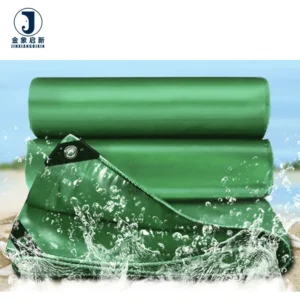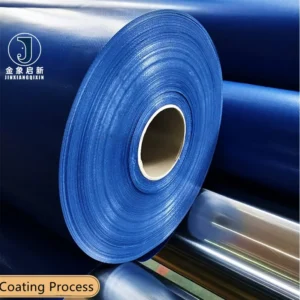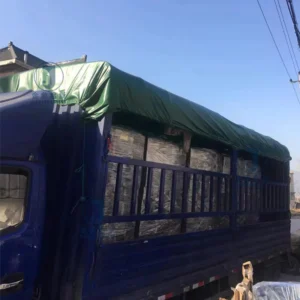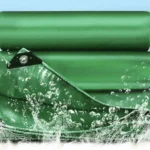
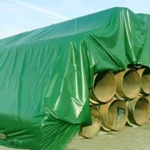
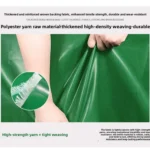

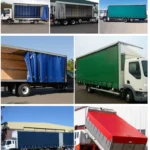
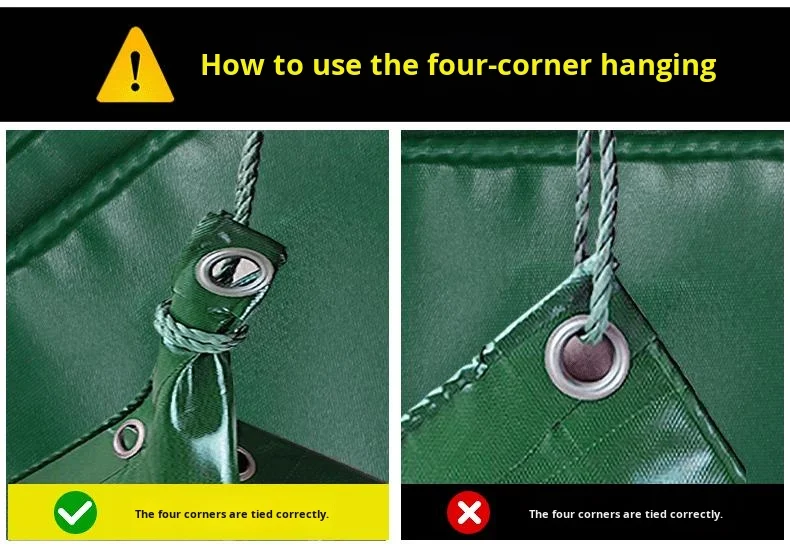
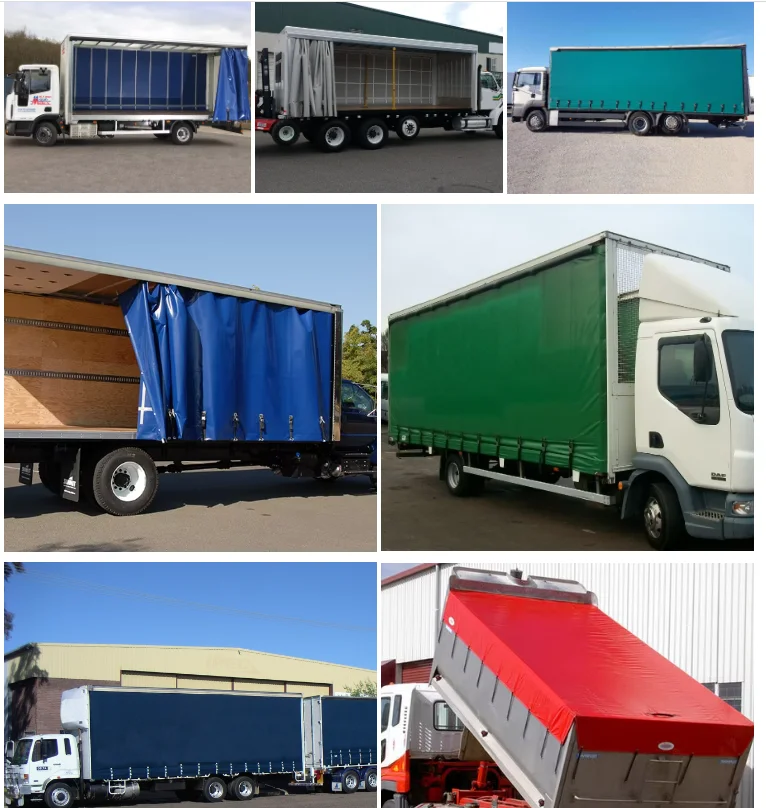
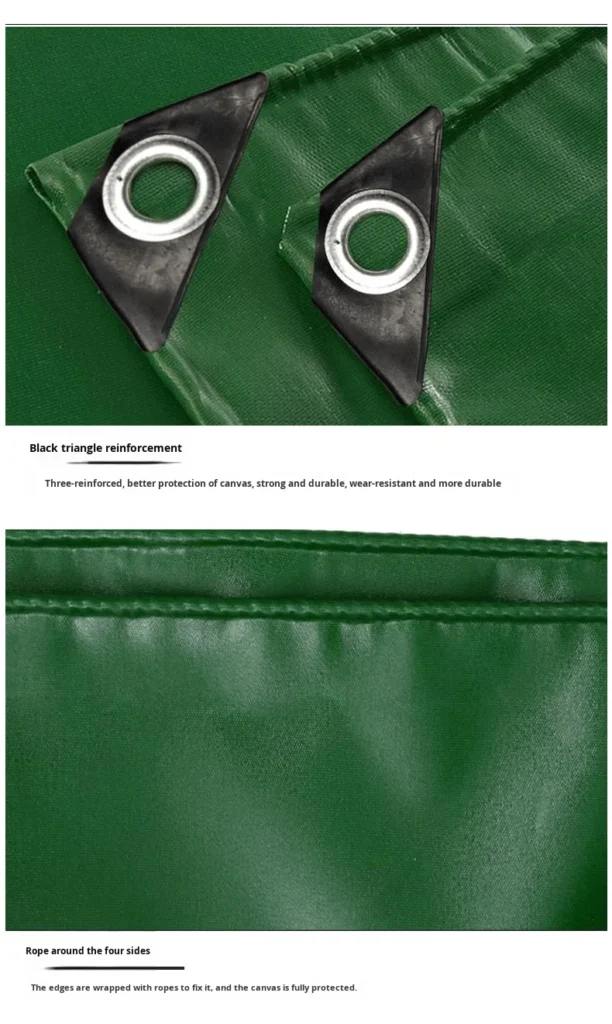
Deep Process Control — coating weight and base fabric adhesion verified at every production stage for specialist ventilation and membrane structure fabric.
Technical Specifications
| Parameter | Value |
|---|---|
| Product Type | PVC Knife Coated Fabric |
| Coating Method | Knife Coated |
| Welding Options | HF, Hot Air, Sewing |
| Fire Retardant | Available in fire retardant grades — confirm the grade required for your market |
| UV Resistance | Available with UV treatment — test basis to be confirmed per project |
| Anti-Mildew | Antibacterial and mildew proof |
| Chemical Resistance | Oil and stain resistance, acid and alkali resistance |
| Temperature Resistance | High temperature and cold resistance |
| Surface Finish | Self-cleaning surface, anti-oxidation |
| Flexibility | Highly flexible, resistant to cracking |
Application Suitability
| Application | Exposure & Requirement |
|---|---|
| Mining and tunnelling ventilation ducts | Continuous airflow, dust loading, anti-static and flame retardant compliance underground |
| Airport hangars and aviation structures | Large-span membrane, fire retardant certification for enclosed aircraft storage |
| Stadium tensile architecture | Wind load, UV exposure, structural flexing at anchor points |
| Portable and modular storage structures | Repeated assembly and teardown, weather exposure, seam integrity under load |
| Inflatable and air-supported structures | Constant internal pressure, flex fatigue at folds, airtight weld seams |
Why "Fire Retardant" Without a Grade Is Not Enough for Your Site
Every ventilation duct or membrane structure installed in a regulated environment must pass a compliance audit. PVC knife coated fabric fire retardant anti-static certified to a named standard is the only specification that gets you through inspection. A test report referencing the exact grade your jurisdiction demands is what separates approved fabric from rejected material.
I have seen membrane structure projects halted at final inspection because the fabric supplier stated "fire retardant" on the quotation but provided no certificate linking the material to B1, M2, or NFPA 701. The contractor had already fabricated and installed the panels. The cost of replacement and downtime far exceeded the original material savings [NEED_CITE: fire classification standards for architectural membrane structures]. Mining ventilation ducts face even tighter scrutiny — anti-static surface resistance must be documented before the duct enters the underground environment.
Fire Retardant and Anti-Static Compliance for Regulated Sites
Aviation hangars, mining tunnels, and public stadium structures each carry distinct fire safety codes. This PVC knife coated fabric is available in fire retardant grades that align with project-specific requirements — the exact grade and test standard must be confirmed before production begins. Anti-static treatment is equally critical in mining and tunnelling ventilation, where dust ignition risk demands documented surface resistance values. We supply the test report matching the grade your compliance officer needs to sign off on site.
Welding Compatibility Across Duct and Membrane Fabrication
Duct fabrication and tensile membrane assembly rely on different joining methods. This fabric supports HF welding for airtight duct seams, hot air welding for field joints and repairs, and sewing for structural panels where mechanical fastening is specified. The knife coated construction delivers consistent coating adhesion across the weld zone — a factor that directly determines whether the seam outlasts the fabric under flex and wind load [NEED_CITE: weld peel strength test methods for coated fabrics]. Fabricators working with multiple joining methods on a single project can standardise on one material without switching between product families.
What the Specification Sheet Actually Tells You
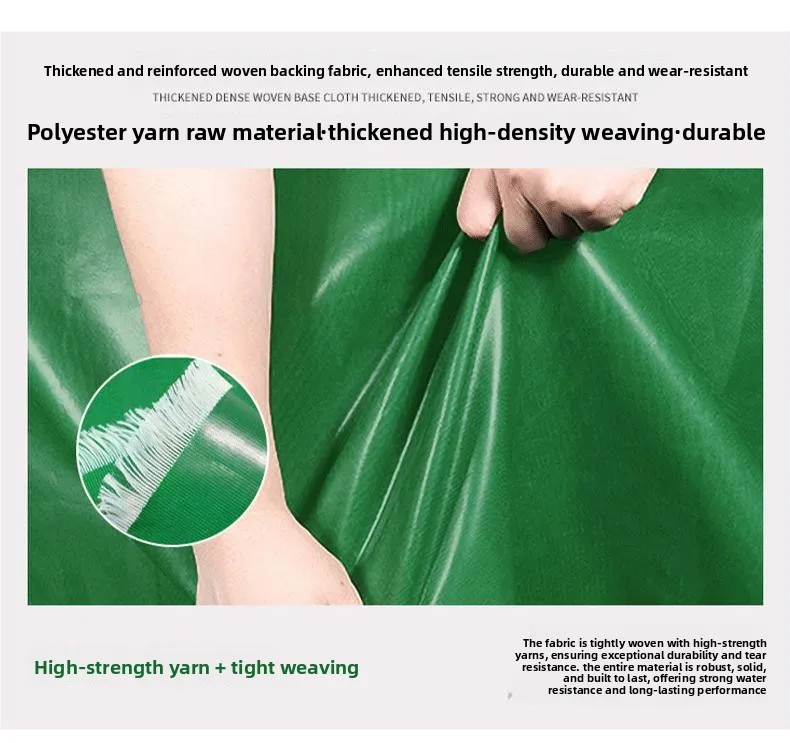
The knife coating process applies PVC directly to the base fabric under controlled blade pressure, building a thicker coating layer than laminated alternatives. This produces higher peel strength at the coating-to-yarn bond, which matters when welded seams are subjected to repeated flex cycles in ventilation ducts or tensile membrane anchor points. The self-cleaning surface treatment reduces dirt accumulation on outdoor structures, limiting maintenance cycles on stadium roofs and shade systems. Acid and alkali resistance protects the coating in environments where chemical exposure is routine, such as mining ventilation where dust and reagent contact occur. Cold resistance and high temperature resistance together define the operating envelope — the fabric maintains flexibility without cracking at low temperatures and resists softening at elevated temperatures, both critical for structures exposed to seasonal variation.
The Cost of Specifying Too Late
Ordering membrane fabric without confirming the fire retardant grade against local building code leads to failed inspections after installation. Ventilation ducts shipped without anti-static documentation get rejected at the mine gate. Weld parameters set for a different coating method produce seams that delaminate under duct pressure or wind uplift on tensile structures. Batch-to-batch variation in coating weight becomes visible only when panels are installed side by side on a stadium facade [NEED_CITE: coating weight consistency and visual uniformity in architectural membrane panels]. Each of these failures traces back to specification gaps at the inquiry stage, not to the fabric itself.
Why Specialist Contractors Source This Fabric Here
Three full production lines and 36 sets of professional equipment support volume orders for large-scale ventilation duct and membrane structure projects without compromising lead time. A dedicated 10-person R&D team handles material selection and sample development, providing project-specific fabric formulations rather than forcing a stock grade into an application it was not designed for. QA inspection at every production stage catches coating weight deviation before the roll leaves the line, not after it arrives on site. Samples are developed within days when a project demands a specific fire retardant grade, width, or colour confirmation. Pre-shipment inspection covers every roll in the order, ensuring the material that arrives matches the specification that was approved.
Documentation & Verification
- Material specification sheet stating base fabric denier, coating weight, and fire retardant grade with test standard
- Test report for UV and flame-retardant grades matched to the jurisdiction your project operates in
- Anti-static surface resistance documentation where mining or tunnelling regulations require it
- Pre-shipment inspection record confirming roll-to-roll consistency in coating weight and colour
- Certificate of origin and customs documentation for cross-border project delivery
Fabrication, Handling & Storage
- HF welding parameters should be calibrated to the knife coated PVC layer to achieve full peel strength at duct seams
- Hot air welding on site requires consistent travel speed to maintain bond integrity across membrane structure joints
- Store rolls upright on a flat surface to prevent permanent creasing in the coated layer before fabrication
- Cold-weather transport requires gradual unfolding at ambient temperature to avoid cracking the coated surface
- Sewn panels should use UV-stable thread matched to the fabric weight to prevent seam degradation before the panel itself
What We Need to Quote Your Project
Provide the application type — ventilation duct, tensile membrane, inflatable structure — along with the fire retardant grade and test standard your jurisdiction requires. Confirm the required roll width, total linear metres, and whether you need the fabric supplied as roll stock or as cut-to-size panels. If anti-static compliance applies, state the surface resistance range your site specification calls for. Colour and surface finish requirements help us prepare accurate samples before production commitment.
Frequently Asked Questions
Q: What fire retardant grades and test standards are available for this fabric?
A: Fire retardant treatment is applied to match the standard your project requires — common frameworks include B1 per DIN 4102, M2, and NFPA 701. The specific grade must be confirmed at inquiry stage so the correct formulation is produced and a matching test report is issued with your shipment.
Q: How is anti-static performance verified for mining and tunnelling ducts?
A: Anti-static treatment modifies surface resistance to reduce dust ignition risk in underground environments. We provide surface resistance documentation with the shipment. The exact resistance value your site regulation demands should be stated at inquiry so the formulation is matched accordingly.
Q: Which welding method is recommended for duct fabrication versus membrane structures?
A: HF welding produces airtight seams suited to ventilation duct construction. Hot air welding is preferred for field joints and membrane structure assembly. Sewing is used where mechanical fastening is specified. This fabric supports all three methods, and the knife coated layer delivers consistent peel strength across each.
Q: How is batch-to-batch consistency maintained across a full project order?
A: Every production stage includes QA checkpoints monitoring coating weight and colour. Pre-shipment inspection covers all rolls in the order, and the inspection record is supplied with documentation. This ensures panels installed side by side on a structure show no visible variation.
Q: What documentation accompanies the fabric for site compliance audits?
A: Each shipment includes a material specification sheet, fire retardant or anti-static test reports matched to your stated standard, a pre-shipment inspection record, and certificates of origin. Additional documentation can be prepared to match the audit requirements of aviation, mining, or construction authorities.