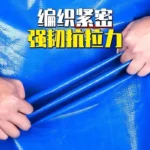
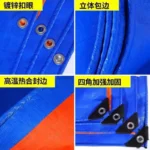
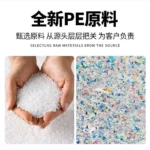
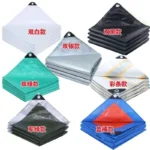
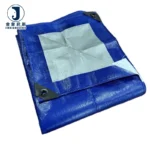
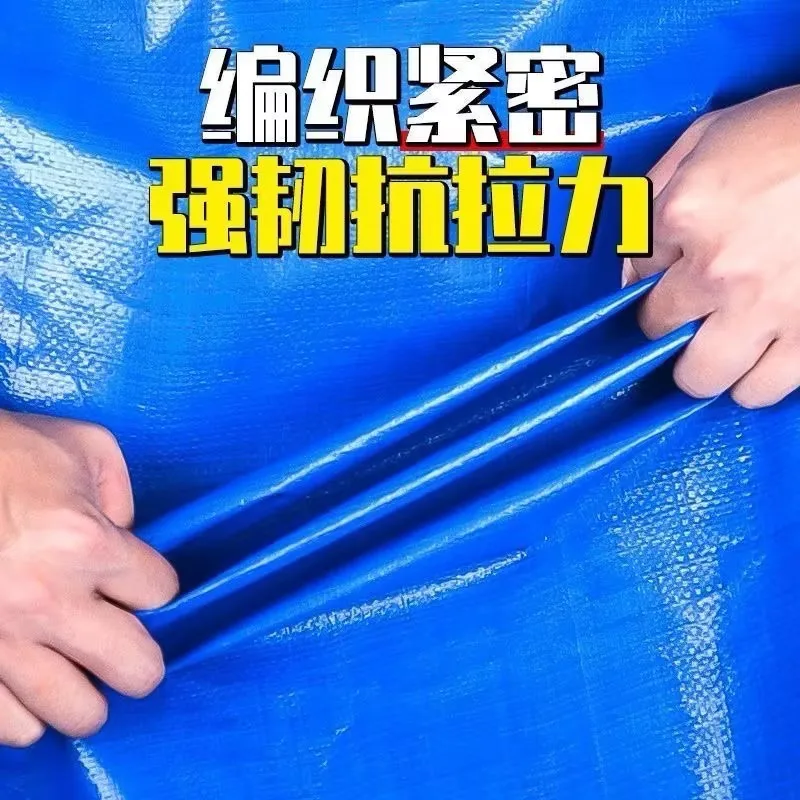
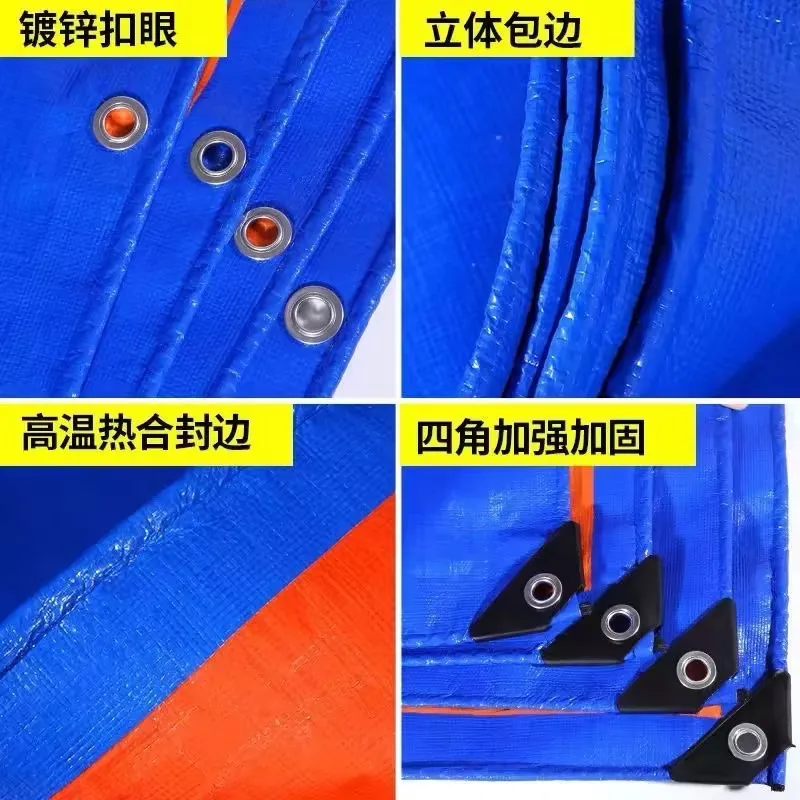
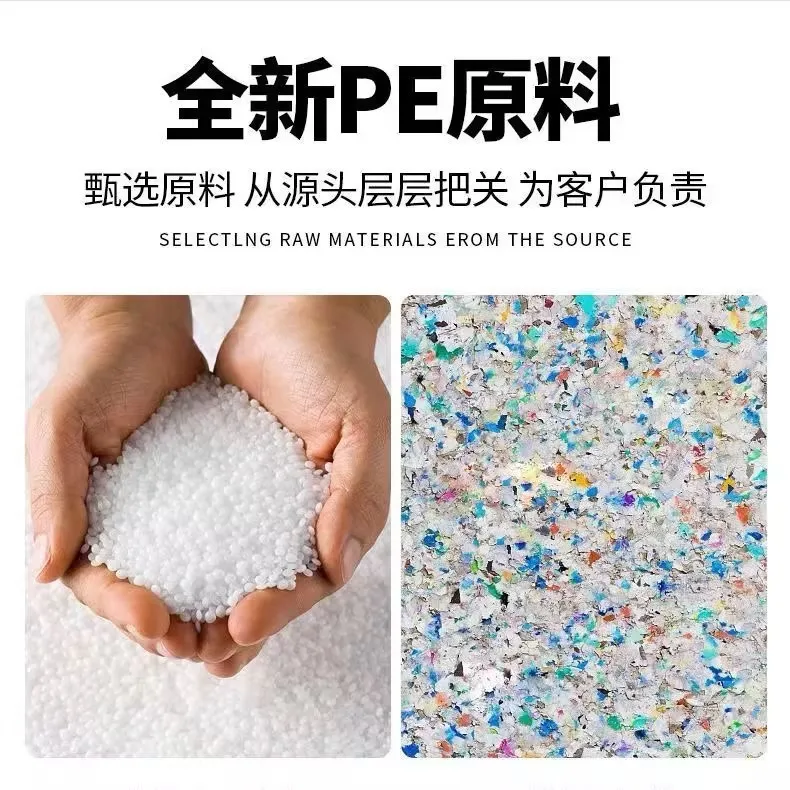

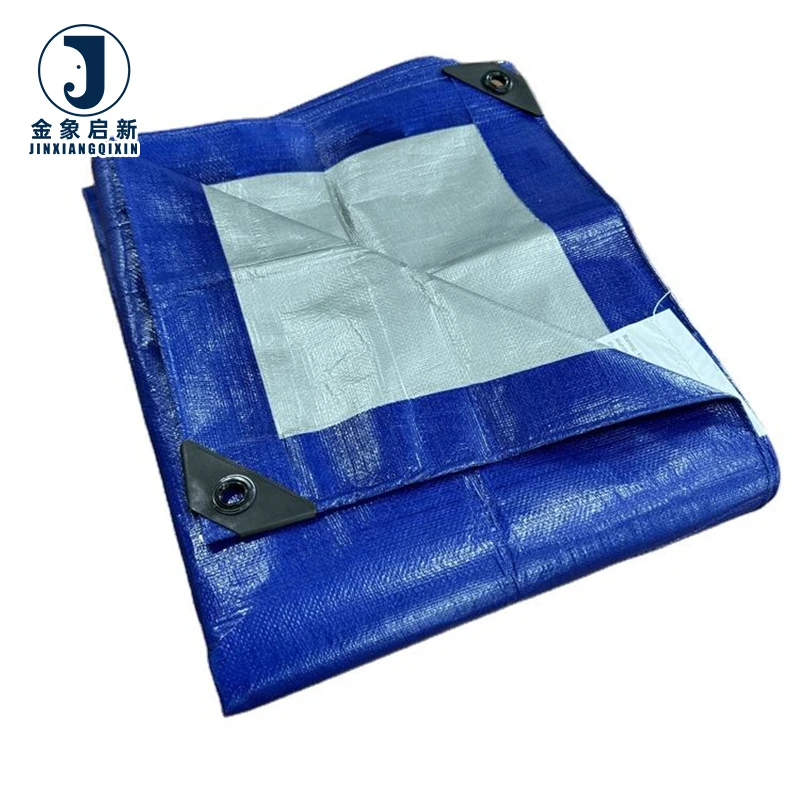
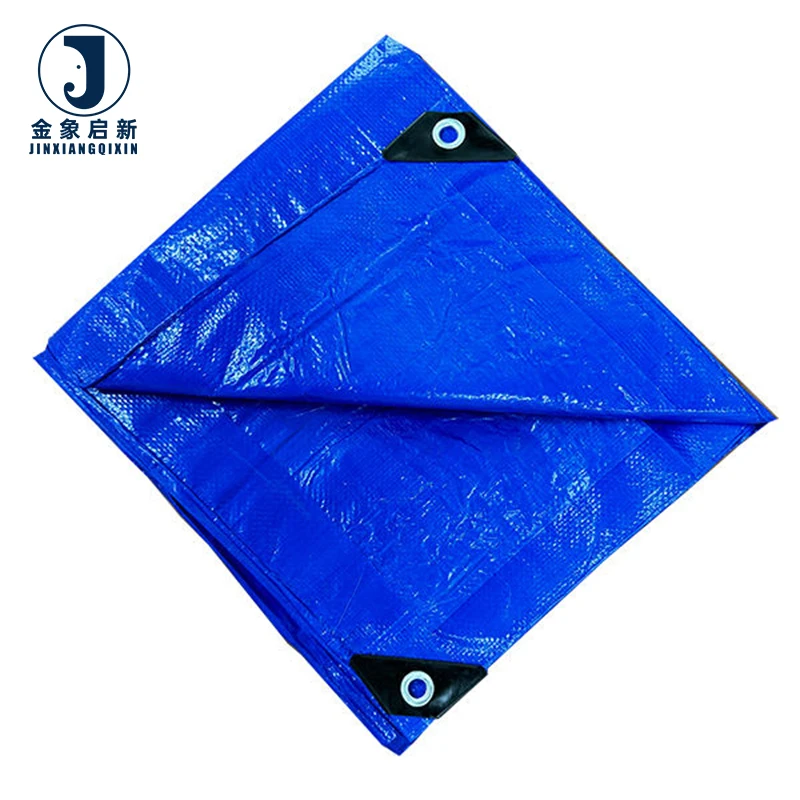
Process-Verified Fabric Sourcing — nearly 30 years of focused PE coating experience with dedicated QA/QC at every production stage ensuring batch-to-batch consistency across ventilation and specialist fabric orders.
Technical Specifications
| Parameter | Value |
|---|---|
| Product Type | PE Tarpaulin |
| Base Fabric | PE Woven |
| Weave Style | Plain |
| Coating Material | PE |
| Waterproof | Yes |
| Mildew-Proof | Yes |
| UV Resistant | Available (test basis not stated — confirm grade for your application) |
| Color | Various (customizable) |
| Size | Various (customizable) |
| Construction | Heavyweight |
Application Suitability
| Application | Exposure & Requirement |
|---|---|
| Temporary outdoor tents and ceremony halls | Wind load, intermittent rain, rapid setup and teardown cycles, crowd proximity |
| Vehicle and trailer covers | Road debris impact, continuous sun exposure, vibration during transit |
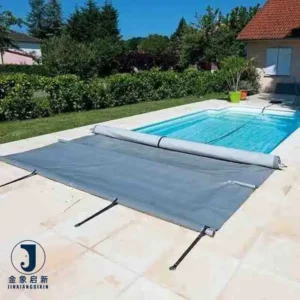
| Pond and aquaculture lining | Permanent water immersion, soil chemistry, biological growth potential |
| Roof covering for short-term structures | Thermal cycling, standing water, UV degradation over project duration |
| Fish farming enclosures | Constant moisture, algae contact, need for mildew resistance |
Why "Waterproof" Does Not Mean the Same Across All PE Tarpaulin
Waterproof PE woven tarpaulin must be verified through construction quality, not marketing language alone. The difference lies in coating integrity and seam behavior, not in the word on the label.
Buyers frequently specify waterproof material only to discover that moisture penetrates at fold creases or welded joints within months. In my experience, lightweight PE fabrics that quote waterproof status often fail not through the coating itself but at the edges where water finds the thinnest point. For applications like pond lining or prolonged roof covering, the consequence is immediate and costly. [NEED_CITE: test methods for coated fabric water penetration per ISO 1421]
Material Composition and Where PE Fits in the Coated Fabric Spectrum
PE woven tarpaulin occupies a specific position between uncoated woven films and heavier PVC-coated alternatives. The plain weave base provides dimensional stability, while the PE coating delivers a continuous barrier against moisture ingress. For ventilation duct and specialist structure applications, understanding whether PE meets the site’s compliance threshold or whether a certified PVC-coated fabric is required determines project acceptance. This PE woven tarpaulin is positioned as a functional covering where fire-retardant or anti-static certification is not mandated by local regulation.
Coating Weight and the Relationship to Outdoor Durability
The coating weight applied to the woven base directly influences how long the fabric maintains its waterproof and mildew-proof properties under sustained exposure. Heavier coatings resist abrasion from wind-blown debris and tolerate repeated folding without cracking. On PE woven tarpaulin, the coating adhesion to the base weave determines whether delamination occurs before the fabric itself reaches end of life. When sourcing for prolonged outdoor installations, the coating thickness relative to the stated GSM becomes a more meaningful indicator than weight alone. [NEED_CITE: relationship between coating weight and tensile performance in PE woven fabrics]
Understanding GSM, Weave Density, and Their Combined Effect on Performance
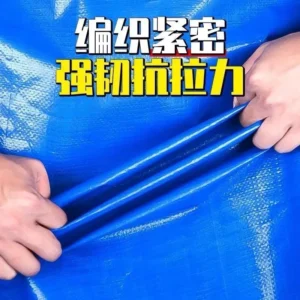
GSM alone is frequently misused as a proxy for fabric strength, but it tells an incomplete story. A PE woven tarpaulin with tight warp and weft density will distribute load across more yarn intersections, reducing the likelihood of tear propagation at any single point. Coating weight adds to GSM without necessarily contributing to tensile performance — a heavier coating can increase weight substantially while the base fabric remains the structural element. Plain weave construction distributes stress evenly in both directions, which matters for tent structures where wind loads arrive from multiple angles. For buyers comparing quotations, requesting the base fabric denier alongside the total GSM allows an apples-to-apples assessment of what the weight actually represents.
The Cost of Specifying Without Verifying What Arrives
Quotations frequently list a target GSM, but the material that arrives on site can fall below the agreed weight without the buyer having a basis to reject the shipment. When PE woven tarpaulin is ordered for pond lining or extended outdoor covering, an underweight delivery means the coating is thinner than specified, accelerating UV degradation and reducing puncture resistance. I have seen projects where an entire batch was installed before the weight discrepancy was noticed, making replacement far more expensive than a pre-shipment check would have been. Colour variation between rolls in the same order compounds the problem when sheets are installed side by side at event venues or temporary structures. [NEED_CITE: pre-shipment inspection standards for coated fabric weight verification]
What Supports a Reliable Order Beyond the Quotation
Production capacity across three full lines with 36 sets of professional equipment supports on-time delivery for volume orders without requiring months of lead time on standard configurations. The 10-person R&D team handles custom sizing and sample development, allowing specification confirmation before the production run commits. QA/QC inspection at every production stage, with 100% pre-shipment checking, catches weight deviation and colour drift before dispatch rather than at the buyer’s dock. ISO and CE certification frameworks govern the production process, and documentation accompanies each shipment to support customs clearance and site compliance records.
Documentation & Verification
- Material specification sheet stating GSM, base fabric denier, and PE coating weight for each roll
- Test report for UV resistance treatment with the specific test method referenced
- Pre-shipment inspection record confirming weight and colour consistency before dispatch
- Certificate of origin and customs documentation for cross-border PE tarpaulin shipments
- Roll packing list with individual roll identifiers matching the material specification
Fabrication, Handling & Storage
- Heat welding parameters must match PE coating formulation to avoid seam failure at flex points
- Store rolls horizontally on padded supports to prevent permanent creasing in the PE coating layer
- Avoid prolonged compression during transport to maintain coating adhesion across the full roll width
- Clean with mild detergent only — aggressive solvents degrade the PE surface coating
- Custom sizes require pattern layout planning to minimize waste at the cutting stage
Before You Request a Quote
Provide the specific application environment, including whether the installation requires fire-retardant or anti-static compliance under local building codes. Indicate the required width, length, and total area coverage so that roll configuration can be optimized for your cutting layout. If colour matching across multiple rolls is critical for the finished installation, reference a colour standard or request physical samples before the production run begins.
Frequently Asked Questions
Q: How do I verify the GSM on arrival matches what was quoted?
A: Weigh a known-area sample cut from the delivered roll and calculate GSM from the result. Compare against the material specification sheet provided with the shipment. Discrepancies should be flagged before installation, as replacing installed fabric costs substantially more than rejecting at the receiving stage. Our pre-shipment inspection records document the measured weight for each roll.
Q: Does this PE tarpaulin carry fire-retardant or anti-static certification?
A: This PE woven tarpaulin is designed for applications where fire-retardant or anti-static certification is not mandated. If your site requires flame-retardant compliance, confirm the specific grade and test standard with our team before ordering — we supply certified PVC-coated alternatives for regulated environments. Always verify local building codes before specifying material for enclosed or public-access structures.
Q: What is the UV resistance test basis and expected outdoor performance?
A: UV resistance is available as a treatment option, though the specific test basis and rating grade are not stated in the base specification. For long-term outdoor exposure, request the test report corresponding to the UV formulation applied to your batch. This allows you to assess suitability against your project duration and local solar exposure conditions before committing to the full order quantity.
Q: Can I order custom width and length, and what are the minimums?
A: Custom sizing is available across this PE tarpaulin range, with widths and lengths configured to your project requirements. Minimum order quantities apply and vary based on the degree of customization and whether colour matching is required across the batch. Submit your dimensions and total area requirement for a production schedule and sample development timeline tailored to your specification.