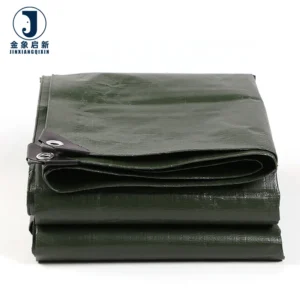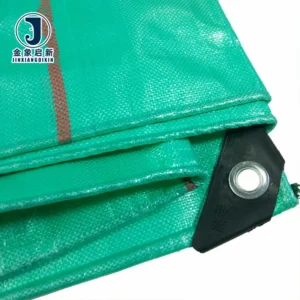
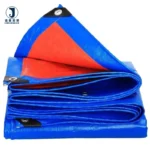
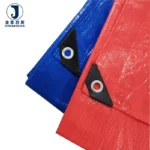
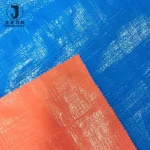
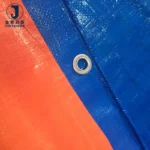
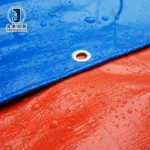
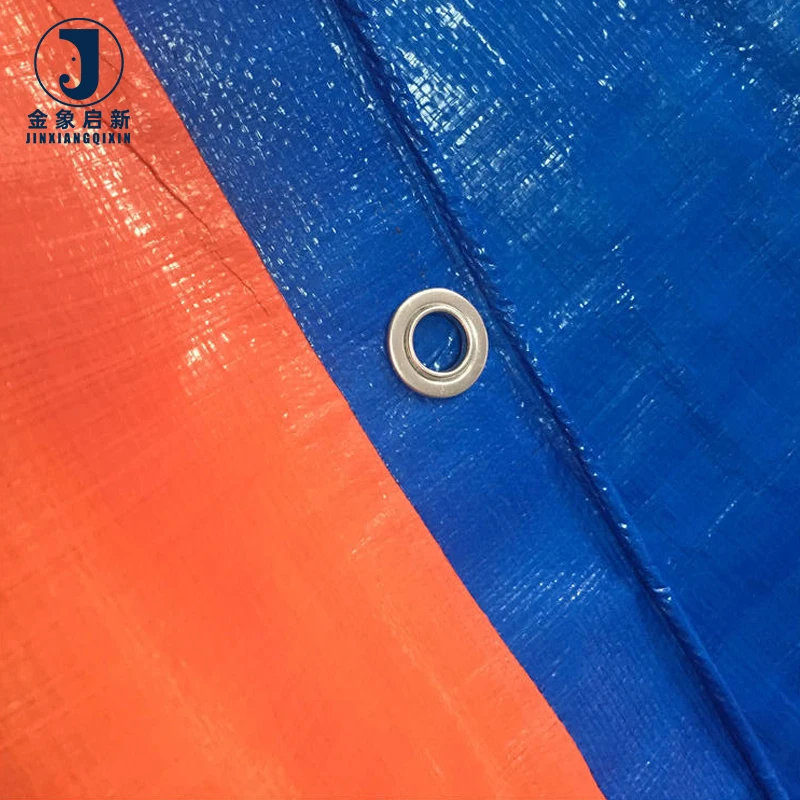
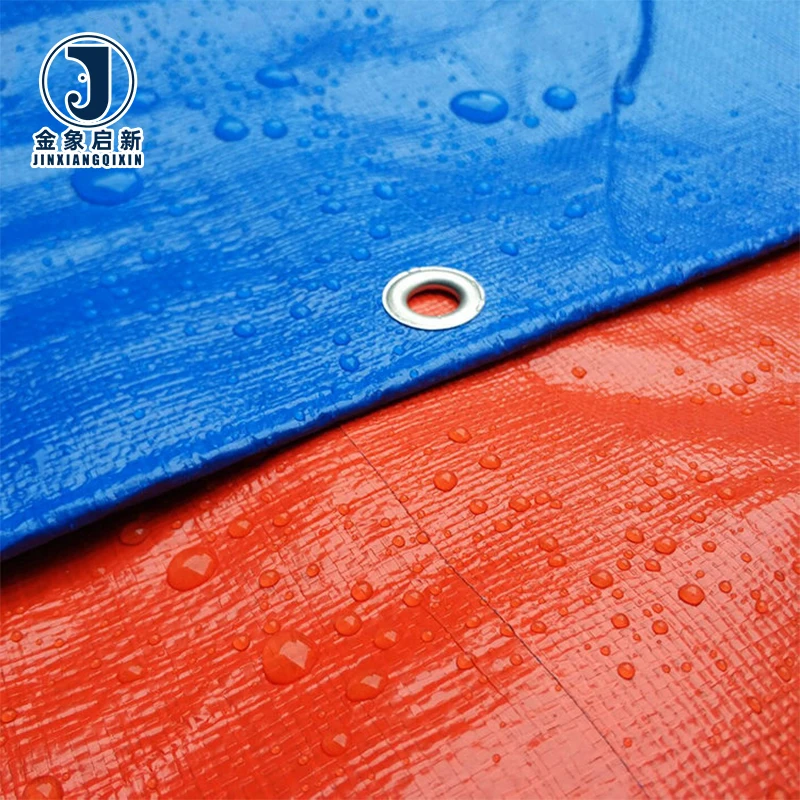
Deep Process Control — Nearly 30 years focused on PE woven and coated fabric, maintaining strict adhesion and coating weight consistency across every roll shipped for industrial ventilation and membrane structure projects.
Technical Specifications
| Parameter | Value |
|---|---|
| Product Type | PE Tarpaulin |
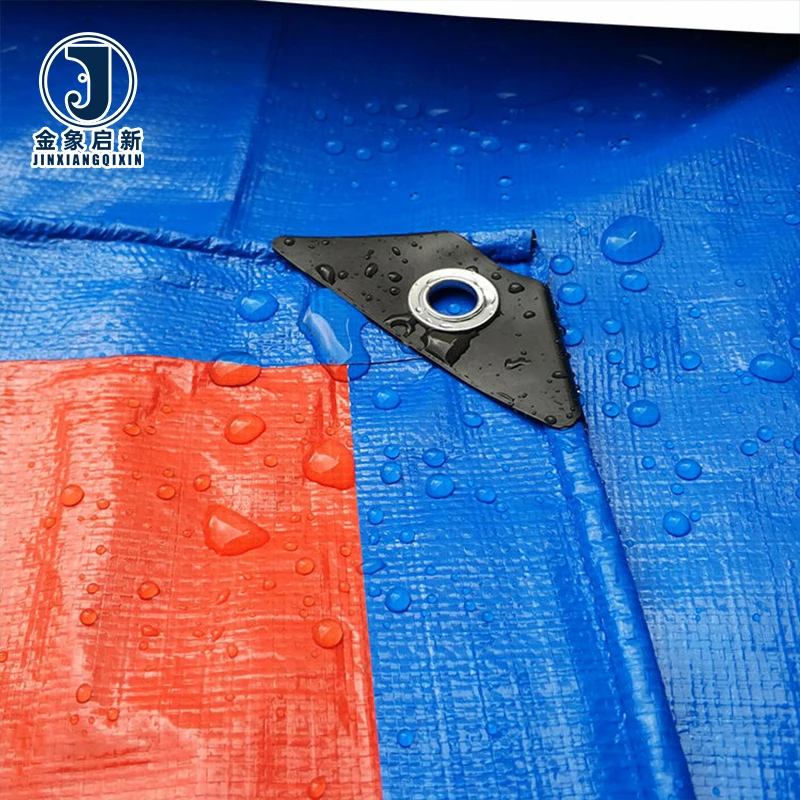
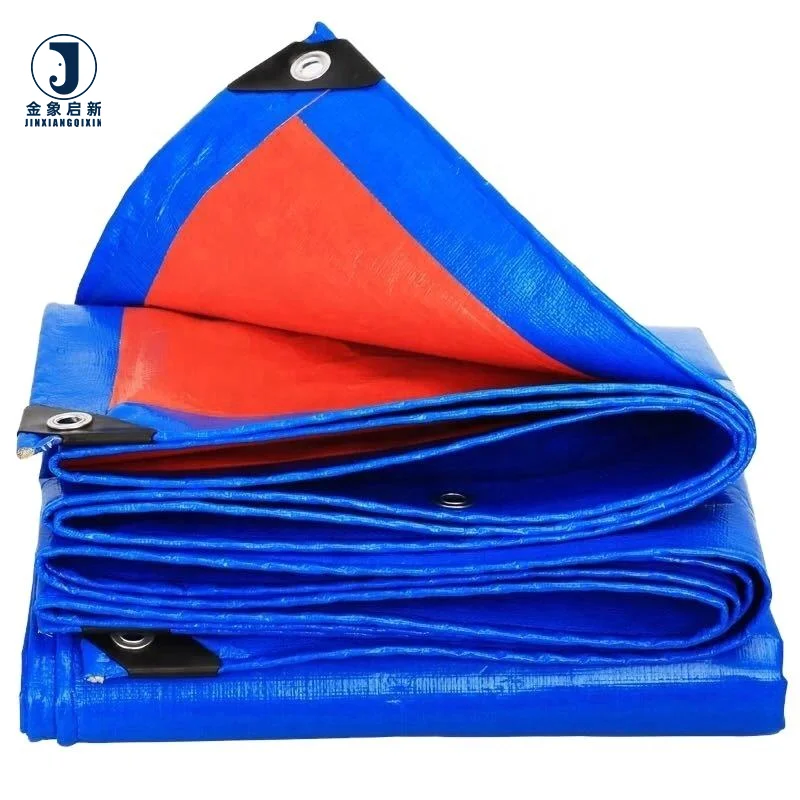
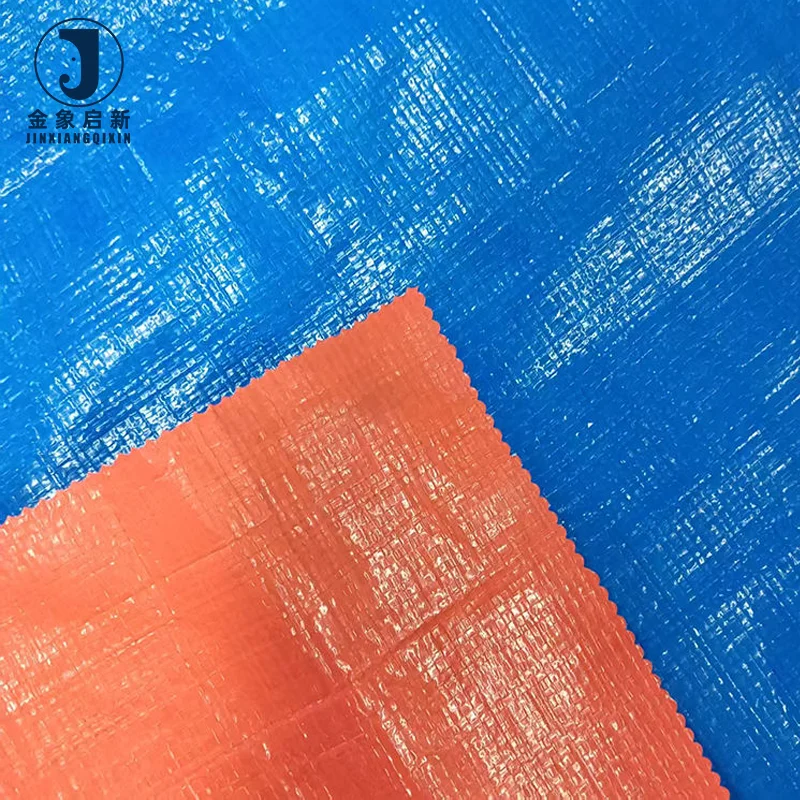
| Material | PE woven fabric with waterproof coating |
| Waterproof Rating | Fully waterproof and mildew-proof |
| UV Treatment | UV resistant (test basis not stated) |
| Construction | Heavyweight (exact GSM available upon specification) |
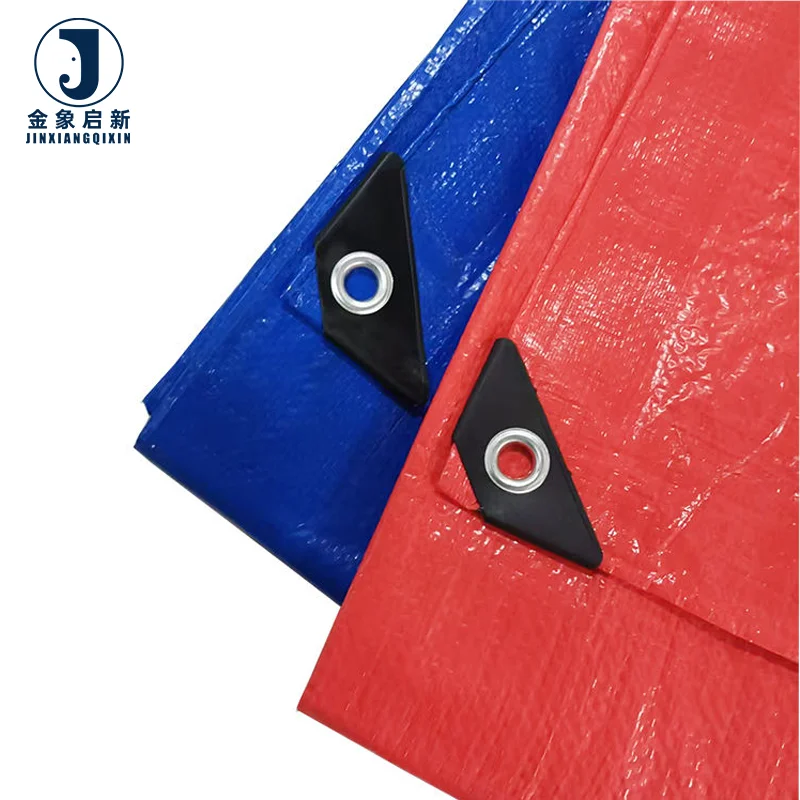
| Color | Customizable |
| Size | Customizable |
| Fire-Retardant / Anti-Static | Available in certified grades — confirm the grade required for your market |
Application Suitability
| Application | Exposure & Requirement |
|---|---|
| Mining ventilation ducts | Continuous airflow, high humidity, rock dust abrasion, mandatory fire-retardant and anti-static certification |
| Tunnelling temporary enclosures | Confined space compliance, moisture ingress, mechanical contact with equipment |
| Aviation ground support structures | UV exposure, wind loading, regulatory material compliance |
| Temporary industrial shelters | Weather exposure, tensioned installation, structural membrane demands |
| Outdoor event and construction covers | Sun and rain exposure, repeated assembly, equipment protection |
Why PE Tarpaulin Specifications Fail on the Industrial Site
A certified material only works when the certificate matches the batch that arrives at your gate.
Ventilation duct systems in mining and tunnelling projects routinely specify fire-retardant and anti-static fabric, yet the PE tarpaulin delivered often carries only a generic claim with no traceable test report. Site inspectors reject shipments when documentation does not align with local safety codes, leaving contractors with uninstalled rolls and stalled projects. [NEED_CITE: fire classification standards for ventilation duct materials in underground mining operations] The gap between quotation language and verifiable material performance is where compliance failures originate.
Certified Material for Ventilation and Membrane Structures
Industrial ventilation demands fabric that meets more than basic waterproofing. PE tarpaulin fire retardant grades must align with the specific safety standard enforced at your site, whether for underground mining, tunnelling operations, or aviation ground support facilities. Anti-static performance becomes critical in environments where dust accumulation and combustible atmospheres are present. Confirming the exact certification level before production begins prevents compliance rejections during site audits.
Coating Integrity Under Sustained Industrial Conditions
The coating applied to PE woven fabric determines how the material performs when exposed to continuous moisture, chemical dust, and mechanical abrasion. In ventilation duct applications, the inner surface faces constant airflow friction while the outer surface endures environmental weathering. Mildew-proof treatment prevents biological degradation in humid underground conditions where air circulation within the duct wall itself is limited. UV resistant treatment extends service life when sections of ducting or temporary shelters are exposed to direct sunlight above ground. [NEED_CITE: coating adhesion and degradation mechanisms for PE woven fabrics in humid environments]
Reading PE Tarpaulin Specifications Beyond the GSM Number
Material weight alone does not predict how a PE tarpaulin will perform in a tensioned duct or membrane structure. The base fabric weave density and yarn denier determine how loads distribute across the material when wind pressure or mechanical tension is applied. Coating weight and application method influence how well the material resists water ingress and how reliably it can be heat-welded into duct sections. A heavyweight construction with an open weave may allow coating penetration that differs from a tight weave at the same GSM, affecting both peel strength and flexibility at fold points. Understanding these relationships helps buyers specify material that performs to the actual installation demands rather than a single number on a quotation.
The Hidden Cost of Specifying Without Verification
When PE tarpaulin arrives on a mining or tunnelling site without the fire-retardant certification documentation that the project safety plan requires, the entire installation halts until compliant material is sourced. Colour inconsistency between rolls forces contractors to reject batches intended for visible membrane structures where aesthetics matter alongside compliance. Welded seams on ventilation ducts that fail prematurely under continuous airflow pressure create unplanned downtime in operations where ventilation is safety-critical. [NEED_CITE: welded seam failure modes in PE coated ventilation duct fabrics] These consequences compound when lead times on replacement material extend project timelines and increase costs well beyond the original fabric purchase.
Why Industrial Buyers Source PE Tarpaulin Here
Three full production lines and 36 sets of professional equipment support consistent output on certified PE woven tarpaulin orders, maintaining coating weight control across long production runs. The 10-person R&D team handles material specification for fire-retardant and anti-static grades, developing samples within days so buyers can verify performance before committing to bulk production. Dedicated QA/QC operates at every stage with 100% pre-shipment inspection, ensuring certification documentation matches the physical material in each roll. Nearly 30 years of coated fabric process knowledge means coating adhesion and weight consistency are controlled rather than left to chance. Custom widths, colours, and certified treatments are produced with documentation packages built around your site compliance requirements.
Documentation & Verification
- Material specification sheet stating GSM, base fabric construction, and coating type for every PE tarpaulin roll
- Fire-retardant test report citing the specific grade and standard applicable to your market
- Anti-static surface resistance measurement recorded for the production batch
- Pre-shipment inspection record confirming material compliance against order specifications
- Certificate of origin and customs documentation included with each dispatch
Fabrication, Handling & Storage
- Heat-weld seams using temperature and dwell settings matched to the PE coating weight for reliable joint strength
- Reinforce eyelet zones and hem edges according to the heavyweight construction to prevent tear propagation under tension
- Store rolls horizontally on flat supports to prevent permanent creasing in the PE woven base fabric
- Avoid dragging rolls on unprepared surfaces to protect the waterproof coating from abrasion damage
- Use mild cleaning agents compatible with the PE coating to preserve mildew-proof and UV resistant treatments
Preparing Your PE Tarpaulin Enquiry
Provide the specific ventilation or membrane structure application, the fire-retardant and anti-static standards enforced at your site, and the duct or shelter dimensions you need to cover. Indicate whether you require rolls in custom widths for on-site fabrication or pre-cut and welded sections ready for installation. Share your annual volume and colour requirements so production can be planned around your project schedule.
Frequently Asked Questions
Q: What fire-retardant grades are available for PE tarpaulin in mining applications?
A: PE tarpaulin can be produced in fire-retardant grades matched to the safety standards enforced in your jurisdiction. The exact grade depends on whether the material is specified for underground ventilation, surface structures, or temporary enclosures. Request the specific standard your site requires so the correct treatment and certification documentation can be prepared for your order.
Q: How is anti-static performance tested and certified for PE woven tarpaulin?
A: Anti-static performance is measured by surface resistivity testing on the finished PE tarpaulin coating. The test method and acceptable resistance range depend on your site safety regulations and the dust or atmosphere conditions present. Test reports cite the measured values for the production batch, providing traceable documentation for site compliance audits.
Q: Can custom sizes and colors be produced with certified fire-retardant treatments?
A: Custom widths, lengths, and colours are available with fire-retardant and anti-static treatments applied during production. Samples are developed within days so you can verify colour accuracy and treatment performance before bulk manufacturing begins. The certification documentation covers the specific batch produced to your specifications.
Q: What documentation accompanies each PE tarpaulin shipment for site compliance?
A: Each shipment includes a material specification sheet, fire-retardant and anti-static test reports for the batch, a pre-shipment inspection record, and a certificate of origin. These documents are structured to satisfy site safety audits and customs requirements, providing a complete traceability chain from raw material to delivered roll.
Q: How does UV resistance perform in extended outdoor industrial use?
A: UV resistant treatment is incorporated into the PE coating to reduce material degradation during prolonged sunlight exposure. Performance varies with installation orientation, local solar intensity, and whether the material is under continuous tension. Request the available UV test data to assess suitability for your specific climate and exposure duration.