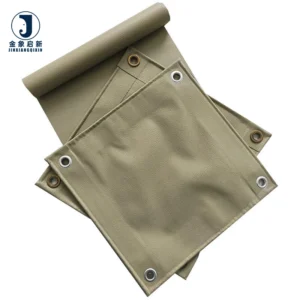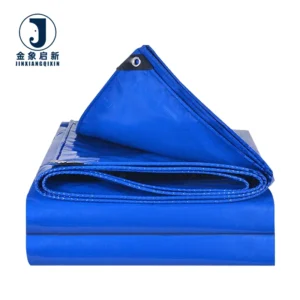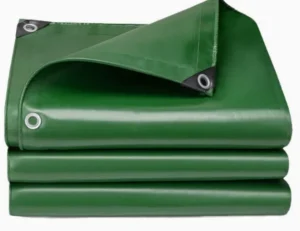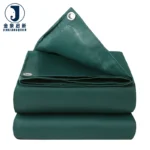



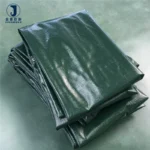
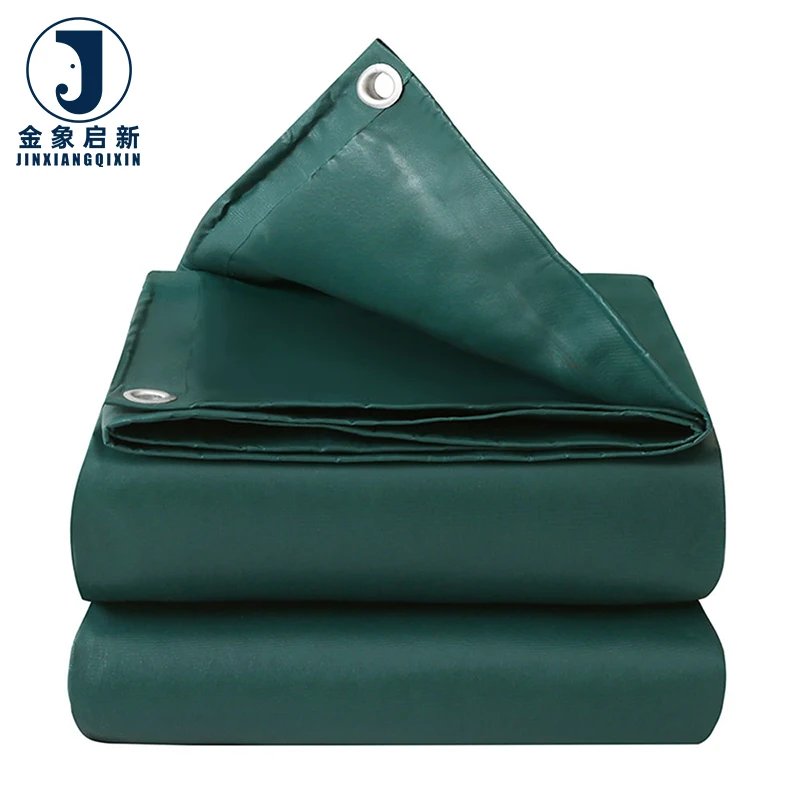
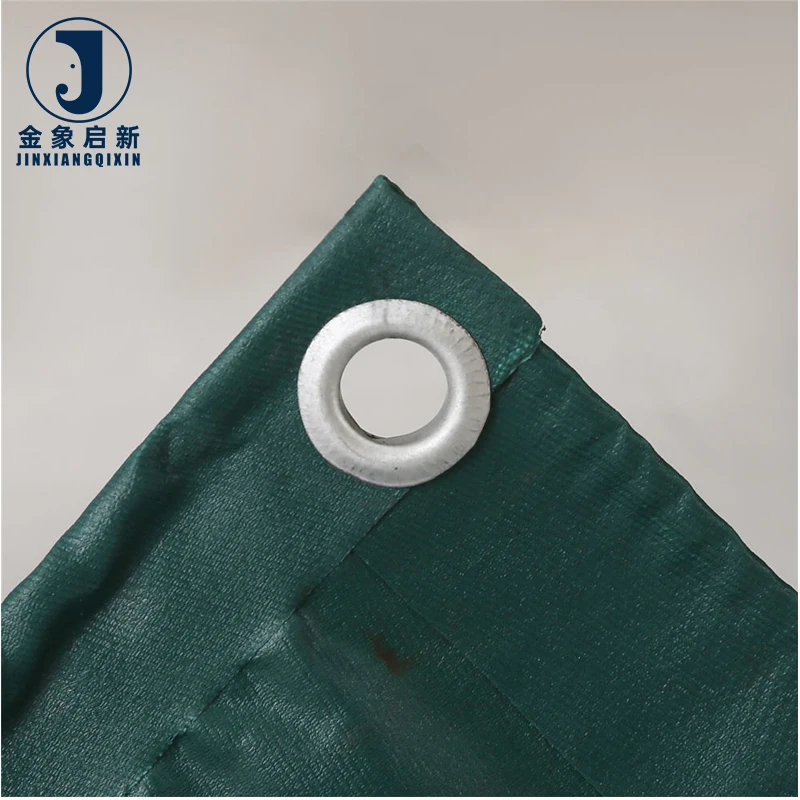

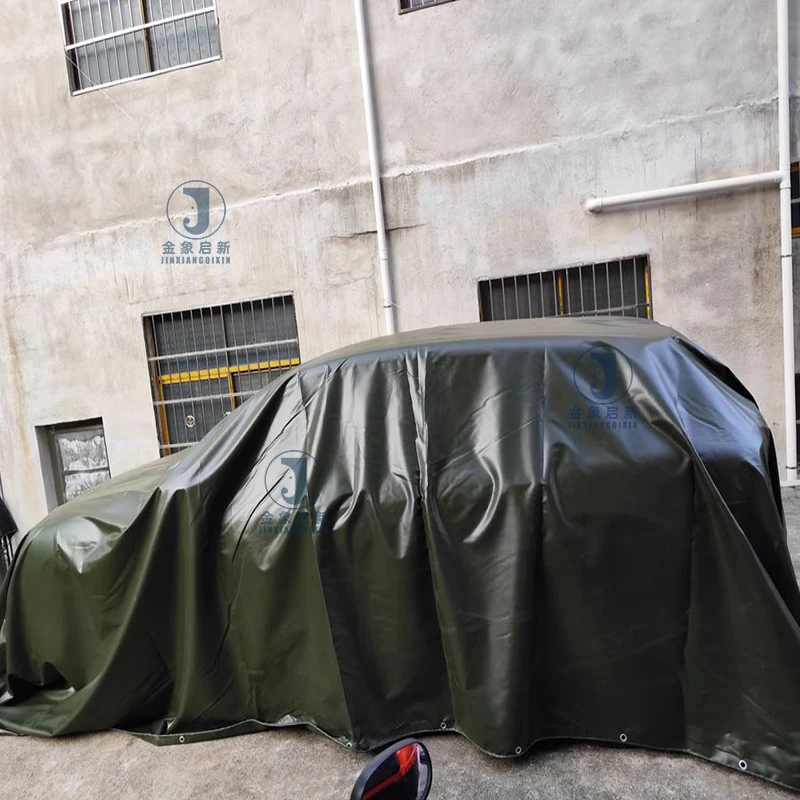
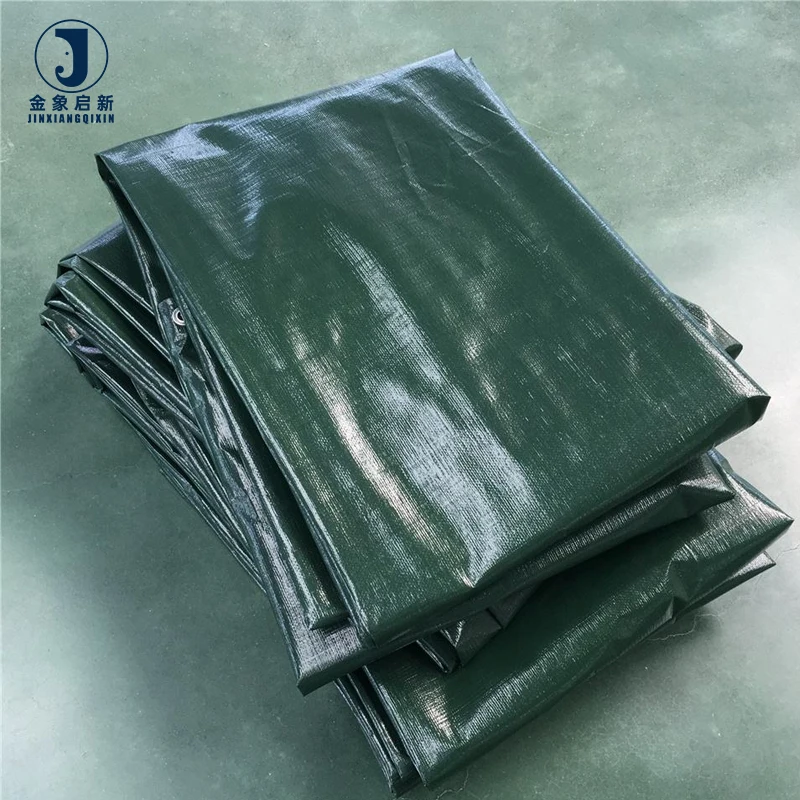
Specialist-Grade PVC Coated Fabric — Engineered for ventilation duct, membrane structure, and inflatable applications requiring documented fire-retardant and anti-static compliance for mining, tunnelling, and aviation environments.
Technical Specifications
| Parameter | Value |
|---|---|
| Product Type | PVC Coated Tarpaulin |
| Base Material | High-strength polyester mesh fabric |
| Coating Technology | Laminated & Hot-melt Coating |
| Weight Options | 350gsm / 420gsm / 500gsm / 550gsm / 600gsm / 750gsm |
| Total Thickness | 0.32mm / 0.35mm / 0.4mm / 0.45mm / 0.5mm / 0.65mm |
| Roll Width | 2m / 2.1m |
| Roll Length | 75m (for 2m width) / 50m (for 2.1m width) |
| Color Options | Blue, Red, Yellow, Light blue, Grey (Customized available) |
| Special Treatments | Flame retardant, Anti-static, Anti-cold, Anti-mildew (grades to be confirmed per specification) |
| Key Features | Cold crack resistance, Waterproof, Anti-mildew, Sunproof, Outstanding tearing strength for welding |
Application Suitability
| Application | Exposure & Requirement |
|---|---|
| Underground Mining Ventilation Duct | Continuous negative/positive pressure, abrasive dust, high humidity, strict fire-retardant and anti-static site compliance |
| Tunnelling Air Distribution | High-velocity airflow, mechanical abrasion from rock debris, confined space fire safety protocols |
| Membrane & Inflatable Structures | Permanent UV exposure, wind load stress, structural weld integrity, architectural fire classification |
| Aviation Ground Support Ducting | Fuel-rich environment, strict anti-static requirements, frequent handling and repositioning |
| Temporary Industrial Enclosures | Weather exposure, chemical splash proximity, rapid deployment and tear-down cycles |
What Site Compliance Actually Demands From Your Ventilation Fabric
Sourcing PVC coated tarpaulin fire retardant or anti-static grades without receiving the corresponding test documentation is a recurring procurement failure in underground and confined-space projects.
A fabric is only as compliant as the certificate accompanying it.
Project specifications frequently mandate specific fire classification or surface resistance thresholds, yet the material arrives on site with nothing more than a marketing claim printed on the datasheet. Site safety officers reject the delivery, the installation timeline stalls, and the contractor absorbs the cost of emergency re-sourcing. This pattern repeats across mining operations, tunnelling projects, and aviation maintenance facilities where regulatory audits are non-negotiable [NEED_CITE: site compliance documentation requirements for underground ventilation materials].
Coating Adhesion and Weld Integrity for Duct Fabrication
Hot-melt coating and laminated technology produce a mechanical bond between the PVC layer and the high-tenacity polyester mesh that withstands the thermal stress of high-frequency welding. When fabricators construct ventilation ducts, the welded seams endure constant flexing under positive and negative pressure cycles. The PVC coated tarpaulin must maintain coating adhesion at these junctions; delamination at the weld line compromises both airflow containment and structural integrity of the entire duct run.
Anti-Static and Flame-Retardant Treatment Verification
Specialist environments demand documented treatment, not generic assurances. Anti-static treatment is available for mining and tunnelling ventilation compliance, and flame-retardant treatment options exist for aviation and construction ventilation applications. However, the specific grade, surface resistance value, and test standard must be confirmed against your site requirements before production begins. We provide test reports matched to the grade specified — this is the only way to ensure the PVC coated tarpaulin passes site inspection upon delivery [NEED_CITE: anti-static surface resistance measurement standards for mining ventilation ducts].
How Base Fabric Construction Dictates Duct Performance
The high-strength polyester mesh base fabric is the structural skeleton of the material. Its denier and weave density determine how the fabric behaves at welded seams and under sustained mechanical load. Weight options ranging from 350gsm to 750gsm reflect different combinations of base fabric density and coating thickness, each suited to distinct pressure regimes and handling frequencies. A heavier GSM does not automatically translate to superior tear resistance; the relationship between base fabric construction, coating adhesion, and weld performance is interdependent. Total thickness values from 0.32mm to 0.65mm further differentiate the material for applications ranging from lightweight temporary ducting to heavy-duty permanent ventilation systems [NEED_CITE: tensile and tear test methods for coated fabrics per ISO 1421].
The Hidden Cost of Unverified Material Specifications
A ventilation duct fabricated from PVC coated tarpaulin without verified GSM or treatment documentation fails at the most expensive possible moment — during site commissioning or regulatory audit. Fabric that arrives lighter than quoted may lack the tear strength to survive installation tensioning. Flame-retardant claims without a corresponding test standard mean the duct cannot be legally installed in a classified zone. Anti-static fabric supplied without a surface resistance test report forces the contractor to commission independent testing at project expense, or remove and replace the entire duct run [NEED_CITE: common failure modes in unverified industrial ventilation fabric supply].
Why Technical Fabric Buyers Specify Through Jinxiang
Nearly three decades of focused production on coated fabric provides deep process control over coating weight and adhesion parameters critical to duct fabrication. Three full production lines and 36 sets of professional equipment support bulk ventilation duct orders with reliable on-time delivery against project milestones. The 10-person R&D team handles material selection, custom sizing, and sample development for membrane and inflatable structure applications. Dedicated QA/QC protocols operate at every production stage, culminating in 100% inspection before shipment — ensuring GSM, colour, and treatment specifications match the confirmed order documentation. ISO and CE certification frameworks underpin the entire quality system.
Documentation & Verification
- Material specification sheet stating base fabric denier, coating weight, and confirmed GSM for each roll
- Test report for flame-retardant grade and anti-static surface resistance matched to project specification
- ISO and CE certificates available alongside pre-shipment inspection record
- Roll packing list with batch traceability and certificate of origin for customs clearance
- Customs documentation support for cross-border industrial fabric shipments
Fabrication, Handling & Storage
- High-frequency welding parameters must be calibrated to the specific GSM and total thickness of the PVC coated tarpaulin to prevent coating burn-through or incomplete fusion
- Roll storage on flat, shaded surfaces prevents permanent creasing that weakens the polyester mesh base fabric at fold lines
- Cold crack resistance properties allow handling in low-temperature environments, but rolls should be acclimatized before unrolling to avoid coating micro-fractures
- Cutting layouts for duct segments should account for 2m or 2.1m roll widths to minimize waste and transverse weld joints
- Anti-mildew treatment maintains fabric integrity during extended storage in humid conditions prior to fabrication
Requesting a Technical Quotation
Provide the ventilation duct or membrane structure application details, including operating pressure regime, ambient temperature range, and any site-specific fire classification or anti-static surface resistance thresholds your project mandates. Specify the required roll width, target GSM or thickness range, colour, and whether you need full rolls for in-house fabrication or finished cut-to-size panels with welded hems. Sample approval is recommended before bulk production to verify weld compatibility and treatment documentation against your compliance requirements.
Frequently Asked Questions
Q: What fire-retardant grade and test standard can you supply for mining ventilation duct?
A: Flame-retardant treatment is available as a special order option for our PVC coated tarpaulin range. The specific grade and corresponding test standard must be confirmed against your site’s regulatory framework before production. We supply test reports documenting the achieved classification with each shipment, allowing your safety team to verify compliance prior to installation.
Q: Do you provide anti-static test reports with surface resistance values for site compliance?
A: Anti-static treatment is available for underground mining and tunnelling ventilation applications. Surface resistance test reports are provided upon request, documenting the measured values against recognized testing standards. Specify your site’s required surface resistance threshold during the inquiry stage so the treatment formulation can be matched accordingly.
Q: How is the weld and seam strength validated for duct and inflatable structure fabrication?
A: The hot-melt coating and laminated technology produces strong adhesion between the PVC layer and the high-tenacity polyester mesh base fabric, supporting weld integrity under pressure cycling. We recommend fabricators conduct test welds on sample material to calibrate high-frequency welding parameters to their specific GSM and thickness selection before committing to full production runs.
Q: What GSM and base fabric options are available for membrane structure applications?
A: Our PVC coated tarpaulin is available in 350gsm, 420gsm, 500gsm, 550gsm, 600gsm, and 750gsm grades with corresponding thickness values from 0.32mm to 0.65mm. The optimal selection depends on the structural load, expected wind exposure, and required service life of the membrane or inflatable installation. Request a material specification sheet to review base fabric construction details.
Q: Can you supply certification documentation with each shipment?
A: ISO and CE certificates, material specification sheets, test reports for applicable special treatments, pre-shipment inspection records, and certificates of origin are all available with each dispatch. Specify your complete documentation requirements at the quotation stage to ensure all compliance paperwork is prepared and verified before the shipment leaves our facility.