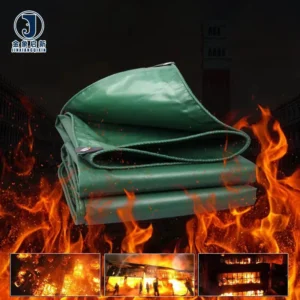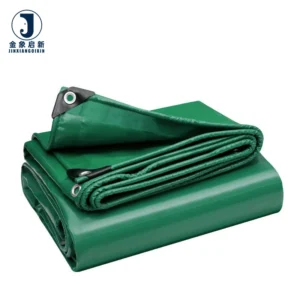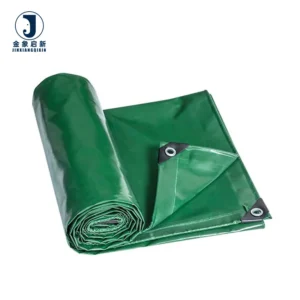
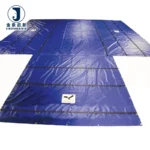
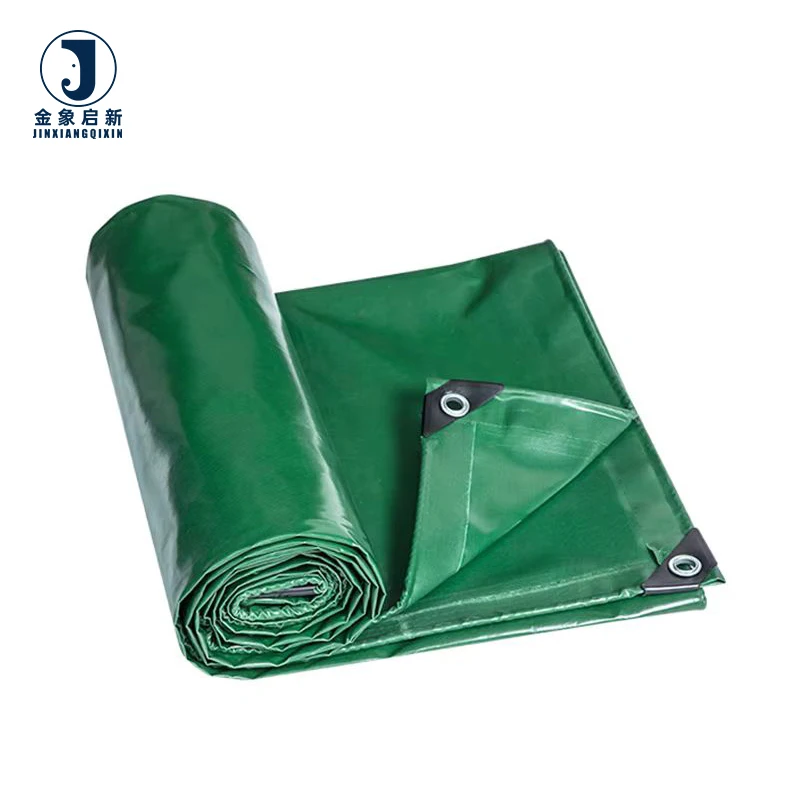
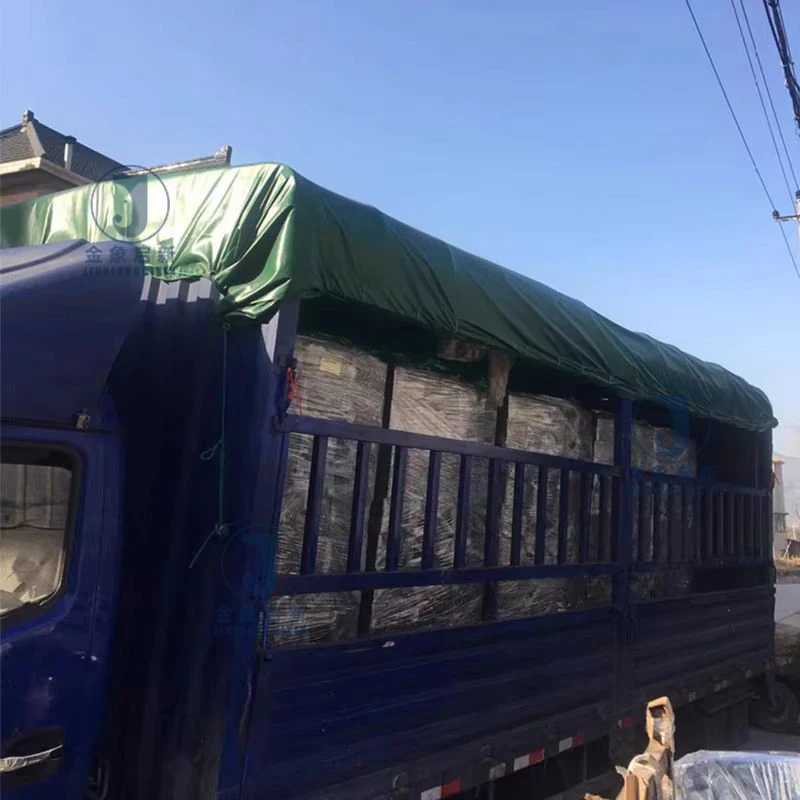
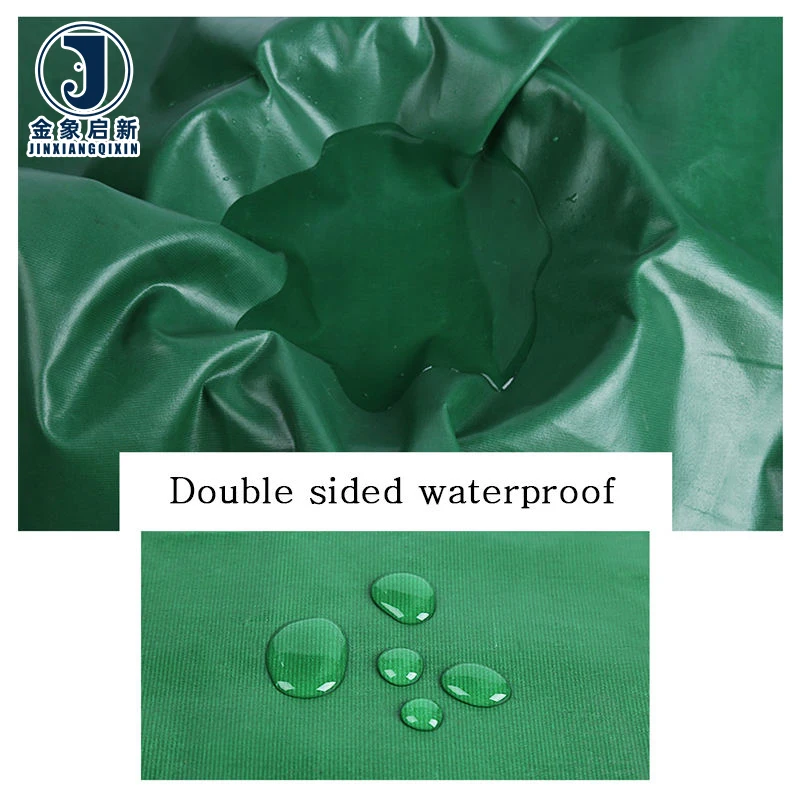
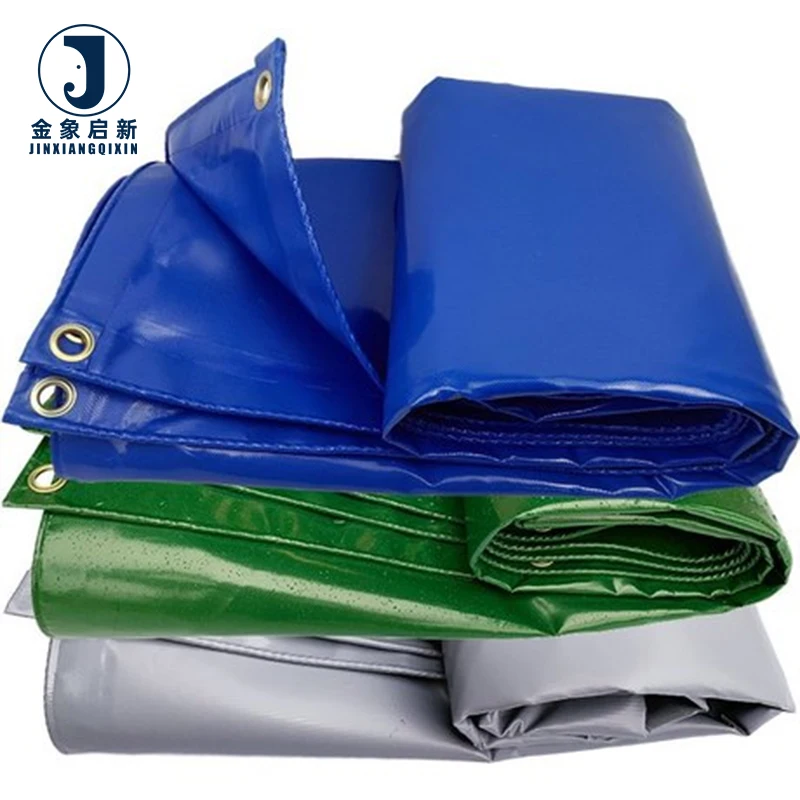
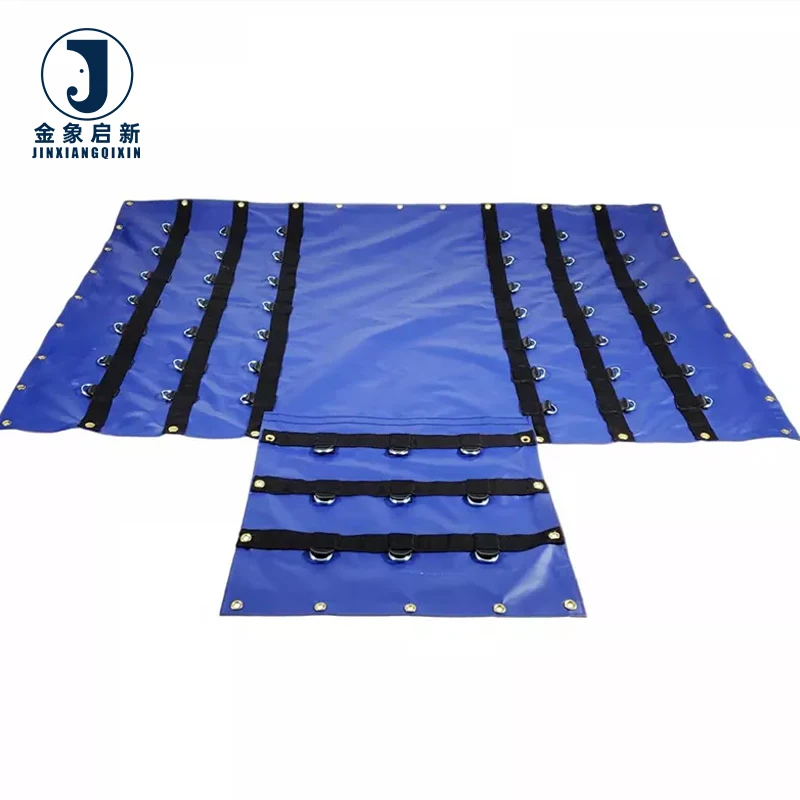
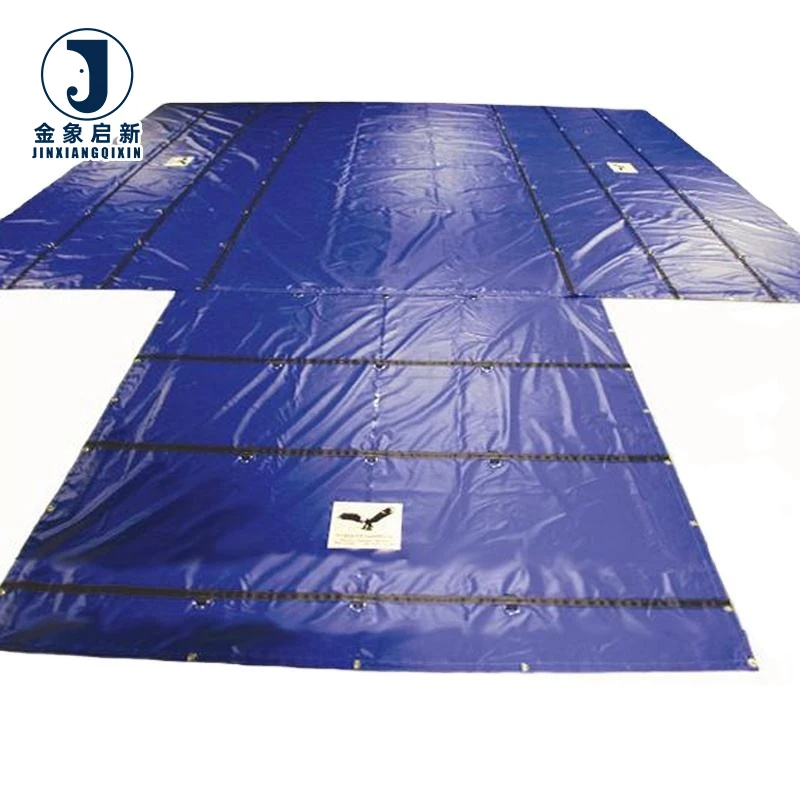
Specialist Compliance — Fire-retardant and anti-static PVC coated tarpaulin formulated for mining, tunnelling and aviation ventilation where site certification is non-negotiable.
Technical Specifications
| Parameter | Value |
|---|---|
| Product Type | PVC Coated Tarpaulin |
| Weight (GSM) | 500gsm / 600gsm / 700gsm / 850gsm / 900gsm |
| Coating Material | PVC |
| Flame Retardant | Available in flame retardant grades — confirm the grade required for your market (M2 / B1 / NFPA 701 / DIN 4102) |
| Anti-Static | Available — surface resistance level to be verified against site requirement |
| Anti-Cold | Available — test basis not stated in source, confirm validation standard |
| Anti-Mildew | Available — test basis not stated in source, confirm validation standard |
| Outdoor Life | 1–3 years depending on climate and exposure |
| Certification | ISO and CE |
Application Suitability
| Application | Exposure & Requirement |
|---|---|
| Mining ventilation duct | Suspended in tunnels with methane and coal dust — requires verified fire-retardant and anti-static compliance per local mining regulation |
| Tunnelling forced-air duct | Continuous positive-pressure airflow, rock fall abrasion and groundwater contact — demands high tensile base and weld integrity |
| Aviation ground ventilation | Jet fuel proximity and FOD risk — fire classification must meet airport authority specification |
| Membrane and inflatable structure | Wind load, UV exposure and thermal cycling — GSM and coating adhesion determine panel stability over time |
| Temporary site enclosure on construction projects | Weather exposure and proximity to hot work — flame retardant grade must align with contractor safety plan |
Why Certification Documentation Matters More Than the Label
PVC Coated Tarpaulin fire retardant and anti-static claims only hold weight when backed by test reports matched to the site standard.
A material data sheet without a traceable test report is not compliance — it is marketing.
Mining and tunnelling contractors routinely face inspection holds when ventilation duct fabric arrives without the specific fire classification the site safety plan demands. [NEED_CITE:] Anti-static surface resistance must fall within a defined range to prevent dust ignition in gassy atmospheres, yet suppliers often ship material labelled "anti-static" without a measured value. Aviation ground ventilation projects have their own acceptance criteria, and a generic certificate does not satisfy the airport fire officer. The cost of a rejected shipment is not just the material — it is the idle crew and delayed commissioning sitting downstream.
Matching the PVC Coated Tarpaulin to the Ventilation Standard
Every project specifies a fire classification — M2 in many European mining codes, B1 under DIN 4102 for German building and infrastructure work, NFPA 701 for North American temporary structures. The coating formulation must be adjusted during production to meet the required grade, and the finished fabric tested by an accredited laboratory. When the grade is confirmed at inquiry stage, the test report can travel with the shipment, avoiding the inspection bottleneck on site.
Anti-Static Performance Where Dust Ignition Is the Real Hazard
In coal headings and grain handling environments, static discharge from a suspended duct can ignite airborne particulate. Anti-static treatment modifies the PVC surface to dissipate charge, but the acceptable surface resistance range varies by jurisdiction. Specifying the ohms-per-square target at quotation stage ensures the coating compound is formulated accordingly and the measurement appears on the dispatch documentation. [NEED_CITE:] Without this step, the material may pass a generic lab test yet fail the site-specific threshold the safety auditor applies.
Reading the GSM and Base Fabric Together for Duct Performance
Selecting 500gsm, 600gsm, 700gsm, 850gsm or 900gsm is only the starting point. The base fabric denier and weave density determine how the material resists tearing when a duct section flexes under positive pressure or when a rock strike concentrates load on a single panel. Coating weight alone does not prevent tear propagation — a high-density polyester base in a lighter GSM grade can outperform a heavier grade built on an open weave. Coating method also matters: knife-over-roll coating typically delivers stronger adhesion between PVC and base fabric than lamination, which is critical when heat-welded seams must carry the same load as the body of the fabric. Surface finish — glossy or matte — affects how easily dust and mine water residues are cleaned from the duct interior during maintenance shutdowns.
What Happens When the Fire Grade Does Not Match the Site Requirement
A duct fabric labelled "flame retardant" but tested to a standard the site inspector does not recognise results in a failed pre-commissioning audit. The duct is already hung, the ventilation fan is scheduled to start, and the contractor must either source replacement material at short notice or negotiate a concession with the regulator — both paths cost time and credibility. Similarly, anti-static fabric shipped without a measured surface resistance value leaves the safety officer with no basis for acceptance. [NEED_CITE:] These failures are preventable when the required standard is named at inquiry and the test scope is confirmed before production begins.
Why Ventilation Contractors Source This PVC Coated Tarpaulin Here
Three full production lines and 36 sets of professional equipment mean duct fabric in 500gsm through 900gsm is produced on dedicated coating runs, not squeezed between unrelated orders. A 10-person R&D team adjusts coating formulation to hit the specific fire-retardant and anti-static target your project demands, then develops a sample within days for your approval. Dedicated QA/QC checks coating weight and adhesion at every production stage, with 100% pre-shipment inspection catching GSM deviation or surface defect before the roll leaves the factory. Nearly 30 years of coated fabric process control means the coating compound and base fabric pairing has been refined through repeated production cycles, not guessed from a data sheet.
Documentation & Verification
- Material specification sheet stating GSM, base fabric denier, coating type and colour reference for every roll
- Test report for flame retardant grade matched to M2, B1, NFPA 701 or DIN 4102 as required by project
- Anti-static surface resistance measurement certificate aligned to site specification threshold
- ISO and CE certificates included in the dispatch documentation package
- Pre-shipment inspection record confirming weight and coating adhesion per roll before dispatch
- Certificate of origin and customs support documentation for cross-border project logistics
Fabrication, Handling & Storage
- Heat-weld seams using temperature and speed settings matched to the PVC coating thickness of the selected GSM grade
- Allow rolls to acclimatise to workshop temperature before unrolling to prevent cold-crease marks on the coating surface
- Store rolls upright on pallets in a dry, shaded area to avoid compression flattening of the base fabric weave
- Use compatible PVC-based repair adhesive for field patching to maintain fire-retardant continuity across the repair zone
- Cut panels with allowance for weld overlap to ensure seam strength matches the body fabric tensile rating
- Avoid dragging rolls on abrasive ground during duct installation to protect the outer PVC coating layer
What to Include in Your Inquiry
Specify the ventilation duct diameter, operating pressure and fire classification standard your project demands so the coating formulation can be matched before sampling. Confirm whether anti-static surface resistance must fall within a particular range and which test method your site auditor will apply. State the total linear metres required and whether you need rolls only or finished duct sections with welded flanges.
Frequently Asked Questions
Q: Which flame retardant standard applies to my mining or tunnelling project?
A: The required standard depends on jurisdiction — M2 is common in European mining, B1 under DIN 4102 in German infrastructure, and NFPA 701 in North American temporary structures. Provide the regulation reference at inquiry stage so the PVC coated tarpaulin coating compound is formulated to the correct grade and the test report is issued accordingly.
Q: How is anti-static performance measured for ventilation duct fabric?
A: Anti-static performance is assessed by measuring surface resistance in ohms per square. The acceptable range varies by site regulation and the nature of airborne dust or gas. State the target value and preferred test method during specification so the measurement can be verified and documented before the PVC coated tarpaulin ships.
Q: What GSM grade suits inflatable or membrane structure fabric?
A: Selection depends on panel size, wind load and expected service duration. Lighter grades such as 500gsm suit short-term inflatable structures, while 850gsm or 900gsm grades are typically specified for semi-permanent membrane roofs. The base fabric denier matters as much as coating weight in determining tear resistance under tension.
Q: Can duct fabric ship with project-specific fire and anti-static certification?
A: Yes. When the required fire grade and anti-static surface resistance range are confirmed at inquiry stage, the coating formulation is adjusted and the finished material tested accordingly. Test reports and measurement certificates are included in the dispatch documentation package with each roll of PVC coated tarpaulin.
Q: How are anti-cold and anti-mildew treatments validated?
A: Both treatments are available, but the test basis is not stated on the general specification. For projects in extreme climates or high-humidity environments, provide the relevant test standard at inquiry stage so the treatment can be validated and the result documented before shipment.