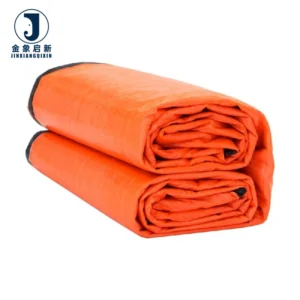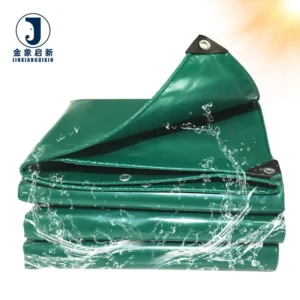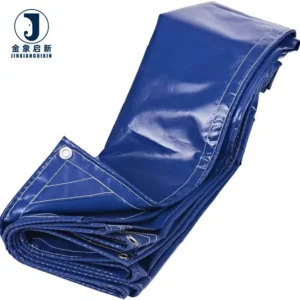
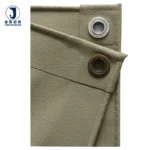
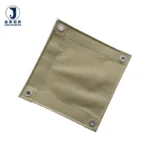
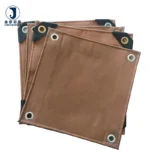

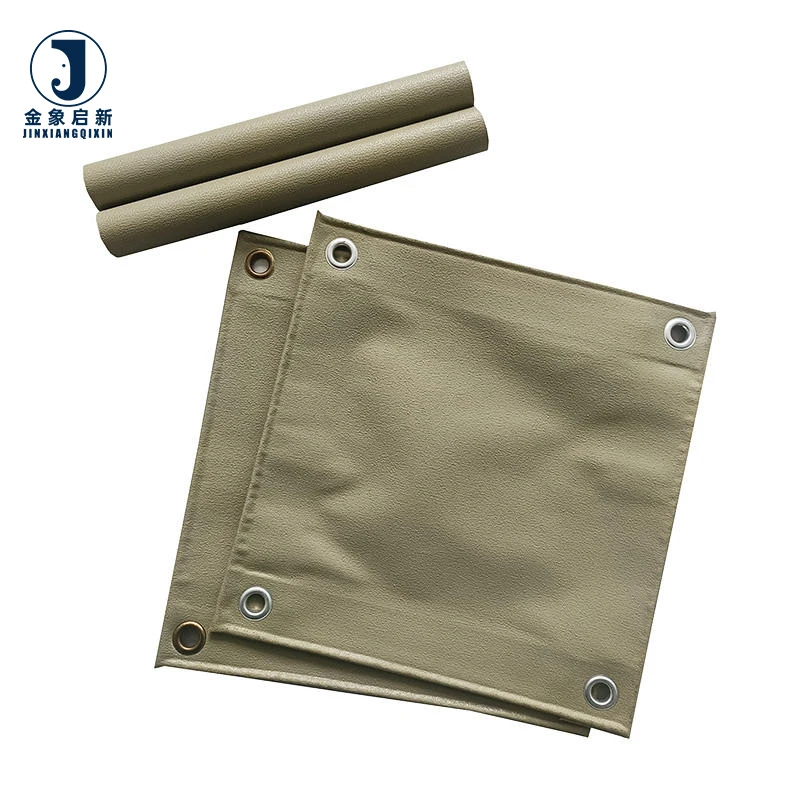
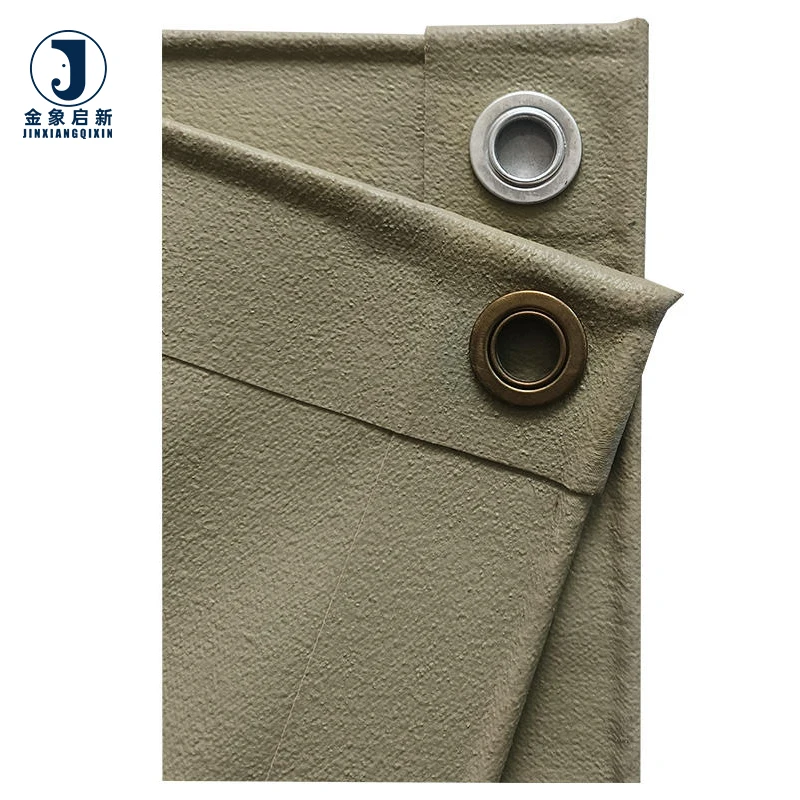
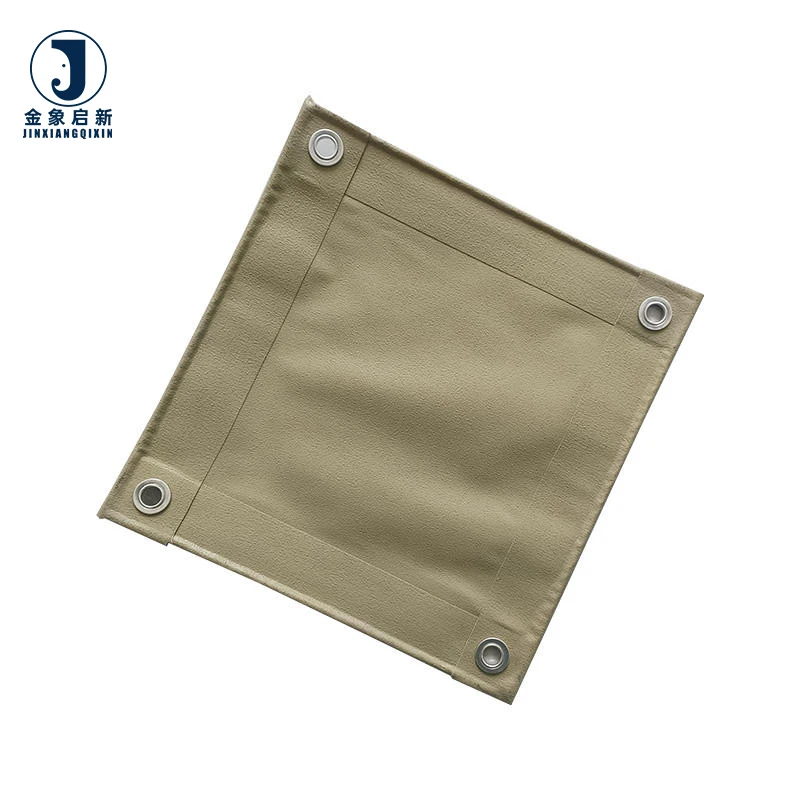
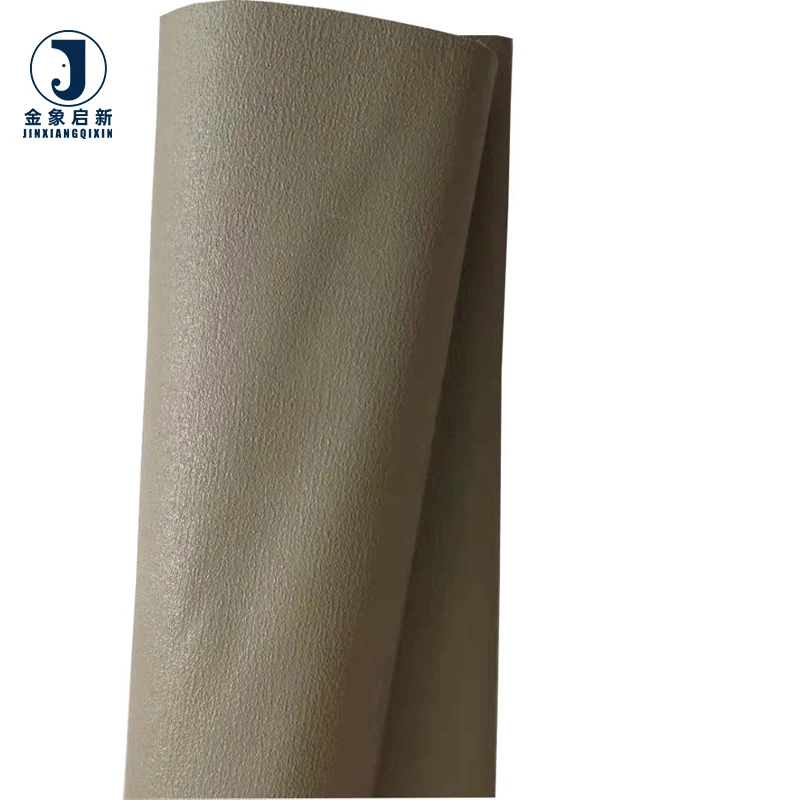
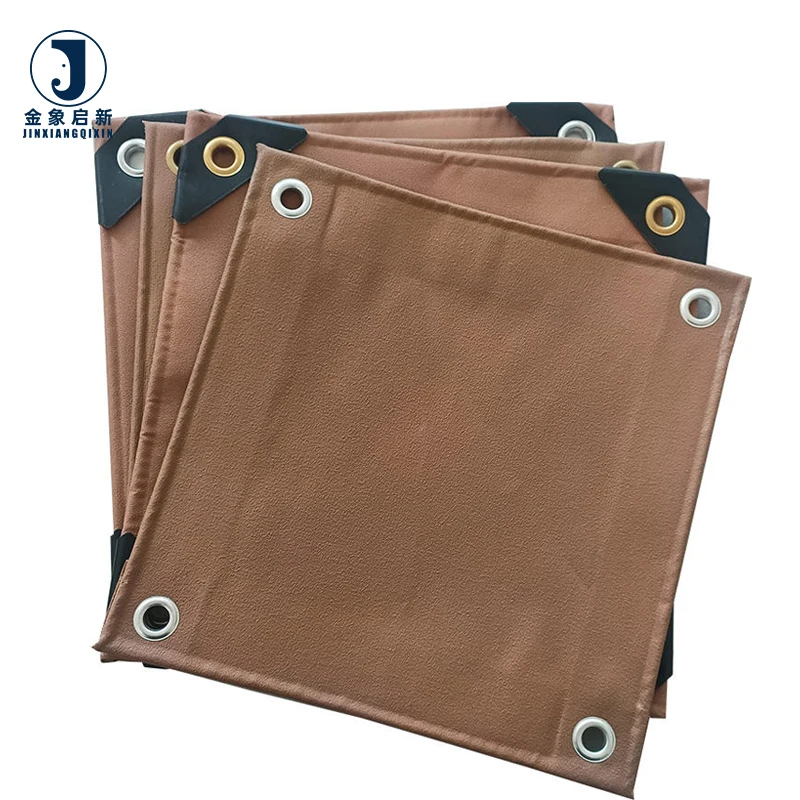
Specialist-grade PVC coated tarpaulin engineered for ventilation duct, membrane structure and technical applications, with fire-retardant, anti-static and environmental treatments tailored to site compliance requirements.
Technical Specifications
| Parameter | Value |
|---|---|
| Product Type | PVC Coated Tarpaulin |
| Weight Options | 700gsm / 850gsm / 900gsm |
| Base Material | High-tenacity polyester woven fabric |
| Coating Method | PVC coated |
| Flame Retardant | Available (grade not stated in source) |
| Anti-Static | Available (surface resistance or standard not stated in source) |
| Anti-Cold Treatment | Available |
| Anti-Mildew Treatment | Available |
| Weather Resistance | Suited to extended outdoor exposure (test basis not stated in source) |
| Waterproof | Yes (rating not stated in source) |
| Standards | ISO / CE (company level) |
Application Suitability
| Application | Exposure & Requirement |
|---|---|
| Mining and tunnelling ventilation duct | High dust concentration, explosive atmosphere potential, regulatory fire and anti-static compliance |
| Aviation hangar air duct systems | Continuous positive/negative pressure cycling, strict aviation authority certification mandates |
| Inflatable and membrane structures | Sustained tensile load, UV and weather exposure, structural seam integrity under wind load |
| Industrial exhaust and fume extraction | Chemical-laden airflow, temperature fluctuation, abrasion at duct flex points |
Why Certification Documentation Matters More Than the PVC Coated Tarpaulin Label
A fabric can only be called fire retardant or anti-static if the test report behind it names a recognised standard and a pass grade.
Buying PVC coated tarpaulin for technical applications often comes down to a single missing document: the test certificate that the site safety officer demands before installation. Without it, rolls sit in the yard while procurement scrambles for alternatives. I have seen ventilation duct projects delayed for multi-week periods because the fabric arrived with a generic "flame retardant" claim but no grade aligned to the local mining authority or aviation standard [NEED_CITE: fire classification standards for ventilation duct materials in underground mining]. The cost is not just replacement fabric — it is idle labour, missed commissioning dates and re-inspection fees.
Compliance Traceability From Roll to Installed Duct
When specifying PVC coated tarpaulin for ventilation or membrane use, the critical question is not whether the fabric resists flame or static in principle, but whether the treatment grade matches the exact standard your jurisdiction enforces. Available in flame retardant grades — confirm the grade required for your market. The same applies to anti-static treatment: surface resistance must be measured and reported against a defined method before the material enters an explosive atmosphere zone.
Fabricating Duct Runs and Technical Enclosures
Fabrication of ventilation ducts from PVC coated tarpaulin demands precise control over weld parameters, particularly at the longitudinal seams that bear the highest cyclic stress under positive and negative pressure alternation. Base fabric denier and weave density determine how well the material holds a welded seam without delamination at the coating-to-yarn interface. Anti-cold treatment extends the usable temperature range for installations in high-altitude or sub-zero mining environments, while anti-mildew treatment prevents biological degradation in high-humidity tunnel conditions [NEED_CITE: coated fabric performance factors in high-humidity underground environments].
Weight, Weave and Coating — Reading Beyond the GSM Number
GSM tells you how much material is present per square metre, but it does not tell you how that weight is distributed between base fabric and coating. A heavier PVC coating over a lighter base yarn may achieve the target GSM yet deliver lower tensile and tear strength than a lighter coating over a denser weave. Coating method also matters: knife-over-edge coating typically produces higher adhesion strength between PVC and base fabric compared to calendering, which influences how well the material withstands repeated thermal welding during duct fabrication. Surface finish — glossy or matte — affects both cleanability in dust-laden environments and the adhesion of printed safety markings or duct identification labels.
The Hidden Cost of Specifying Without Verification
When a ventilation duct fabric arrives on site without the fire-retardant or anti-static certificate the project specification demands, the consequences cascade quickly. The material cannot be installed until an independent lab tests samples and confirms compliance, adding multi-week delays to the critical path. Even when certification is present, a mismatch between the test standard on the certificate and the standard referenced in the project contract can trigger rejection at final inspection [NEED_CITE: common causes of ventilation duct material rejection at site inspection]. Colour variation between rolls in the same batch may also force re-ordering when membrane structure panels are installed side by side and the difference becomes visible in direct sunlight.
What Backs the Material Beyond the Quotation
Deep process control over coating weight and adhesion built across production experience with coated fabric ensures that the GSM stated on the specification sheet is the GSM delivered on the roll. Three full production lines and professional equipment sets support bulk ventilation duct orders with consistent output and reliable dispatch schedules. A dedicated R&D team handles material selection, custom sizing and sample development so that duct diameter, run length and connection flange details are confirmed before production begins. Every roll undergoes inspection at each production stage with full pre-shipment verification before it leaves the facility. Samples for custom width, colour and treatment combinations are developed within days to accelerate project approval.
Documentation & Verification
- Material specification sheet confirming base fabric denier, coating weight and treatment type per roll
- Test reports for flame retardant grade and anti-static surface resistance aligned to project standards
- Pre-shipment inspection record with full quality check before dispatch
- Certificate of origin and customs documentation for international project sites
- Roll packing list with batch traceability for multi-roll duct fabrication orders
Fabrication, Handling & Storage
- Weld temperature and dwell time must be matched to the PVC coating weight grade to prevent base fabric damage
- Longitudinal duct seams should be welded with overlap width proportional to the 700gsm, 850gsm or 900gsm fabric weight
- Store rolls upright on pallets to prevent flat-spot deformation that affects duct curvature during fabrication
- Anti-cold treated rolls should be unrolled and allowed to acclimatise before fabrication in sub-zero conditions
- Anti-mildew treated fabric should be kept dry during storage to preserve treatment effectiveness on the coating surface
- Cut patterns should account for seam allowance and weld shrinkage specific to the selected PVC coating thickness
Preparing Your Specification for Quotation
Provide the ventilation duct diameter, total run length and any branch or reducer dimensions so that roll width and length can be matched to minimise fabrication waste. Specify the fire-retardant and anti-static standards mandated by your site authority, along with the operating temperature range and airflow pressure rating. Confirm whether you require rolls for in-house fabrication or finished cut-and-welded duct sections with flange connections.
Frequently Asked Questions
Q: What flame retardant grade does the fabric carry, and does it meet my country’s mining or aviation standard?
A: Flame retardant treatment is available across the range, but the specific grade must be confirmed against your project specification. Provide the standard referenced in your contract — such as the fire classification required by your national mining authority or aviation regulator — and the test report will be aligned to that grade before production begins.
Q: How is anti-static performance measured and certified for use in explosive atmospheres?
A: Anti-static treatment is available for environments where dust or gas ignition risk exists. The surface resistance measurement method and pass threshold must match the standard enforced at your site. Share your compliance requirement during inquiry so that the correct treatment level and corresponding test documentation are prepared.
Q: Can the tarpaulin be supplied in custom widths and lengths to match duct diameter and run length?
A: Custom widths and lengths are produced to match specific duct diameters and continuous run requirements, reducing the number of transverse welds needed during fabrication. The R&D team develops samples to confirm dimensional accuracy and weld compatibility before full production proceeds.
Q: What is the outdoor weather resistance basis — are UV and cold-crack test reports available?
A: The fabric is suited to extended outdoor exposure with anti-cold and UV treatment options available. The specific weather resistance claim depends on the treatment grade selected. Request test reports covering UV stability and cold-crack performance aligned to your installation climate during the specification stage.
Q: How are welded seams tested to ensure duct integrity under positive and negative air pressure?
A: Welded seam strength is verified during the pre-shipment inspection process, with attention to the high-flex zones where cyclic pressure loading concentrates. Inspection records document seam integrity across each roll or fabricated section before dispatch to the project site.