

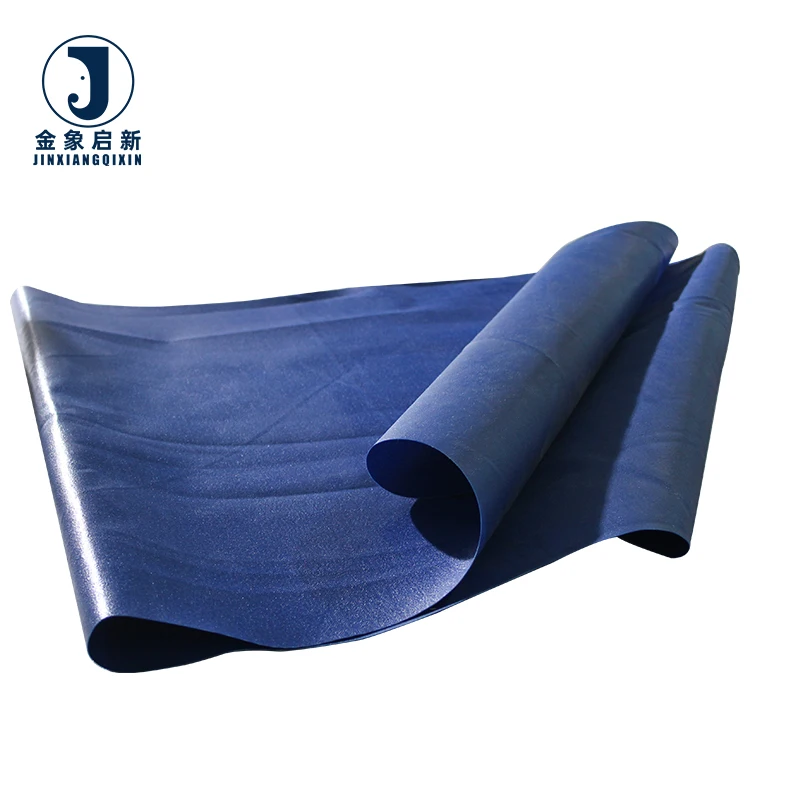
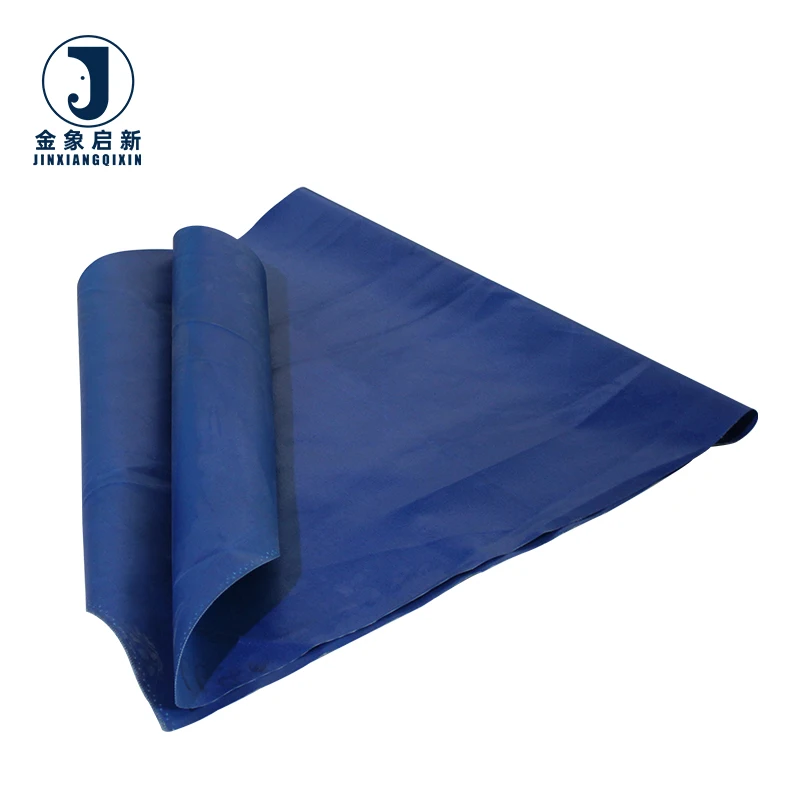
Coating Adhesion Control — Hot-melt and laminated coating processes are monitored at every production stage to ensure consistent PVC bond strength across each roll of PVC coated tarpaulin fabric, verified through pre-shipment inspection before dispatch.
Technical Specifications
| Parameter | Value |
|---|---|
| Product Type | PVC Coated Tarpaulin Fabric |
| Material | PVC + High-strength polyester mesh fabric |
| Weight (GSM) | 350gsm / 420gsm / 500gsm / 550gsm / 600gsm / 750gsm (multiple grades — confirm required grade) |
| Total Thickness | 0.32mm / 0.35mm / 0.4mm / 0.45mm / 0.5mm / 0.65mm |
| Coating Material | PVC |
| Coating Method | Laminated technology & Hot-melt coating technology |
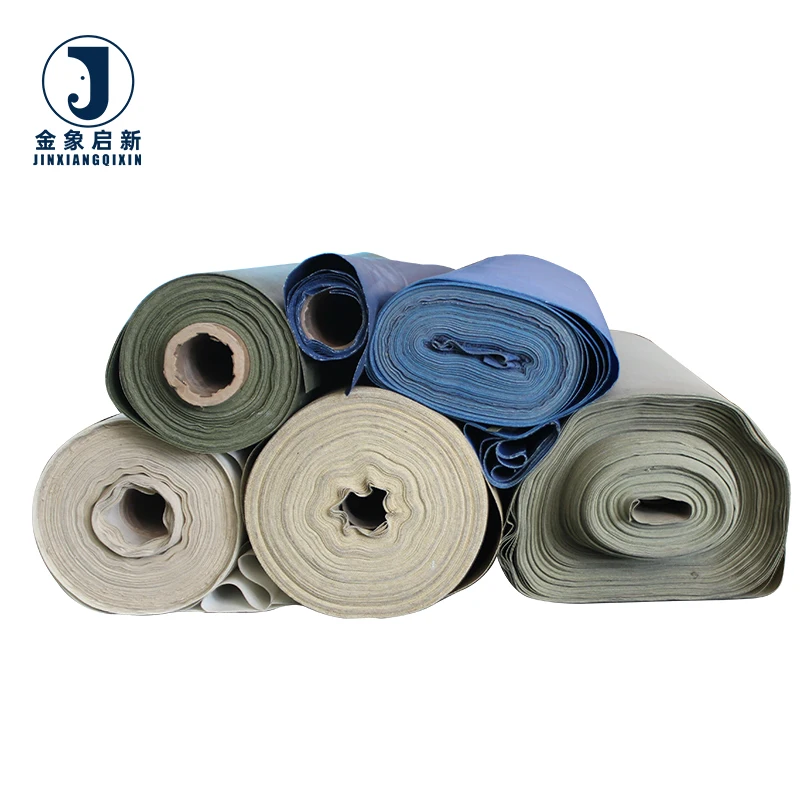
| Roll Width | 2m / 2.1m (options available) |
| Roll Length | 75m (for 2m width) / 50m (for 2.1m width) |
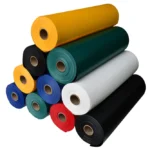
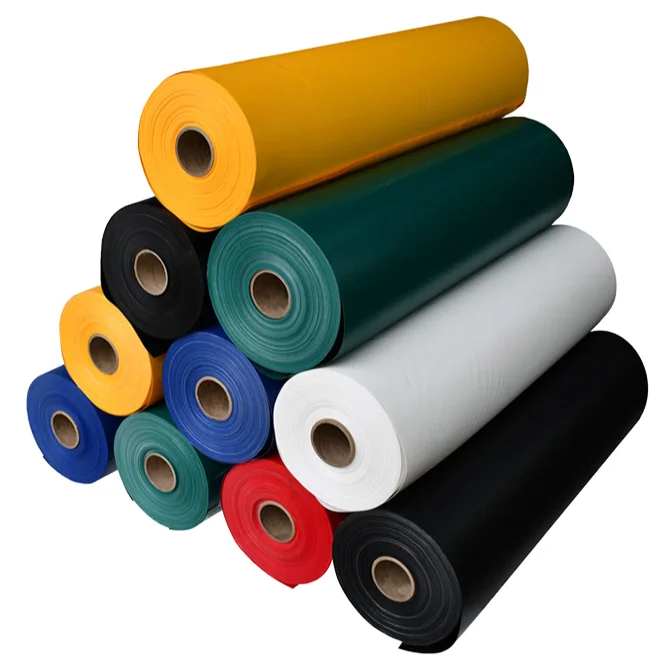
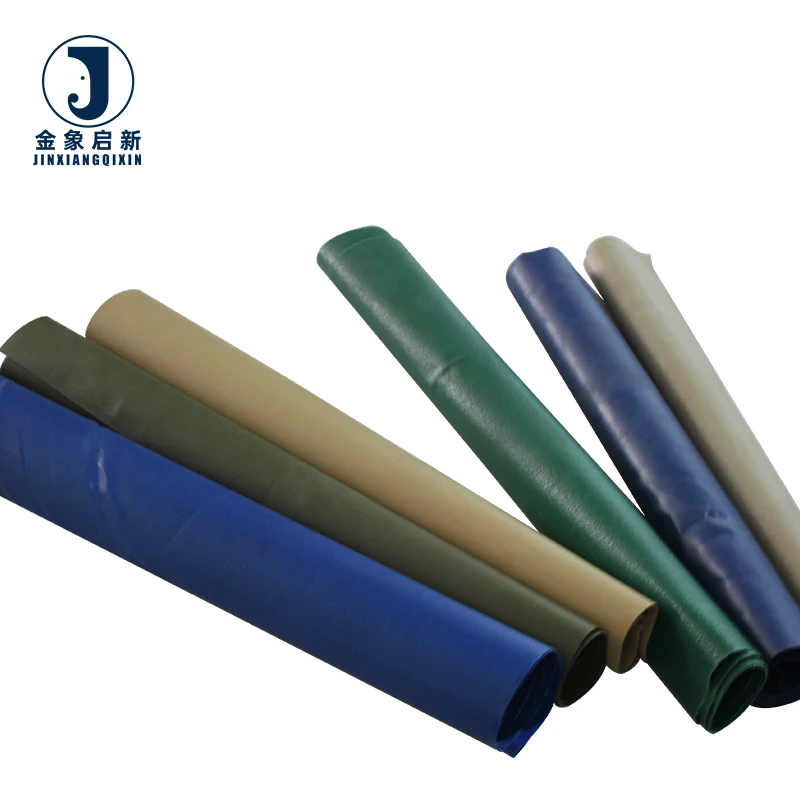
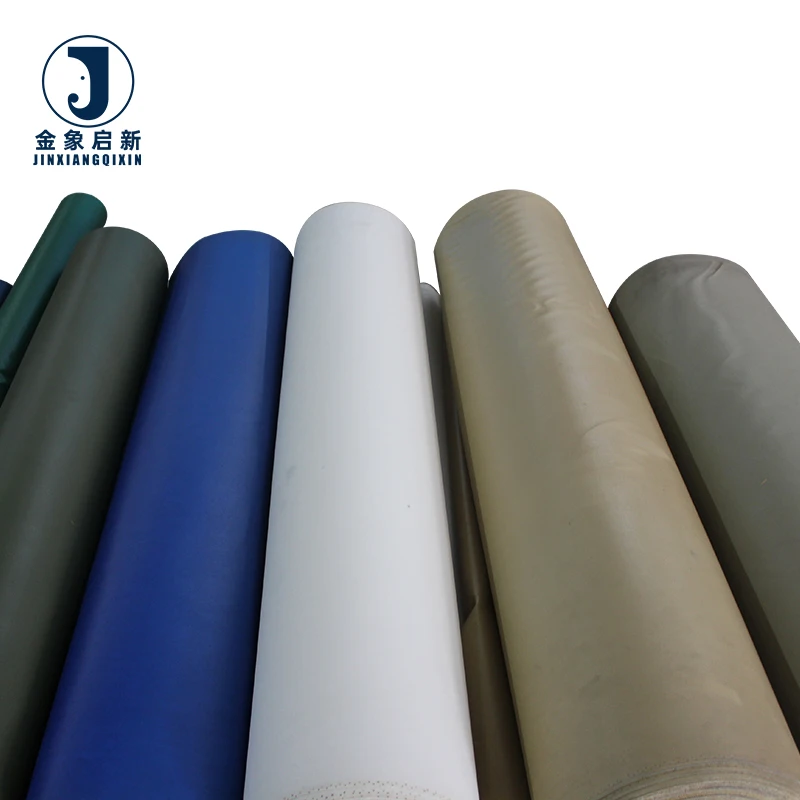
| Color Options | Blue / Red / Yellow / Light blue / Grey (customized colours available) |
| Anti-Static | Anti-static treatment available (grade not stated in source) |
| UV Treatment | Sunproof treatment (test basis not stated in source) |
| Flame Retardant | Available in flame retardant grades — confirm the grade required for your market |
| Cold Crack Resistance | Yes |
| Mildew Resistance | Anti-mildew treatment |
| Waterproof | Yes |
| Service Life | 3–7 years under normal circumstances (source value — verify against project conditions) |
| Custom Finish Sizes | Available as per customer needs |
| Standards | ISO, CE |
Application Suitability
| Application | Exposure & Requirement |
|---|---|
| Tent and awning fabrication | Prolonged sun exposure, wind loading, repeated folding and unpacking, rain ingress at seams |
| Truck awning and side curtain | Constant flexing at load points, road abrasion, weather exposure during transit |
| Cargo ship cover | Salt spray, high humidity, UV degradation, mechanical stress from securing ropes |
| Fish tank and pool lining | Permanent water contact, chemical exposure from water treatment, puncture risk from substrate |
| Inflatable and membrane structures | Internal air pressure stress, weld seam integrity, temperature fluctuation across seasons |
What Happens When Coating Adhesion Fails at the Weld Line
The weld zone is only as strong as the coating bond to the base fabric.
When a heat-welded seam delaminates before the fabric itself tears, the failure almost always traces back to insufficient adhesion between the PVC coating and the polyester mesh. In ventilation duct and inflatable structure fabrication, the weld carries continuous stress from airflow pressure or internal inflation [NEED_CITE: tensile and tear test methods for coated fabrics per ISO 1421]. A PVC coated tarpaulin fabric that delaminates at the seam compromises the entire installation — and it is the fabricator who faces the rework cost and reputation damage, not the material supplier. Laminated and hot-melt coating technologies address this directly by producing a coating-to-yarn bond that withstands the thermal input of welding without separation.
Coating Technology and Weld Performance
The choice between laminated and hot-melt coating technology determines how the PVC layer bonds to the high-strength polyester mesh. Hot-melt coating penetrates the mesh structure under heat and pressure, creating a mechanical interlock between coating and yarn. Laminated technology bonds pre-formed PVC films to both sides of the base fabric. For PVC coated tarpaulin fabric used in welded applications — ventilation ducts, inflatable structures, truck side curtains — the adhesion strength directly controls whether the seam holds under flex and pressure loads.
Anti-Static and Fire-Retardant Compliance for Technical Use
Mining and tunnelling ventilation ducts require fabric that meets specific anti-static surface resistance thresholds and fire-retardant classifications set by the site operator or local jurisdiction. This fabric is available with anti-static treatment and in flame retardant grades, though the exact classification and test standard must be confirmed against your project specification before ordering. Request the test report documentation for the grade applicable to your market [NEED_CITE: fire classification standards for ventilation duct fabric in mining operations]. Ordering without verifying the grade risks rejection at site inspection.
Reading the Specification Sheet: What GSM, Thickness and Weave Actually Mean Together
GSM alone does not define how a coated fabric performs under load. A 550gsm fabric with a tighter polyester mesh weave can outperform a 600gsm fabric with a looser construction in tear resistance, because the base fabric denier and yarn density govern how cracks propagate once the coating is breached. Thickness correlates with coating weight — a 0.5mm grade carries more PVC mass than a 0.35mm grade, which improves abrasion resistance and puncture protection but adds weight to the finished structure. Hot-melt coating technology fills the interstices of the mesh more completely than simple lamination, which increases peel strength at the coating-yarn interface and improves weld seam integrity. For tent and awning fabricators selecting across the 350gsm to 750gsm range, the right grade balances structural load, wind rating, handling weight during installation, and the thermal welding parameters your equipment can sustain. Roll width at 2m or 2.1m determines cutting layout efficiency and the number of splice seams needed for larger panels.
The Cost of Specifying Without Verification
Fabric that arrives lighter than the quoted GSM means less coating mass and reduced service life, particularly in high-UV or high-abrasion environments. Colour drift between rolls in the same shipment becomes visible once panels are installed side by side on a truck curtain or awning frame — the entire batch may need replacement. Weld seams that fail under load trace back to coating formulations that do not tolerate the heat input required for a proper bond [NEED_CITE: coated fabric weld adhesion failure modes]. For anti-static and flame retardant fabric shipped without the supporting test report, the material may be physically compliant but documentation gaps will block site acceptance.
Why Procurement Verification Matters Here
Three full production lines and 36 sets of professional equipment support batch consistency across roll orders, reducing the colour and weight variation that plagues multi-roll shipments. A dedicated QA/QC process runs at every production stage, with 100% inspection before shipment — not random sampling. The 10-person R&D team handles material selection and sample development so you can verify coating adhesion and weld behaviour on your own equipment before committing to bulk. Samples are developed within days for custom requirements including colour matching and treatment grades. ISO and CE certified processes underpin the documentation chain from specification through dispatch.
Documentation & Verification
- Material specification sheet stating exact GSM, base fabric construction and coating weight per roll
- Test report for anti-static or flame retardant treatment grade where applicable — request before ordering
- Pre-shipment inspection record confirming weight, colour and width against purchase specification
- ISO and CE certificates included with shipping documentation
- Certificate of origin and customs support documentation for international shipment
- Roll packing list with individual roll identification for traceability
Fabrication, Handling & Storage
- Heat-weld at temperatures matched to the coating method — hot-melt coated grades may require different dwell times than laminated grades
- Store rolls horizontally on pallets to prevent creasing that transfers into permanent marks on the PVC surface
- Allow cold-stored rolls to reach ambient temperature before unrolling to avoid coating crack at low-flex points
- Use compatible PVC-based repair patches and solvent cements matched to the coating chemistry for field repairs
- Plan cutting layout around 2m or 2.1m roll widths to minimise offcut waste and splice seam count
- Clean with mild detergent only — solvent-based cleaners may degrade the surface treatment over repeated use
Before You Submit the Inquiry
Specify the end-use application, the exposure conditions the fabric will face, and the compliance standards your jurisdiction requires for anti-static or flame retardant performance. Indicate whether you need roll stock for your own fabrication line or finished cut-to-size panels, and provide the target colour reference or print requirements if branding is involved. Confirm the annual volume and preferred roll width so the quotation reflects accurate lead time and container loading.
Frequently Asked Questions
Q: How do I verify the GSM and coating weight on each roll before shipment?
A: Every roll undergoes weight verification as part of the 100% pre-shipment inspection. The inspection record documents actual GSM against the specification stated on your purchase order. You can request the inspection report before the container is sealed. For ongoing supply agreements, sample cuts from production rolls can be sent for independent lab testing.
Q: Can I get a test report for anti-static or flame retardant treatment for my project?
A: Test reports are available for the specific anti-static and flame retardant grades produced. Request the report during the inquiry stage so you can confirm the classification matches your site compliance requirements before committing to production. The report documents the test standard applied and the measured performance values for your jurisdiction.
Q: How do you ensure colour consistency across multiple rolls in one order?
A: Colour reference is locked at sample approval stage before bulk production begins. In-process QA checks colour at each production stage, and the pre-shipment inspection compares every roll against the approved reference. Rolls within the same order are produced in a continuous run where possible to minimise batch-to-batch variation.
Q: Do you supply finished cut-to-size covers or only roll stock?
A: Both options are available. Roll stock in standard 2m and 2.1m widths suits fabricators with their own welding and cutting equipment. Finished cut-to-size items are produced to customer dimensions with welded seams and reinforcement as specified. Indicate your preference at inquiry stage so the quotation covers the correct scope.
Q: Which GSM grade is suitable for inflatable structure versus awning use?
A: Inflatable structures typically require higher GSM grades with strong coating adhesion to withstand internal pressure stress at welded seams. Awning and tent applications may use mid-range grades depending on span and wind loading. Share your structural design parameters and we recommend the grade with supporting specification data for your engineer to review.