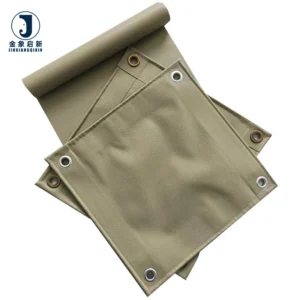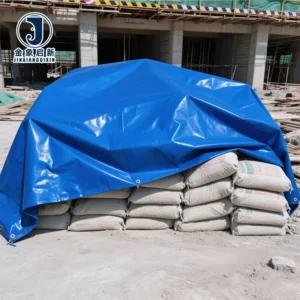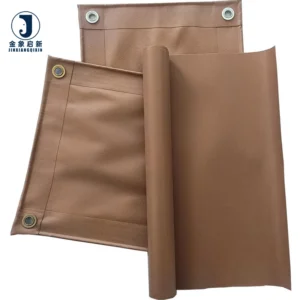
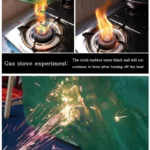
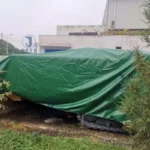
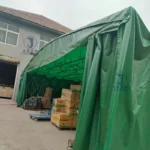

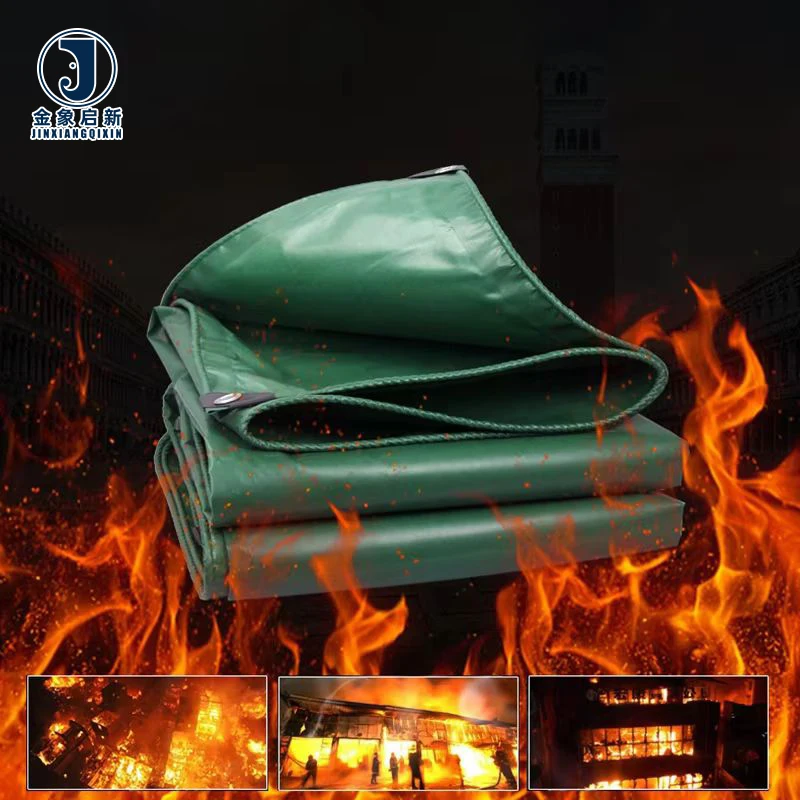
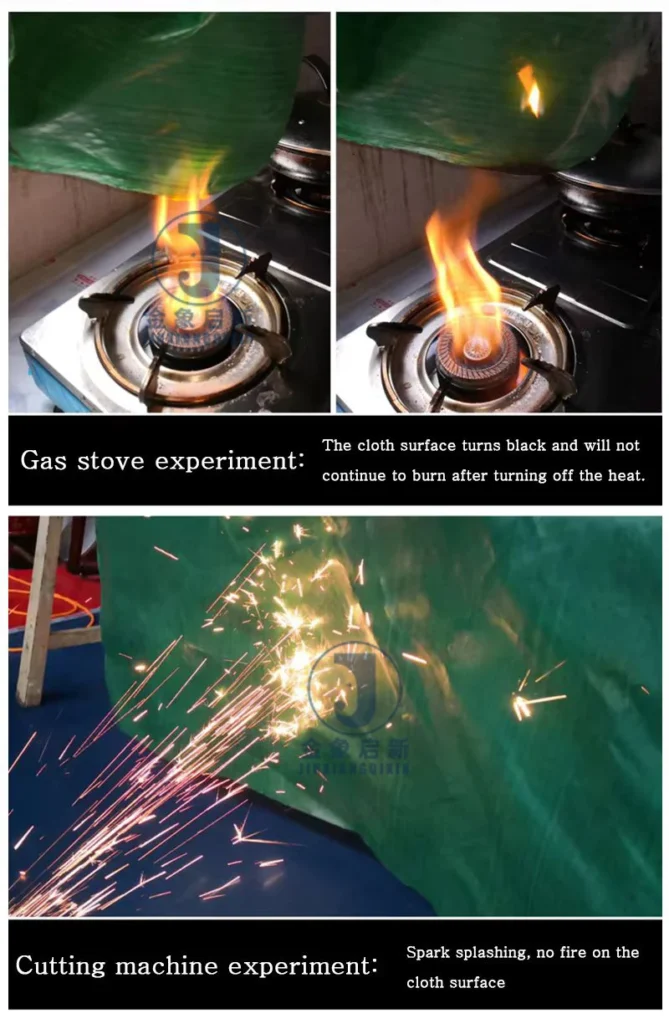
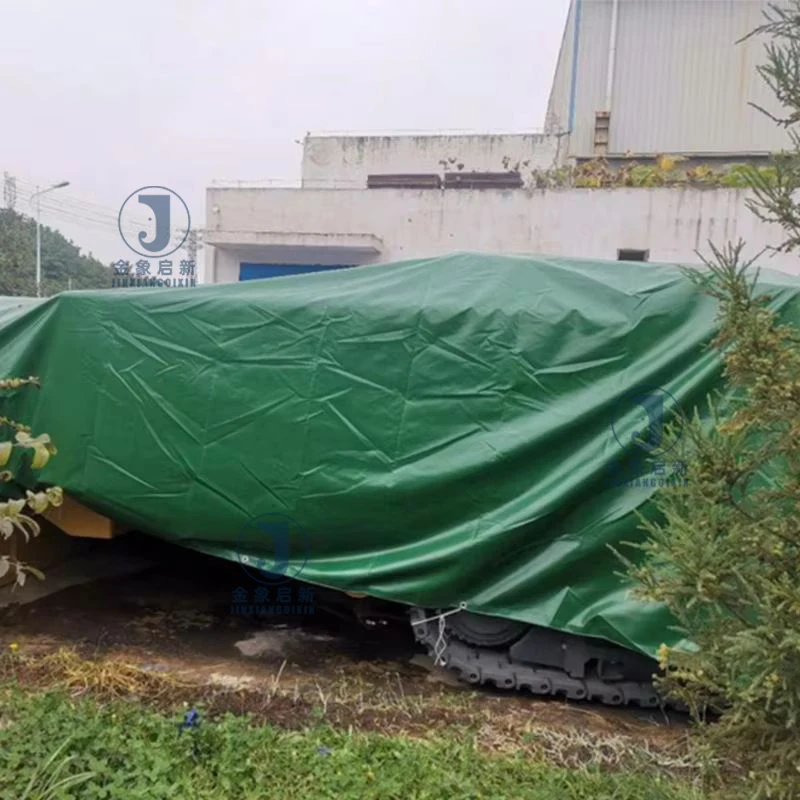
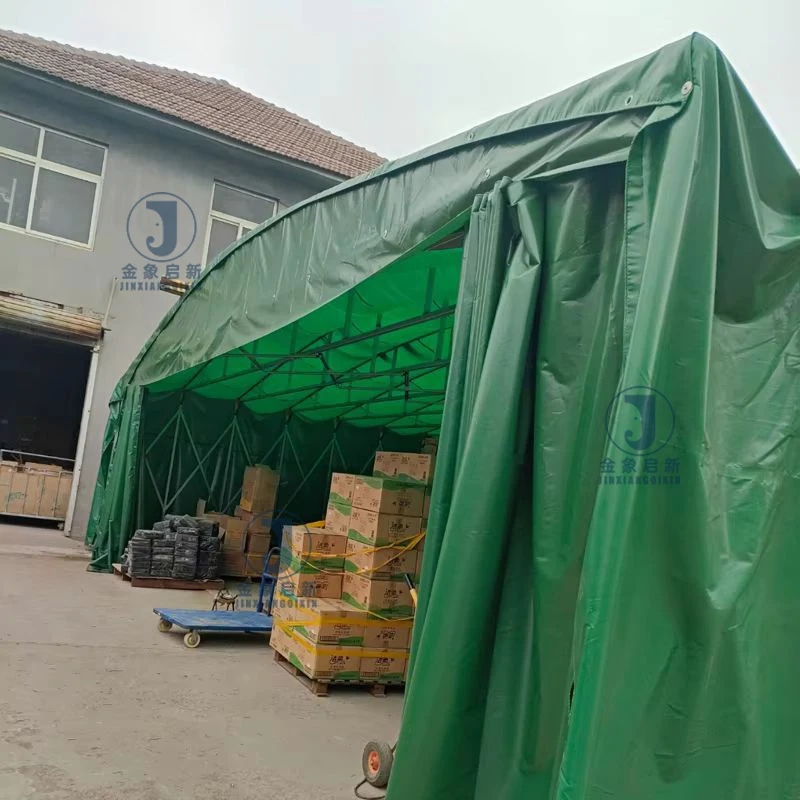
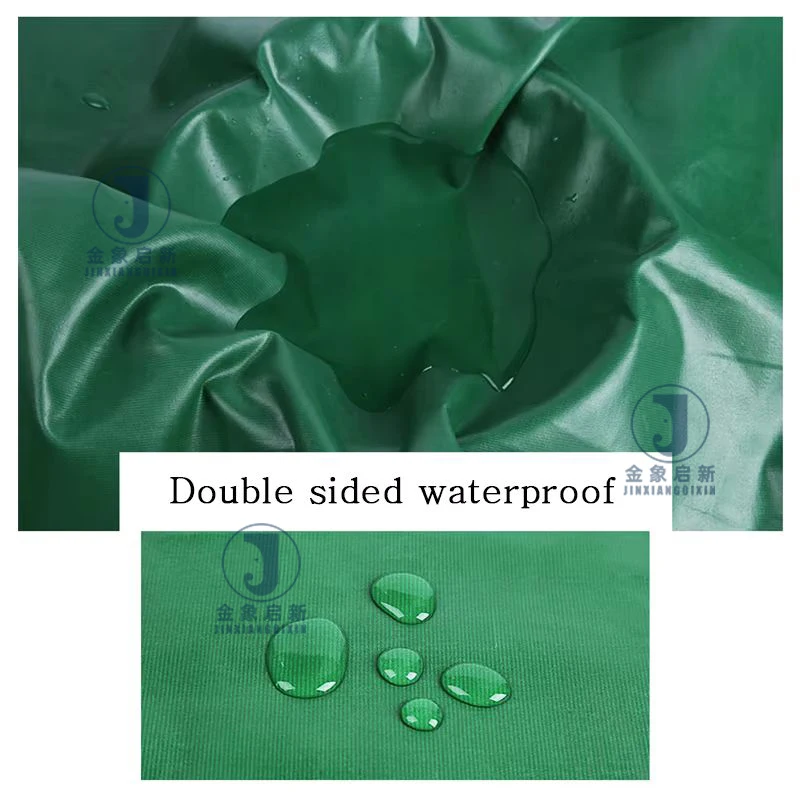
Coating Consistency Under Stress — Three full production lines dedicated to knife coated PVC construction ensure each roll meets the specified GSM, adhesion and surface resistance requirements for technical ventilation and structural membrane applications.
Technical Specifications
| Parameter | Value |
|---|---|
| Product Type | PVC Coated Tarpaulin Fabric |
| Base Fabric | Woven fabric |
| Coating Method | Knife coated |
| Coating Material | PVC (vinyl) |
| Weight | At least 450 g/m² |
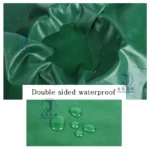
| Water Resistance | Waterproof |
| Oil Resistance | Oilproof |
| Tear Resistance | Yes (standard not stated) |
| UV Treatment | Anti-UV treatment available — confirm grade required for your market |
| Flame Retardant | Available in flame retardant grades — confirm the grade required for your market |
| Anti-Static | Available in anti-static grades — confirm surface resistance standard required |
| Finish | Glossy / Matte |
| Customisation | Custom width, length, colour, pattern printing, eyelets, reinforced hems |
| Certification | ISO, CE |
Application Suitability
| Application | Exposure & Requirement |
|---|---|
| Mining and tunnelling ventilation ducts | Continuous airflow pressure, flex fatigue at joints, mandatory fire-retardant and anti-static compliance underground |
| Aviation ground support ducting | Fuel vapour proximity, rapid deployment and retrieval cycles, strict flame classification |
| Membrane and inflatable structures | Permanent UV exposure, wind load tension, welded seam integrity under structural stress |
| Construction site temporary ventilation | Dust abrasion, mechanical handling damage, compliance with site safety specifications |
Why "Flame Retardant" Without a Grade Is a Liability on Site
A ventilation duct that arrives without the matching test report fails the site safety audit before it is ever installed.
Procurement teams in mining and tunnelling regularly specify PVC coated tarpaulin fire retardant fabric for underground ventilation, yet the material delivered often lacks the documentation that the site safety officer demands. The result is not a minor paperwork delay — it is a full work stoppage while the compliance gap is resolved, sometimes requiring the entire duct run to be replaced. I have reviewed projects where the fabric passed visual inspection but the anti-static surface resistance was never measured, leaving the contractor exposed to ignition risk in combustible dust environments [NEED_CITE: ISO 284 test method for anti-static conveyor and duct materials]. The gap between the quotation claim and the delivered certificate is where project budgets and timelines break.
Fire Classification Compliance Across Jurisdictions
Ventilation duct systems installed underground or in enclosed construction environments must satisfy the fire classification demanded by the local regulatory authority. PVC coated tarpaulin fire retardant grades available from our production lines can be formulated to align with specific regional standards — however, the exact grade must be confirmed at inquiry stage so that the correct additive package is introduced during the knife coating process. M2, B1 and NFPA 701 each measure flame behaviour differently, and a fabric that satisfies one may not satisfy another. Specifying the target standard before sampling ensures the test report shipped with your rolls is the one your site auditor needs.
Anti-Static Performance Where Dust Ignition Is the Real Risk
In mining ventilation and certain construction environments, static charge accumulation on the duct surface can become an ignition source. Anti-static PVC coated tarpaulin fire retardant fabric addresses this by modifying the surface resistivity of the coating — but the measured value must match the threshold your safety plan requires [NEED_CITE: EN 14986 standard for ventilation in potentially explosive atmospheres]. We supply the test report stating the surface resistance achieved, referenced against the applicable standard, so that your compliance file is complete before the duct enters service.
Reading the Specification Sheet Beyond GSM
The stated weight of at least 450 g/m² accounts for the combined mass of the woven base fabric and the PVC coating applied by knife coating. This method forces the PVC compound into the weave interstices under blade pressure, producing higher adhesion and better peel strength than simple lamination — critical for ducts that flex under positive or negative air pressure. The base fabric denier and weave density determine how the load distributes across the textile when a duct section is pulled or twisted during installation. A heavier coating on a loosely woven base will not outperform a precisely coated lighter construction with a tighter weave, which is why evaluating PVC coated tarpaulin fire retardant fabric on weight alone leads to incorrect sourcing decisions.
The Hidden Cost of Undocumented Compliance
When a duct fabric is selected primarily on unit price, the savings disappear the moment the site safety inspector requests the fire-retardant test certificate and it does not exist. Entire ventilation runs have been pulled down and replaced because the documentation did not match the specification — a cost that dwarfs the original material saving. Similarly, anti-static claims unsupported by measured surface resistance values leave contractors liable if an incident occurs. Colour inconsistency between rolls in the same order may seem cosmetic, but on large membrane structures installed side by side, visible mismatch forces panel replacement and delays project handover [NEED_CITE: batch colour consistency protocols in coated fabric manufacturing]. Every one of these failures originates in a specification that was vague at the point of order.
Why Technical Buyers Source This Fabric Here
Our 10-person R&D team handles material selection and sample development for fire-retardant and anti-static PVC coated tarpaulin fire retardant grades, producing samples within days so you can verify performance before committing to a production run. Dedicated QA at every production stage — from base fabric inspection through coating weight verification to final roll winding — means the GSM and treatment stated on your quotation are the values recorded on your pre-shipment inspection report. Three full production lines and 36 sets of professional equipment give us the capacity to fulfil large duct projects without inflating lead times. Nearly 30 years of focused coated fabric production provides the process control that keeps coating adhesion consistent from the first roll to the last. Every shipment includes the documentation package — material specification sheet, test reports, inspection records — that your compliance file requires.
Documentation & Verification
- Material specification sheet stating GSM, base fabric denier, coating method and weight for every roll produced
- Fire-retardant and anti-static test reports referencing the specific grade and standard ordered
- Pre-shipment inspection record confirming 100% inspection of coating adhesion, weight and surface quality
- Roll packing list detailing individual roll dimensions, weight and batch reference for traceability
- Certificate of origin and full customs documentation for international project site delivery
Fabrication, Handling & Storage
- Knife coated PVC construction supports high-frequency and hot-air welding; calibrate temperature to coating thickness to avoid base fabric scorch
- Store rolls upright on pallets to prevent flat-spot deformation of the woven base fabric under dead weight
- Allow cold-stored rolls to acclimatise before unrolling to prevent coating micro-cracking at low temperatures
- Clean glossy finish surfaces with mild detergent; avoid solvent-based cleaners that degrade the PVC plasticiser layer
- Match eyelet spacing and hem reinforcement to the specific duct diameter and internal pressure load
What We Need to Quote Your Ventilation or Membrane Project
To provide an accurate specification and sample, tell us the application environment — underground mining, aviation ground support, construction ventilation or membrane structure — and the compliance standards your site safety plan mandates. Specify the duct diameter or membrane panel dimensions so we can recommend the optimal roll width to minimise welded seams. Confirm whether you require finished cut-to-size panels or full rolls for your own fabrication line, and state your annual volume so we can align production scheduling to your project timeline.
Frequently Asked Questions
Q: What fire-retardant grades are available and which test standard applies?
A: PVC coated tarpaulin fire retardant grades can be produced to align with standards such as M2, B1 or NFPA 701 depending on your market requirements. Because each standard uses a different test method, please confirm the specific grade your site safety plan or local regulation mandates at inquiry stage so the correct formulation and matching test report are prepared.
Q: How is anti-static surface resistance verified before shipment?
A: Where anti-static performance is specified, surface resistance is measured and recorded against the referenced standard. The test report is included in the documentation package shipped with your rolls. Confirm the required resistance threshold at inquiry so the coating formulation is adjusted accordingly during production.
Q: How is GSM verified to match the quotation on delivery?
A: Every roll undergoes weight verification during the 100% pre-shipment inspection. The recorded GSM is documented on the material specification sheet and inspection report, both of which ship with your order. This ensures the weight you specified is the weight that arrives at your project site.
Q: Can custom widths be produced for long continuous duct runs?
A: Yes. Custom roll widths and lengths are available to reduce the number of welded seams in long ventilation duct runs. Our R&D team will confirm the maximum producible width for your chosen GSM and provide a sample for welding trials before full production is scheduled.