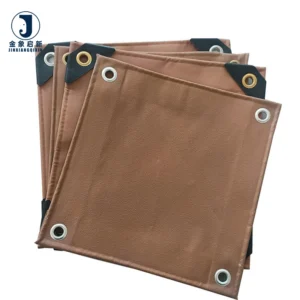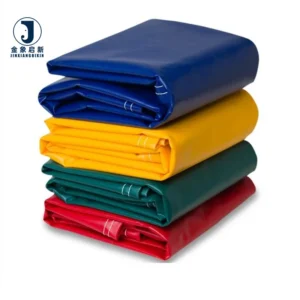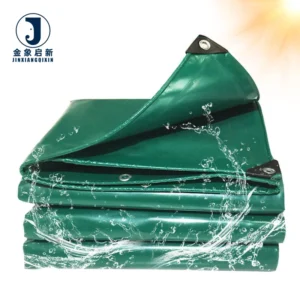
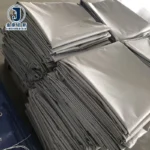
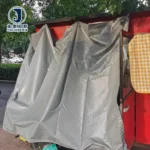
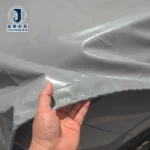
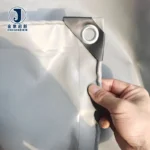
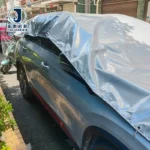
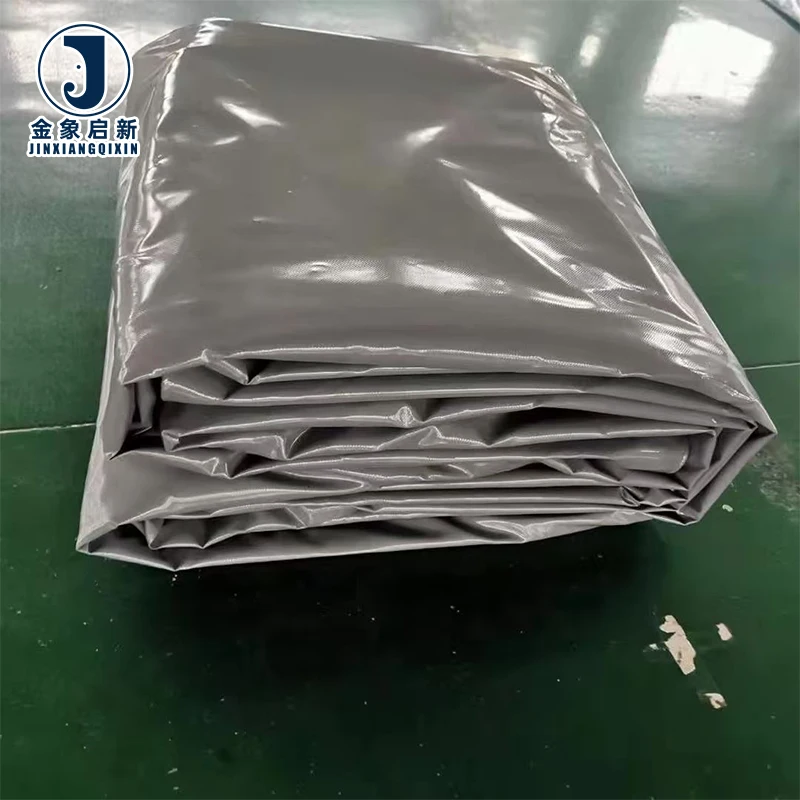
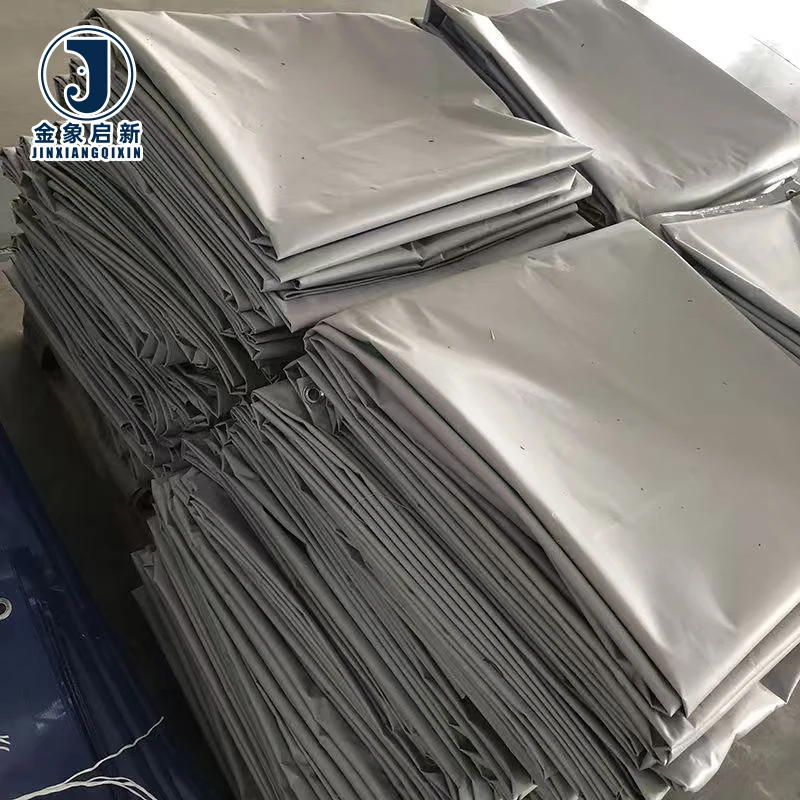
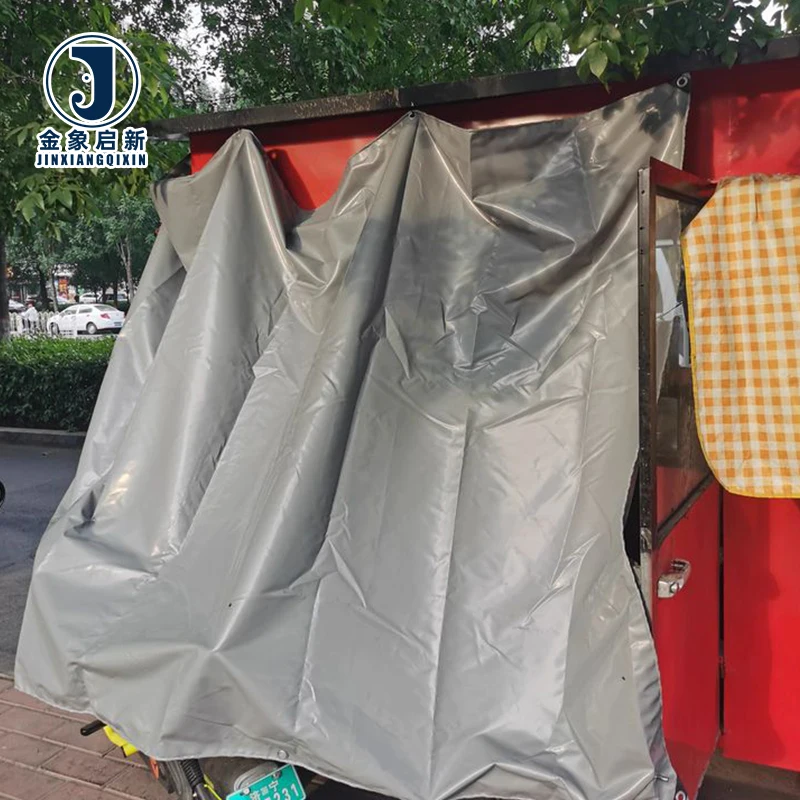
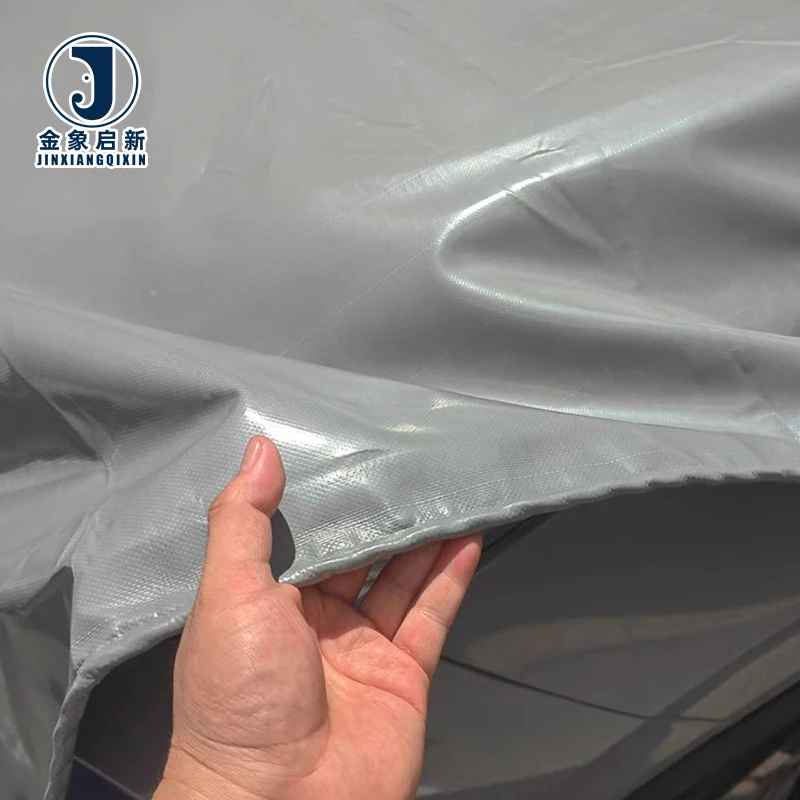
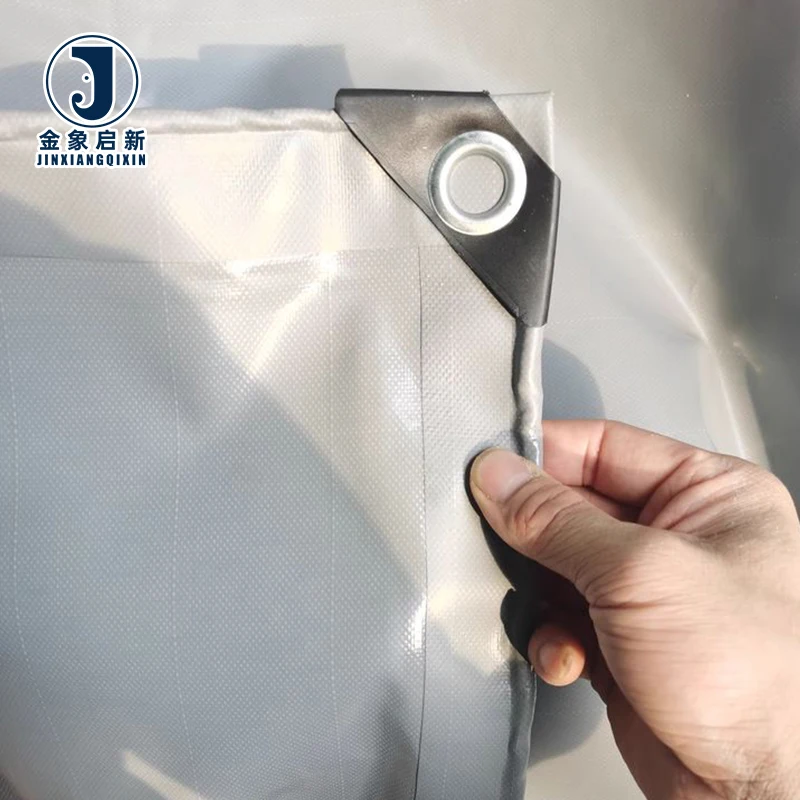
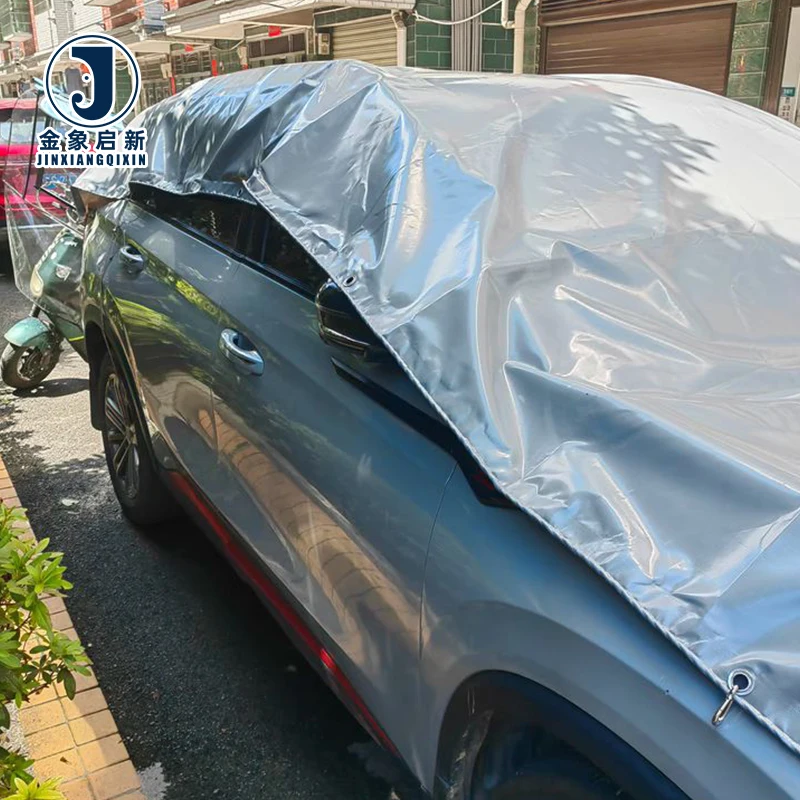
Deep Process Control Over Coating — verified at every production stage for specialist-grade PVC coated tarpaulin fabric, ensuring adhesion and weight accuracy before dispatch.
Technical Specifications
| Parameter | Value |
|---|---|
| Product Type | PVC Coated Tarpaulin |
| Base Fabric Denier | 200D×300D, 500D×500D, 840D×840D, 1000D×1000D |
| Weight Range | 250gsm–1500gsm (select grade per application) |
| Surface Finish | Glossy or matte |
| Temperature Range | -15°C to 70°C |
| Treatment Options | Waterproof, UV (grade to confirm), flame retardant (grade to confirm), anti-fungal |
| Size Options | 3×4m, 6×8m, 8×10m, 10×12m or custom made |
| Key Features | Water-proof, rain-resistant, tear-resistant, durable, good flexibility, adhesion strength, abrasion resistance |
Application Suitability
| Application | Exposure & Requirement |
|---|---|
| Mining and tunnelling ventilation duct | Underground humidity, fire-retardant and anti-static compliance, continuous airflow pressure |
| Membrane and inflatable structures | Tensile load under wind, weld integrity at seam lines, UV exposure on exterior faces |
| Aviation ventilation systems | Certified material documentation, flame retardant grade per aviation safety standard, temperature fluctuation |
| Industrial duct fabrication | Repeated flex at joints, internal air pressure cycling, anti-fungal requirement in humid environments |
What "Certified Fire Retardant" Actually Means for Your Ventilation Duct
A flame retardant claim without a matching test report is a liability, not a specification.
Ventilation duct fabric installed underground or in aviation environments must meet specific fire classification standards enforced by site inspectors. When the PVC coated tarpaulin arrives with only a verbal assurance of flame retardancy, the compliance audit fails and the entire duct run must be replaced or re-tested at your cost. We supply test reports matched to the standard your project mandates — confirm the grade required for your market before ordering. [NEED_CITE: fire classification standards for ventilation duct materials in underground mining]
Selecting Denier and Weight for Structural and Duct Applications
The base fabric denier determines the tensile load the material can carry before the coating is even considered. For ventilation duct construction, 840D×840D or 1000D×1000D base fabric provides the tear resistance needed to withstand internal air pressure cycling and the mechanical stress at hanging points. Lower denier options such as 200D×300D serve lighter inflatable or temporary membrane applications where weight savings matter. Matching denier to PVC coated tarpaulin performance requires knowing the exact load and exposure profile of your installation.
Fire Retardant and Anti-Static Treatment — Confirm Your Standard
Flame retardant treatment is available in multiple grades, and the correct grade depends on the regulatory framework at your project location. Mining ventilation duct typically requires a different fire classification than a temporary event structure or an aviation hangar duct. Anti-static treatment may be mandatory for underground explosive atmospheres where surface resistance values are specified by regulation. We provide PVC coated tarpaulin with treatment documentation — tell us which standard applies and we certify against it. [NEED_CITE: surface resistance requirements for anti-static fabric in explosive atmospheres]
Reading the Specification Sheet Beyond GSM
GSM alone tells you the weight of the coated fabric but nothing about how that weight is distributed between base fabric and coating layers. A 650gsm material built on a 500D×500D base with a heavier coating will behave differently under tensile load than a 650gsm material on a 1000D×1000D base with a lighter coating. The former relies on coating thickness for stiffness; the latter depends on yarn strength for tear resistance. Coating method also matters — knife-coated fabric typically offers higher peel strength at the weld line, which is critical for duct and membrane seams that must hold under pressure. Glossy finish supports easier cleaning in environments where dust accumulation is a concern, while matte finish reduces glare on exposed membrane structures.
The Cost of Getting the Treatment Specification Wrong
When flame retardant grade is left unconfirmed, the duct or membrane passes production but fails on-site inspection. The material must then be removed, re-tested or replaced — delays that compound quickly on a project with a fixed commissioning date. Anti-static fabric installed without the correct surface resistance documentation faces the same rejection in regulated mining environments. Colour variation between rolls in a single membrane structure becomes visible once panels are installed side by side, forcing selective replacement. Weld seam failure at flex points appears weeks after installation when the wrong denier was chosen for the load profile. [NEED_CITE: seam failure modes in coated fabric ventilation duct systems]
Why Procure Specialist Fabric Through This Channel
Three full production lines and 36 sets of professional equipment handle the volume requirements of industrial duct and membrane projects without sacrificing lead-time reliability. A 10-person R&D team works directly on material selection, treatment grade matching and sample development for your specific application. Dedicated QA and QC runs at every production stage with 100% inspection before any roll ships. Sample development for custom treatment grades or width requirements is completed within days, not weeks. ISO and CE certification underpins the documentation package that accompanies every dispatch.
Documentation & Verification
- Material specification sheet stating exact GSM, base fabric denier and coating weight for each roll
- Test report for flame retardant grade matched to your project standard (e.g. M2, B1, NFPA 701)
- Anti-static surface resistance documentation where required for underground or explosive atmospheres
- Pre-shipment inspection record confirming 100% QA coverage before dispatch
- Certificate of origin and customs documentation for cross-border shipment
Fabrication, Handling & Storage
- Hot-air welding at recommended temperature settings ensures coating adhesion strength is maintained at every seam
- Reinforced hems at high-stress edges prevent tear propagation in 840D×840D or 1000D×1000D base fabric
- Store rolls upright on pallets to avoid flat-spotting and permanent crease marks in the coating layer
- Allow cold-stored rolls to reach ambient temperature before unrolling to prevent coating crack at low temperatures
- Use mild detergent and soft cloth for cleaning glossy or matte surfaces to preserve treatment integrity
- Plan cutting layout to minimise offcuts, especially on wider rolls used for membrane panel fabrication
Preparing Your Specification for Quotation
Provide the exact application environment — whether ventilation duct, inflatable structure or membrane building — along with the fire retardant or anti-static standard enforced at your project site. Specify the denier and GSM range you require, or share the load and exposure conditions so we can recommend the appropriate grade. Confirm whether you need rolls at standard width or custom dimensions, and whether finished panels or raw roll stock is the delivery format.
Frequently Asked Questions
Q: Which flame retardant standard does your project require and how do we certify against it?
A: Different markets enforce different fire classification systems — M2 in France, B1 in Germany, NFPA 701 in the United States. We supply PVC coated tarpaulin with a test report matched to the specific standard your project demands. Confirm the target standard at inquiry stage so we can select the correct treatment grade and arrange testing before production begins.
Q: When is anti-static fabric mandatory and what surface resistance value applies?
A: Anti-static PVC coated tarpaulin is typically mandatory for ventilation duct installed in underground mining or tunnelling environments where explosive atmospheres are present. The required surface resistance value is set by the regulatory authority governing your site. We provide test documentation showing the measured value against your applicable standard.
Q: How is GSM verified on arrival and what tolerance applies?
A: GSM is verified by cutting a measured sample from the roll and weighing it on a calibrated scale. We conduct this check during our 100% pre-shipment inspection and include the result in the inspection record. On arrival, you can repeat the same procedure to confirm the material matches the stated specification within accepted industry tolerance.
Q: What weld and seam method is recommended for duct and membrane fabrication?
A: Hot-air welding is the standard method for joining PVC coated tarpaulin in duct and membrane applications, as it fuses the coating layers directly for high peel strength. The welding temperature and speed must be matched to the specific coating weight and base fabric denier. We recommend testing weld parameters on a sample piece before full production.
Q: What is the minimum order for custom width, colour or treatment grade?
A: Minimum order quantities vary depending on the specific customisation — non-standard width, special colour or a particular flame retardant grade each carry different production thresholds. Share your exact requirements at inquiry stage and we will confirm the applicable minimum alongside lead time and available documentation for that configuration.