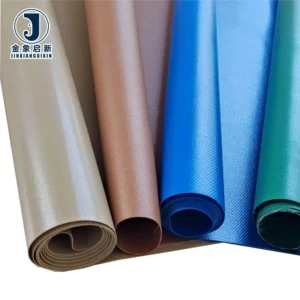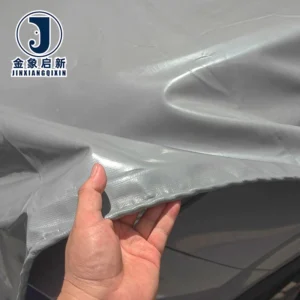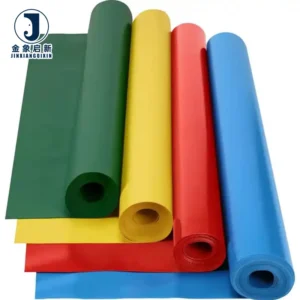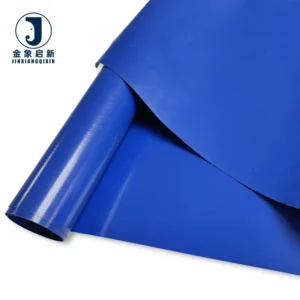
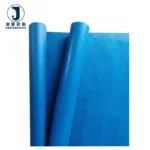
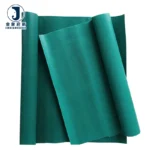
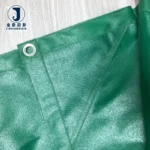

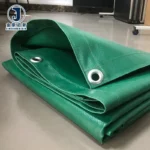
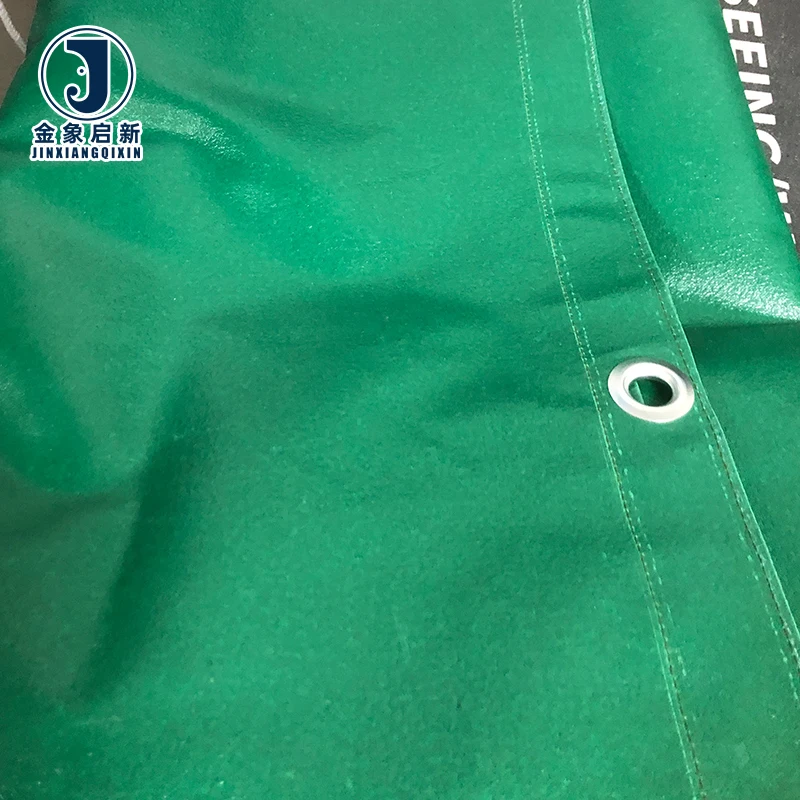
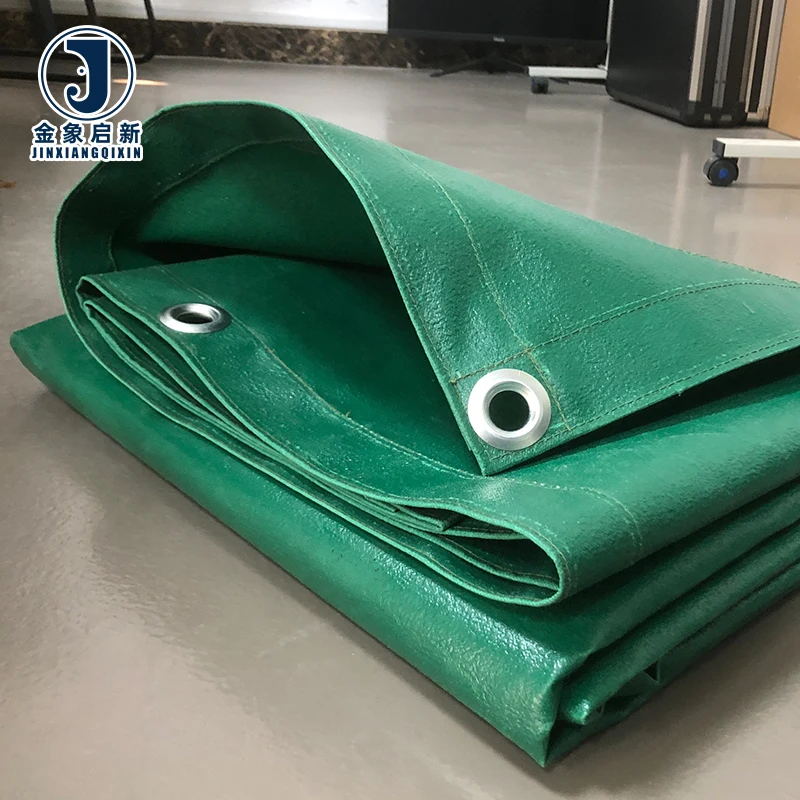
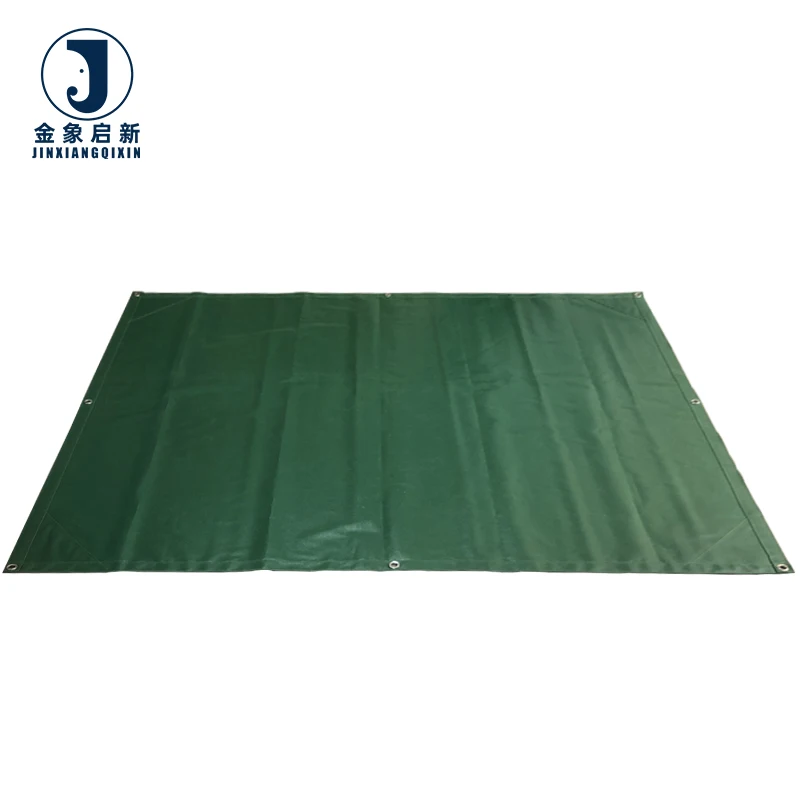
Deep Process Control — coating weight and adhesion managed across three full production lines with 36 sets of equipment, ensuring every roll of PVC Coated Tarpaulin Roll meets the technical specification your project demands.
Technical Specifications
| Parameter | Value |
|---|---|
| Product Type | PVC Coated Tarpaulin Roll |
| Base Fabric | High-strength polyester mesh fabric |
| Coating Material | PVC |
| Coating Method | Laminated technology & Hot-melt Coating technology |
| Weight (GSM) | 350gsm / 420gsm / 500gsm / 550gsm / 600gsm / 750gsm (confirm grade for your application) |
| Total Thickness | 0.32mm / 0.35mm / 0.4mm / 0.45mm / 0.5mm / 0.65mm (confirm grade for your application) |
| Roll Width | 2m / 2.1m |
| Roll Length | 75m / 50m |
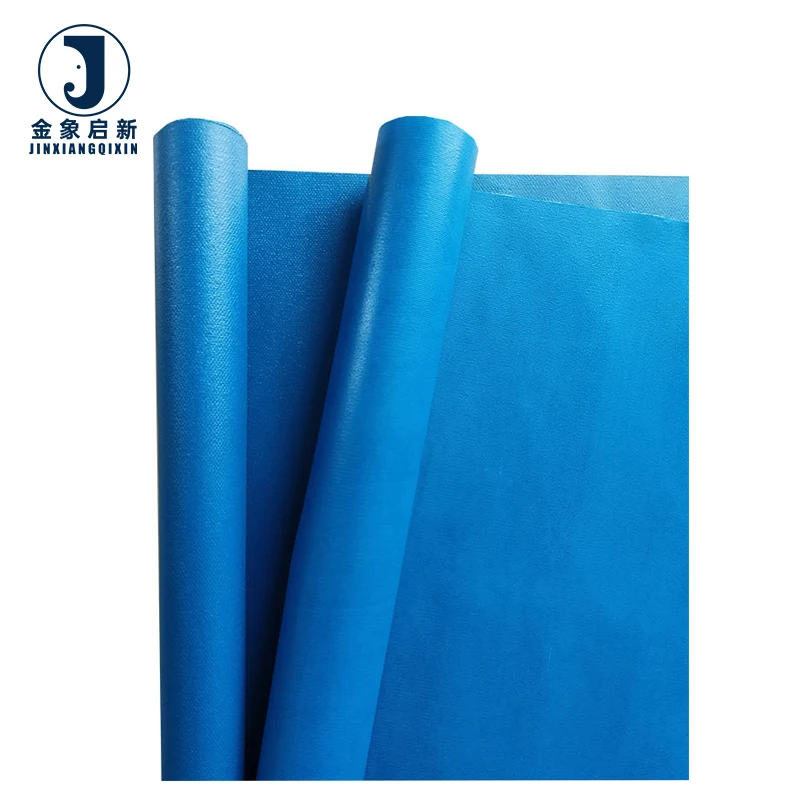
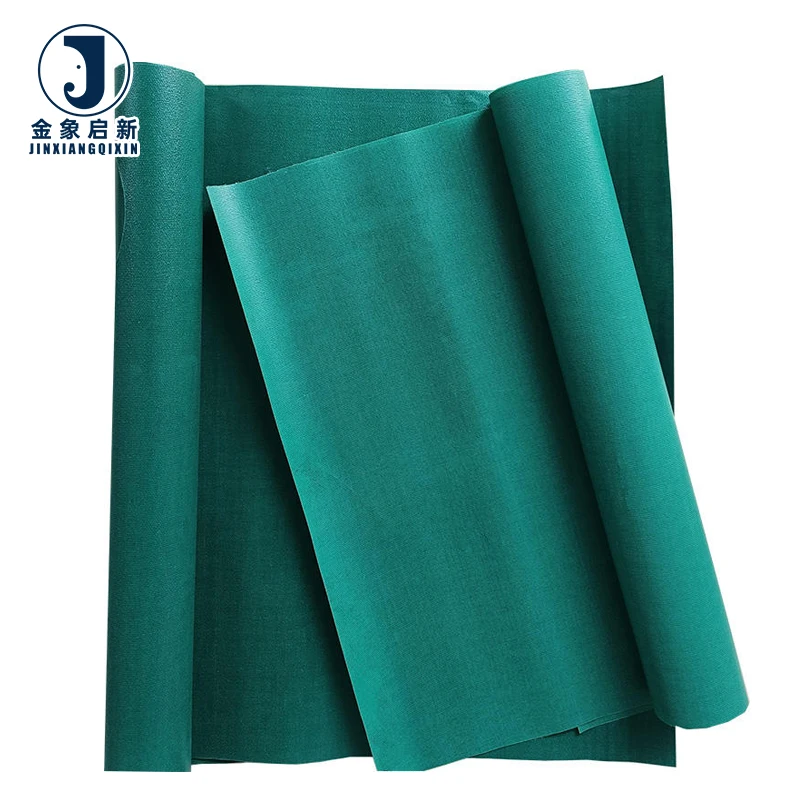
| Colour Options | Blue / Red / Yellow / Light Blue / Grey (custom colours available) |
| Flame Retardant | Available in flame retardant grades — confirm the grade required for your market |
| Anti-Static | Anti-static treatment available — surface resistance standard to be confirmed per order |
| Additional Treatments | Cold crack resistance, anti-mildew, anti-cold, waterproof, sunproof |
| Certifications | ISO, CE |
Application Suitability
| Application | Exposure & Requirement |
|---|---|
| Mining and tunnelling ventilation ducts | Continuous airflow, dust-laden environments, fire-retardant and anti-static compliance mandatory |
| Aviation ground support and hangar ventilation | Strict flammability standards, fuel vapour zones, regulatory audit documentation required |
| Inflatable and membrane structures | Wind loading, UV exposure, weld integrity at curved seams, fire code compliance for public spaces |
| Industrial air duct fabrication | Electrostatic discharge risk, flame spread limits, long service intervals between replacement |
| Temporary specialist enclosures | Rapid deployment, weather exposure, repeated folding and unfolding without coating delamination |
What "Fire-Retardant" Means When No Grade Follows the Claim
A fire-retardant label without a cited standard is a liability, not a specification.
Site inspectors at mining operations and aviation facilities check documentation before they check the fabric. When a PVC Coated Tarpaulin Roll fire retardant claim appears on a quotation but no test report accompanies the shipment, the installation halts — not because the material failed, but because the paperwork did. We see procurement teams caught between a supplier’s verbal assurance and a compliance officer demanding a certificate citing M2, B1, NFPA 701 or DIN 4102. [NEED_CITE: fire classification standards for coated fabrics in ventilation applications per DIN 4102]
The gap between "flame retardant treated" and "flame retardant certified to a named grade" is where projects stall and reprocurement costs emerge. Every roll we supply with a fire-retardant specification ships with a test report that names the standard, the grade achieved, and the batch it applies to.
Coating Adhesion and Ventilation Duct Fabrication
Hot-melt coating technology bonds the PVC layer to the high-strength polyester mesh at elevated temperature, producing an adhesion strength that resists delamination during the thermal welding process used in duct fabrication. For ventilation duct contractors, this means the weld seam can be heat-joined without the coating peeling away from the base fabric at the bond line. Laminated technology provides an alternative construction method where the coating is applied as a film and bonded under pressure, offering different cost and performance profiles depending on the duct geometry and operating pressure.
Anti-Static Compliance in Hazardous Atmospheres
In mining ventilation and aviation hangar duct systems, electrostatic discharge poses a genuine ignition risk where combustible dust or fuel vapour is present. Anti-static treatment reduces surface resistivity to levels that dissipate charge before it accumulates to dangerous thresholds. The specific surface resistance value your site requires depends on the regulatory framework governing your operation — confirm the standard before ordering so the PVC Coated Tarpaulin Roll fire retardant and anti-static specification aligns with your compliance documentation. [NEED_CITE: surface resistivity testing methods for anti-static coated fabrics]
Reading the Specification Sheet Beyond GSM
Weight in GSM tells you how much PVC is on the fabric, but it does not tell you how the base fabric is constructed. A 550gsm roll with a loosely woven base mesh will tear more easily than a 550gsm roll with a tighter denier count, because the polyester yarn density determines how force distributes across the weave when a puncture or cut initiates. Coating method matters equally: hot-melt coating typically delivers higher peel strength at the weld line compared to laminated construction, which affects how long a fabricated duct survives flexing at suspension points. Thickness correlates with puncture resistance in membrane structure applications, but adding thickness without increasing base fabric density simply adds coating that can crack under repeated folding. Roll width and length determine how many transverse welds a duct fabricator must make — fewer seams mean fewer potential failure points and faster fabrication throughput.
The Cost of Ordering on Colour Alone
Colour consistency between rolls becomes visible the moment two panels are welded side by side on a membrane structure or duct run. When one roll shifts even slightly in hue from the next, the finished installation displays banding that clients reject on sight — forcing the fabricator to reorder, re-fabricate, and absorb the labour cost of the first attempt. We track batch numbers and colour references on every roll packing list so that replacements match the original production run, and so that multi-roll orders spanning a single project ship from the same coating batch.
Why Technical Buyers Source PVC Coated Tarpaulin Rolls Here
Three full production lines with 36 sets of professional equipment mean bulk roll orders for duct fabrication maintain consistent output scheduling without being delayed by smaller custom jobs sharing the same line. A 10-person R&D team handles material selection for specific ventilation and membrane applications, developing samples within days when a project requires a non-standard width or treatment combination. Dedicated QA/QC inspects every roll before shipment — GSM, coating adhesion, colour reference, and treatment verification are checked against the order specification, not sampled from a single roll in the batch. ISO and CE certification documentation ships with the consignment, providing the audit trail that mining, aviation, and construction compliance officers require before approving installation. Custom widths and lengths for duct fabrication are produced with the same coating controls applied to standard inventory grades, so a non-standard roll dimension does not mean a compromise on treatment verification. [NEED_CITE: tensile and tear test methods for coated fabrics per ISO 1421]
Documentation & Verification
- Material specification sheet stating GSM, base fabric denier, coating method and colour reference per roll
- Fire-retardant test report citing specific standard and grade achieved for the production batch
- Anti-static surface resistance test data documenting compliance level before dispatch
- Pre-shipment inspection record confirming weight, thickness and treatment verification roll by roll
- Roll packing list with batch number and colour reference for site traceability
- Certificate of origin and customs documentation for cross-border shipment
Fabrication, Handling & Storage
- Heat-weld at temperatures matched to the coating method — hot-melt and laminated constructions respond differently to thermal input
- Store rolls upright on pallets to prevent flat-spot deformation across the 2m or 2.1m width
- Allow cold-stored rolls to reach ambient temperature before unrolling to avoid coating crack at low GSM grades
- Use compatible PVC adhesive for field repairs, matching the coating chemistry of the base material
- Plan cutting layout to minimise transverse welds when fabricating long duct runs from 50m or 75m roll lengths
- Clean with mild detergent only — solvents degrade the PVC coating surface and compromise anti-static treatment
Before You Request a Quote
Tell us the ventilation or membrane structure application, the fire-retardant and anti-static standards your site requires, and the roll width and total linear metres needed for the project. If your duct design calls for a non-standard width or a specific colour match to existing installed fabric, include that detail so we can confirm production feasibility and sample development timing.
Frequently Asked Questions
Q: What fire-retardant grade can you certify, and does it meet my country’s mining or aviation ventilation standard?
A: We supply PVC Coated Tarpaulin Roll fire retardant in grades that align with common international standards. The specific grade your site mandates — whether M2, B1, NFPA 701 or DIN 4102 — must be confirmed at inquiry stage so we match the treatment chemistry and provide the correct test report with shipment documentation.
Q: How do you verify anti-static surface resistance, and what test report accompanies the roll?
A: Anti-static treatment is applied during coating, and surface resistance is measured as part of our pre-shipment inspection process. The test report documents the resistance value achieved and the method used, giving your compliance team the data needed for site approval before installation begins.
Q: How is GSM confirmed on arrival — do you provide a mill test certificate per roll batch?
A: Every roll batch is weighed and measured during pre-shipment inspection, and the results are recorded on the inspection document that ships with your order. This allows you to verify that the GSM stated on the quotation matches the material received, eliminating the common problem of lighter-than-agreed fabric arriving on site.
Q: What roll widths and lengths are available, and how do you handle custom width orders for duct fabrication?
A: Standard roll widths are 2m and 2.1m in lengths of 50m or 75m. Custom widths for specific duct diameters are produced on our coating lines with the same treatment and quality controls as standard grades — confirm the required dimension and minimum quantity at inquiry stage for lead time confirmation.