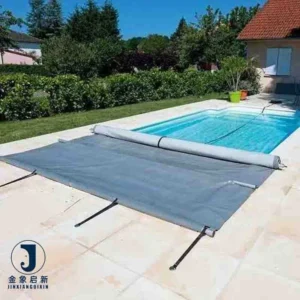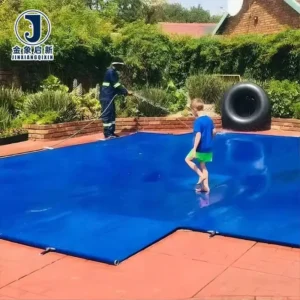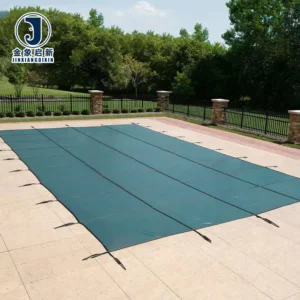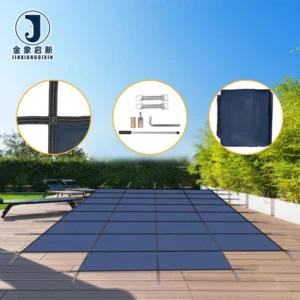

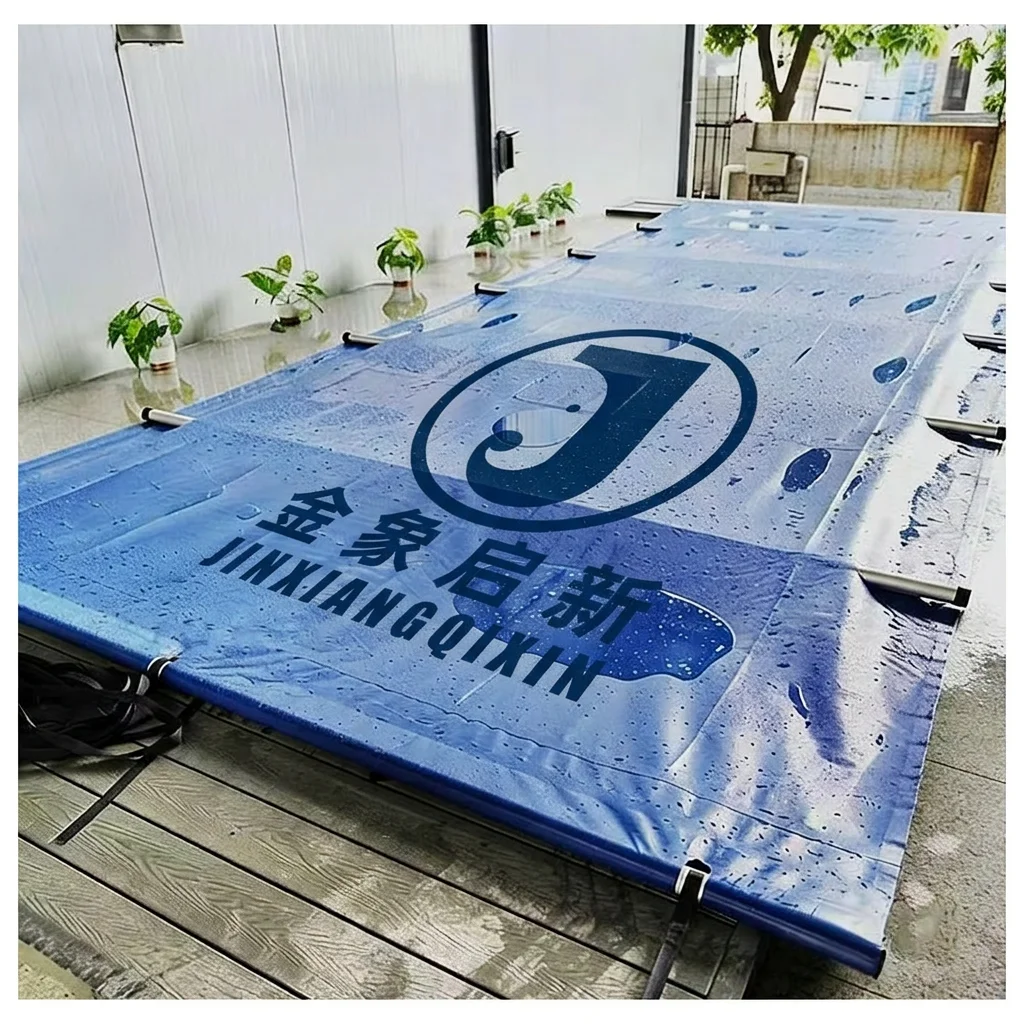
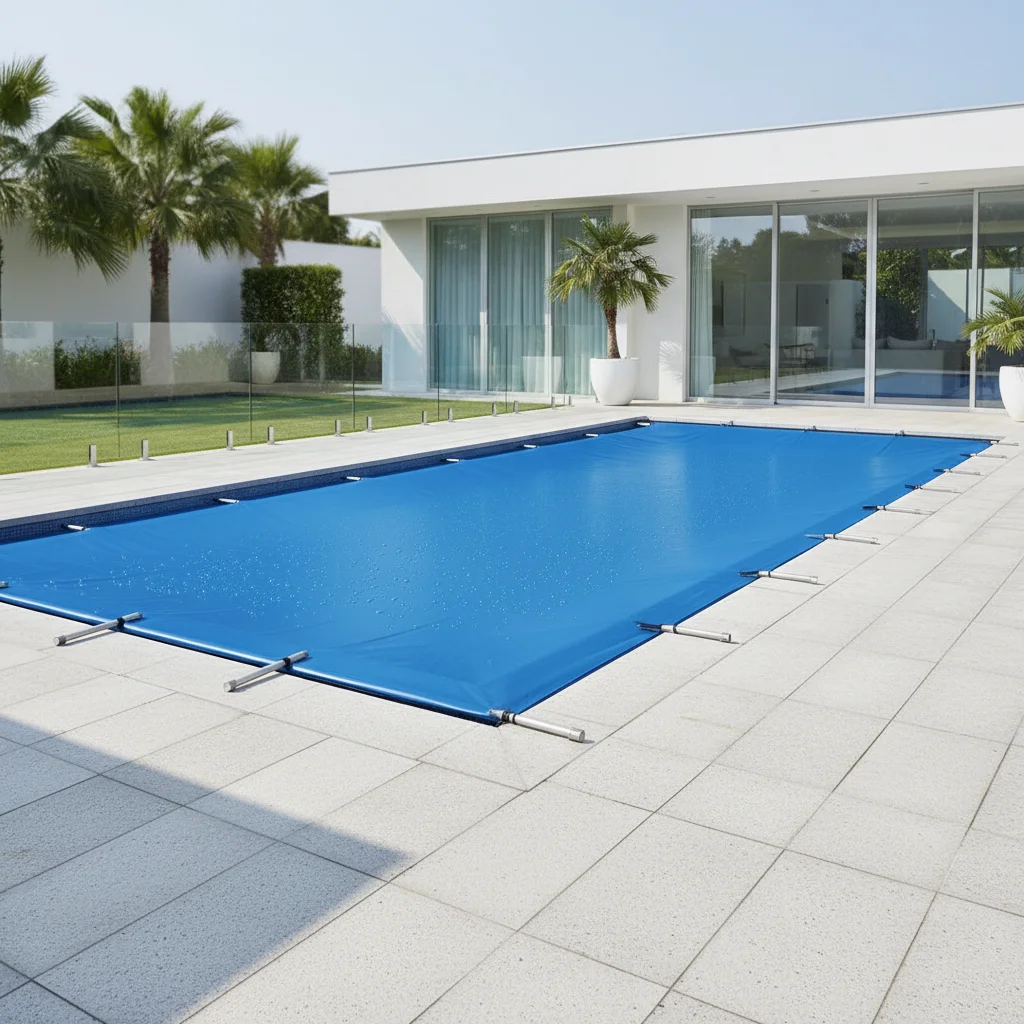
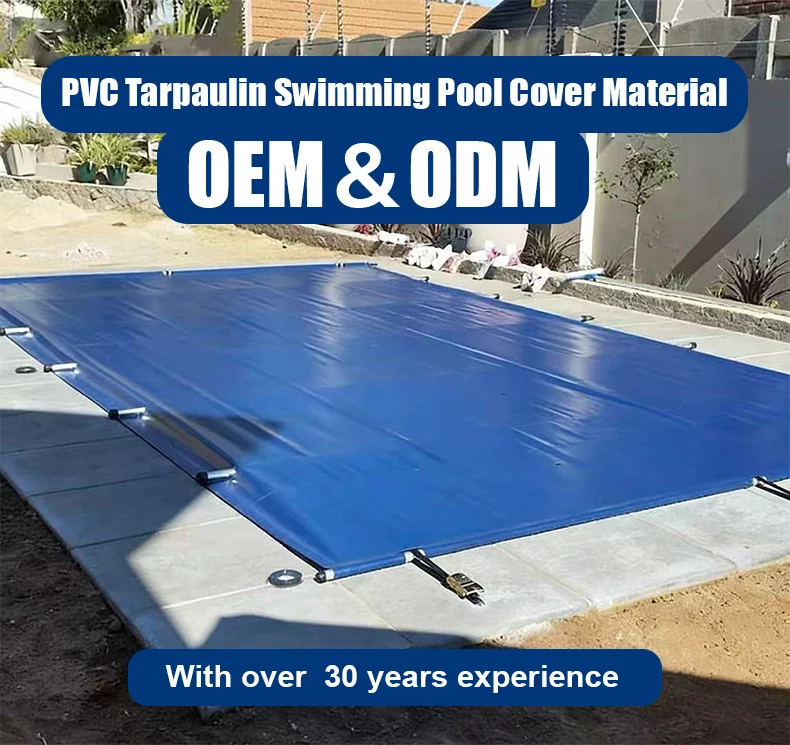
Precision Material Verification — every PC polycarbonate claim on this Automatic Retractable Pool Cover is backed by specification sheets and test documentation, matching the compliance discipline our technical fabric division applies to industrial ventilation systems.
Technical Specifications
| Parameter | Value |
|---|---|
| Product Type | Automatic Retractable PC PVC Pool Cover |
| Material | PC polycarbonate |
| Motor Voltage | 12V / 24V (low voltage system) |
| Input Voltage Range | 110V–240V |
| Operation | Automatic retractable, one-button opening and closing |
| UV Resistance | UV resistant (test basis not stated in source — confirm required standard for your market) |
| Waterproof | Yes (rating not stated in source) |
| Impact Resistance | High — can bear heavy weight without cracking |
| Yellowing Resistance | No yellowing or embrittlement under strong sunlight (test basis not stated in source) |
| Motor Operation | Stable and quiet, smooth operation with low noise |
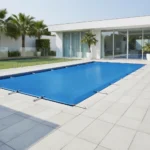
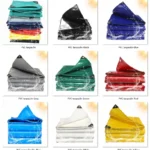
| Color Options | Light blue, transparent blue, beige, ivory white |
| Custom Size | Available (15×30 ft rectangular inground pools as reference) |
Application Suitability
| Application | Exposure & Requirement |
|---|---|
| Residential inground pool | Constant UV and weather cycling, child and pet fall-prevention barrier required |
| Outdoor family pool | Debris protection, safety certification compliance for building codes, long-term color stability |
| Custom-shaped rectangular pool | Precise dimensional fit, structural support integration, low-voltage motor compatibility with local electrical systems |
Why Generic Pool Covers Compromise Safety at the Critical Gaps
A cover that does not fit your pool’s exact dimensions leaves openings where children, pets, and debris bypass the barrier entirely.
Pool safety incidents frequently trace back to covers that were ordered in standard sizes rather than measured and fabricated for the specific basin. [NEED_CITE: pool safety cover failure analysis related to dimensional mismatch] When an Automatic Retractable Pool Cover does not seat flush against the coping edge, the gap becomes both a visual nuisance and a genuine hazard. The motor may run smoothly and the polycarbonate slats may carry their rated load, yet the system fails at the perimeter where the measurement tolerance was ignored. This is the reason we require confirmed pool dimensions before any production run begins — generic sizing has no place in fall-prevention applications.
Low-Voltage Motor Engineering for Residential Wet Environments
The 12V/24V motor system on this Automatic Retractable Pool Cover eliminates the shock risk associated with line-voltage equipment installed near standing water. The input range of 110V–240V accommodates regional electrical standards while the transformer steps power down to a safe operating voltage before it reaches the pool zone. Quiet, stable motor operation means the cover cycles without the vibration noise that disturbs a residential setting. Each motor is tested for smooth retraction under load before dispatch.
Polycarbonate Slats Versus Conventional Cover Materials
PC polycarbonate delivers impact resistance that standard PVC and PE covers cannot match in a load-bearing safety application. The slats bear concentrated weight without cracking — a critical property when a child or pet steps onto the closed cover at the pool edge. Unlike flexible membrane covers that deflect under point loads, the rigid polycarbonate profile distributes force across adjacent slats and the track system. [NEED_CITE: comparative impact testing methods for polycarbonate versus PVC safety covers]
Reading the Specifications That Determine Real-World Performance
The material choice — PC polycarbonate — directly governs both impact resistance and long-term optical clarity. Polycarbonate carries inherent toughness that allows the slats to absorb impact energy without fracturing, which is the fundamental requirement for a fall-prevention barrier. The UV-resistant formulation addresses the degradation pathway that causes many transparent and light-colored plastics to yellow and embrittle after extended sun exposure; verifying the specific UV test standard for your regional climate is essential before committing to volume. The 12V/24V low-voltage motor specification determines what electrical infrastructure your installer must prepare at the pool equipment pad, and the 110V–240V input range ensures the transformer can be sourced locally regardless of whether the site runs on North American or European supply. Color selection — light blue, transparent blue, beige, or ivory white — affects heat absorption and visual integration with the surrounding deck, which matters in both aesthetic planning and thermal expansion behavior of the slats across seasonal temperature swings.
The Hidden Cost of Skipping Pre-Installation Verification
When the motor voltage is not confirmed against the site electrical supply before installation, the result is either a non-functional system or a burned-out drive unit discovered only after the track is already mounted. [NEED_CITE: low-voltage motor failure caused by input voltage mismatch in wet-location installations] Dimensional errors compound further: a cover ordered two inches short on the width leaves a gap that defeats the safety purpose entirely, while an oversized unit binds in the track and stalls the motor. These are not warranty issues — they are specification errors that no amount of post-delivery adjustment can correct. The cost of removal, return, and refabrication routinely exceeds the original order value.
Why Technical Buyers Source This Cover Here
Our technical fabric division applies the same documentation discipline used for mining and aviation ventilation ducts to every pool safety cover we produce. The 10-person R&D team reviews your pool drawings and confirms motor voltage compatibility before any material is cut. Three full production lines and 36 sets of professional equipment support reliable scheduling even when multiple custom-sized orders queue simultaneously. Dedicated QA/QC inspection covers motor operation, slat dimensional accuracy, and track alignment before any cover leaves the facility — matching the 100% pre-shipment inspection standard applied across all product lines. Custom sizing is not treated as a special request with extended minimums; it is the default mode for safety-critical products where fit determines function.
Documentation & Verification
- Material specification sheet stating PC polycarbonate grade and slat thickness
- UV resistance test report confirming outdoor durability for your regional climate classification
- Pre-shipment inspection record verifying motor voltage, operational smoothness, and slat alignment
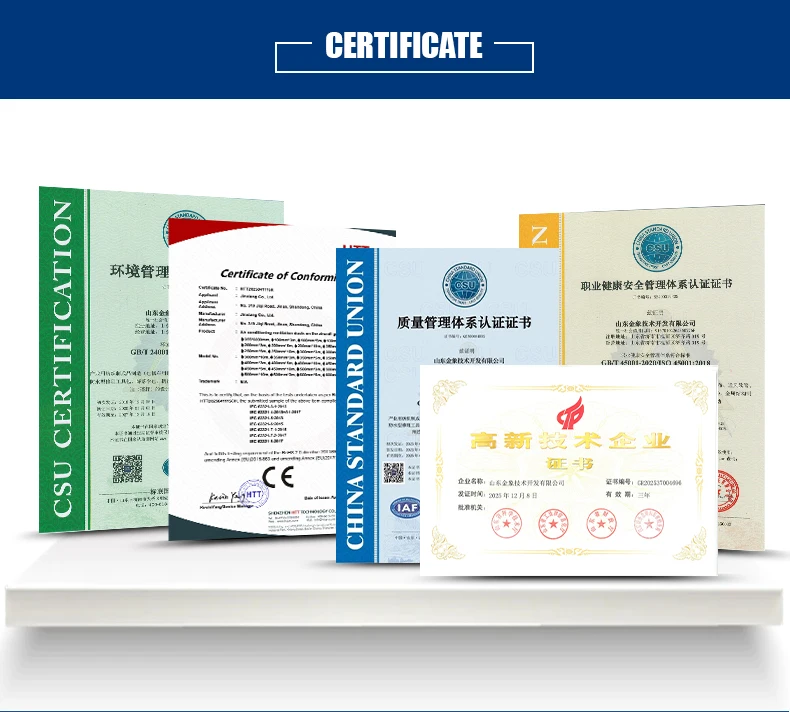
- ISO and CE certificates supporting export compliance and local building code submissions
- Custom dimensional confirmation drawing signed off before production release
- Packing list with roll and slat count matched to the specific pool order
Fabrication, Handling & Storage
- Verify track mounting surface is level before installing PC polycarbonate slats to prevent binding
- Low-voltage motor wiring must be routed through conduit rated for wet-location use per local code
- Store polycarbonate slats flat and supported across full length to prevent permanent bowing
- Clean slats with non-abrasive, non-solvent cleaner to preserve UV-resistant surface treatment
- Allow thermal expansion gap at track ends as specified in installation documentation for color selected
- Inspect track channels for debris before each seasonal opening to protect motor and slat edges
What We Need to Move Your Inquiry Forward
Provide the exact internal pool dimensions — length, width, and coping profile — so we can confirm fitment tolerances for your specific basin. Specify the local electrical supply voltage and any building code requirements for pool safety barriers in your market. Let us know your preferred slat color from the available options and whether the installation is for new construction or retrofit onto an existing pool deck.
Frequently Asked Questions
Q: How is UV resistance tested and what is the verified outdoor service life?
A: UV resistance is stated for the PC polycarbonate slats, but the specific test standard and exposure hours are not published in our base specification sheet. We recommend requesting the test report matched to your regional climate classification — equatorial, temperate, or high-altitude UV — so the verified performance aligns with your project requirements before order confirmation.
Q: What safety certifications apply to the low-voltage motor system?
A: The motor operates on a 12V/24V safe low-voltage system with an input range of 110V–240V. Certification documentation including CE marking is available to support local electrical code compliance. Confirm which specific pool equipment standards your jurisdiction requires so we can include the correct certificates with your shipment.
Q: How is custom sizing measured and what tolerances are guaranteed?
A: We require internal pool dimensions measured at the coping edge in multiple positions to account for any out-of-square conditions. A dimensional confirmation drawing is produced and signed off before production begins. Tolerances are specified on that drawing based on the track system design and the thermal expansion characteristics of the selected polycarbonate slat color.
Q: What documentation ships with each cover for local building code compliance?
A: Each Automatic Retractable Pool Cover ships with a material specification sheet, motor voltage test record, dimensional inspection report, and applicable ISO and CE certificates. If your local authority requires additional test reports — such as impact load verification or UV stability data — request these at the inquiry stage so they are prepared and included before dispatch.
Q: What maintenance and cleaning procedures are recommended for PC polycarbonate slats?
A: Use a non-abrasive, non-solvent cleaner applied with a soft cloth to preserve the UV-resistant surface. Avoid pressure washers directed at slat joints or track channels. Inspect the track for debris accumulation before each seasonal cycle and verify motor operation monthly during active use to catch alignment issues before they cause slat binding.