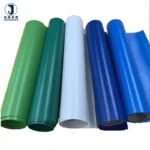


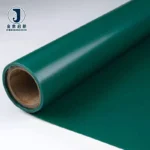
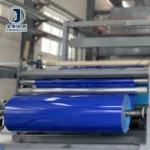
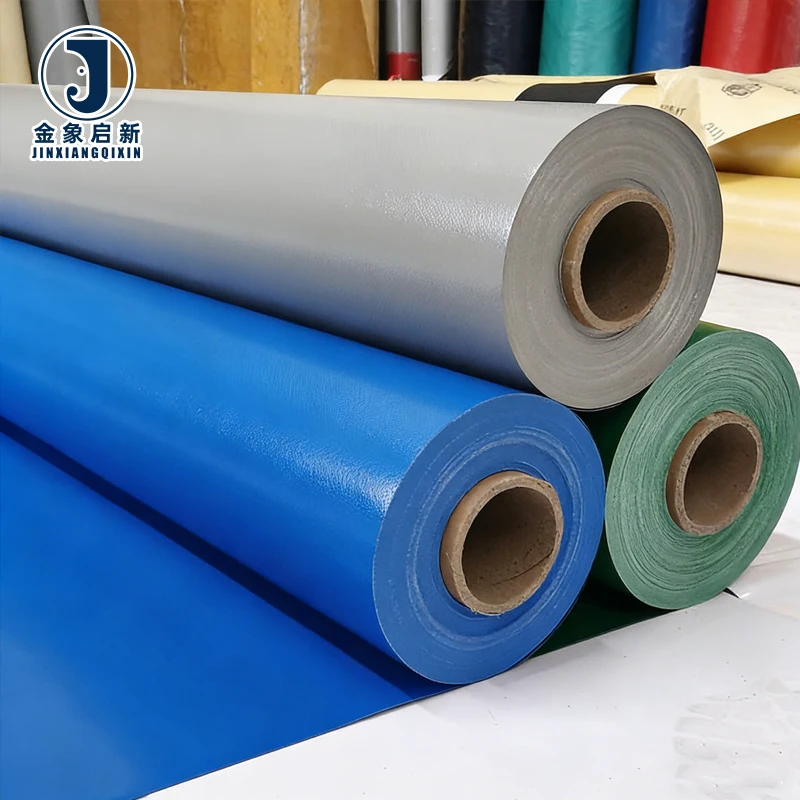
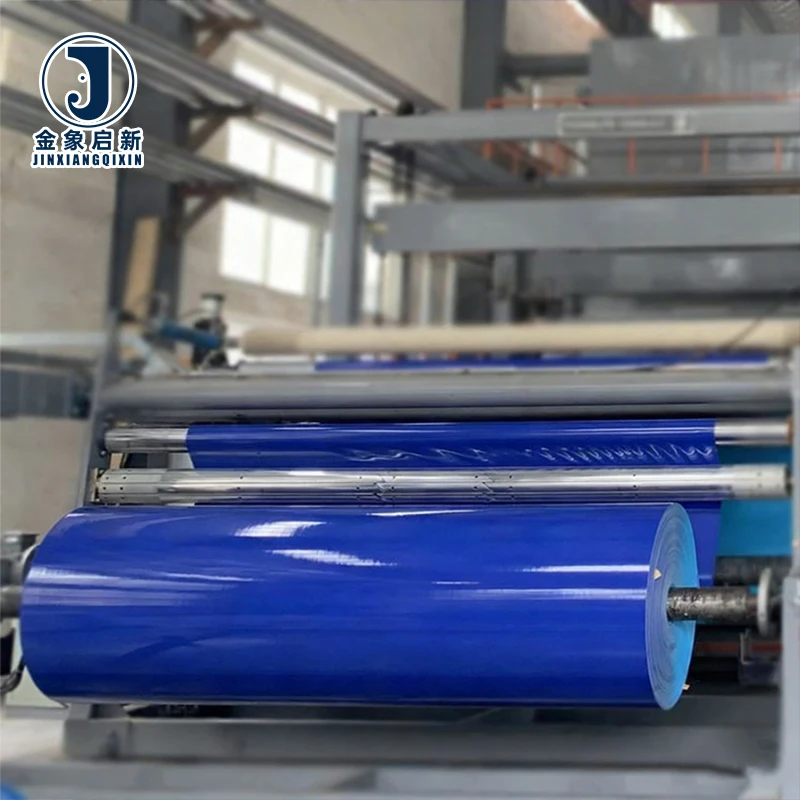
Technical Fabric Sourcing Partner — We align material grade to your project specification before production begins, ensuring every roll meets the compliance and performance requirements of your mining, aviation or specialist structure application.
Technical Specifications
| Parameter | Value |
|---|---|
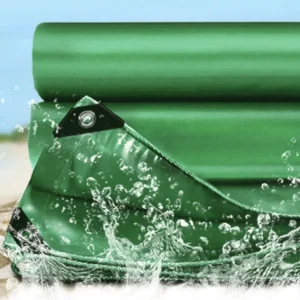
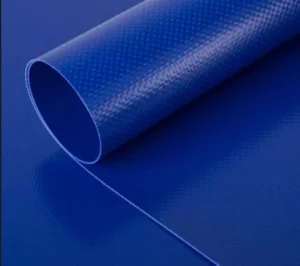
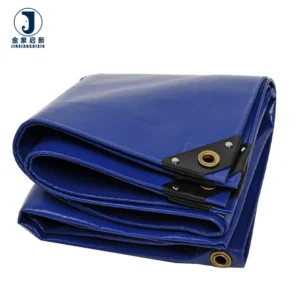
| Product Type | PVC Coated Tarpaulin Roll |
| Specification | 610gsm 650gsm 800gsm |
| Coating Material | PVC |
| Flame Retardant | Available in flame retardant grades — confirm the grade required for your market (grade not stated) |
| Anti-UV Treatment | Available with UV stabilization — verify test basis for your climate zone (test basis not stated) |
| Waterproof Rating | Water Resistant |
| Tensile Strength | High Tensile Strength (test standard not stated) |
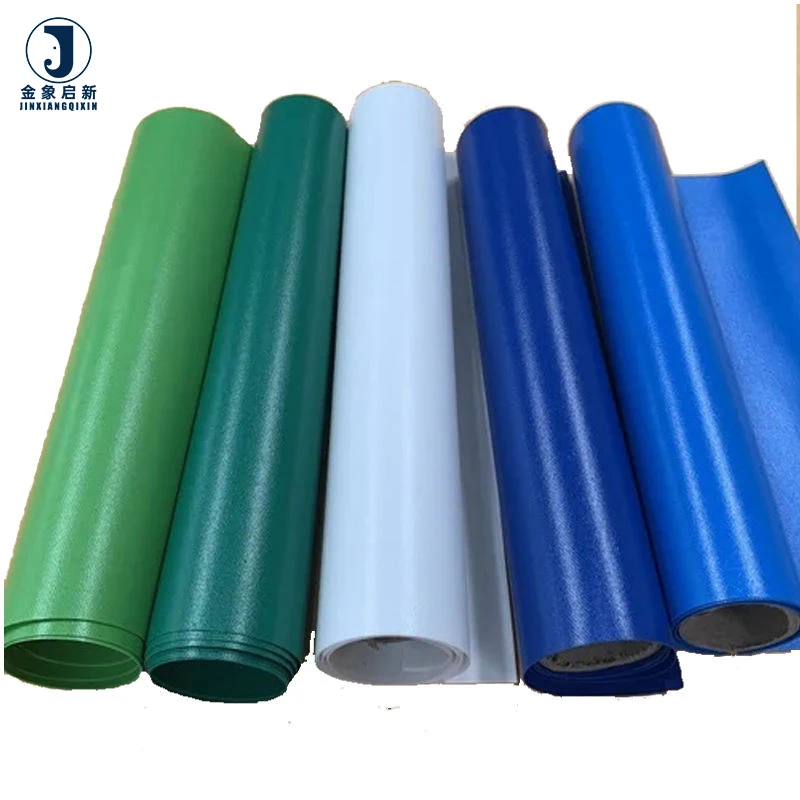
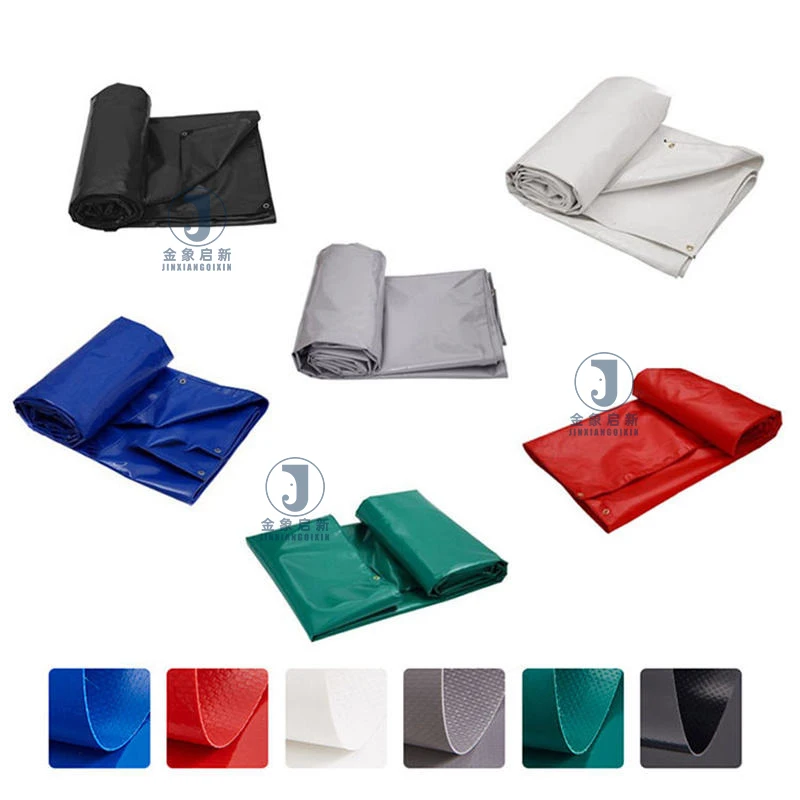
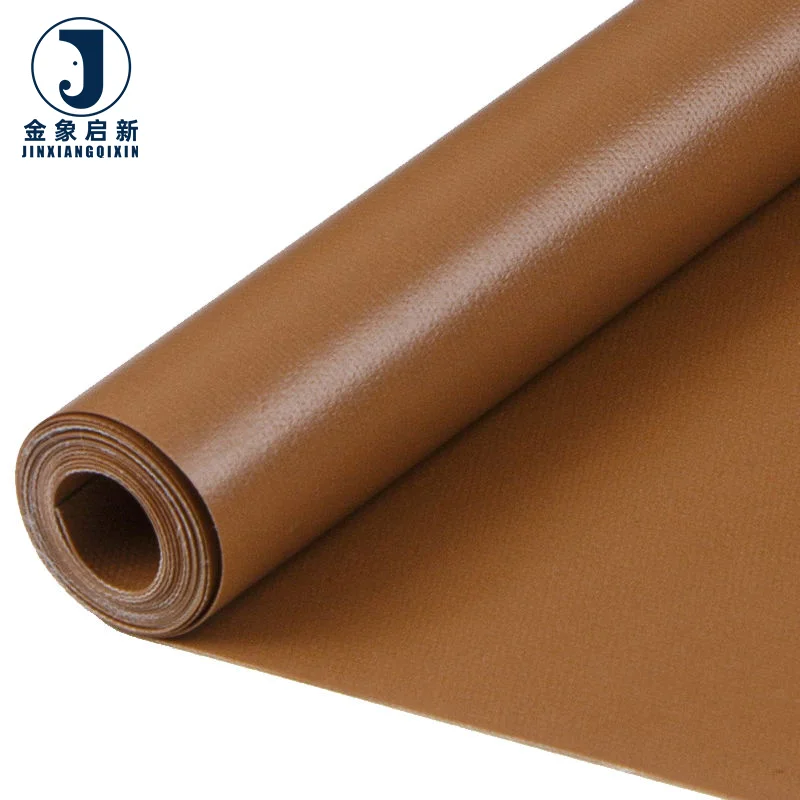
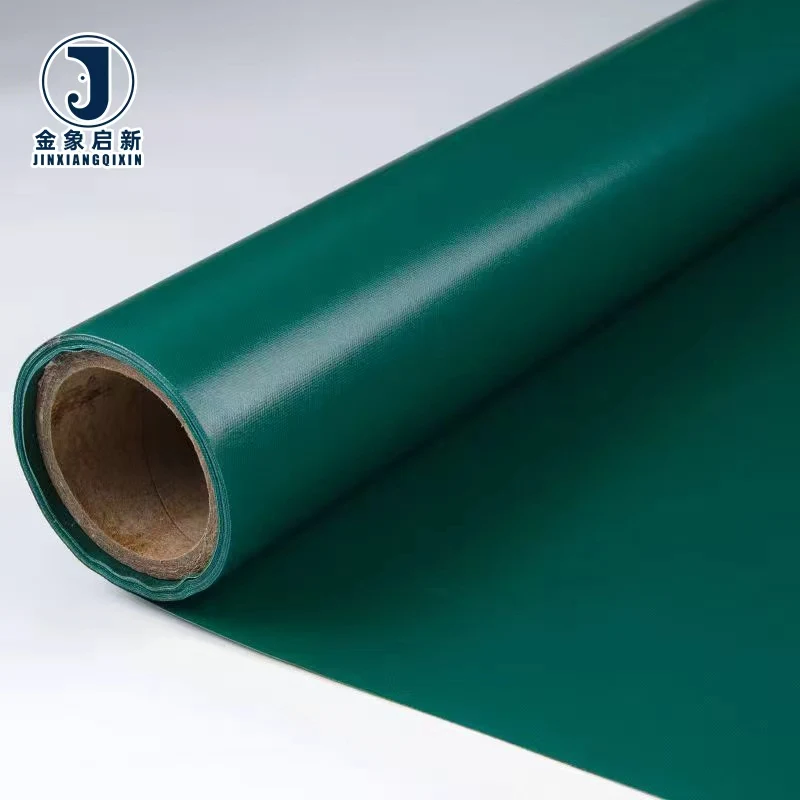
| Color Options | Available in multiple colors including Blue |
| Standards Compliance | ISO, CE certified production facility |
Application Suitability
| Application | Exposure & Requirement |
|---|---|
| Mine and tunnelling ventilation duct | Underground dust, high humidity, mandatory flame retardant and anti-static certification |
| Aviation ground support ducting | Temporary outdoor deployment, fuel proximity, rapid deployment and collapse cycles |
| Inflatable and membrane structures | Constant internal pressure, wind load, UV exposure, welded seam integrity |
| Specialist industrial ventilation | Chemical fumes, temperature fluctuations, static discharge risk in confined spaces |
Why Your Ventilation Duct Failed Inspection — And How Specification Prevents It
Compliance documentation must match the fabric’s actual treatment, not just the supplier’s claim.
I have reviewed too many projects where PVC coated tarpaulin rolls arrived with "flame retardant" printed on the label but no test certificate matching the site’s regulatory framework. The mine safety officer rejects the ducting. The aviation contractor halts installation. The tunnelling project absorbs weeks of delay while replacement material ships from another continent. [NEED_CITE: typical compliance rejection rates for uncertified industrial fabrics in mining ventilation applications]
The PVC coated tarpaulin roll you specify for technical applications carries consequences that generic covers do not. A warehouse tarp fails quietly; a ventilation duct fails where people breathe. This is why material grade alignment to your project’s specific regulatory environment is the first conversation, not the last.
Matching GSM to Airflow Pressure and Structural Load
The 610gsm, 650gsm, and 800gsm grades in this range serve different mechanical roles within duct and membrane fabrication. Lower GSM suits temporary ventilation runs where weight affects installation speed and the duct operates under moderate positive pressure. Higher GSM handles the sustained tension loads of permanent membrane structures and the abrasion environment of mining duct runs that drag along tunnel floors. The PVC coated tarpaulin roll grade you select determines not just durability but the welding parameters your fabrication team must use — heavier grades require adjusted heat and dwell time to achieve full seam fusion without base fabric damage.
Fire-Retardant and Anti-Static Treatment Pathways
Ventilation ducts in mining and tunnelling environments require both flame retardant and anti-static properties, but these are separate treatment chemistries with separate test protocols. Fire retardant grades are available — the specific classification your site requires depends on whether your jurisdiction follows DIN 4102, NFPA 701, or regional mining codes. Anti-static formulation addresses the ignition risk from dust explosion environments where static discharge on the duct surface could trigger catastrophic events. [NEED_CITE: anti-static surface resistance requirements for mining ventilation ductwork per regional safety codes] We confirm both treatment pathways against your target standard before production, providing test documentation that matches the fabric batch you receive.
Reading the Specification Sheet Beyond GSM Alone
GSM tells you mass per square metre but nothing about how that mass is distributed between base fabric and coating. Two PVC coated tarpaulin rolls at 650gsm can behave completely differently under tension — one with a dense high-denier base fabric and thin coating will resist tearing but may show coating micro-cracks at fold points; another with lighter base and heavier coating will feel substantial but tear more easily along the warp. For duct fabrication, the base fabric construction determines how the material handles the cyclic inflation and deflation loads, while the coating weight governs chemical resistance and heat-seal performance. Tensile strength depends on yarn denier and weave density working together, which is why requesting the full material specification sheet — not just GSM — is essential for technical applications.
What Happens When Roll Consistency Fails on Site
Batch variation across PVC coated tarpaulin rolls creates problems that only appear during fabrication or after installation. Colour shift between rolls in the same order becomes visible when membrane panels sit adjacent on a structure. Coating weight variation causes some rolls to heat-seal at standard parameters while others delaminate at the same settings. GSM below the quoted specification means the duct fabric carries less margin against the abrasion and flex fatigue it faces underground. [NEED_CITE: coating adhesion failure modes in PVC technical fabrics under cyclic loading]
These are not quality complaints you resolve after the fact — they are specification failures that compound through your entire fabrication run. Pre-shipment inspection with roll-by-roll verification catches these deviations before they leave the factory.
Why Specialist Fabrication Teams Source Here
Our three full production lines and 36 sets of professional equipment handle the volume requirements of bulk duct and membrane roll orders without sacrificing the process control that technical applications demand. The 10-person R&D team develops samples within days when your project requires confirming weld parameters or treatment compatibility before committing to production volume. Dedicated QA/QC at every production stage includes coating weight verification and flame retardant treatment validation — not just visual inspection. Nearly 30 years of coated fabric specialization means our process engineers understand the relationship between base fabric selection, coating formulation, and the end-use demands of ventilation and membrane applications. Every roll ships with documentation that traces from material specification through test results to pre-shipment inspection record.
Documentation & Verification
- Material specification sheet stating exact GSM, base fabric denier, and coating weight for each roll
- Flame retardant test report matched to your target standard (DIN 4102, NFPA 701, or site-specific code)
- Anti-static surface resistance measurement certificate for hazardous environment compliance
- Pre-shipment inspection record with roll-by-roll GSM and coating weight verification
- Certificate of origin and customs documentation for cross-border project supply chains
- Batch traceability linking production date, treatment application, and test results to roll identification
Fabrication, Handling & Storage
- Heat-seal parameters vary by GSM grade — 800gsm requires higher dwell time than 610gsm for full seam fusion
- Store rolls vertically on core ends to prevent flat-spot deformation affecting membrane tension uniformity
- Anti-static treated surfaces require specific cleaning agents to maintain conductivity without degrading treatment
- Weld seam design for duct construction must account for flex points where airflow direction changes abruptly
- Allow acclimatization time when unrolling cold-stored material before cutting or welding in workshop conditions
- Membrane structure patterning must factor in PVC coated tarpaulin roll width to minimize splice seams under load
Requesting Your Technical Quotation
Send us your project specification including the target compliance framework your site operates under, the mechanical loads your duct or membrane will carry, and your annual volume requirement across roll sizes. We will respond with material data sheets showing the exact treatment grades available, lead time for your required width and quantity, and sample options to validate fabrication parameters before production commitment.
Frequently Asked Questions
Q: How do I determine which fire-retardant grade my mining ventilation project requires?
A: Fire-retardant classification depends on your jurisdiction’s mining safety code — some regions mandate DIN 4102 B1, others require local equivalents or specific anti-static surface resistance values. Send us your site’s regulatory documentation and we confirm which treatment grades we can supply with matching test certificates before production begins.
Q: What surface resistance values are available for anti-static PVC coated tarpaulin rolls?
A: Anti-static formulation targets specific surface resistance ranges required for dust explosion environments, but the exact measurement standard and threshold value varies by application. We provide test documentation showing measured resistance values matched to your site’s safety specification once you share your compliance framework.
Q: How do you verify GSM consistency across multiple rolls in a bulk order?
A: Every roll undergoes weight verification during pre-shipment inspection, with results recorded against the stated GSM specification. You receive this inspection documentation before dispatch, so you know exactly what you are receiving — not just what was quoted.
Q: Will heat-sealed seams on these rolls match the base fabric strength?
A: Welded seam strength depends on correct parameter selection for the specific GSM grade and coating formulation. We provide recommended heat-seal settings and can supply sample material for your fabrication team to validate seam integrity before full production commitment.
Q: What custom widths are available and what lead times should I plan for?
A: Custom roll widths and colours are available subject to minimum order quantities, with typical multi-week lead times for non-stock specifications. Share your required width, annual volume, and colour reference early so we confirm feasibility and schedule production capacity accordingly.