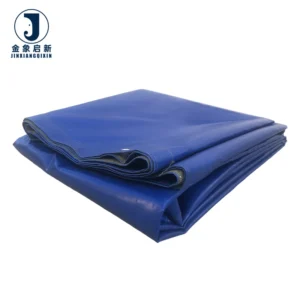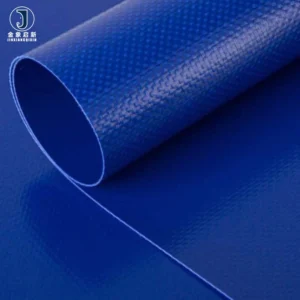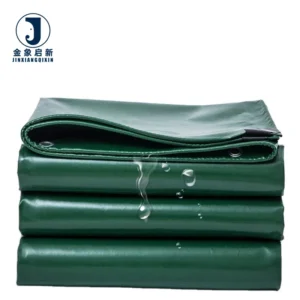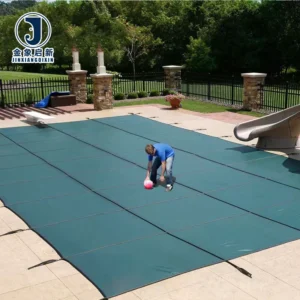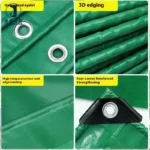
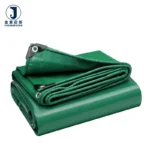
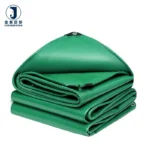
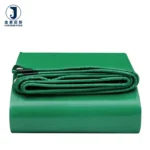
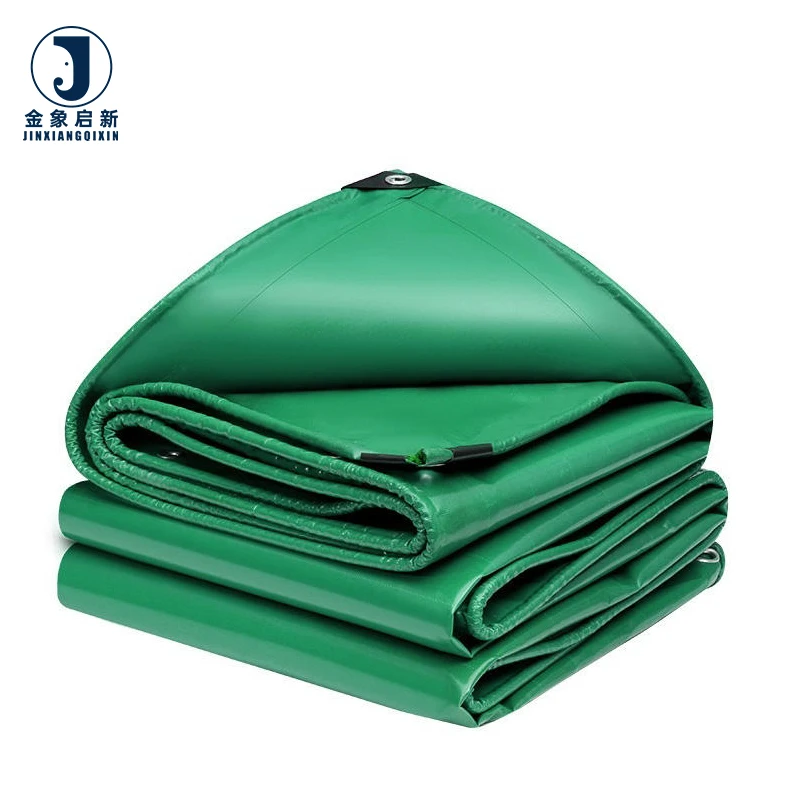
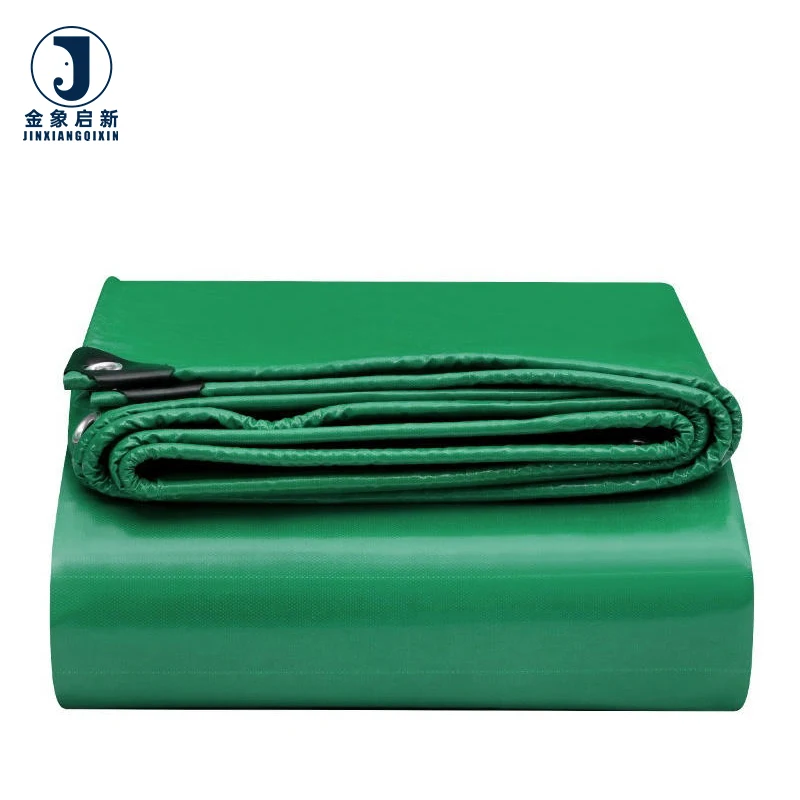
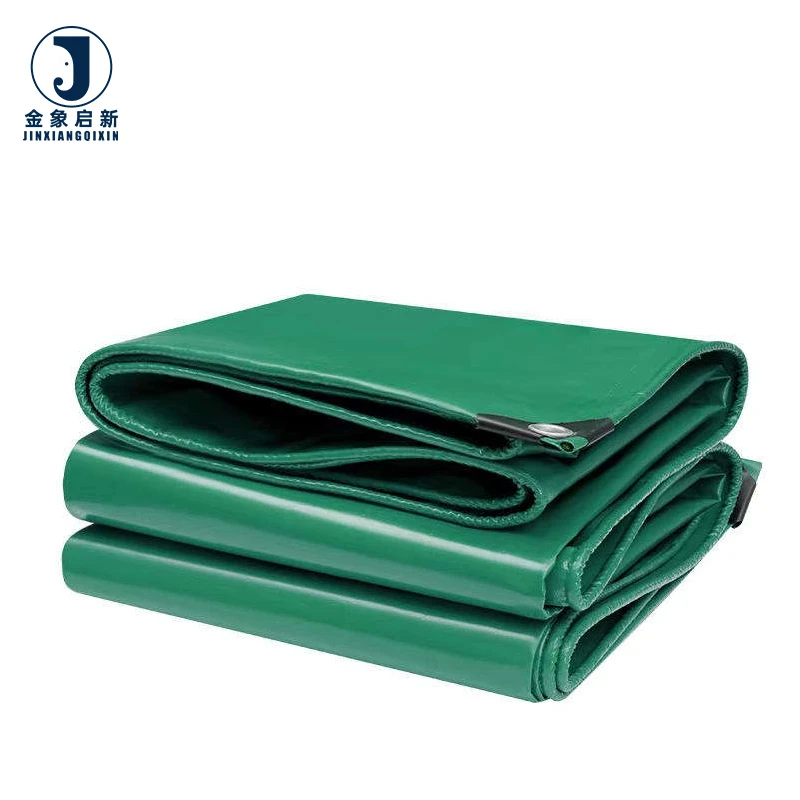
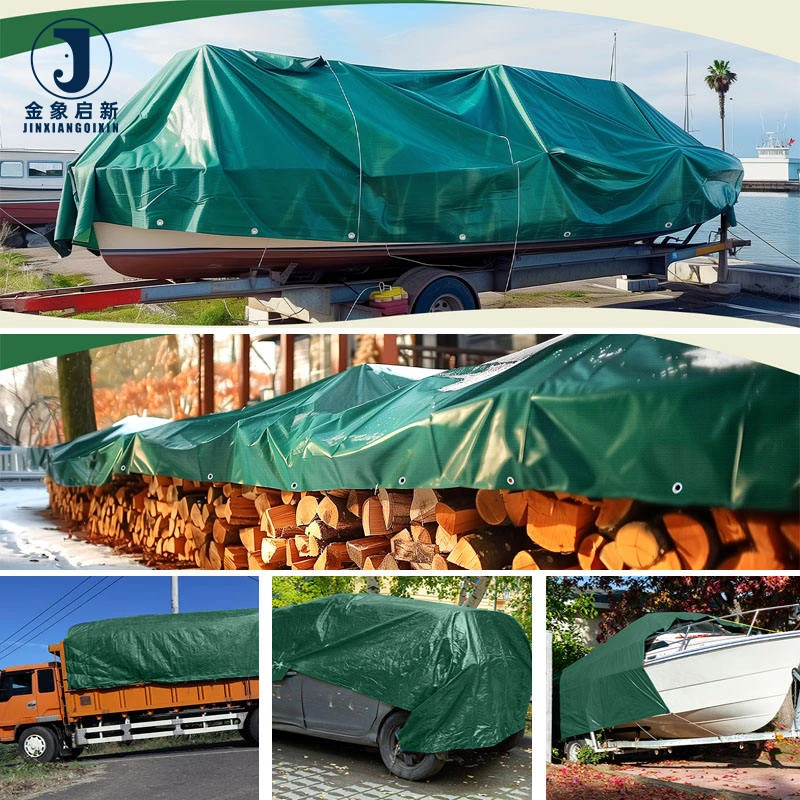
Near-Zero Batch Variance — in-process coating weight control on three lines ensures roll-to-roll GSM and colour consistency for bulk ventilation duct orders.
Technical Specifications
| Parameter | Value |
|---|---|
| Product Type | PVC Coated Tarpaulin |
| Weight Range | 500 to 800 grammes per square meter |
| Coating Material | PVC |
| Coating Method | High-frequency heat combined |
| Waterproof Rating | Anti-permeable ≥20 KPa |
| Flame Retardant | Available in flame retardant grades — confirm the grade required for your market |
| Low-Temperature Flexibility | -30 °C (no fracture under plier compression) |
| Chemical Resistance | Acid, alkali and brine corrosion resistant |
| Mildew Resistance | Mildew proofing properties |
| Tensile Strength | High tensile strength (confirm test standard for your market) |
| Anti-Static | Available in anti-static grades — verify surface resistance value against site requirements |
| Water Absorption | Negligible, quick drying |
Application Suitability
| Application | Exposure & Requirement |
|---|---|
| Mining and tunnelling ventilation duct | Continuous airflow pressure, abrasive dust, mandatory fire-retardant compliance underground |
| Aviation ground support ventilation | Fuel vapour environment, strict anti-static surface resistance, frequent relocation |
| Inflatable and membrane structure | Sustained internal pressure, solar exposure, structural weld integrity at seam lines |
| Construction enclosure fabric | Wind load, UV and weather cycling, temporary site safety partitioning |
What "Certified" Means When the Test Report Never Arrives
Specifying PVC Tarpaulin fire retardant / anti-static / certified fabric for a ventilation duct or membrane structure only matters if the documentation actually ships with the roll.
A mining site safety audit will not accept a verbal claim of flame retardancy. It requires a test report citing the exact standard the site operates under, matched to the batch number on the roll label. [NEED_CITE: fire classification standards for coated fabrics in underground ventilation]. When PVC Tarpaulin fire retardant / anti-static / certified material arrives without this paperwork, the entire installation can be rejected at inspection, forcing removal and replacement at the contractor’s cost.
Fire-Retardant Specification Starts Before the Order
The difference between a self-extinguishing claim and a verified grade is a test report. PVC Tarpaulin fire retardant / anti-static / certified rolls are available in multiple flame-retardant classifications, but the correct grade depends entirely on the regulatory framework of the installation site. A tunnelling project in Europe may require classification per DIN 4102 B1, while a North American aviation facility may reference NFPA 701. Confirm the target standard before sampling so that the test documentation aligns with your compliance pathway from the outset.
Anti-Static Compliance in Fuel and Dust Environments
Ventilation ducts operating near fuel handling or in combustible dust atmospheres require fabric with verified surface resistivity. The anti-static treatment must be tested and reported against a recognised standard, with a measured resistance value that falls within the range your site safety plan mandates. [NEED_CITE: surface resistivity testing methods for anti-static industrial fabrics]. Request the certificate before production begins so the mill can match the additive loading to your requirement rather than supplying a generic anti-static grade.
Reading Beyond the GSM Number
Weight in grammes per square meter tells you how much material is present, but it does not directly predict how that material will behave under tensile load or at a welded seam. The base fabric denier and weave density determine how force distributes across the yarn structure, while the coating method governs adhesion between the PVC layer and the substrate. High-frequency heat-combined coating produces a bond that resists delamination at flex points — the locations where ventilation ducts bend, connect and experience repeated pressure cycling. Low-temperature flexibility to -30 °C without fracture means the material can be fabricated and deployed in cold environments without the coating becoming brittle and cracking at fold lines or weld seams.
When the Wrong Specification Reaches the Site
A ventilation duct fabricated from fabric that lacks the fire-retardant grade specified in the project documentation will fail inspection regardless of how well it is constructed. [NEED_CITE: consequences of non-compliant fabric in underground ventilation installations]. Similarly, an anti-static rating that does not meet the threshold set by the site safety engineer can halt commissioning of aviation ground support equipment. Colour inconsistency across rolls in a membrane structure becomes immediately visible once panels are installed side by side, triggering rejection of the entire batch and project delay while replacement material is sourced.
Why Technical Buyers Source This Fabric Here
Coating weight and adhesion are controlled at every stage across three full production lines, giving you batch-level consistency in GSM and surface properties across an entire duct or membrane order. The ten-person R&D team develops material samples within days, allowing you to verify flame-retardant grade and anti-static values before committing to full production. Every roll undergoes inspection against the purchase specification before dispatch, with test documentation prepared in parallel. Custom widths and roll lengths are produced to reduce fabrication waste and seam count in your specific duct or structure design.
Documentation & Verification
- Material specification sheet stating base fabric construction, coating weight and PVC formulation for engineering approval
- Flame retardant test report citing the specific standard applicable to your installation site
- Anti-static surface resistance certificate matched to batch number and site compliance threshold
- Pre-shipment inspection record confirming GSM, colour and dimensional accuracy per roll
- ISO and CE certificates covering the manufacturing facility and quality management system
- Certificate of origin and customs documentation for international shipment
Fabrication, Handling & Storage
- High-frequency welding parameters must be adjusted to the specific GSM grade to avoid scorching or incomplete bonding at seams
- Roll storage should be upright on pallets to prevent permanent creasing of the PVC coating layer
- Low-temperature handling below -30 °C risks coating fracture — allow rolls to acclimatise before unrolling
- Use compatible PVC-based repair patches and solvent cements matched to the high-frequency heat-combined coating chemistry
- Cutting layout should account for roll width to minimise off-cuts and welded seam count in duct fabrication
Specify With the End Application in Mind
Provide the ventilation duct diameter, operating pressure and installation environment so the correct GSM grade within the 500 to 800 grammes per square meter range can be recommended. State the fire-retardant and anti-static standards your site requires, along with the annual volume and preferred roll dimensions. If you need sample rolls for fabrication trials or third-party testing, confirm this early so documentation can be prepared alongside the material.
Frequently Asked Questions
Q: What fire-retardant standard does this PVC tarpaulin meet and can I see the test report?
A: Multiple flame-retardant grades are available, each tested to a specific standard such as DIN 4102, NFPA 701 or M2. The correct grade depends on your installation site’s regulatory requirement. Request the applicable test report during the sampling stage so it can be matched to your compliance documentation before full production begins.
Q: How is anti-static compliance verified for mining and aviation ventilation applications?
A: Anti-static performance is verified through a surface resistance test reported against a recognised standard. The measured value must fall within the range your site safety plan specifies. Provide your required resistance threshold at inquiry so the coating formulation can be adjusted and a batch-matched certificate prepared before shipment.
Q: What GSM grade within the range is recommended for flexible air duct versus membrane structure use?
A: Flexible air ducts that bend and flex repeatedly typically perform better at the lighter end of the 500 to 800 grammes per square meter range to maintain pliability. Membrane structures under sustained tension often benefit from heavier grades for dimensional stability. Share your application details for a grade recommendation backed by material testing.
Q: How does high-frequency welding affect seam strength and airflow integrity in duct fabrication?
A: High-frequency heat-combined coating creates a strong bond between PVC and base fabric, which translates to weld seams that resist delamination under duct pressure cycling. Properly calibrated welding parameters produce airtight joins essential for ventilation efficiency. Fabricators should test weld settings on sample material before full production.
Q: What certification documentation is provided for site safety audits and regulatory compliance?
A: Each shipment can include a material specification sheet, flame retardant and anti-static test reports matched to batch numbers, pre-shipment inspection records, and ISO and CE certificates. Specify which documents your site auditor requires at the order stage so they are prepared and dispatched alongside the rolls.