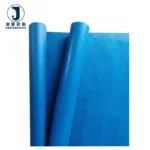
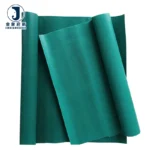
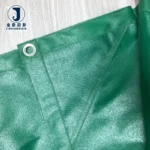

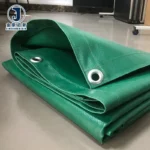
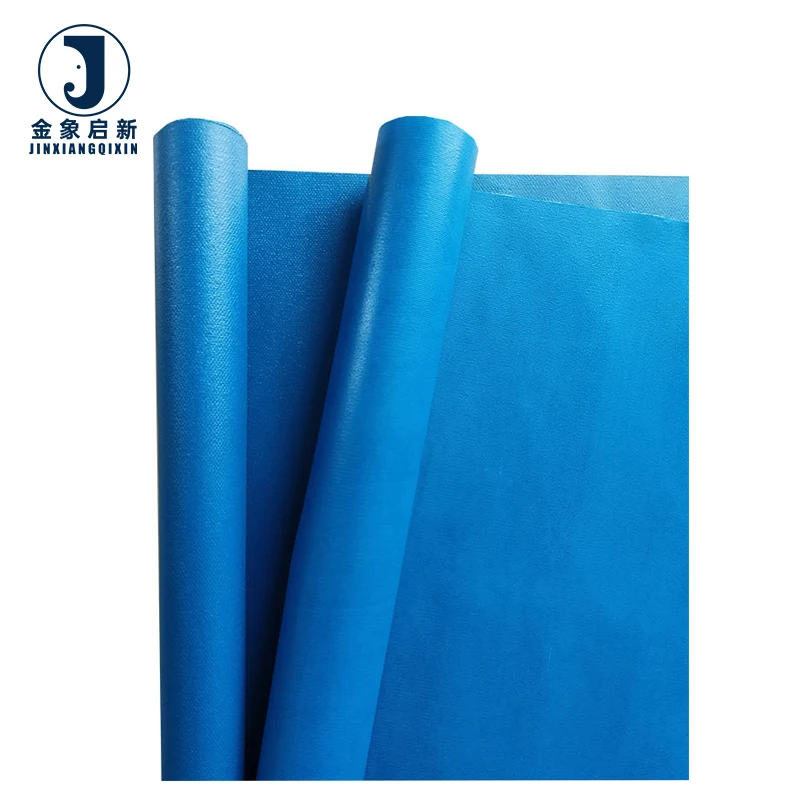
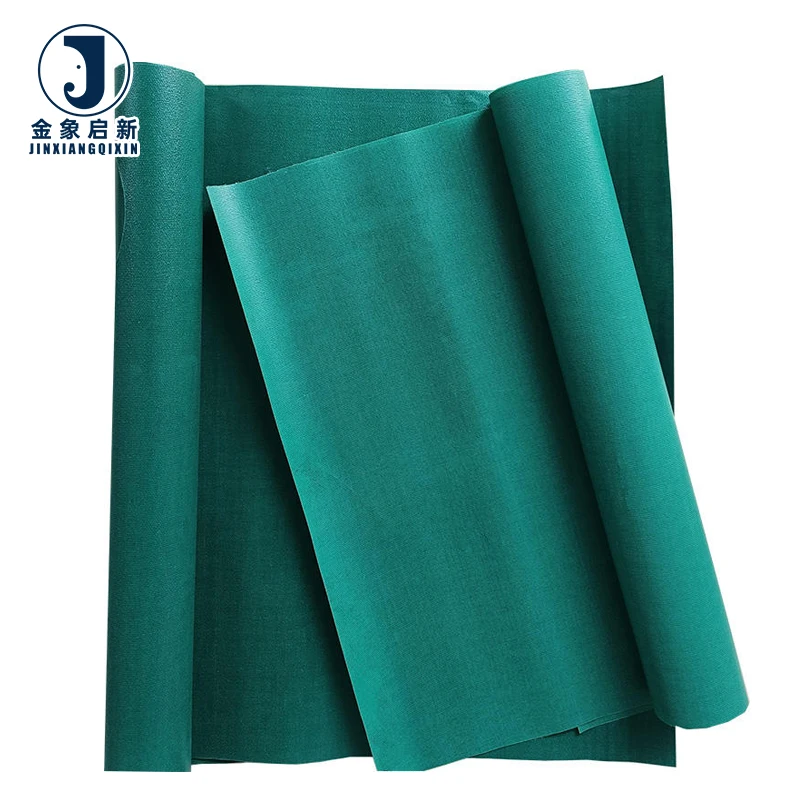
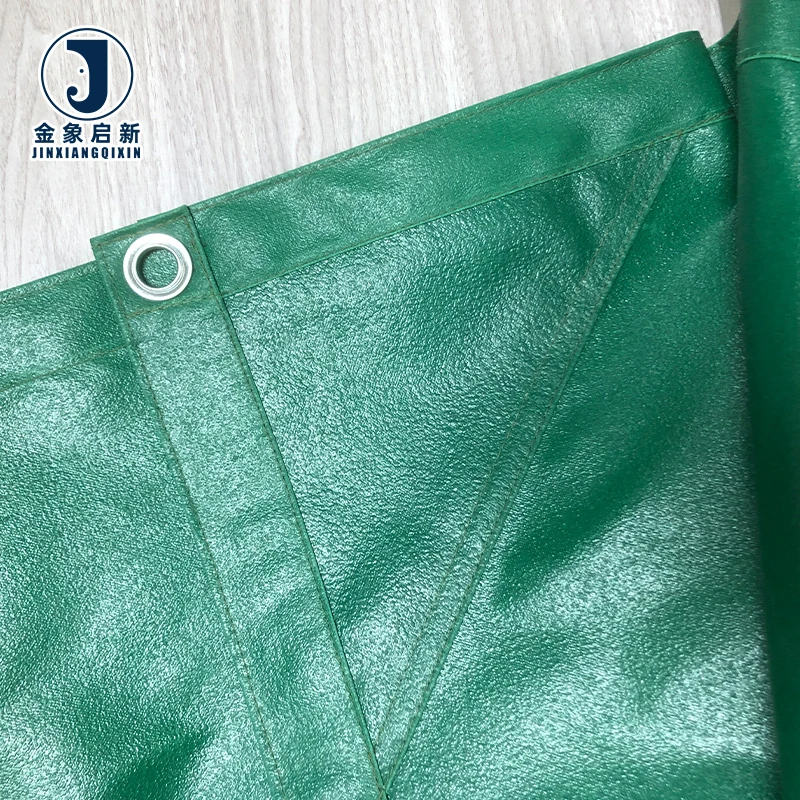
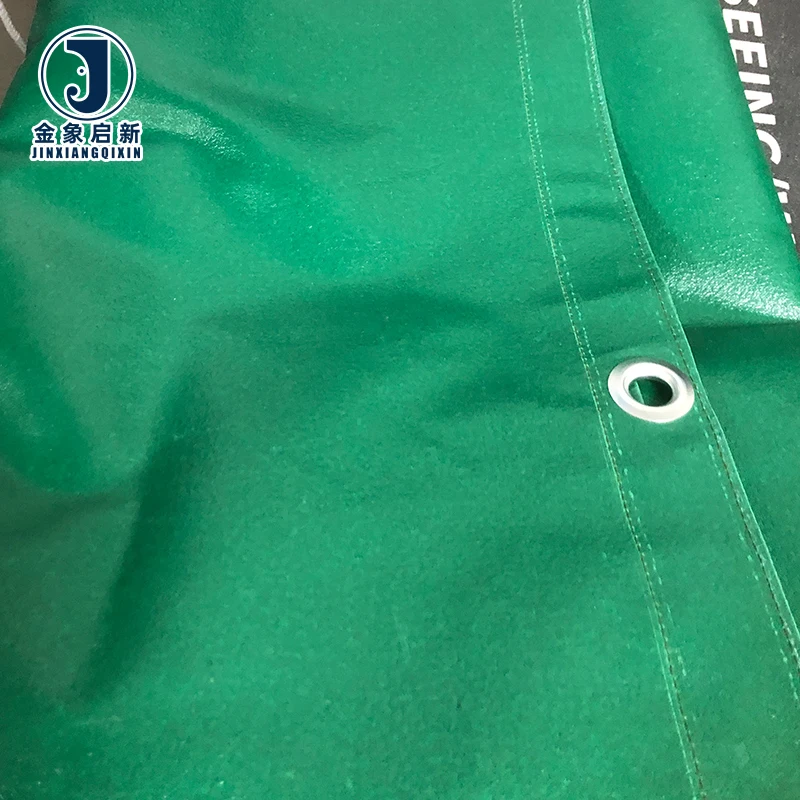
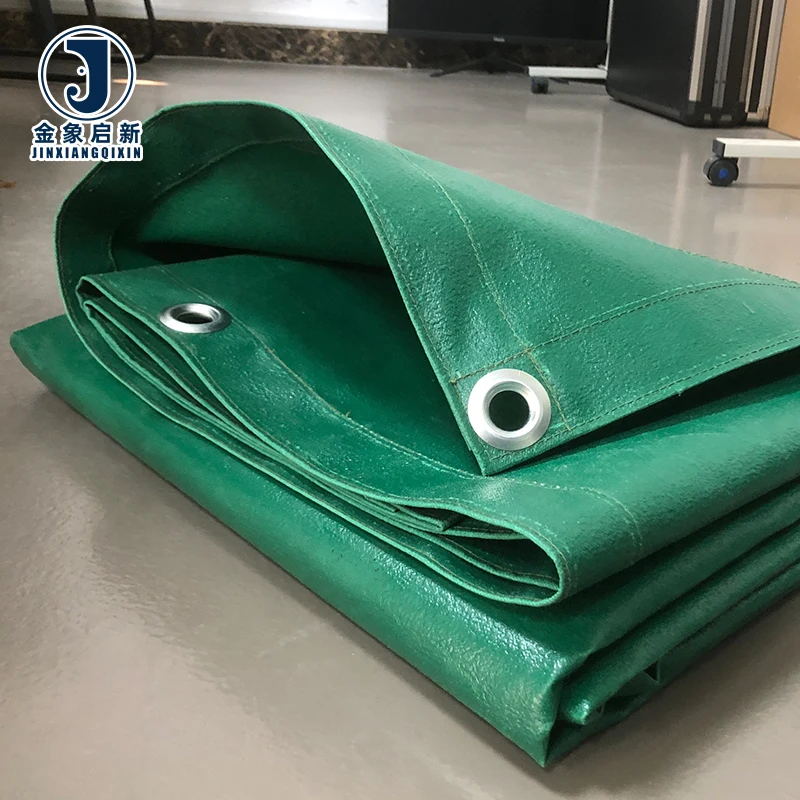
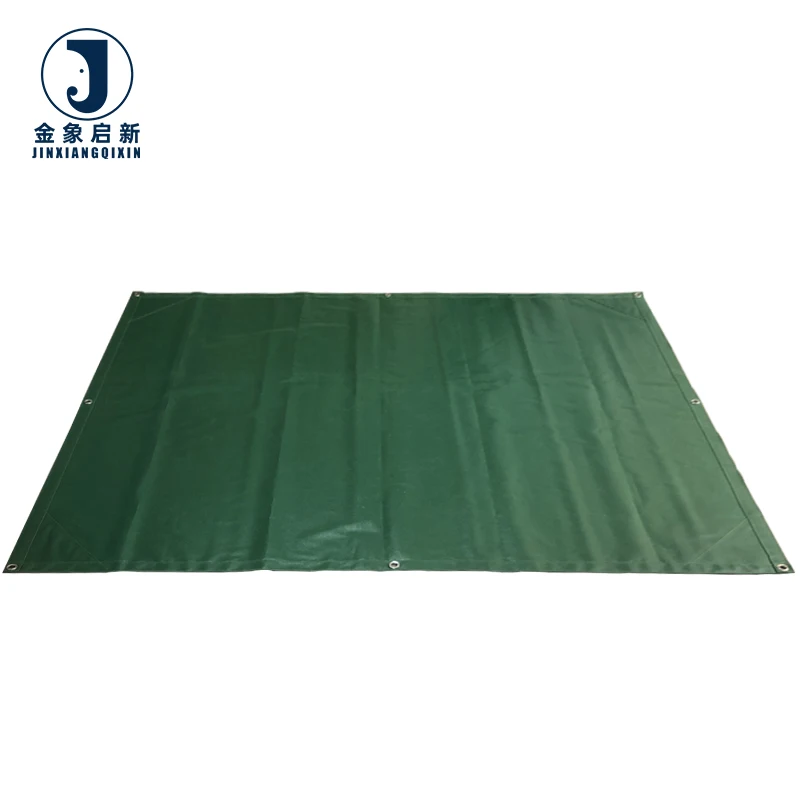
Technical Coating Expertise — nearly three decades of focused PVC coated fabric production, with deep process control over coating weight and adhesion to support technical and industrial compliance.
Technical Specifications
| Parameter | Value |
|---|---|
| Product Type | PVC Coated Tarpaulin Roll |
| Material Composition | PVC coating on high-strength polyester mesh fabric |
| Coating Technology | Laminated technology & Hot-melt coating technology |
| Weight Options | 350gsm / 420gsm / 500gsm / 550gsm / 600gsm / 750gsm |
| Thickness Options | 0.32mm / 0.35mm / 0.4mm / 0.45mm / 0.5mm / 0.65mm |
| Roll Width × Length | 2m × 75m / 2.1m × 50m |
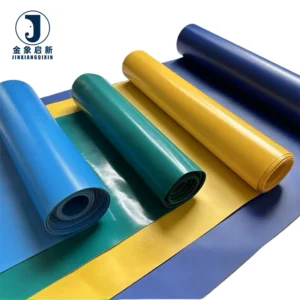
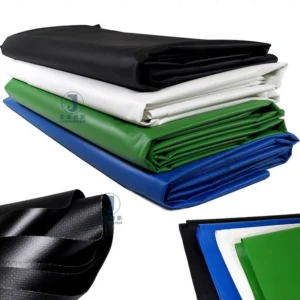
| Colour Range | Blue / Red / Yellow / Light blue / Grey (custom colours available) |
| Special Treatments Available | Flame retardant, anti-static, anti-cold, anti-mildew — confirm the grade required for your market |
| Waterproof | Fully waterproof coated construction |
| Cold Crack Resistance | Suitable for deployment in low-temperature environments |
| Service Life Estimate | Suited to extended outdoor and industrial exposure (verify against application conditions) |
| Certifications | ISO, CE |
Application Suitability
| Application | Exposure & Requirement |
|---|---|
| Mining ventilation ductwork | Continuous airflow pressure, underground humidity, fire-retardant and anti-static compliance mandated by site safety regulations |
| Tunnelling exhaust and intake ducts | Abrasive particulate, confined-space fire safety standards, flexing at junction points |
| Inflatable and membrane structures | Wind load, UV exposure, structural tensile stress at welded seams, certified flame performance |
| Aviation ground support enclosures | Jet fuel proximity, outdoor weather exposure, regulatory fire classification requirements |
| Specialist industrial covers | Chemical splash, mechanical abrasion, certified fire performance for refinery and plant environments |
Why Certified Fire Performance Matters More Than GSM in Technical Fabric
When sourcing PVC coated tarpaulin roll for mining, aviation or membrane structure applications, the weight on the datasheet tells you nothing about whether the fabric will pass a site safety audit.
A roll can hit every GSM target and still fail compliance if the flame retardant or anti-static treatment was never specified, tested or documented.
Fabricators and site safety officers routinely encounter situations where ventilation duct material arrives on site, the weight checks out, but the fire-retardant certificate the safety officer demands is either missing or references a different product grade entirely. The result is work stoppage, failed inspections, and reprocurement at cost. [NEED_CITE: fire classification standards for textile materials used in underground ventilation]
The same pattern repeats with anti-static requirements: a claim appears on the quotation but no surface resistance test data accompanies the shipment. In environments where static discharge is an ignition hazard, this gap between claim and documentation creates unacceptable risk. [NEED_CITE: anti-static testing protocols for industrial fabric in explosive atmospheres]
Coating Method and Weld Integrity for Duct Fabrication
Laminated and hot-melt coating technologies each produce different adhesion characteristics between the PVC layer and the polyester base fabric. Hot-melt coating drives the PVC into the interstices of the mesh, creating a mechanical bond that supports stronger welded seams during duct fabrication. When fabricators heat-weld overlapping panels to form ventilation duct sections, the seam must carry the tensile load of airflow pressure without delaminating. The PVC coated tarpaulin roll you specify determines whether the weld line or the fabric body fails first under stress.
Compliance Documentation as a Non-Negotiable Deliverable
In mining and tunnelling operations, every roll of ventilation duct fabric must ship with documentation that traces the flame retardant and anti-static treatment back to a recognised test standard. The site safety officer will reference this documentation before installation is approved. Our rolls ship with material specification sheets stating the treatment grade ordered, matched to the certification your compliance framework requires. Confirming the correct grade at inquiry stage prevents costly substitution errors downstream. [NEED_CITE: documentation requirements for ventilation duct materials in underground mining]
Specification Decisions That Affect Fabrication and Performance
Selecting the correct GSM and thickness from the available range (350gsm through 750gsm, corresponding to 0.32mm through 0.65mm) is not a simple "heavier is better" decision. For mining ventilation ducts, the fabric must be heavy enough to resist tearing at flex points and weld seams, but light enough that the finished duct sections can be handled and installed by crews in confined spaces. Thinner grades in the range suit inflatable structures where weight and pack volume matter, while heavier grades serve applications where mechanical abrasion and sustained wind load are primary concerns. The polyester mesh base fabric denier and weave density work together with the coating weight to determine overall tensile and tear performance — a 550gsm fabric with a dense base weave can outperform a 600gsm fabric with an open weave in tear resistance. [NEED_CITE: relationship between base fabric construction and coated fabric tensile properties per ISO 1421]
The hot-melt coating method also influences how the material behaves during fabrication. PVC that penetrates the base fabric weave creates a stiffer hand and better dimensional stability, which is an advantage when welding long duct sections that must hold their shape. Laminated coatings, where the PVC sits more on the surface, offer greater flexibility — useful for membrane structures that must fold and deploy without cracking at low temperatures.
When the Wrong Specification Ships Without Warning
A ventilation duct fabric that passes visual inspection and weight verification can still cause a compliance failure if the flame retardant treatment grade does not match the site’s required standard. This typically surfaces only at the audit stage, after fabrication and installation are complete. The cost of replacement includes not just new material but dismantling, disposal, and project delay. Batch-to-batch colour inconsistency across rolls is a secondary but visible problem — when adjacent duct sections show different shades after installation, the entire run can appear unprofessional even though it is functionally sound. Weld seam failure at flex points is another consequence of specification mismatch: if the coating method or weight was not selected with the intended welding process in mind, seams separate before the fabric body shows any sign of wear. [NEED_CITE: common failure modes in coated fabric ventilation duct installations]
Why Fabricators and Contractors Source Technical Fabric Here
Three full production lines and 36 sets of professional equipment support bulk roll output with consistent coating weight across the production run, reducing the risk of GSM variation between rolls in a single order.
A dedicated 10-person R&D team handles material selection and sample development for specific compliance requirements, allowing fabricators to test weld parameters and seam strength on sample rolls before committing to bulk.
QA/QC inspection at every production stage means coating adhesion, colour consistency, and treatment application are verified during manufacturing, not just at final check.
Sample development for custom GSM, width, and treatment combinations is available within days, supporting project timelines where specification approval must happen before the main order.
Every shipment includes 100% pre-shipment inspection records confirming roll-to-roll consistency, so fabricators receive documentation alongside the material.
Documentation & Verification
- Material specification sheet confirming GSM, coating method, base fabric and treatment grade per roll
- Flame retardant and anti-static test reports matched to the compliance standard specified at order
- ISO and CE certificates included in the shipment documentation package
- Pre-shipment inspection record verifying weight, colour and coating consistency across all rolls in the order
- Certificate of origin and customs documentation for export shipments
Fabrication, Handling & Storage
- Heat-weld parameters vary by GSM grade — test weld samples before production runs on any new batch
- Store rolls vertically on flat pallets to prevent edge compression marks on the PVC coating surface
- Allow cold-stored rolls to acclimatise to ambient temperature before unrolling to avoid coating crack risk
- For membrane structures, account for thermal expansion and contraction when calculating panel dimensions from roll stock
- Clean welded seams with PVC-compatible solvent before applying patch repairs to maintain bond integrity
- Cut pattern layout should account for the 2m or 2.1m roll width to minimise offcuts and seam count
Specification Guidance Before You Order
Provide the compliance standard your project requires — whether it is a mining ventilation fire safety classification, an aviation ground support specification, or a membrane structure fire performance grade. Include the intended application, exposure conditions, and whether you need rolls only or fabricated duct sections. Confirm the GSM and thickness range that matches your structural and handling requirements, along with any colour or anti-static treatment specifications.
Frequently Asked Questions
Q: How do you verify flame retardant grade against our local fire safety standard?
A: Confirm your required standard at inquiry stage. We supply test reports documenting the flame retardant treatment applied to your specific order, matched to the grade and test method your compliance framework references. If your standard is unfamiliar to us, we will request the specification and arrange testing before production begins.
Q: What test basis supports the anti-static claim, and can you provide surface resistance data?
A: Anti-static treatment is available as an option with test documentation. Provide your target surface resistance range or the applicable standard, and we will include the corresponding test report with your shipment. Surface resistance data is measured on the finished coating and reported per the test method specified.
Q: Which GSM and thickness is recommended for ventilation duct versus membrane structure use?
A: Mining ventilation ducts typically require heavier grades for tear resistance at weld seams and flex points. Membrane structures may suit lighter grades where flexibility and pack volume matter. Provide your application details and we will recommend a specific grade from the available 350gsm to 750gsm range based on structural and compliance requirements.
Q: How is batch-to-batch colour and coating weight consistency controlled across rolls?
A: Coating weight is verified at every production stage, with 100% pre-shipment inspection confirming GSM consistency across all rolls in your order. Colour matching is controlled against your approved reference. Inspection records ship with your documentation package so you can verify consistency on receipt.
Q: What certification documentation ships with each roll for site compliance audits?
A: Each shipment includes a material specification sheet, test reports for flame retardant and anti-static treatments where applicable, ISO and CE certificates, pre-shipment inspection records, and a certificate of origin. Confirm any additional documentation your site safety officer requires at order stage.