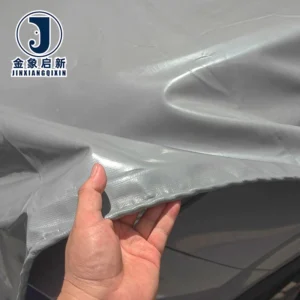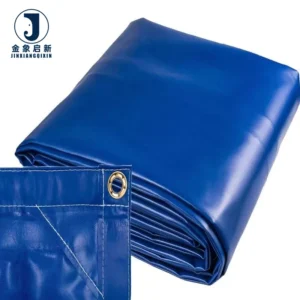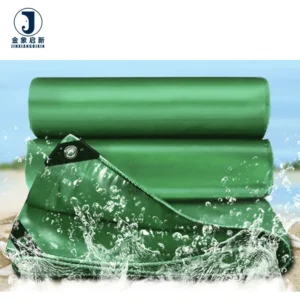

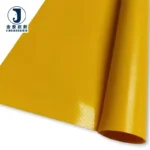
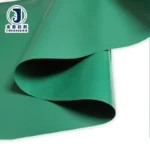
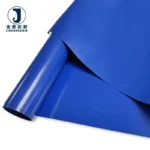
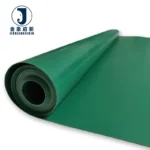
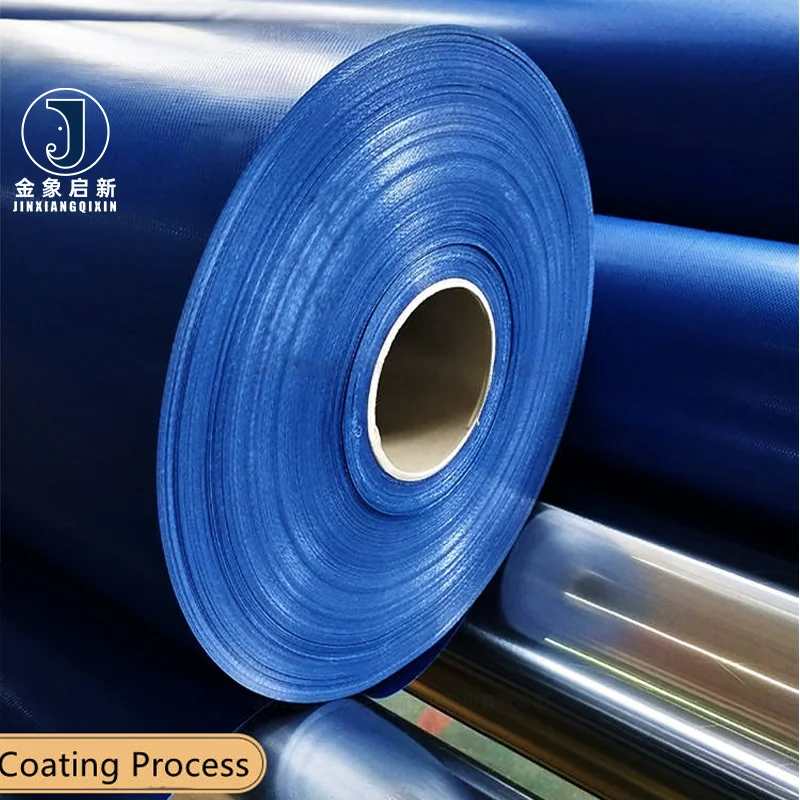
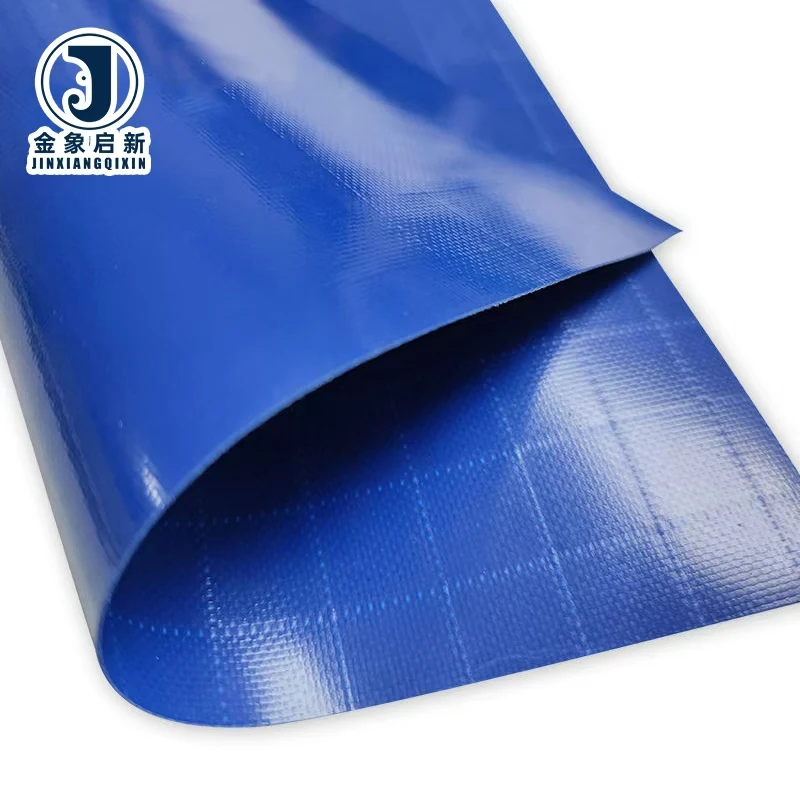
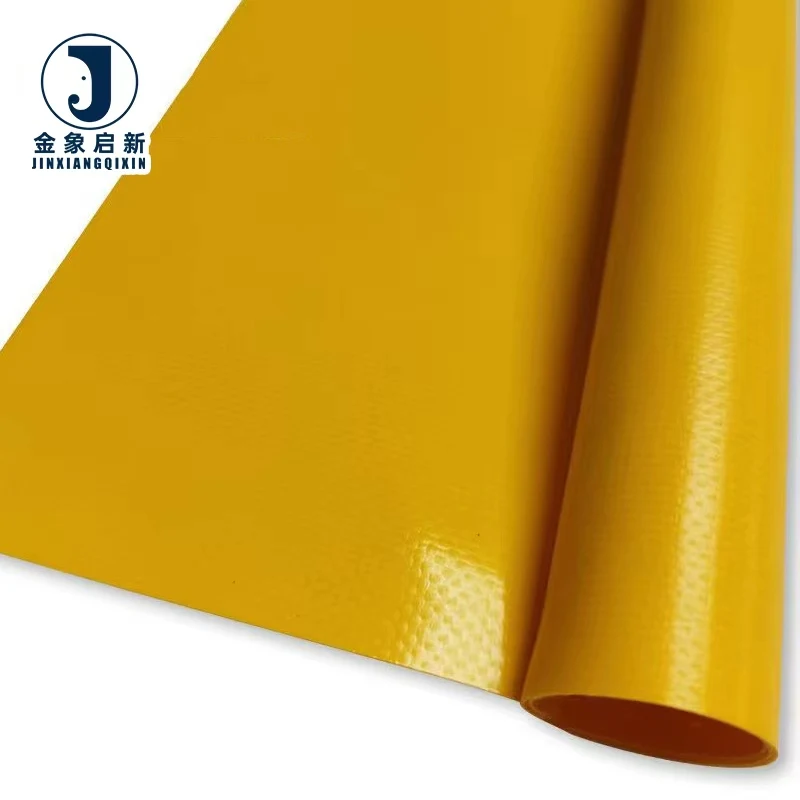
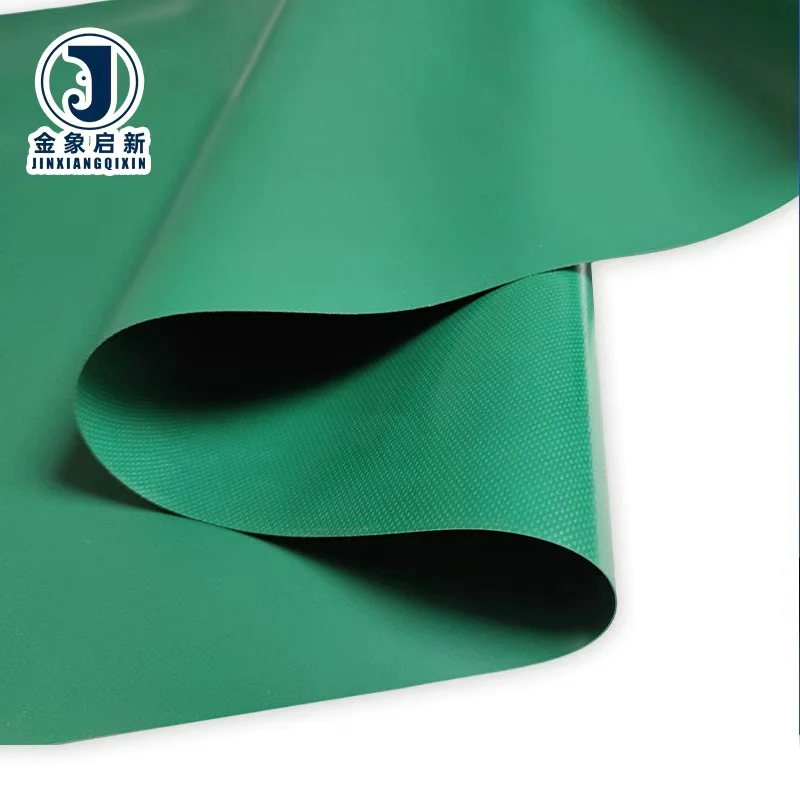
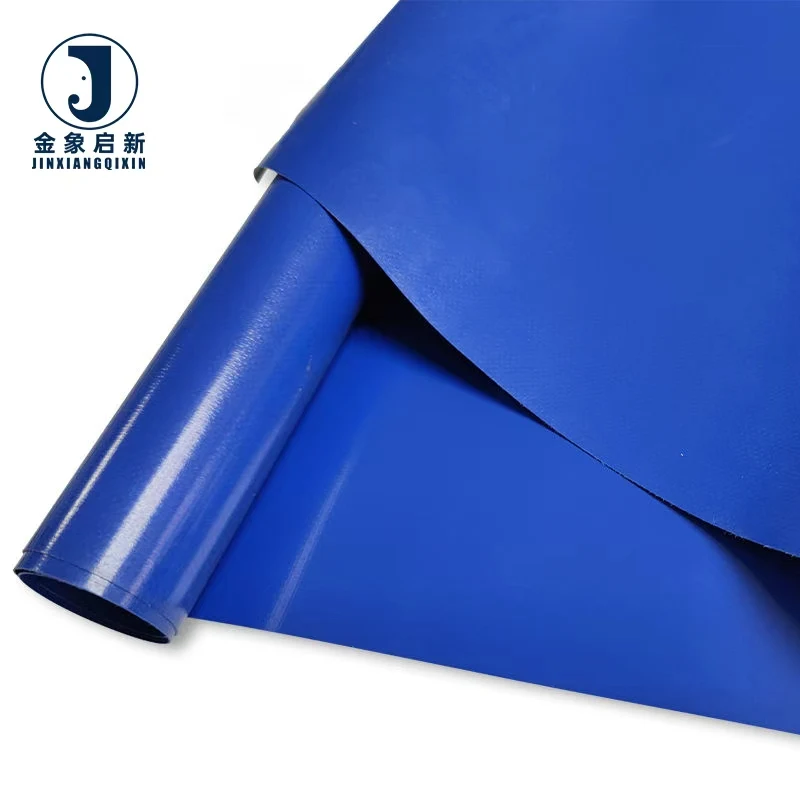
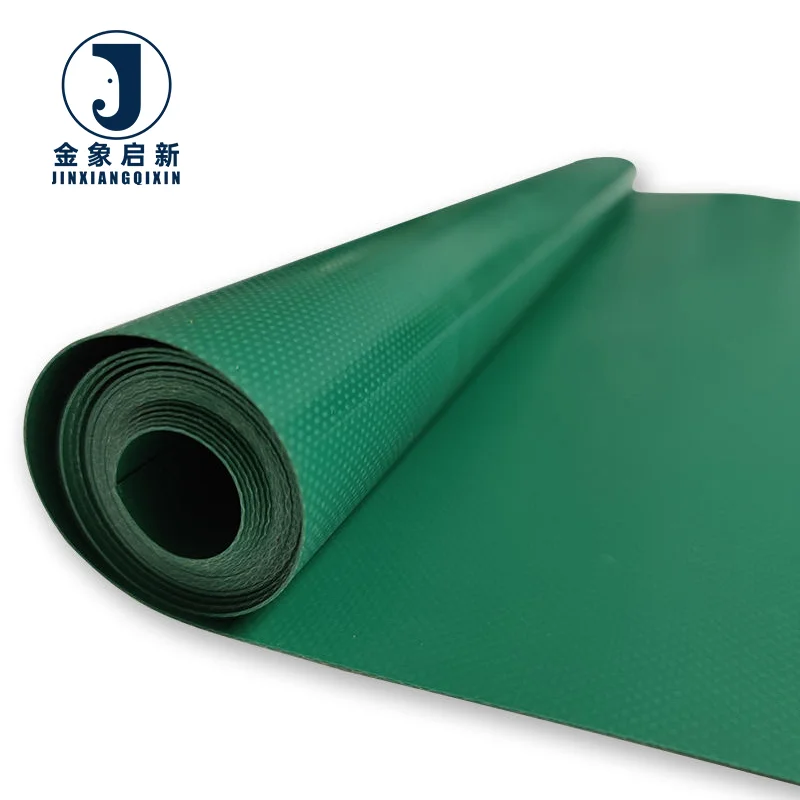
Coating Weight Control — Every roll of 650gsm PVC coated tarpaulin is verified against the stated weight before dispatch, eliminating the gap between quotation and arrival.
Technical Specifications
| Parameter | Value |
|---|---|
| Product Type | PVC Coated Tarpaulin |
| Base Fabric Material | Polyester |
| Yarn Count | 1000D*1300D |
| Mesh Count | 20*20 |
| Weight | 650 g/m² |
| Total Thickness | 0.46mm |
| Tensile Strength (Warp) | 2550 N |
| Tensile Strength (Weft) | 2250 N |
| Coating Material | PVC |
| Waterproof Performance | Waterproof |
| Flame Retardant | Available in flame retardant grades — confirm the grade required for your market |
| UV Treatment | Anti-UV treatment available — confirm test standard required |
| Finish | Smooth surface with leather-like texture |
| Repairability | Hot air weldable |
| Color | Customizable |
| Printing Option | Custom brand printing available |
| Packaging | Roll packing / Bale packing / Carton |
Application Suitability
| Application | Exposure & Requirement |
|---|---|
| Industrial ventilation duct | Continuous airflow pressure, flexing at bends, fire-retardant and anti-static compliance for mining and tunnelling sites |
| Membrane and inflatable structures | Sustained tensile load, weld integrity at seam junctions, weather exposure on semi-permanent installations |
| Heavy-duty equipment covers | Abrasion from contact with machinery edges, UV exposure during outdoor storage, waterproof protection |
| Aviation ground support ducting | Strict fire safety standards, fuel and chemical exposure risk, anti-static requirements in hangar environments |
| Temporary site enclosures | Wind loading on large panels, repeated installation and removal, weather protection for construction zones |
Why a Test Report Matters More Than a Flame Retardant Claim on PVC Coated Tarpaulin
Specifying flame retardant without naming the standard leaves compliance to chance on the day the inspector arrives.
Ventilation duct and membrane structure projects carry a documentation trail that does not end at the loading bay. Site safety officers in mining and tunnelling operations request the certificate before the fabric is unrolled. When the quotation states flame retardant but the test report references a standard your jurisdiction does not recognise, the entire installation halts [NEED_CITE: fire classification standards for coated fabrics in underground and enclosed industrial environments]. Procurement teams then face the choice of waiting for replacement material or seeking emergency local certification, both of which compress the project schedule.
How Denier and Mesh Density Shape Duct Fabrication Outcomes
The 1000D×1300D polyester base at a 20×20 mesh count provides a foundation that balances tensile capacity with the flexibility needed for duct forming. Higher denier in the weft direction supports the circumferential stress that ducts experience when pressurised. This PVC coated tarpaulin construction allows fabricators to hot air weld seams without the base fabric distorting under heat, which is essential when producing long continuous duct runs for tunnel ventilation.
Weld Integrity Under Repeated Flex and Pressure Cycles
A ventilation duct flexes at every bend and coupling. The smooth, leather-like PVC coating surface supports consistent hot air weld penetration, producing a seam that bonds coating to coating rather than relying on adhesive layers that can delaminate under vibration. Fabricators working with this 650gsm grade report that weld parameters remain stable across the roll surface, reducing the reject rate on fabricated joints [NEED_CITE: hot air welding parameters and peel strength for PVC coated polyester fabrics].
Reading the Specification Sheet Beyond the GSM Number
Weight alone does not predict how a coated fabric behaves under load. The 650 g/m² figure combines the polyester base fabric mass and the PVC coating on both faces. A heavier coating adds puncture resistance but can reduce flexibility, which matters when the fabric must fold into a duct profile or wrap a membrane curve. The 1000D×1300D yarn construction at 20×20 mesh delivers tensile values of 2550 N warp and 2250 N weft, which indicates how the base fabric shares load before the coating reaches its limit. Specifiers selecting material for pressurised duct applications should cross-reference these tensile figures with the expected internal pressure and span length rather than relying on weight as the sole selection criterion. Coating adhesion to the base fabric, often measured as peel strength, determines whether the layers stay bonded when the material flexes repeatedly at a duct elbow or suspension point.
The Cost of Specifying Without the Supporting Documentation
A roll that arrives without a verifiable test report for flame retardant or anti-static treatment creates a compliance gap that no amount of on-site negotiation closes. Mining ventilation projects require documented proof that duct material meets the fire safety standard enforced at that site, and an inspector will not accept a supplier declaration in place of a recognised laboratory report. Similarly, when multiple rolls are fabricated into a single membrane structure, colour variation between rolls becomes visible once the panels are installed side by side [NEED_CITE: batch colour consistency standards for PVC coated fabric in architectural membrane applications]. The rework cost of replacing mismatched panels on a large structure far exceeds the time investment in requesting batch samples before production begins.
Why Fabricators Source This PVC Coated Tarpaulin From Jinan Jinxiang
Three full production lines with dedicated coating weight control ensure that the 650 g/m² stated on the quotation matches the roll on the pallet. A 10-person R&D team develops custom colour and treatment samples within days, allowing fabricators to confirm appearance and performance before committing to production volume. Every roll passes 100% inspection before dispatch, with weight and visual checks recorded against the order specification. The material ships with the documentation chain that industrial and ventilation projects demand — specification sheets, test reports where applicable, and certificates aligned to ISO and CE frameworks. Custom width and fire-retardant treatment orders are handled with the same process discipline as stock grades, avoiding the extended delays that often accompany non-standard requests.
Documentation & Verification
- Material specification sheet confirming 650 g/m² weight, 1000D×1300D base fabric, and PVC coating type
- Test report for flame retardant and anti-static grades matched to the standard your project specifies
- Pre-shipment inspection record with per-roll weight verification against the stated GSM
- ISO and CE certificates provided with each shipment for compliance documentation
- Certificate of origin and customs support documentation for cross-border industrial fabric deliveries
- Roll packing list with batch reference for traceability across multi-roll orders
Fabrication, Handling & Storage
- Hot air weld at temperatures matched to the 0.46mm PVC coating thickness for consistent seam peel strength
- Store rolls upright on pallets to prevent flat-spot deformation of the 650 g/m² coated fabric surface
- Allow cold-stored rolls to reach ambient temperature before unrolling to avoid coating crack at low flexibility
- Use mild detergent and soft cloth for cleaning; avoid solvent-based products that attack the PVC coating layer
- Plan cutting layouts to account for the roll width and minimise off-cuts on duct and membrane panel fabrication
- Field repairs are achievable with hot air welding and matching PVC repair material for seam or puncture damage
What to Include in Your Enquiry
Provide the ventilation or structure application, the internal pressure or wind load the fabric will face, and the fire-retardant or anti-static standard enforced at your project site. Specify the required roll width, annual volume, and whether you need the material in stock colour or a custom shade with brand printing. Confirm if you require finished cut panels or full rolls, and whether pre-production samples are needed for weld testing and approval before bulk production.
Frequently Asked Questions
Q: What fire-retardant or anti-static certification can be provided for ventilation duct compliance?
A: Flame retardant and anti-static treatments are available as custom options. We supply the test report matched to the standard your mining, tunnelling, or aviation project requires. Confirm the specific classification your site enforces when placing the enquiry so the correct treatment grade is applied and documented before production.
Q: How is GSM verified on arrival against the quotation value?
A: Each roll undergoes weight verification during pre-shipment inspection, and the results are recorded on the inspection report that ships with your order. You can cross-check the documented GSM against the roll label on arrival. Any deviation outside the agreed tolerance triggers a hold and review before dispatch.
Q: Can the fabric be hot air welded and what seam strength can be expected?
A: The 650 g/m² PVC coating on this polyester base is designed for hot air welding, producing a seam that bonds coating to coating. Weld strength depends on temperature, speed, and pressure settings matched to the coating thickness. We recommend running test welds on sample material to establish parameters before full production.
Q: What is the lead time and minimum order for custom width or fire-retardant treatment?
A: Custom width, colour, and fire-retardant treatment orders follow the same production and inspection process as stock grades. Lead times depend on the treatment grade and order volume. Provide your required width, treatment standard, and quantity in the enquiry, and we will confirm the production schedule and minimum order before you commit.