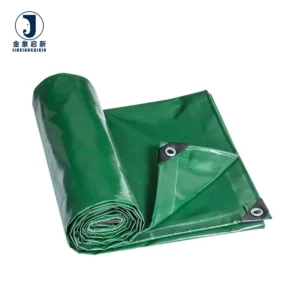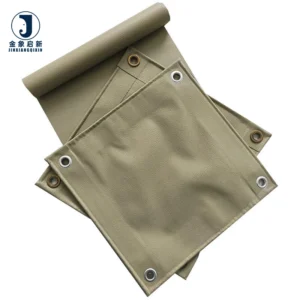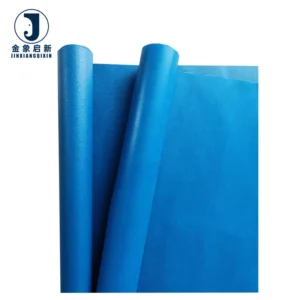
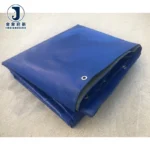
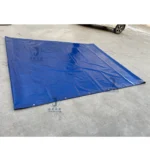
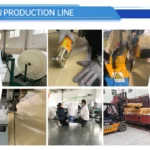

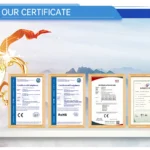
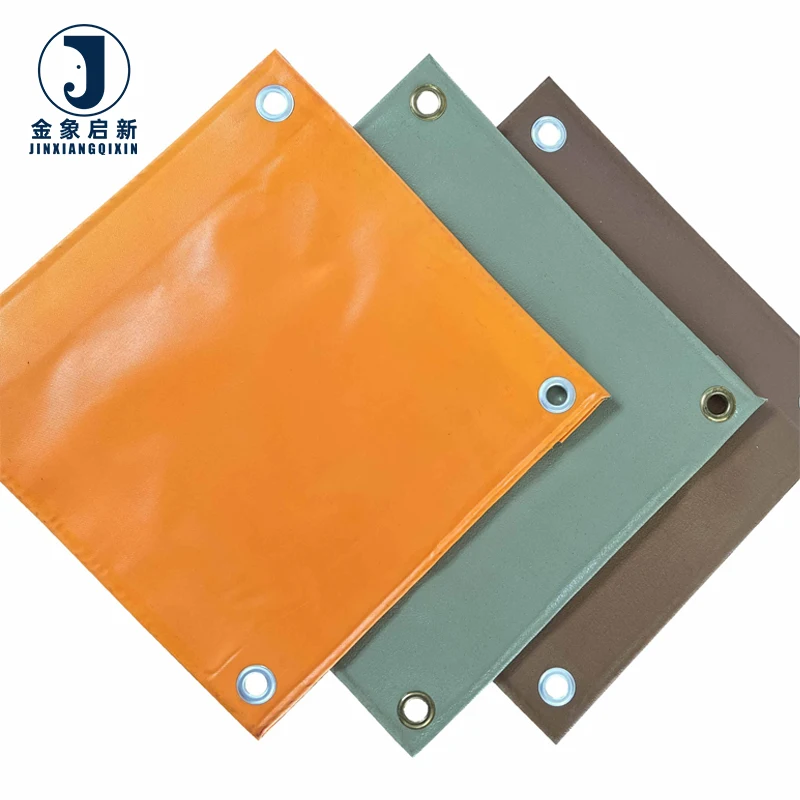
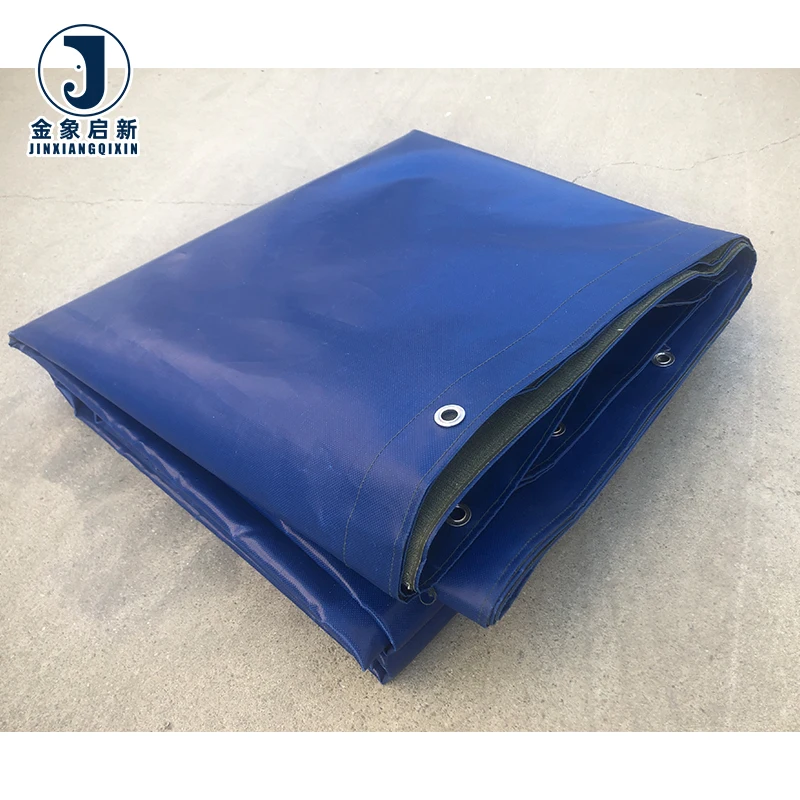
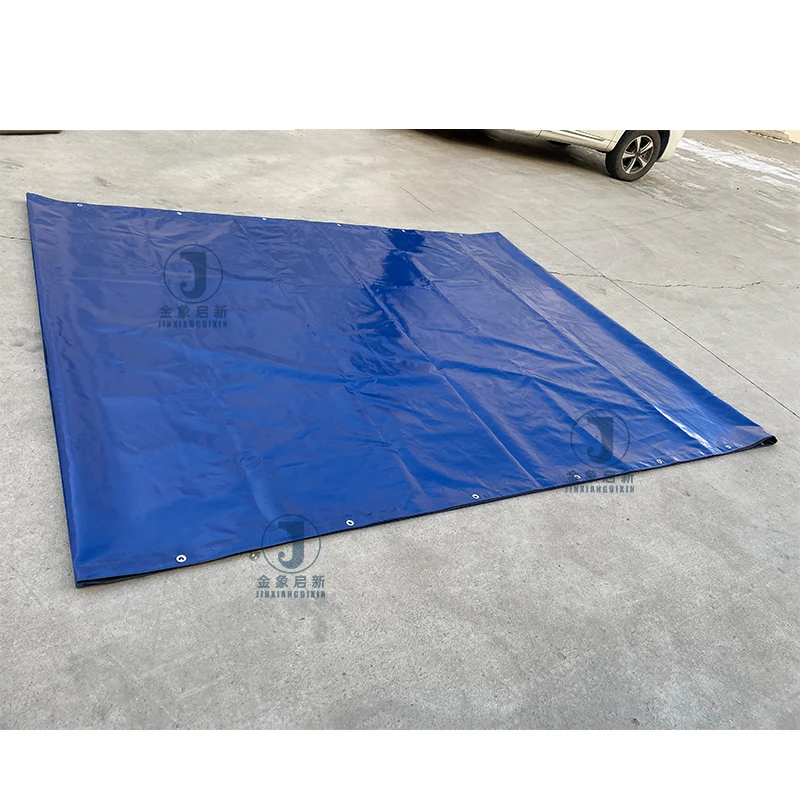
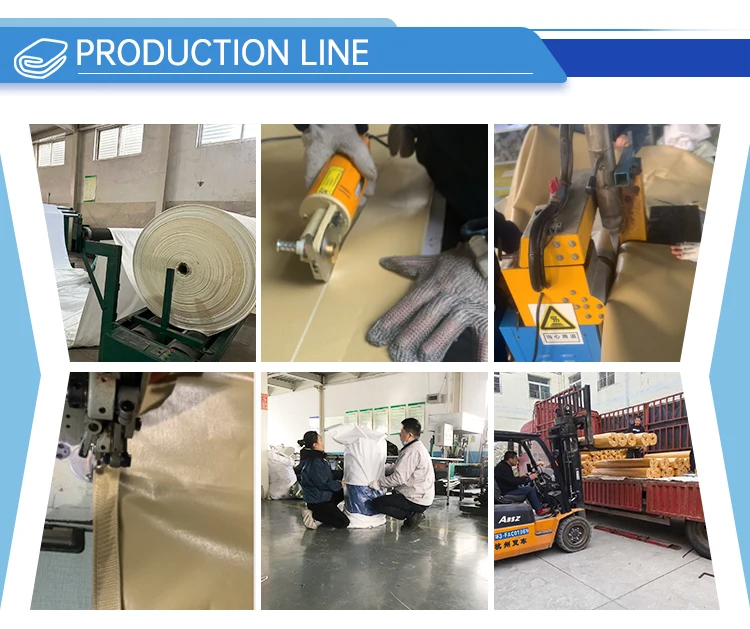
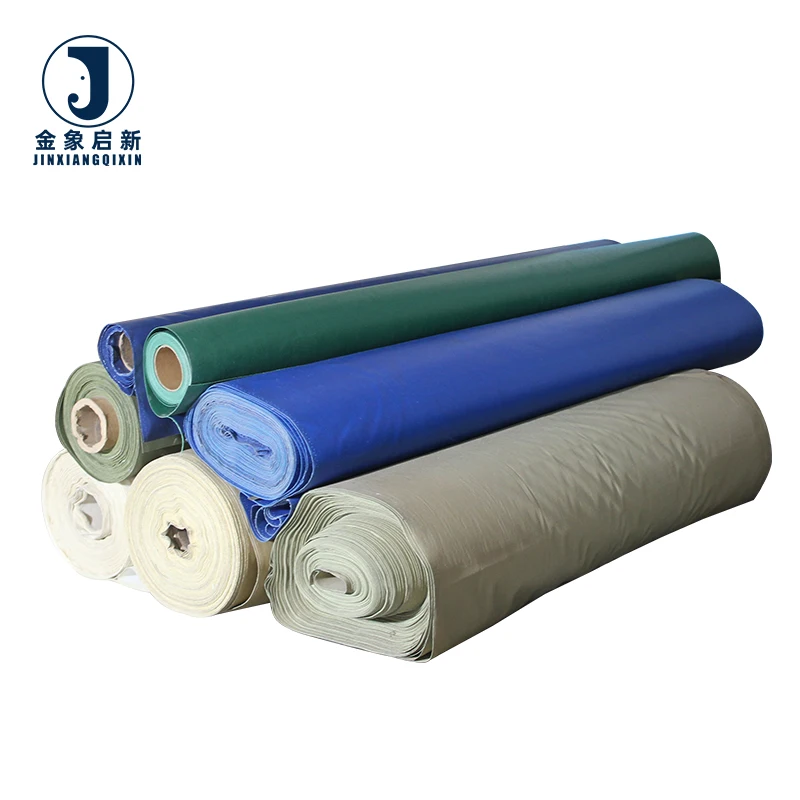
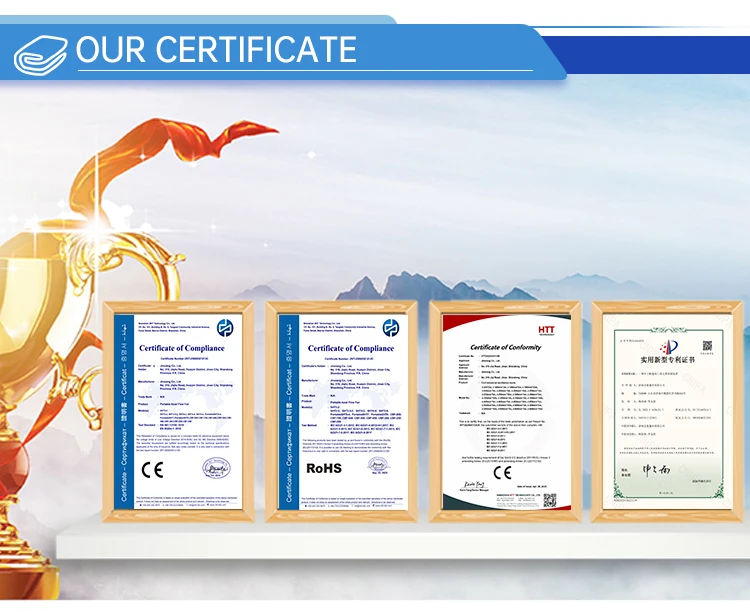
Process-Driven Coating Control — Nearly 30 years focused on coated fabric with deep process control over coating weight, adhesion, and surface treatment verification for every roll produced.
Technical Specifications
| Parameter | Value |
|---|---|
| Product Type | Anti-Static PVC Coated Tarpaulin |
| Base Fabric | 100% high toughness polyester yarn |
| Coating Material | PVC |
| Coating Method | Lamination technology and hot melt coating technology |
| Weight (Medium-duty) | 400-500 g/m² |
| Weight (Heavy-duty) | 700-1000 g/m² |
| Weight (Super heavy) | 1100-1500 g/m² |
| Base Fabric Denier (Medium-duty) | 500D |
| Base Fabric Denier (Heavy-duty) | 1000D |
| Base Fabric Denier (Super heavy) | 500D-2000D |
| Thickness (Medium-duty) | 0.35-0.45 mm |
| Thickness (Heavy-duty) | 0.70-1.0 mm |
| Thickness (Super heavy) | 1.2-1.5 mm |
| Tensile Strength (Medium-duty) | Longitude 1500-2000 / Latitude 1200-1800 N/5cm (test basis not stated in source) |
| Tensile Strength (Heavy-duty) | Meridian 2000-2500 / Latitude 1800-2200 N/5cm (test basis not stated in source) |
| Tensile Strength (Super heavy) | Warp 2500-3000 / Weft 2200-2800 N/5cm (test basis not stated in source) |
| Cold Resistance | -30°C |
| Anti-Static | Treated (standard or surface resistance not stated in source) |
| Flame Retardant | Available treatment (grade not stated in source) |
| Key Features | Waterproof, mold proof, cold crack resistant, excellent welding tear strength, good color fastness, printable surface, UV resistant |
| Outdoor Weather Resistance | 3-5 years (source value — verify against manufacturer catalog) |
| Certifications | ISO, CE |
Application Suitability
| Application | Exposure & Requirement |
|---|---|
| Exhibition booth walls and backdrop panels | Indoor event environments requiring static-dissipative surface to protect sensitive display electronics; high-quality printable surface for large-format graphics |
| Tensioned structural fabric for temporary event structures | Mechanical tension loads, wind exposure, rapid assembly and dismantling cycles, visual appearance under venue lighting |
| Inflatable and membrane structures for promotional installations | Internal air pressure, flex fatigue at curved seams, UV exposure during outdoor activations, fire safety compliance at public venues |
| Aviation ventilation ducting | Fire-retardant and anti-static compliance per site regulations, continuous airflow, confined installation spaces |
| Mining and tunnelling ventilation duct | Underground fire safety codes, abrasive particulate exposure, high humidity, anti-static requirements to prevent ignition risk |
Why Anti-Static Certification Matters More Than the Claim on the Data Sheet
Ventilation duct or event fabric supplied without the fire-retardant or anti-static certification the site requires — request test documentation before you commit.
A treated fabric without a test report is just a marketing statement, not a compliance document.
Every year, exhibition venues and underground worksites reject installed fabric because the anti-static or flame-retardant certificate does not match the standard the inspector expects. The Anti-Static PVC Coated Tarpaulin certified for your project must carry a test report referencing the specific standard your venue or site safety officer demands — whether that is a surface resistance value for static dissipation or a flame spread classification for fire safety [NEED_CITE: surface resistance testing standards for anti-static coated fabrics]. The cost of replacing failed material mid-event or mid-project dwarfs the time spent verifying documentation upfront.
Static Control Where Display Electronics and Signage Meet Fabric
Exhibition environments concentrate sensitive AV equipment, LED panels, and digital signage within centimetres of the fabric backdrop. An anti-static PVC coated tarpaulin with verified surface resistance treatment reduces the risk of electrostatic discharge that can damage electronics or attract dust to printed graphics. The printable surface accepts large-format solvent, UV, and latex inks with strong color fastness, keeping booth graphics sharp through multi-day shows and repeated installations.
Fire Safety Compliance Across Exhibition Venues and Industrial Sites
Public assembly venues and underground worksites enforce fire codes that demand documented flame-retardant grades — not generic claims. Anti-static PVC coated tarpaulin is available in flame retardant grades; confirm the grade required for your market and request the corresponding test report before committing to production. Whether the requirement is a European classification or a local venue standard, the correct documentation ensures the material passes inspection on installation day [NEED_CITE: fire classification standards for temporary event structures].
How Coating Method and Base Fabric Determine Real-World Performance
The choice between lamination technology and hot melt coating technology directly affects peel strength and weld behaviour. Hot melt coating drives PVC into the base fabric interstices, producing higher adhesive strength and better welding tear strength — critical when panels are joined by heat welding for large backdrops or duct sections. Base fabric denier works in partnership with coating weight: a 500D medium-duty construction at 400-500 g/m² suits lightweight exhibition panels, while 1000D heavy-duty grades handle tensioned structures where wind load and assembly stress demand higher tensile reserves. Cold crack resistance to -30°C means outdoor event installations in winter climates retain flexibility without brittle failure at fold lines and hem creases.
The Cost of Skipping Specification Verification Before Production
Fabric ordered on quoted GSM alone, without confirming coating adhesion or treatment certification at dispatch, creates downstream failures that surface only after installation. Rolls that arrive lighter than specified lose tensile margin; anti-static treatment without a supporting test report fails venue inspection; colour variation between rolls becomes visible when panels hang side by side in a booth array [NEED_CITE: batch-to-batch colour consistency in PVC coated fabric production]. Welded seams on inadequately coated fabric peel under load, often failing before the base fabric itself reaches its tear limit. These problems compound because they are discovered on-site, where replacement lead time and event schedules leave no room for re-ordering.
Why Technical Buyers Source This Fabric Here
Three full production lines with 36 sets of professional equipment support bulk roll orders with consistent coating weight and on-time delivery for project timelines. A dedicated 10-person R&D team handles material selection, custom width, pattern printing, and sample development — sending physical samples within days so you can verify print compatibility and anti-static treatment before committing to a production run. QA/QC runs at every production stage with 100% pre-shipment inspection, meaning GSM, coating adhesion, and surface treatment are checked against your specification before rolls leave the factory. Hot melt coating and lamination processes are controlled in-house, giving you a single point of accountability for fabric performance rather than fragmented supply between weaver and coater.
Documentation & Verification
- Material specification sheet stating GSM, base fabric denier, coating method, and colour reference for each roll
- Anti-static test report with surface resistance value and applicable standard on request
- Flame retardant grade test report matching venue or site fire code requirements
- Pre-shipment inspection record covering coating weight, adhesion, and surface treatment verification
- Roll packing list with gross and net weight for container planning and customs clearance
- Certificate of origin and customs documentation for international shipment
Fabrication, Handling & Storage
- Heat weld at temperatures suited to hot melt coated PVC for strong seam peel resistance across all duty grades
- Store rolls horizontally on pallets to prevent permanent creasing in medium-duty 0.35-0.45 mm grades
- Allow cold-stored rolls to acclimatise before unrolling to preserve cold crack resistance at -30°C
- Use compatible solvent or UV inks on the printable surface and confirm colour fastness with a test print first
- Plan panel cutting layouts around available roll widths to minimise welded seams in large backdrop assemblies
- Clean printed surfaces with mild, non-abrasive agents to protect the coating and graphic reproduction quality
What to Include in Your Enquiry
Provide the specific fire-retardant and anti-static standards your venue or site safety officer requires so we can match the treatment grade and prepare test documentation. Specify the duty grade, target GSM, roll width, and whether you need finished panels or stock rolls. If your project involves large-format printing, share the ink system and graphic files for sample approval before bulk production.
Frequently Asked Questions
Q: What anti-static test documentation comes with the fabric?
A: Anti-static PVC coated tarpaulin is produced with surface treatment during coating. We supply a test report stating the measured surface resistance value and the applicable testing standard. Confirm the specific standard your venue or site requires at enquiry stage so the correct test method is used and the report is ready with your shipment.
Q: Which flame retardant grades are available for exhibition venue compliance?
A: Flame retardant treatment is available in multiple grades. The correct grade depends on the fire safety code enforced at your specific venue or worksite. Share the required classification standard during enquiry, and we will provide the matching test report and material specification sheet with your order documentation.
Q: Is the printable surface compatible with all large-format ink types?
A: The printable surface supports solvent, UV-curable, and latex ink systems commonly used for exhibition graphics. We recommend running a sample print to verify ink adhesion and colour fastness on the specific grade you select. Sample rolls are developed within days for print testing before you commit to bulk production.
Q: How does the fabric perform in outdoor event installations at low temperatures?
A: Cold crack resistance is rated to -30°C, meaning the PVC coating retains flexibility and does not become brittle at fold lines or hem points in winter conditions. For installations in extreme cold, confirm the specific duty grade and thickness best suited to the expected wind load and handling stress.
Q: What is the MOQ for custom width and colour orders?
A: Minimum order quantities depend on the duty grade, width, and colour specification you require. Custom widths and colours are produced on dedicated runs to maintain roll-to-roll consistency. Provide your target dimensions and annual volume at enquiry stage for a precise lead time and minimum quantity confirmation.