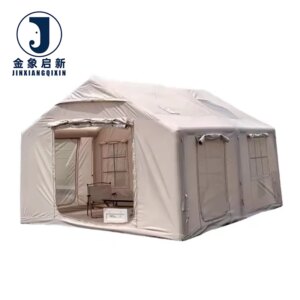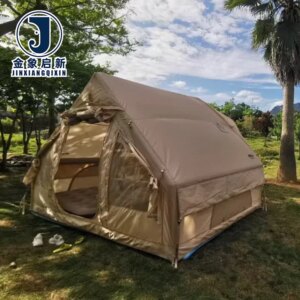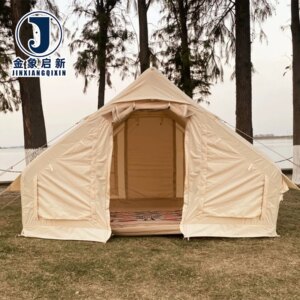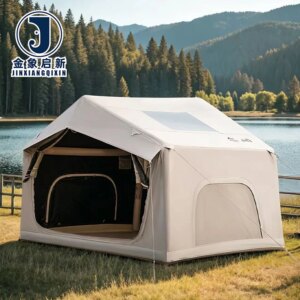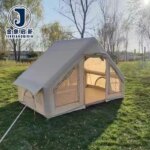
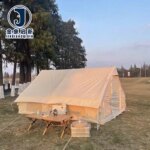
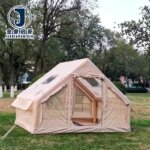
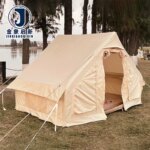

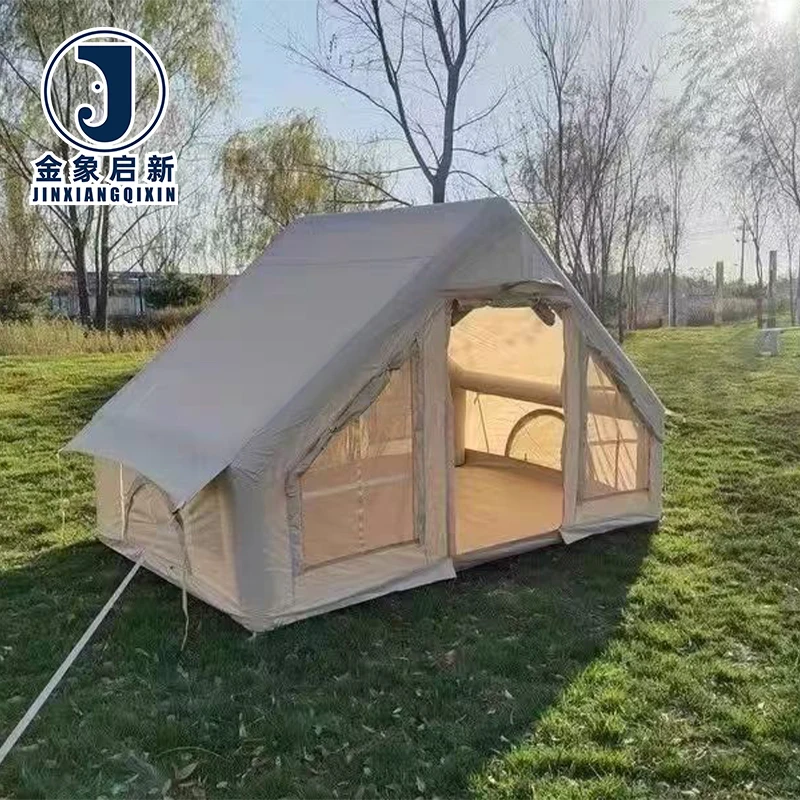
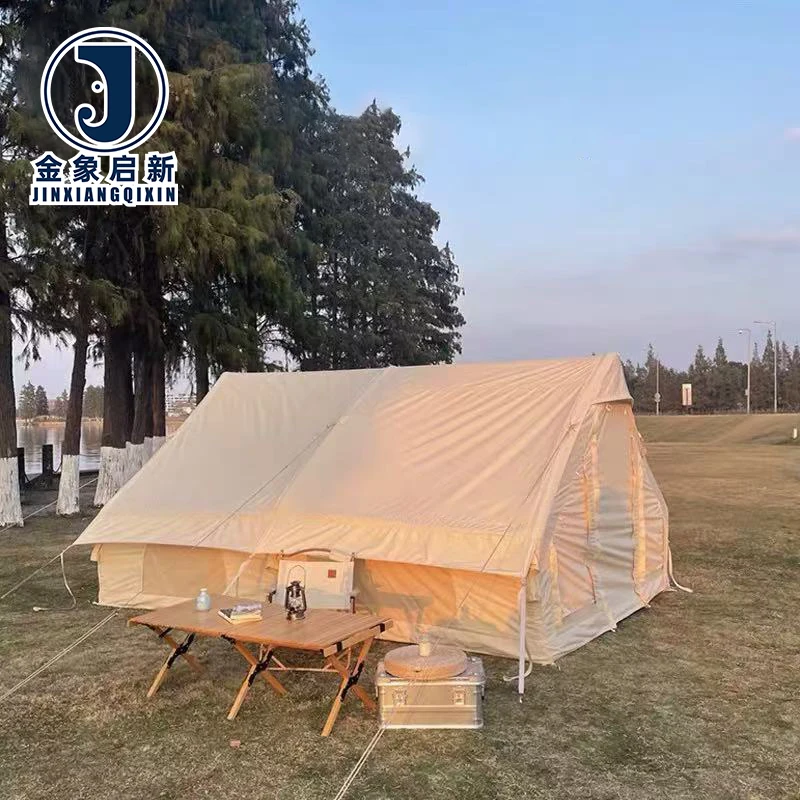
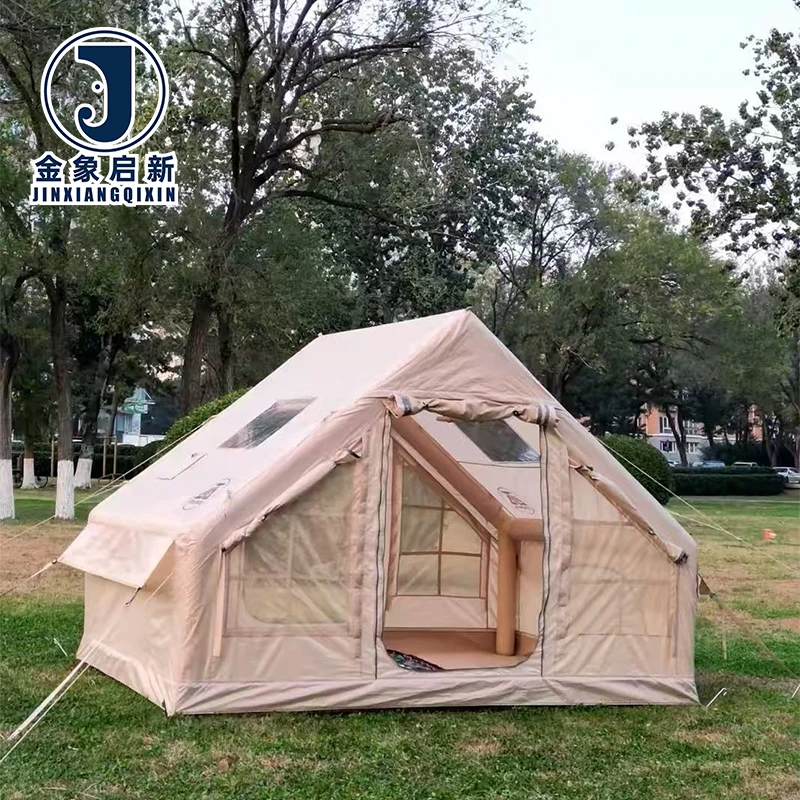
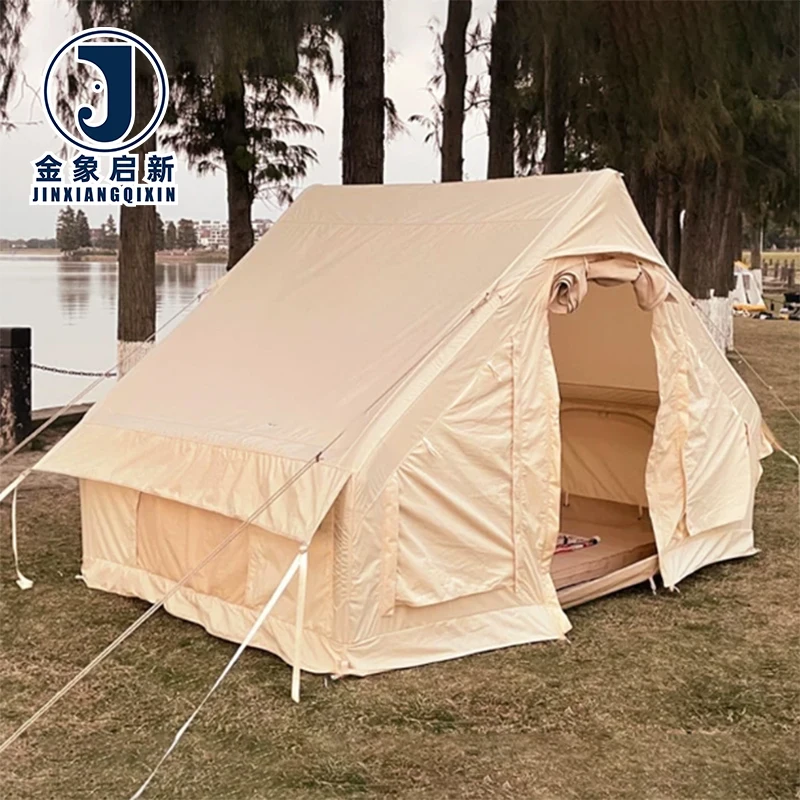
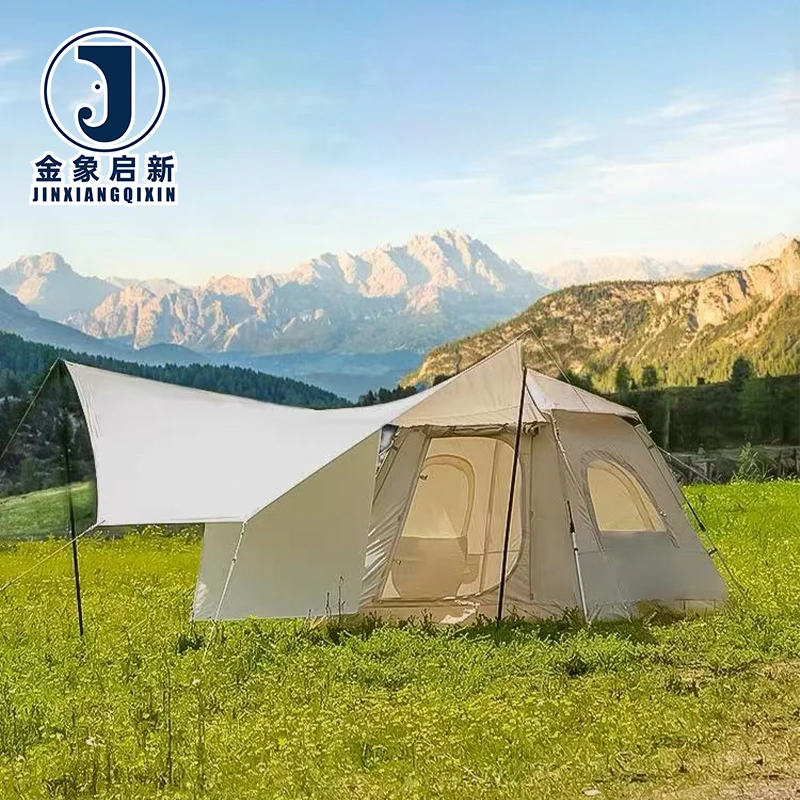
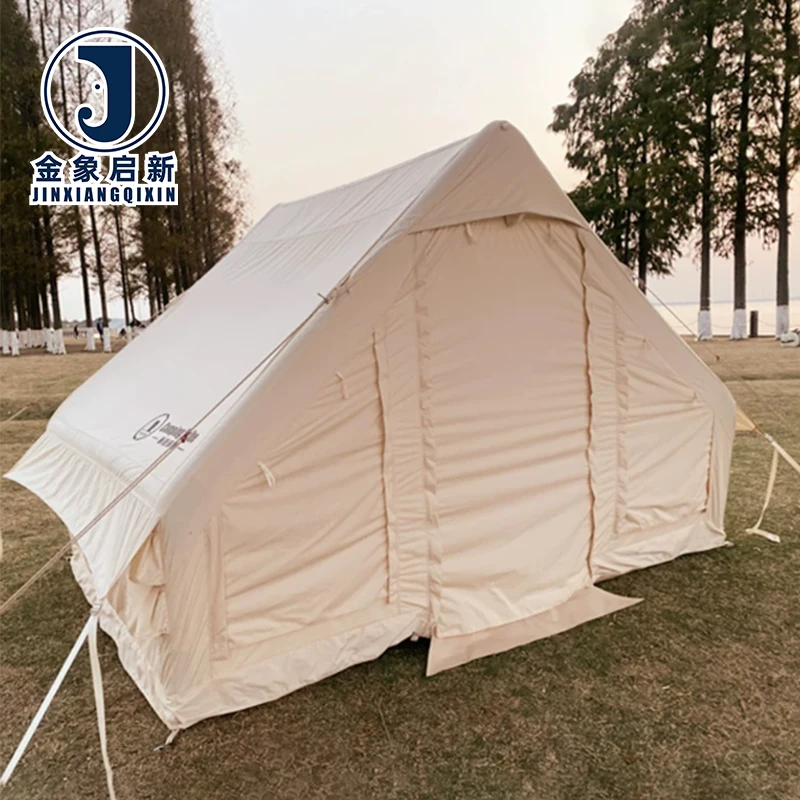
Deep Process Control Over Coating Adhesion — every roll of inflatable tent fabric undergoes coating weight and adhesion verification before leaving our 9,180 m² facility, ensuring batch-to-batch consistency for compliance-critical membrane structures.
Technical Specifications
| Parameter | Value |
|---|---|
| Product Type | Inflatable Tent Fabric |
| Core Material | PVC Tarpaulin |
| Fire-Retardant Treatment | Available in fire-retardant grades — confirm the grade required for your market |
| Anti-Static Treatment | Available with anti-static properties — confirm surface resistance standard required |
| Waterproof | Fully waterproof coated construction |
| UV-Resistant | UV treatment applied — confirm test basis for your market |
| Tear-Resistant | Reinforced woven base fabric construction |
| Product Forms | Inflatable structure with quick automatic opening mechanism |
| Customization | OEM & ODM: sample customization, pattern printing, material selection, product design |
| R&D Support | 10 technicians |
| Production Lines | 3 full production lines |
| Processing Equipment | 36 sets |
| Certifications | ISO9001, ISO14001, ISO45001, CE |
Application Suitability
| Application | Exposure & Requirement |
|---|---|
| Mining and tunnelling temporary shelters | Fire-retardant and anti-static compliance, dust and moisture exposure, confined underground environments |
| Aviation ground support inflatable structures | Certified fabric for airside operations, wind load resistance, rapid deployment requirements |
| Emergency disaster relief command centers | Harsh weather exposure, repeated inflation and deflation cycles, transport logistics |
| Remote construction zone equipment shelters | UV exposure, precipitation, wind-driven debris, extended outdoor deployment |
| Mobile workshop facilities for field operations | Internal heat sources, chemical splashes, abrasion from equipment movement |
Why Certified PVC Inflatable Tent Fabric Matters More Than Stated Weight Alone
A fire-retardant claim without a test certificate is a liability, not a feature.
Contractors specifying inflatable tent fabric for mining or aviation sites know the frustration: the quotation states fire-retardant and anti-static properties, but the shipment arrives without the documentation the site auditor demands [NEED_CITE: fire-retardant compliance documentation for mining and aviation site audits]. The shelter sits on the dock while procurement scrambles for paperwork, and the project timeline slips. With certified PVC inflatable tent fabric, each batch ships with traceable test results linked to the production run, so compliance verification happens at the receiving dock rather than weeks later in an email chain.
Engineering Membrane Structures for Compliance-Critical Environments
Inflatable structures used in mining ventilation corridors or aviation ground support zones face regulatory scrutiny that standard commercial tents never encounter. Site inspectors require material certificates that map to the specific fire-retardant and anti-static standards enforced in their jurisdiction [NEED_CITE: anti-static surface resistance standards for inflatable structures in explosive atmospheres]. Our PVC inflatable tent fabric supports full OEM and ODM customization, allowing membrane structure designers to specify material thickness, panel geometry, and inflation port configurations that match the structural engineering calculations for wind load and internal pressure.
Rapid Deployment Without Compliance Shortcuts
Emergency response operations and remote construction projects demand shelters that inflate quickly and meet site safety codes simultaneously. The quick automatic opening mechanism integrated into our inflatable structures reduces setup time in the field, but rapid deployment means nothing if the fabric fails the site safety audit. Our 10-person R&D team works directly with membrane structure contractors during the design phase, selecting coating weights and base fabric constructions that balance inflation speed with the fire-retardant and anti-static properties the project specification requires.
Understanding How Base Fabric and Coating Weight Interact in Inflatable Applications
The structural integrity of an inflatable tent depends on the relationship between base fabric denier, weave density, and PVC coating weight rather than any single parameter in isolation. Heavier coating adds tear resistance and airtightness for sustained inflation pressure, but it also increases the fabric stiffness that the inflation system must overcome during rapid deployment. Knife-over-roll coating produces uniform thickness suitable for large-panel membrane structures, while lamination may be selected for cost-sensitive applications where the inflation cycle count is lower. The anti-static treatment must penetrate the coating surface uniformly to maintain consistent surface resistance across the entire panel, which requires controlled application during the coating stage rather than post-treatment spraying.
What Happens When Inflatable Tent Fabric Fails at the Weld Line
Membrane structures concentrate flex stress at welded seams where panels join, and inflatable tents experience these stresses repeatedly during inflation and deflation cycles. When the weld fails before the fabric body, the entire structure loses pressure and the shelter collapses — often at the worst possible moment during a storm or operational peak [NEED_CITE: weld seam failure modes in pressurized membrane structures]. Inconsistent coating weight across a production batch means some panels reach optimal heat-seal temperature while adjacent panels remain under-fused, creating weak points invisible during pre-shipment inspection but exposed under field pressure cycles. Specifying batch-consistent PVC inflatable tent fabric with documented coating weight reduces this weld-line risk substantially.
Why Procurement Teams Source Inflatable Tent Fabric Here
Deep process control over coating weight and coating-to-fabric adhesion means each roll meets the specification stated on the material data sheet — no light-weight rolls slipping through production.
Three full production lines and 36 sets of processing equipment support the volume requirements of large membrane structure projects without forcing contractors to split orders across multiple suppliers.
Dedicated QA and QC staff inspect every production stage, with 100 percent pre-shipment inspection catching coating inconsistencies before they reach the fabrication shop.
The 10-person R&D team develops custom material selections and structural samples within days, accelerating the design-to-production cycle for specialist inflatable applications.
ISO9001, ISO14001, ISO45001, and CE certifications provide the compliance framework that mining, aviation, and tunnelling auditors require during site material reviews.
Documentation & Verification
- Material specification sheet stating coating material, base fabric denier, and fire-retardant treatment parameters per batch
- Fire-retardant and anti-static test reports traceable to the production run number
- ISO9001, ISO14001, ISO45001, and CE certificates included in shipment documentation package
- Pre-shipment inspection record confirming coating weight and visual quality against agreed specification
- Certificate of origin and customs documentation for international membrane structure projects
Fabrication, Handling & Storage
- Heat-seal temperature and dwell time must match the PVC coating weight to avoid under-fused weld seams on inflatable panels
- Reinforce inflation port attachment zones with additional coating layers to resist pull-out stress under sustained internal pressure
- Store rolls upright in climate-controlled conditions to prevent permanent creasing that compromises airtightness after inflation
- Allow cold-stored rolls to reach ambient temperature before unrolling to prevent coating cracking at low-temperature flex points
- Use PVC-compatible cleaners only — solvent-based products degrade the fire-retardant treatment on the coating surface
- Field repairs require compatible PVC adhesive patches matching the original coating thickness to maintain airtight seal integrity
Structuring Your Inflatable Fabric Inquiry
To specify the right PVC inflatable tent fabric for your project, share the deployment environment including altitude, temperature range, and wind load expectations. Indicate which fire-retardant or anti-static standards your site auditor enforces, and whether you require raw roll stock or finished cut-and-welded panels. Confirming annual volume and color requirements upfront allows us to plan production runs that maintain batch consistency across your project timeline.
Frequently Asked Questions
Q: What fire-retardant certifications does the inflatable tent fabric carry?
A: Our PVC inflatable tent fabric is available in fire-retardant grades aligned with multiple international standards. The specific grade applicable to your project depends on your local jurisdiction and site requirements. We recommend sharing your compliance specification during the inquiry stage so we can confirm the matching test standard and include the relevant certificate with your shipment documentation.
Q: How is anti-static performance verified on this fabric?
A: Anti-static properties are achieved through treatment integrated during the coating process, providing surface resistance suitable for environments where static discharge poses a risk. The exact surface resistance value and test method should be confirmed against your project specification. We supply batch-specific test documentation with each shipment to support your site audit requirements.
Q: Can the inflatable structure be customized for specific membrane geometry?
A: Yes, our OEM and ODM service covers structural design adaptation, material thickness selection, and custom panel configurations for specialist membrane and inflatable applications. Our 10-person R&D team develops pre-production samples for your approval before mass manufacturing begins, ensuring the final fabric meets your structural engineering calculations for inflation pressure and wind load resistance.
Q: What compliance documentation ships with each batch?
A: Every shipment includes a material specification sheet, fire-retardant and anti-static test reports linked to the batch number, ISO9001, ISO14001, ISO45001, and CE certificates, a pre-shipment inspection record, and a roll packing list. This documentation package supports mining, aviation, and tunnelling site audits where material traceability is mandatory for shelter commissioning.
Q: How are material thickness and coating weight selected for inflatable applications?
A: Material selection depends on the intended inflation cycle frequency, internal pressure requirements, and environmental exposure conditions. Heavier coating weights improve airtightness and tear resistance but increase fabric stiffness. We work with membrane structure designers during the inquiry phase to recommend the coating weight and base fabric combination that balances deployment speed with long-term structural performance.