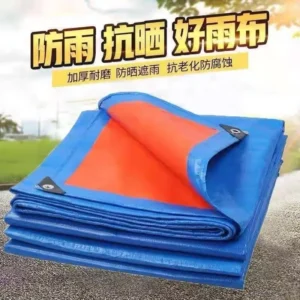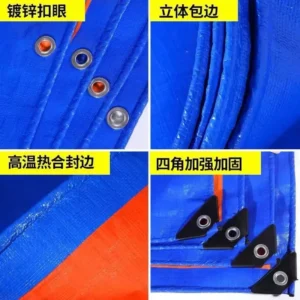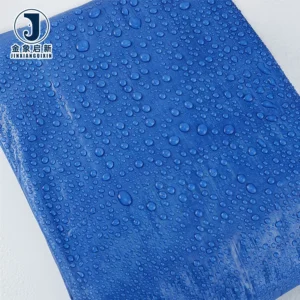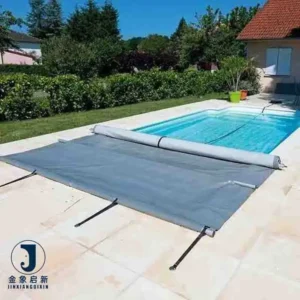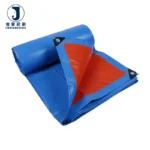
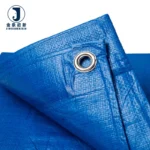


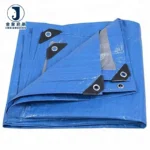
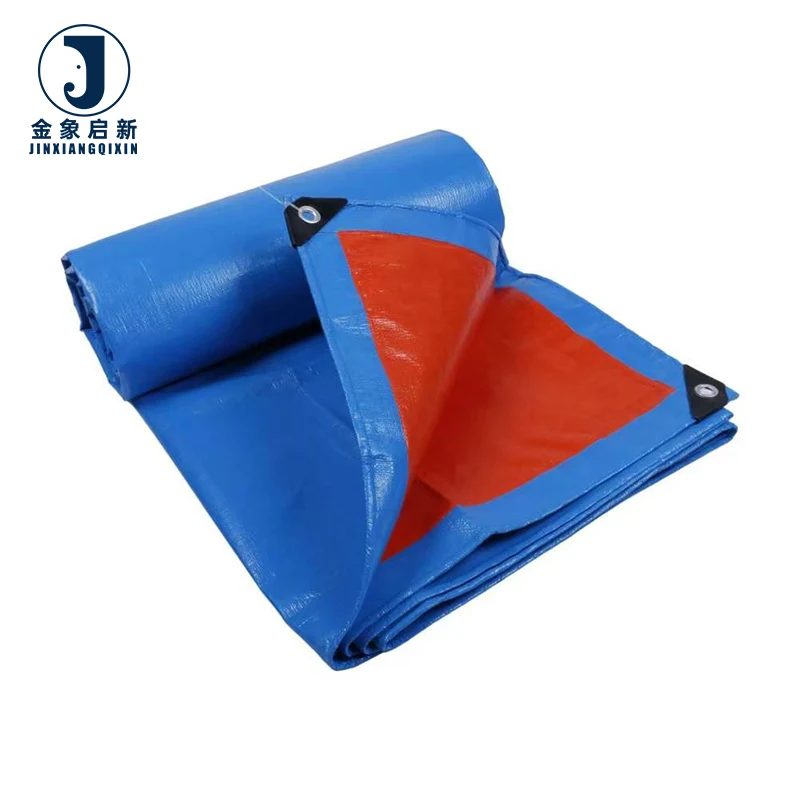
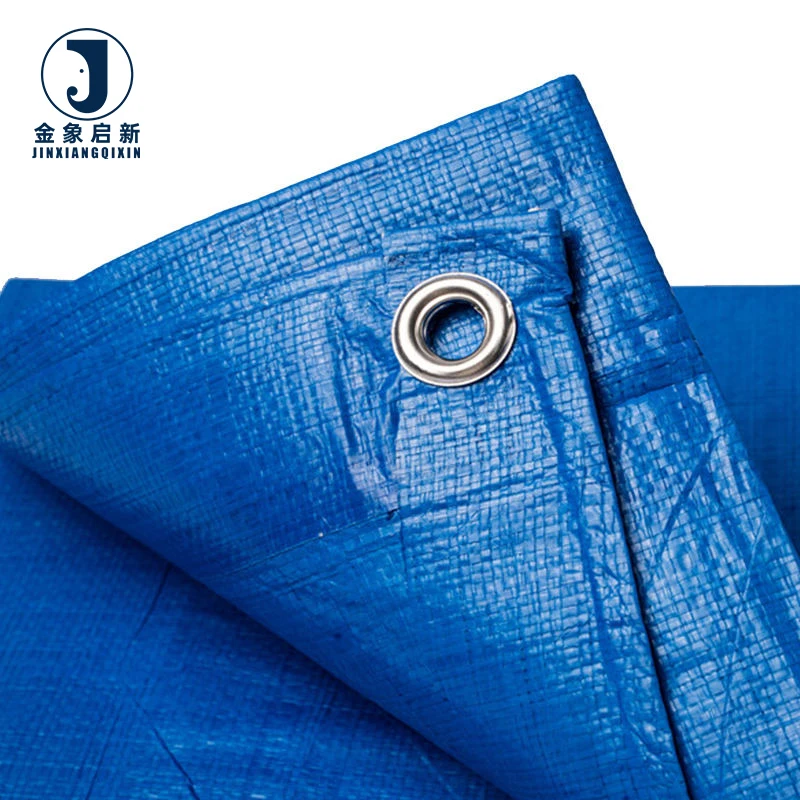
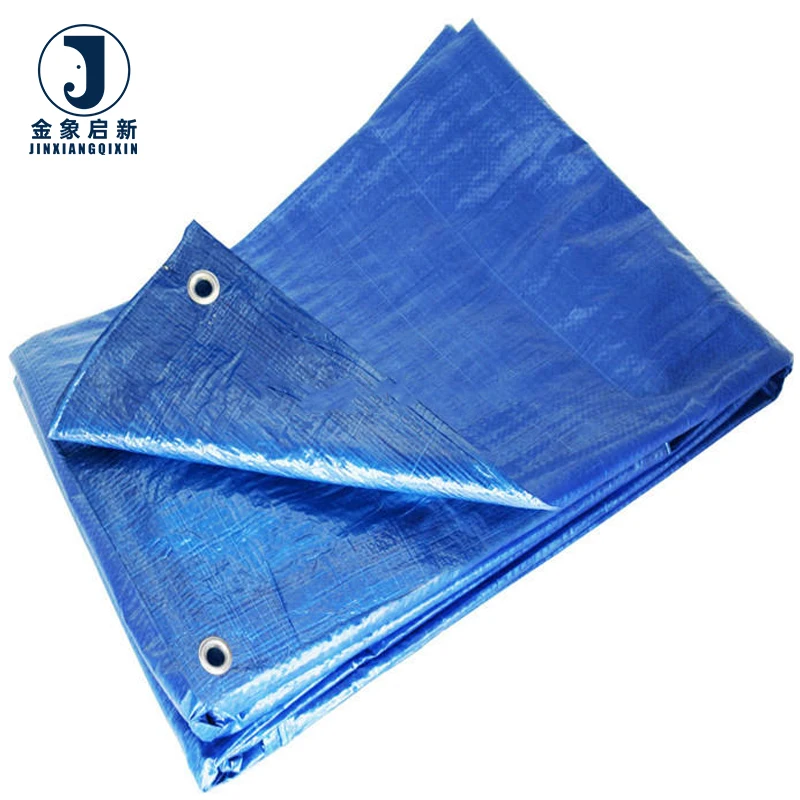
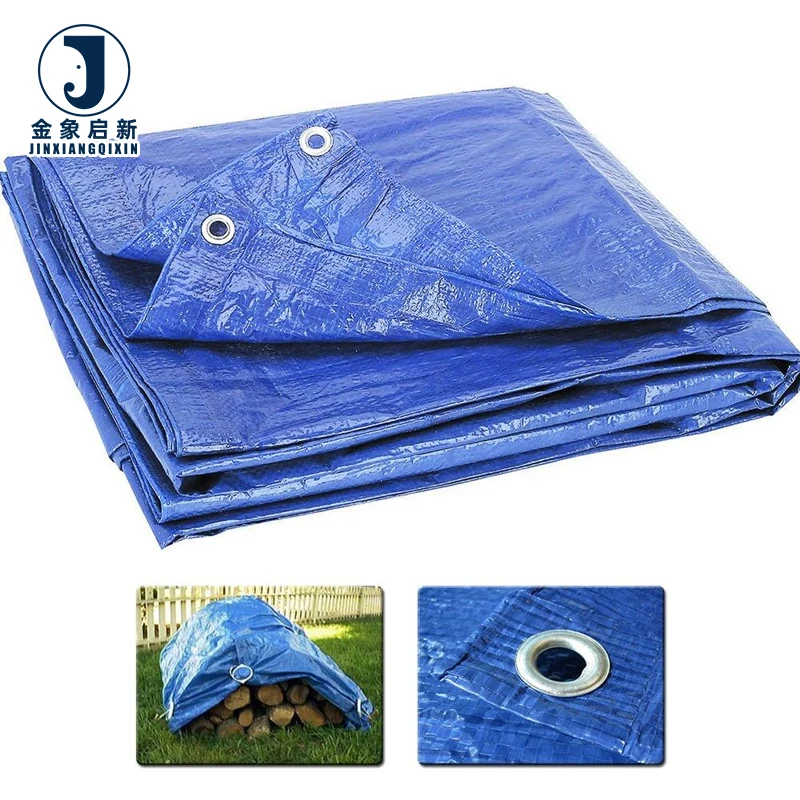
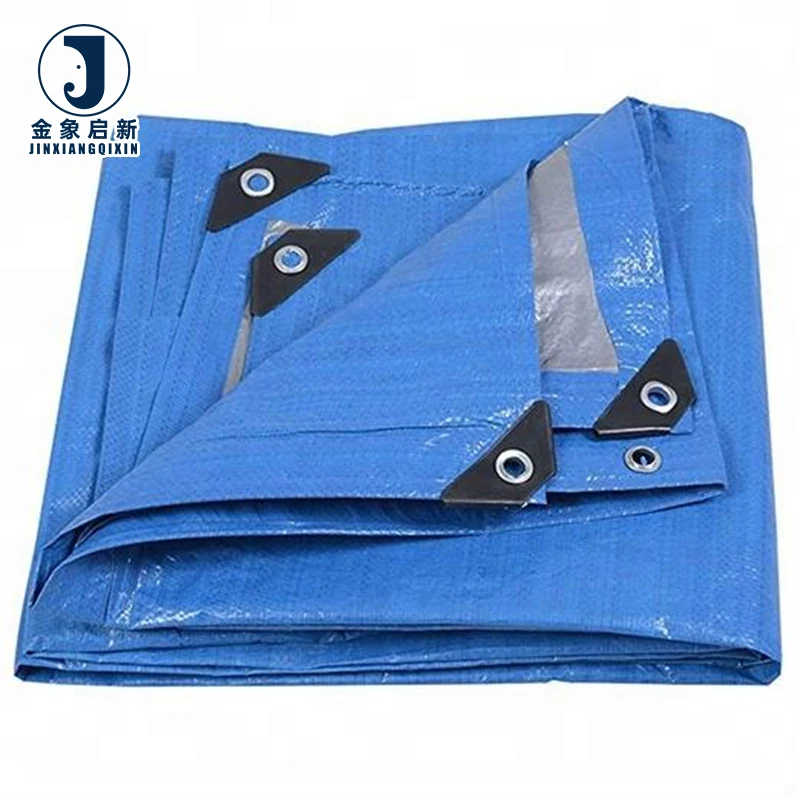
Deep process control over coating weight and adhesion — every PE tarpaulin roll produced undergoes stage-by-stage QA to ensure the coating thickness and bond strength remain consistent from core to outer wrap, verified before leaving the facility.
Technical Specifications
| Parameter | Value |
|---|---|
| Product Type | PE Tarpaulin |
| Material | HDPE woven base with PE coating |
| Coating Method | Woven coated |
| Surface Treatment | Anti-UV (test basis to be confirmed with spec sheet) |
| Waterproof | Yes, fully coated construction |
| Mildew-Proof | Yes |
| Flame Retardant | Fireproof grades available — confirm the grade required for your market |
| Color | Customizable options available |
| Size | Custom width and length per order |
| Assembly | Roll form |
Application Suitability
| Application | Exposure & Requirement |
|---|---|
| Industrial site and equipment covers | Constant weather exposure, wind loading, abrasion from contact with machinery surfaces |
| Temporary construction shelters | Sun and rain exposure, frequent assembly and teardown, UV degradation risk |
| Truck and vehicle load protection | Road debris impact, high-speed wind flutter, UV exposure during transit |
| Outdoor event canopy fabric | Crowd safety requirements, sustained sun exposure, mildew in humid conditions |
| Tent and awning fabrication | Cutting and welding precision, color consistency across panels, long-term UV stability |
Why Roll-to-Roll Consistency Matters More Than Quoted GSM
Buying PE tarpaulin roll custom stock on GSM alone leaves you exposed to material that arrives lighter than the quotation stated.
Procurement teams in transport and construction often receive rolls where the average GSM matches the paperwork but the coating distribution is uneven — heavier at the edges, thinner in the centre where the load flexes most. When that thin zone meets a weld line, the seam fails before the fabric does. [NEED_CITE: tensile and tear test methods for coated fabrics per ISO 1421] I have seen coated PE rolls pass a spot-weight check at the factory yet still underperform on site because the base fabric denier was substituted for a lighter grade without notification. The coating compensated for the weight, but the structural strength was not there.
Ventilation and Shelter Fabric for Specialist Sites
Mining, tunnelling, and aviation maintenance operations require cover materials that perform under sustained environmental stress. PE tarpaulin roll custom orders for these environments must account for continuous UV exposure, chemical contact from dust and exhaust residues, and the mechanical fatigue of wind-induced flutter. The woven coated construction in this range provides a base fabric that holds its dimensional stability when cut and welded into site-specific shelter configurations.
Matching the Roll to the Compliance Environment
Specialist contractors operate under fire safety and ventilation regulations that vary by jurisdiction. When PE tarpaulin is specified for temporary enclosures in mining or construction ventilation corridors, the flame retardant grade must match the local standard — not just carry a generic claim. Fireproof grades are available in this product range; the specific classification and test basis should be confirmed against your site requirements before production begins. [NEED_CITE: fire classification standards for temporary structures in mining and construction]
Understanding the Specs That Actually Determine Field Performance
GSM tells you the weight per square metre, but it does not tell you how that weight is distributed between base fabric and coating. A PE tarpaulin with a heavy coating over a low-denier base fabric may weigh the same as one with a lighter coating over a tighter weave, yet the tear propagation behaviour will be entirely different. The woven coated method used here bonds PE to an HDPE woven substrate, which affects how the material responds to heat welding — the melting point compatibility between coating and base enables strong weld seams when correct temperature profiles are applied. Anti-UV treatment extends outdoor service life, but the test basis and additive concentration determine whether that protection lasts through one season or several. Mildew-proof formulation addresses fungal growth in humid storage or tropical deployment, reducing material degradation at fold lines and contact points.
The Cost of Unverified Material Claims on Specialist Projects
When anti-UV treatment is claimed without a supporting test report, the material may degrade within months under direct sun — not years. On a mining ventilation project or a long-term construction shelter, early UV breakdown means the coating becomes brittle, cracks propagate from fold lines, and the entire cover must be replaced while the structure is still in use. Similarly, rolls that vary in colour within a single shipment become visible the moment panels are installed side by side on an event canopy or awning. [NEED_CITE: UV degradation testing standards for polyethylene coated fabrics] Batch inconsistency forces the fabricator to sort and reject panels, adding labour cost and delaying project handover.
Why Procurement Teams Source This Range Here
Deep coating process control means GSM and adhesion are managed at every production stage, not just checked at the end. Three full production lines and 36 sets of professional equipment support the volume capacity needed for container-scale roll orders with reliable on-time delivery. A 10-person R&D team handles custom width, colour matching, and sample development in-house — samples for PE tarpaulin roll custom specifications are typically developed within days, not weeks. Dedicated QA and QC at every production stage includes 100% inspection before shipment, documented in a pre-shipment record. ISO and CE certified production provides the documentation foundation that specialist contractors and importers require for project compliance.
Documentation & Verification
- Material specification sheet stating GSM, base fabric type, and coating method for every roll
- UV test report supplied with applicable anti-UV grades upon confirmation
- Weight verification per roll against the stated GSM before dispatch
- ISO and CE certificates available to support project compliance submissions
- Pre-shipment inspection record showing 100% quality check with documented results
- Roll packing list with customs documentation for international shipment
Fabrication, Handling & Storage
- Heat welding temperature profiles must match PE coating melt point — test on roll offcuts before full production
- Store rolls upright on cores to prevent flat spots and permanent creasing in the PE coating
- Cut panels with allowance for thermal expansion in outdoor PE tarpaulin installations exposed to sun
- Avoid dragging rolls on unprotected surfaces to prevent abrasion damage to the outer coating layer
- Clean mildew-proof treated surfaces with neutral pH agents to preserve the anti-fungal formulation
- Allow cold-stored rolls to reach ambient temperature before unrolling to prevent coating crack at fold lines
What to Include with Your Enquiry
Specify the ventilation, shelter, or cover application and the environmental conditions the material will face — including UV exposure duration, wind loading, and any fire safety classification required by your site or jurisdiction. Confirm the roll width, length, and colour you need, and whether you require flat roll stock for your own fabrication or any pre-cutting. If your project demands a particular flame retardant grade, state the standard so that the correct formulation is quoted and tested.
Frequently Asked Questions
Q: How is GSM verified on arrival and what documentation supports the quoted weight?
A: Every roll undergoes weight verification against the stated GSM during pre-shipment inspection. A documented inspection record accompanies the shipment. The material specification sheet lists the base fabric and coating breakdown so you can cross-check the construction, not just the total weight, on receipt.
Q: What UV test basis underpins the anti-UV claim and how does it translate to service life?
A: Anti-UV treatment is applied during coating, and the specific test basis is confirmed on the spec sheet for your order. Service life depends on installation angle, latitude, and exposure duration. Request the test report for your batch to evaluate suitability against your project timeline and environmental conditions.
Q: Can custom widths, colours, and roll lengths be produced with batch-to-batch consistency?
A: Yes. The R&D team develops samples for custom PE tarpaulin roll specifications within days, and production runs are managed across three lines with stage-by-stage QA. Colour reference is confirmed before production, and consistency is checked throughout the run to ensure uniform appearance across all rolls in your order.
Q: What fireproof or flame-retardant grades are available and which standards do they meet?
A: Fireproof grades are available within the PE tarpaulin range, but the specific classification depends on your market requirements. State the standard or regulation your project must meet — such as a mining ventilation code or construction fire classification — and the appropriate grade will be quoted with supporting test documentation.
Q: How are welded seams tested to ensure they do not fail before the base fabric?
A: Weld seam integrity depends on correct temperature matching between coating layers and adequate bond width. During production, peel tests are conducted on sample welds to verify that the seam strength meets or exceeds the base fabric tear strength. Fabrication guidance is provided to help your team replicate reliable welds during final cover assembly.