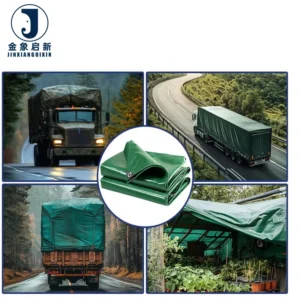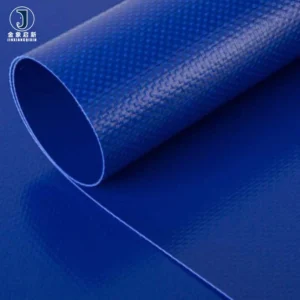
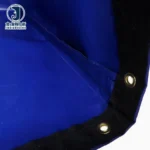
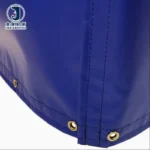
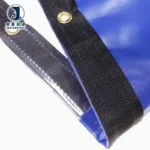
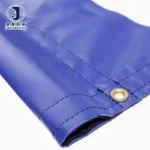
Precision coating control — nearly 30 years of coated fabric process expertise ensures every roll meets the exact GSM, coating adhesion and fire performance your project specification demands.
Technical Specifications
| Parameter | Value |
|---|---|
| Product Type | Custom PVC Tarpaulin Truck Cover |
| Material | PVC Coated Fabric |
| Weight (GSM) | 250gsm–1500gsm |
| Base Fabric Denier | 200D×300D, 500D×500D, 840D×840D, 1000D×1000D |
| Coating Material | PVC |
| Finish | Glossy or matte |
| Color Options | Blue, yellow, black, green, white, or custom |
| Size | 3x4m, 6x8m, 8x10m, 10x12m or custom made |
| Temperature Range | -15°C to 70°C |
| UV Treatment | Customized (test basis not stated in source — confirm the grade required for your market) |
| Flame Retardant | Available in flame retardant grades — confirm the grade required for your market |
| Anti-Fungal | Treated |
| Waterproof | Yes |
| OEM/ODM | Accepted |
| Standards | ISO, CE |
Application Suitability
| Application | Exposure & Requirement |
|---|---|
| Truck and trailer load covering | Continuous road vibration, wind flap, rain, UV exposure, abrasion at tie-down points |
| Logistics fleet cargo protection | Repeated deployment and folding, varied climate exposure across routes |
| Construction equipment transport | Heavy loads, dust, debris impact, site chemical splash |
| Outdoor cargo weather protection | Long-duration sun, rain and temperature cycling, puncture risk from load edges |
Why "Fire Retardant" Without a Test Report Is a Liability
A flame retardant truck cover only matters if the test certificate matches the standard your job site requires.
Fleet operators and transport contractors routinely specify fire retardant truck cover solutions for routes passing through tunnels, ports or enclosed depots. Yet when the fabric arrives, the paperwork often lists a generic "FR treated" claim with no test method, no classification grade and no issuing laboratory. Site inspectors reject the load. The truck sits idle. The contractor sources a replacement at short notice and pays a premium [NEED_CITE: fire classification standards for transport covers in enclosed infrastructure]. A verified test report matched to the specific standard your market enforces is the difference between compliance and a rejected delivery.
Weld Integrity at Flex Points on Truck Covers
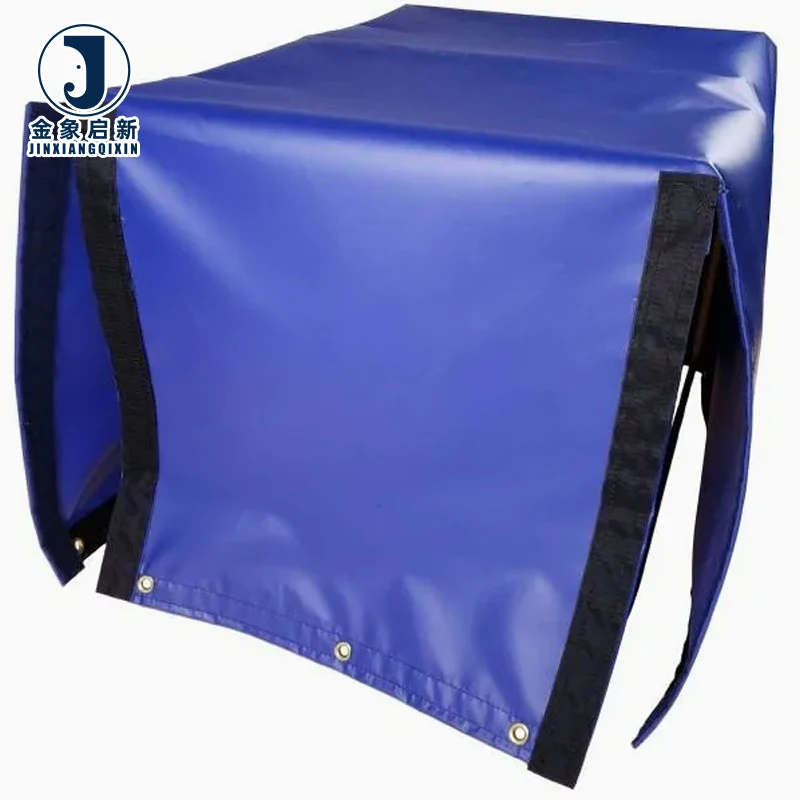
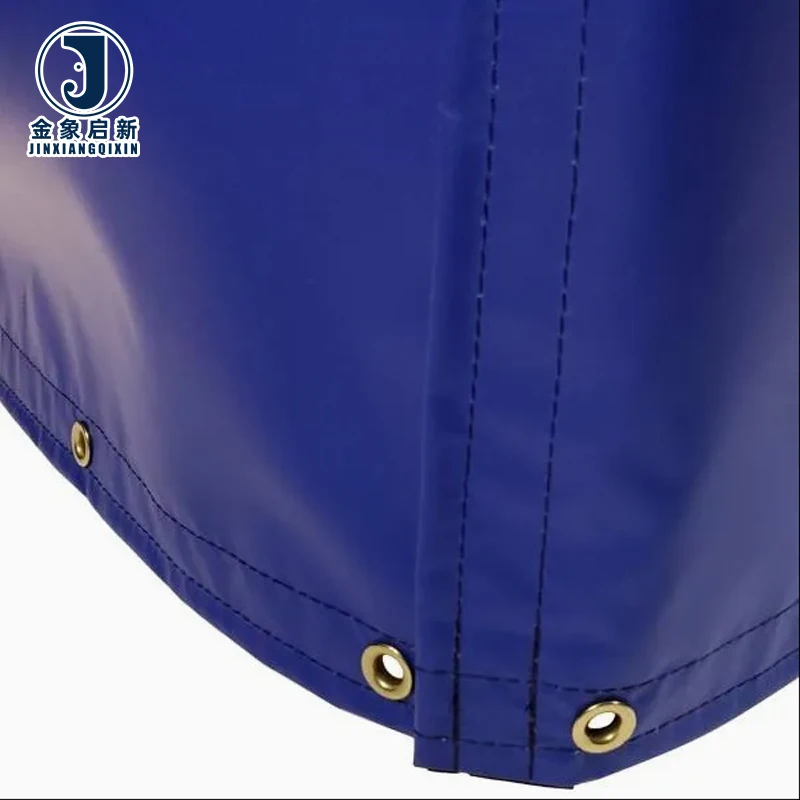
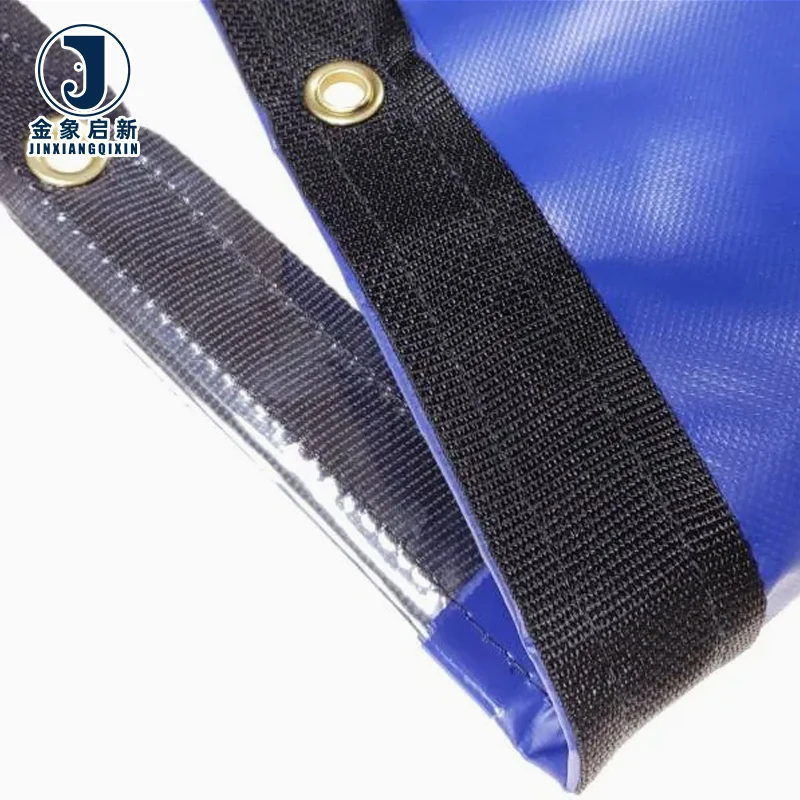
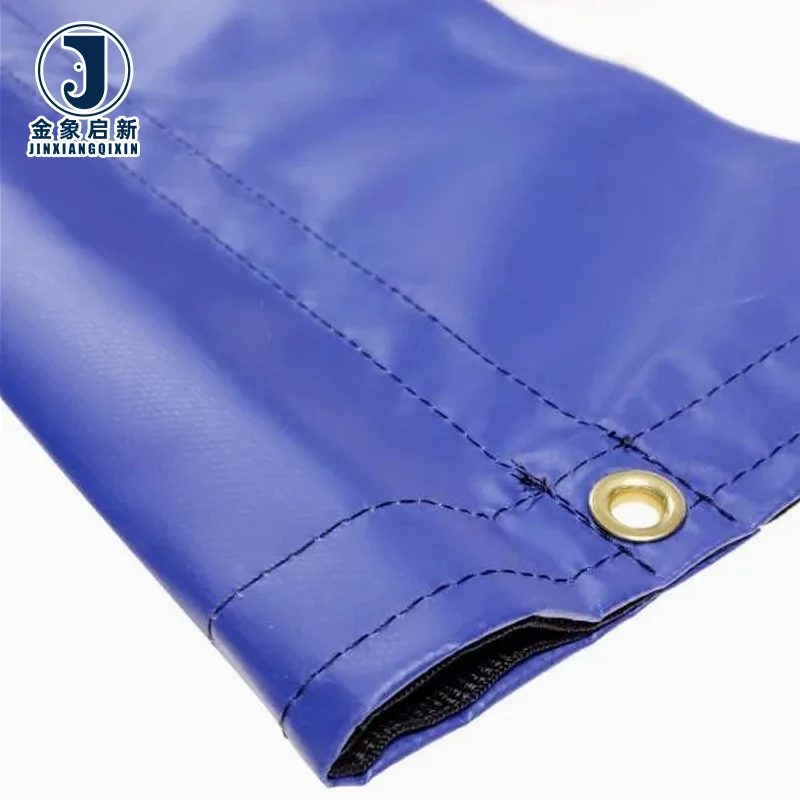
Truck and trailer covers flex constantly under road vibration and wind load. The welded seams at corners and tie-down zones carry the highest stress concentration on the entire cover. If the PVC coating adhesion to the base fabric is inconsistent, the weld line delaminates before the fabric body shows any wear. Glossy and matte finish options are available to match the welding parameters your fabrication setup requires, and every seam is inspected against adhesion failure before dispatch.
Sizing Accuracy for Model-Specific Trailer Fitment
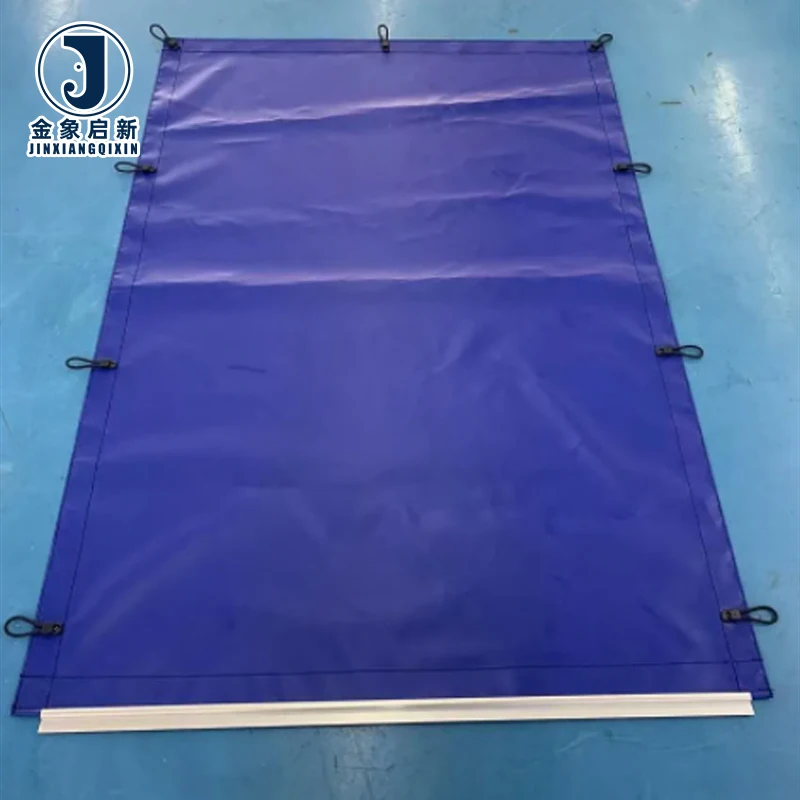
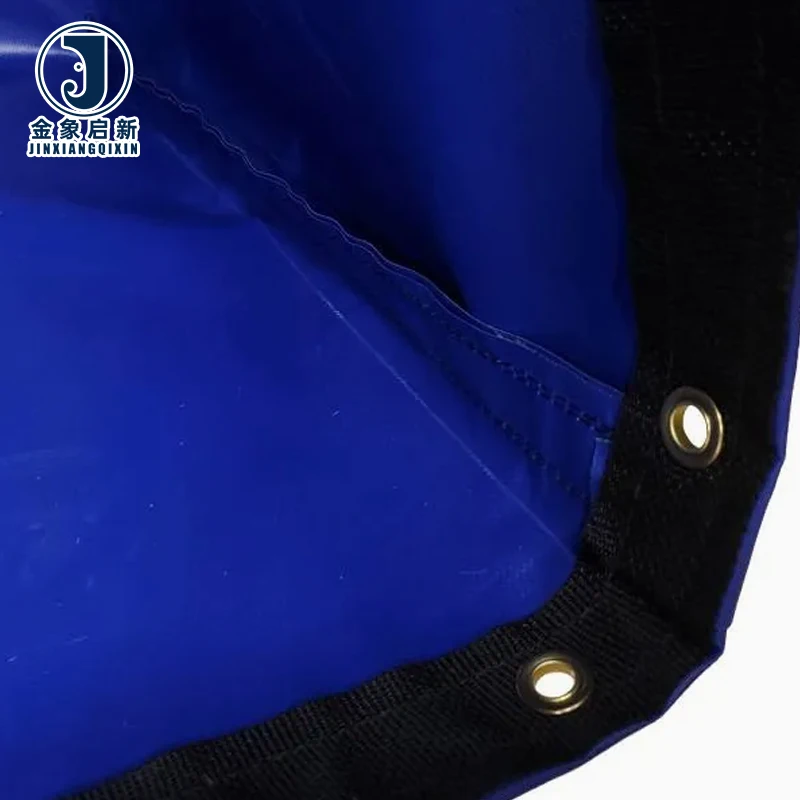
A generic-cut cover leaves excess material flapping in the wind or falls short at the rear edge, exposing cargo to weather. Each fire retardant truck cover is cut to the specific trailer model dimensions you provide, with tie-down eyelet placement aligned to the chassis rail positions. Reinforced hems distribute the load across a wider fabric area, preventing the edge tearing that generic covers develop within the first season of use [NEED_CITE: tensile and tear test methods for coated fabrics per ISO 1421].
Reading the Specification Sheet Beyond GSM
GSM tells you how much coating and base fabric are in each square metre, but it does not tell you how those grams are distributed. A 200D×300D base fabric with a heavy coating layer may reach the same GSM as a 1000D×1000D base with a thinner coat, yet the tear propagation resistance and tensile behaviour are fundamentally different. The denier selection determines how far a puncture or cut will spread before the weave arrests it. The PVC coating weight governs waterproofness, weld behaviour and surface durability. When specifying a fire retardant truck cover, matching the base fabric denier to the mechanical load the cover will experience is as important as confirming the total weight grade.
The Hidden Cost of Untested Treatment Claims
A truck cover that claims UV treatment without a supporting test report may chalk and embrittle on one side of a season, depending on the route climate and sun angle. Anti-fungal treatment that has not been verified for the humidity conditions inside a closed trailer may allow mildew to form between the fabric and the cargo surface. Flame retardant treatment without a grade classification leaves your compliance position unverified until the site inspector asks for the certificate. These failures rarely show up on the pre-shipment sample — they appear months later, across an entire fleet [NEED_CITE: DIN 4102 fire classification for building and transport materials].
Why Source Your Truck Cover Fabric Here
Three full production lines and 36 sets of professional equipment provide the capacity to deliver container-volume orders with consistent batch quality across every roll. A dedicated 10-person R&D team handles custom sizing, colour matching and pattern printing, developing samples within days for your approval before bulk production runs. Every production stage has dedicated QA oversight, with 100% inspection before shipment ensuring the GSM, colour and treatment grade on each roll match your purchase order specification. Fire retardant and anti-static test documentation is matched to your site requirement and included in the shipping package.
Documentation & Verification
- Material specification sheet stating confirmed GSM, base fabric denier, coating type and colour reference for each production run
- Flame retardant and UV test reports matched to the standard your market requires, issued per batch
- ISO and CE certificates included in the documentation package
- Pre-shipment inspection record confirming weight, dimensions and treatment grade against your order
- Roll packing list with individual roll identification for traceability
Fabrication, Handling & Storage
- Heat welding parameters should be adjusted to the selected glossy or matte finish to achieve consistent seam adhesion across PVC coated fabric panels
- Reinforced hems at tie-down zones distribute load across the base fabric denier structure, reducing edge tear propagation risk
- Store rolls horizontally on pallets in dry conditions to prevent creasing that becomes permanent on heavy GSM grades
- Avoid deploying covers below -15°C where PVC stiffening increases the risk of fold-line cracking during handling
- Clean surfaces with mild detergent only; solvent-based cleaners may degrade the anti-fungal treatment layer on the coating
What We Need to Prepare Your Quotation
Provide the specific trailer model or exact cover dimensions, the GSM weight grade you require and the base fabric denier suited to your load profile. Confirm whether your market mandates a specific flame retardant standard or if UV and anti-fungal treatments are required for the route climate. Let us know if you need finished covers with hem and eyelet reinforcement, or if you are purchasing roll stock for your own fabrication facility.
Frequently Asked Questions
Q: What fire retardant grades can you supply for truck covers, and which test standard applies?
A: Fire retardant truck covers are available in multiple treatment grades. The applicable test standard depends on your market and the compliance requirements of the routes or facilities where the truck operates. Share the specific standard your project requires — such as a national fire classification or transport authority specification — and the corresponding test report will be included with your shipment documentation.
Q: How do I specify the exact cover size for my trailer model?
A: Provide the trailer manufacturer, model designation and overall load bed dimensions including any side rail or headboard height. If the cover wraps around a curtain-side structure, include the curtain track positions and any cutout requirements. Our R&D team will produce a dimensional drawing and sample for your approval before bulk production begins.
Q: Can you match colour consistently across multiple covers in a single fleet order?
A: Colour consistency across rolls in the same production batch is controlled through inline monitoring during the PVC coating process. For fleet orders requiring side-by-side visual uniformity, all covers are produced from the same coating run. A colour reference sample is submitted for your approval before the full order enters production.
Q: How are welded seams tested for durability at high-stress flex points?
A: Welded seams on truck covers are subjected to peel and adhesion tests during the in-process QA stage. The weld integrity is verified against the base fabric denier and coating weight to confirm the seam will not fail before the fabric body under repeated flexing. Any panel that does not meet the adhesion threshold is rejected before assembly continues.
Q: What documentation is included with a certified fire retardant truck cover order?
A: Each shipment includes a material specification sheet with confirmed GSM, base fabric denier and treatment grade, the applicable fire retardant test report, ISO and CE certificates, a pre-shipment inspection record and a roll packing list. All documents are matched to your purchase order number for full traceability through your compliance system.