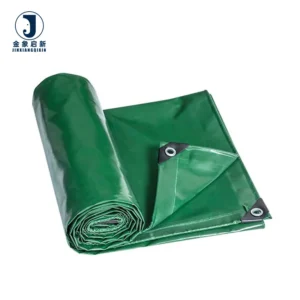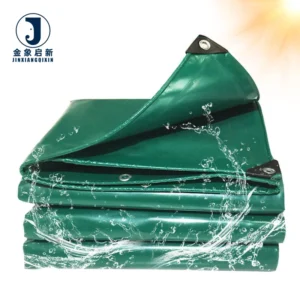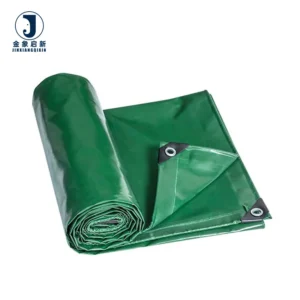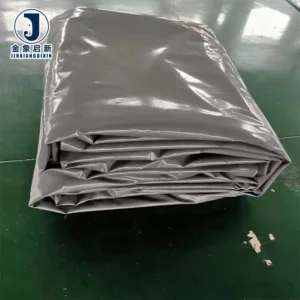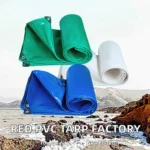
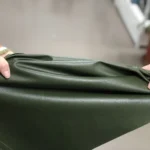
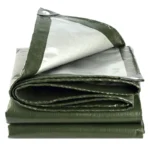

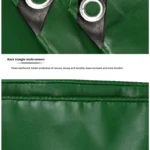
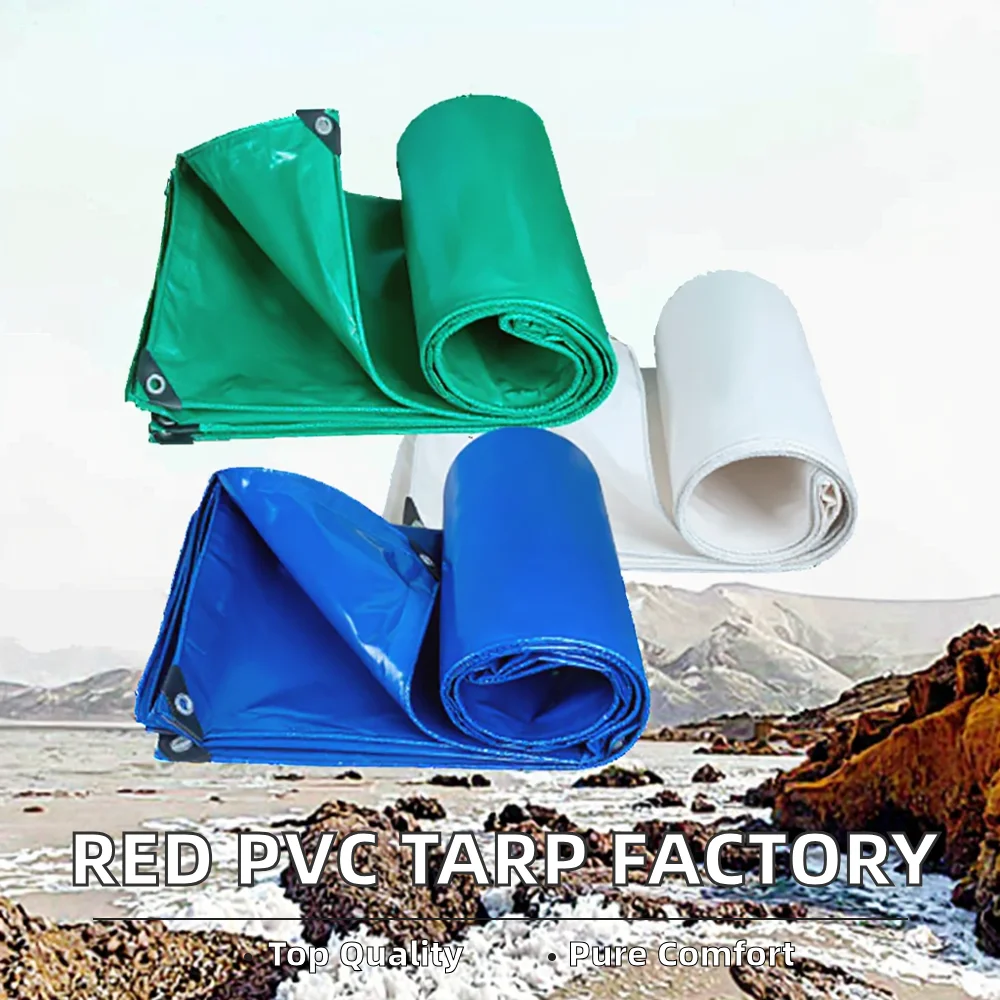
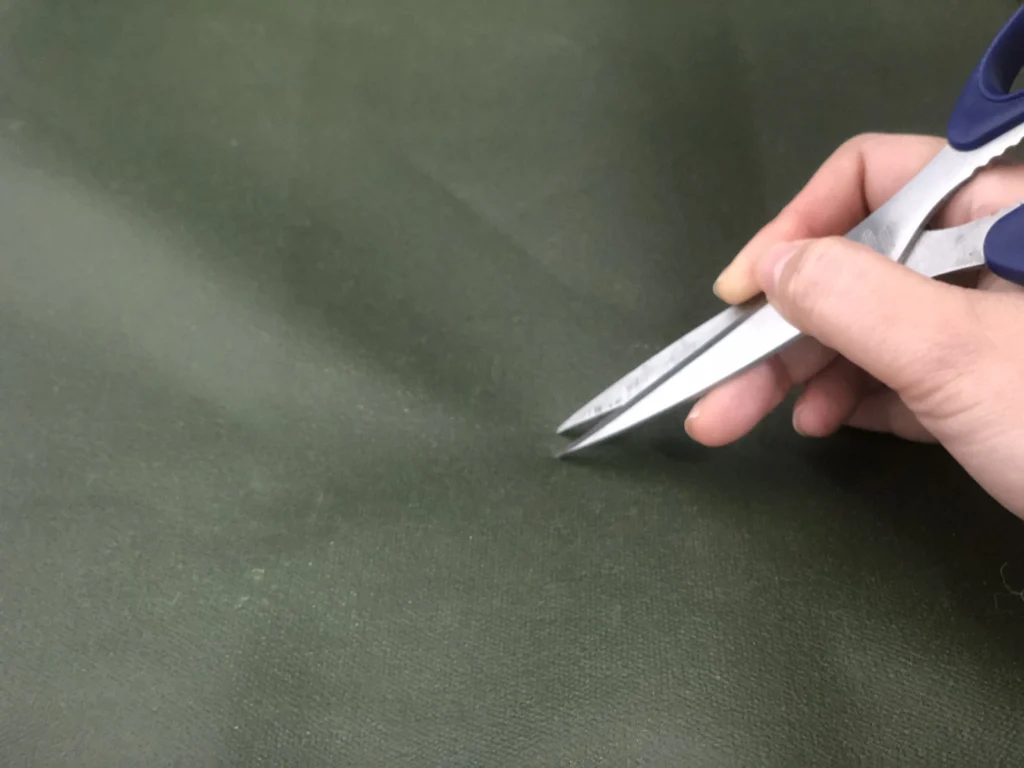

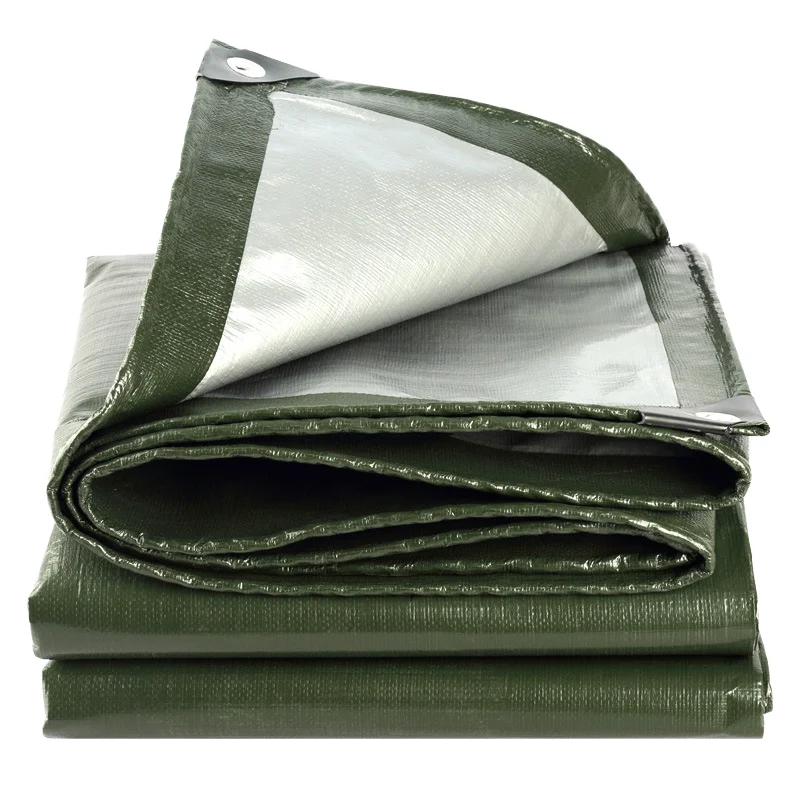
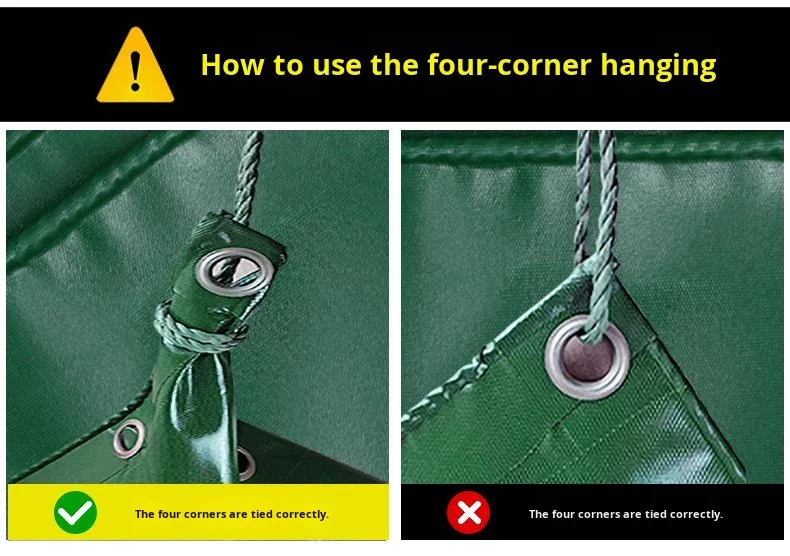
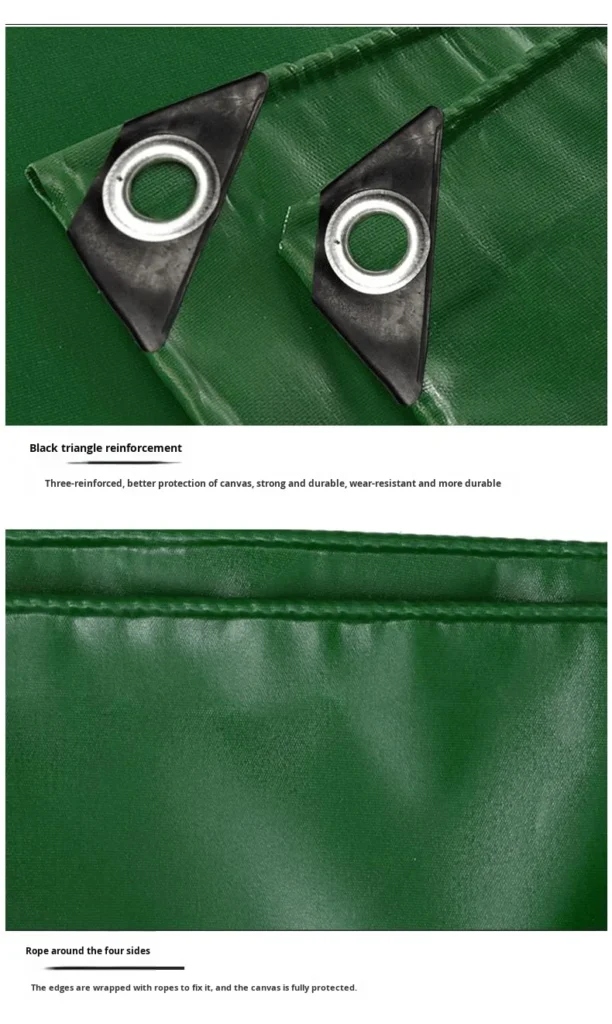
Process-Controlled Coating — Three dedicated production lines maintain uniform PVC adhesion across the full roll width for specialist-grade ventilation duct fabric.
Technical Specifications
| Parameter | Value |
|---|---|
| Product Type | PVC Coated Tarpaulin Fabric |
| Material | PVC Coated Polyester |
| Base Fabric Denier | 1000×1000 |
| Coating Method | Knife Coated |
| Flame Retardant | Available (grade not stated — confirm the standard required for your market) |
| Anti-Static | Available (standard not stated — request test basis before ordering) |
| Anti-Cold | Available |
| Anti-Mildew | Available |
| Waterproof | Fully waterproof coated construction |
| Custom Size | Available in custom widths and lengths |
| Certifications | ISO, CE |
Application Suitability
| Application | Exposure & Requirement |
|---|---|
| Mining ventilation ducts | Sustained airflow pressure, particulate abrasion, mandatory fire-retardant and anti-static compliance underground |
| Tunnelling duct systems | High humidity, confined-space fire safety regulations, mechanical wear from duct expansion and contraction |
| Aviation hangar ventilation | Regulatory fire classification for enclosed aircraft maintenance areas, chemical exposure from fuels and solvents |
| Membrane and inflatable structures | Wind load and structural tension, long-term UV exposure, weld integrity under dynamic stress |
| Construction site ventilation | Temporary installation and removal cycles, outdoor weather exposure, dust and debris contact |
What "Certified" Means When the Test Report Never Arrives
A ventilation duct fabric is only compliant if the fire-retardant and anti-static test reports match the standard your site inspector requires.
Procurement teams specify PVC coated fabric for industrial ventilation duct on paper, then discover at delivery that the flame retardant certificate references a standard the local authority does not recognise. The duct passes visual inspection but fails the compliance audit. Rework begins: tear down, reorder, wait. [NEED_CITE: DIN 4102 fire classification for building materials] The same pattern repeats with anti-static requirements in mining environments where surface resistivity must fall within a defined range to prevent ignition hazards.
Coating Adhesion Under Duct Pressure Loads
Knife coating deposits a controlled PVC layer onto the 1000×1000 denier polyester base, producing consistent film thickness across the full roll width. This uniformity matters when fabricators heat-weld seams along duct lengths. Inconsistent coating thickness creates cold spots where weld penetration is incomplete, and those joints become the first failure points when the duct pressurises. PVC coated fabric for industrial ventilation duct must hold its seam strength through thousands of pressure cycles.
Treatment Specification and Regulatory Alignment
Flame retardant and anti-static treatments are available, but the grade must be matched to the regulatory framework governing the installation site. Mining projects in different jurisdictions mandate different fire classification standards. Aviation hangar ventilation systems follow separate protocols entirely. [NEED_CITE: tensile and tear test methods for coated fabrics per ISO 1421] Requesting the test report before placing the production order eliminates the gap between what the quotation promises and what the compliance officer accepts.
Reading the Specification Sheet Correctly
The 1000×1000 denier base fabric provides the structural backbone. Denier describes the yarn thickness in both warp and weft directions, and when those values are balanced, the fabric resists tear propagation evenly in all directions. Knife coating bonds the PVC to this base under controlled tension, which gives the material its dimensional stability during fabrication. Anti-cold treatment extends the service temperature range downward so the PVC does not become brittle during winter installations or high-altitude mining operations. Anti-mildew treatment protects rolls stored in humid conditions before fabrication begins.
The Cost of Undocumented Treatment Grades
When flame retardant treatment is claimed without a specific grade, the fabric may pass one standard and fail another. A batch installed in a tunnel ventilation system passed the initial inspection, then a subsequent audit revealed the test report referenced an outdated classification. [NEED_CITE: regulatory standards for fire-retardant materials in underground mining ventilation] The entire duct run required replacement. Anti-static performance follows the same logic: without a documented surface resistivity measurement, there is no way to confirm the fabric meets the ignition-prevention threshold the site safety plan demands.
Why Fabricators Source This Material Here
Coating weight and adhesion are controlled through dedicated process monitoring on three full production lines, reducing roll-to-roll variation that causes problems during heat welding. A 10-person R&D team develops samples within days when custom widths, treatment combinations, or GSM grades are required. [NEED_CITE: coating adhesion and peel strength testing for PVC coated polyester fabrics] Every roll undergoes 100% inspection before dispatch, catching treatment inconsistencies that would otherwise surface during fabrication or site installation. ISO and CE certifications accompany the shipment documentation, giving fabricators the paperwork needed for compliance submissions.
Documentation & Verification
- Material specification sheet confirming base fabric denier, coating method, and selected treatment grades
- Test reports for flame retardant and anti-static grades matched to site-specific regulatory standards
- ISO and CE certificates included in shipment documentation package
- Pre-shipment inspection record verifying treatment application and roll-to-roll consistency
- Roll packing list with individual roll identification for traceability
Fabrication, Handling & Storage
- Heat-weld temperature and dwell time must match the knife-coated PVC thickness for full seam penetration
- Store rolls horizontally on pallets to prevent edge compression marks on the coated surface
- Allow anti-cold treated rolls to acclimatise before unrolling in low-temperature fabrication shops
- Clean finished ducts with pH-neutral solutions to preserve anti-mildew treatment on the PVC surface
- Plan cut layouts to minimise offcuts when working with custom-width rolls for large-diameter ducts
Specifying Your Ventilation Duct Fabric
Provide the duct diameter, operating pressure range, and the fire-retardant and anti-static standards your jurisdiction enforces. Indicate whether you need rolls in standard widths or custom widths cut to your duct circumference, along with estimated annual volume. If the installation environment involves low temperatures or high humidity, note that so the appropriate treatments can be confirmed before sampling.
Frequently Asked Questions
Q: What fire-retardant and anti-static certifications are available for this fabric?
A: Flame retardant and anti-static treatments are available, but the specific grade must be confirmed against your project requirements. Standards such as M2, B1, NFPA 701, and DIN 4102 cover different markets and applications. Request the applicable test report during the specification phase so compliance is verified before production begins.
Q: Can the fabric be supplied in custom widths to match specific duct diameters?
A: Yes. Custom widths are available to match duct circumference requirements, reducing the number of longitudinal welds needed during fabrication. Provide the target width along with roll length preferences, and the R&D team will confirm feasibility and minimum order quantities within days.
Q: How is coating weight and GSM verified before shipment?
A: Every roll is sampled and measured during the pre-shipment inspection process. The verified GSM is recorded on the inspection report and compared against the material specification sheet agreed at the order stage. Any deviation outside tolerance triggers a review before dispatch.
Q: What test reports are provided with flame-retardant and anti-static grades?
A: Test reports are issued based on the specific grade and standard agreed during specification. These documents accompany the shipment alongside ISO and CE certificates. The reports reference the test method used, allowing site compliance officers to cross-check against their regulatory requirements.
Q: Is batch colour and thickness consistency guaranteed across multiple rolls?
A: Roll-to-roll consistency is verified through 100% pre-shipment inspection covering coating thickness, colour uniformity, and treatment application. Inspection records document individual roll measurements, giving fabricators confidence that large duct fabrication projects will produce visually and mechanically uniform results.