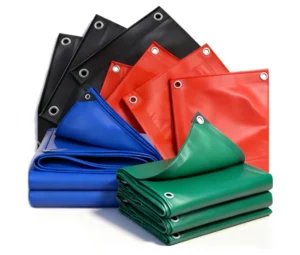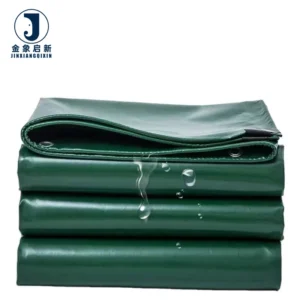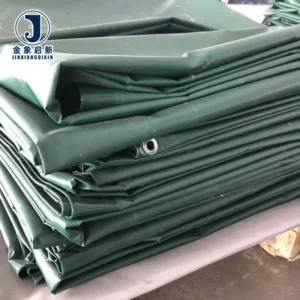
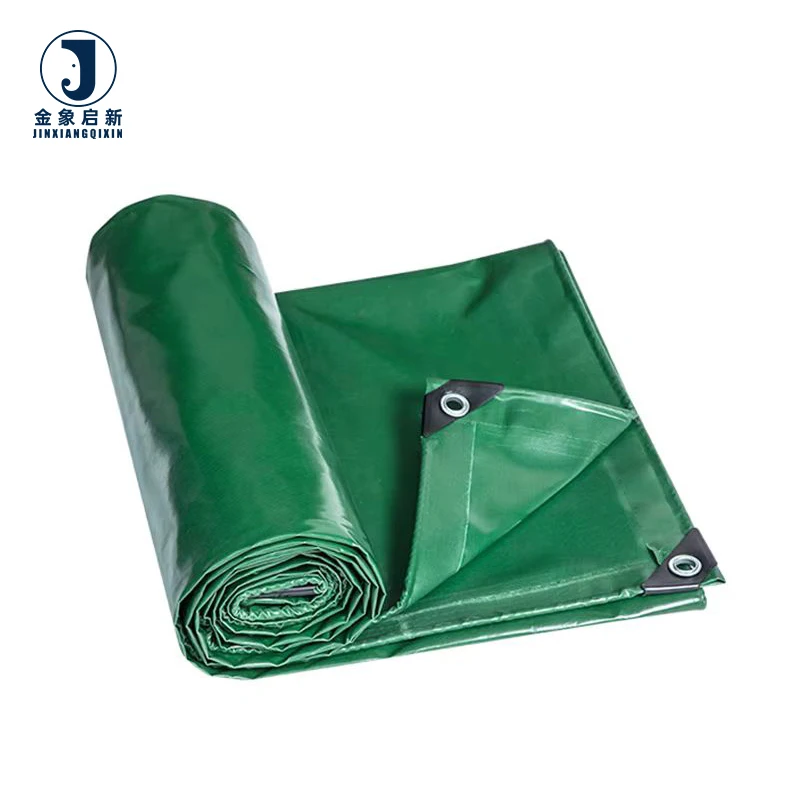
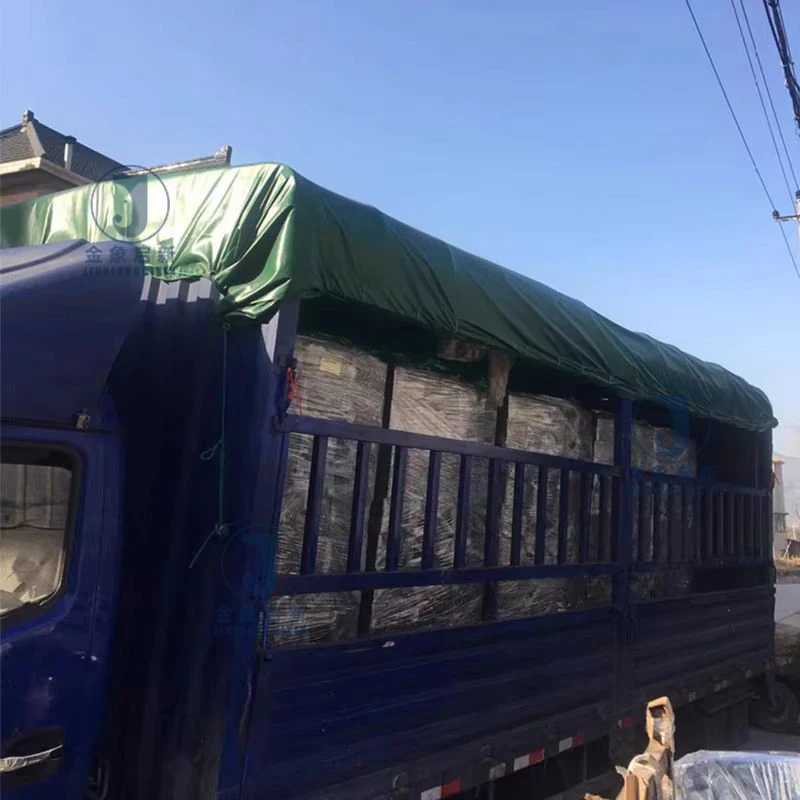
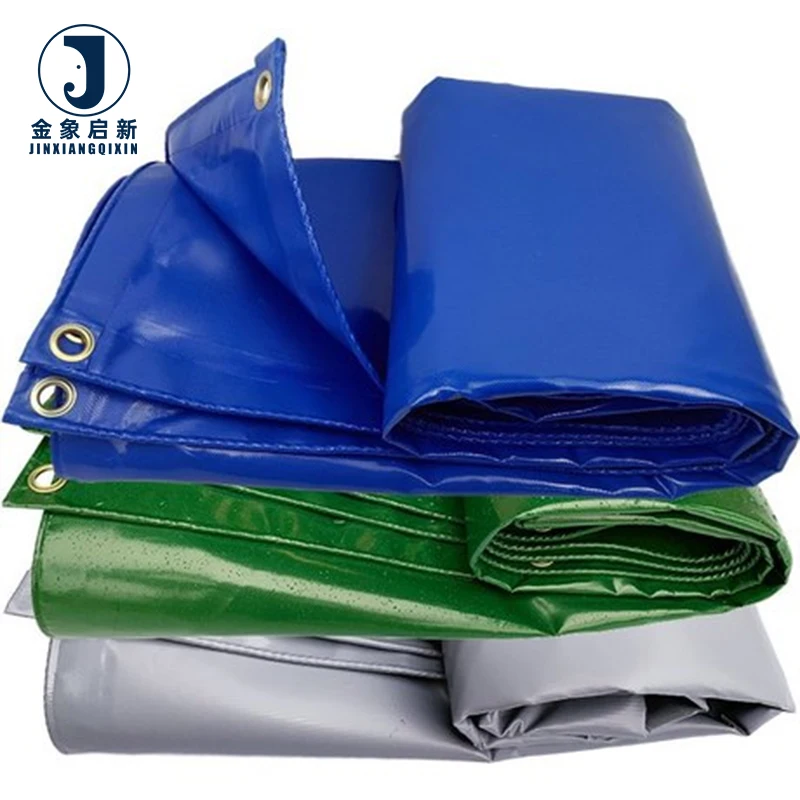
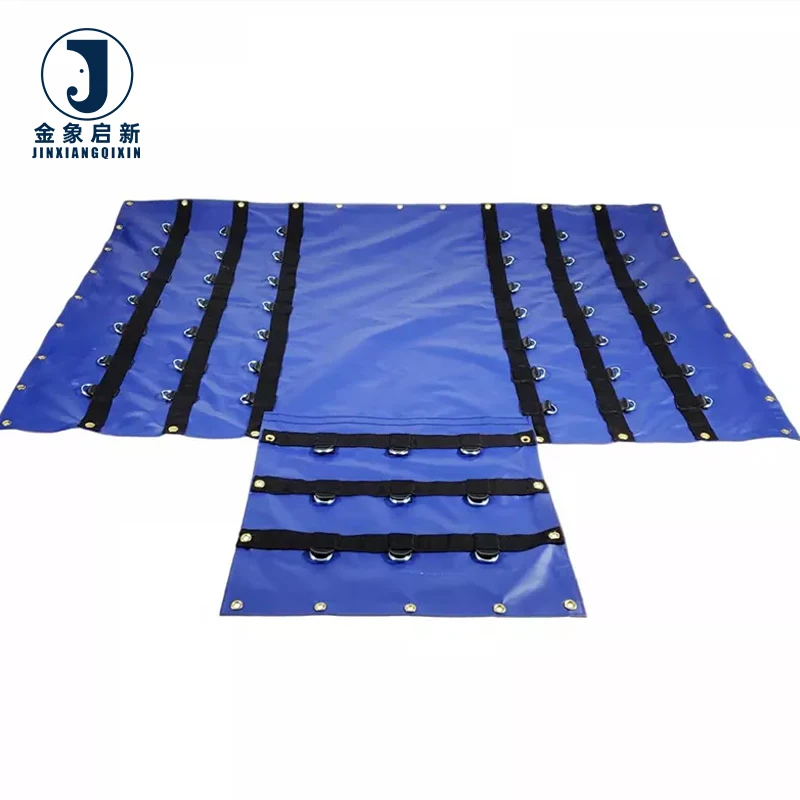
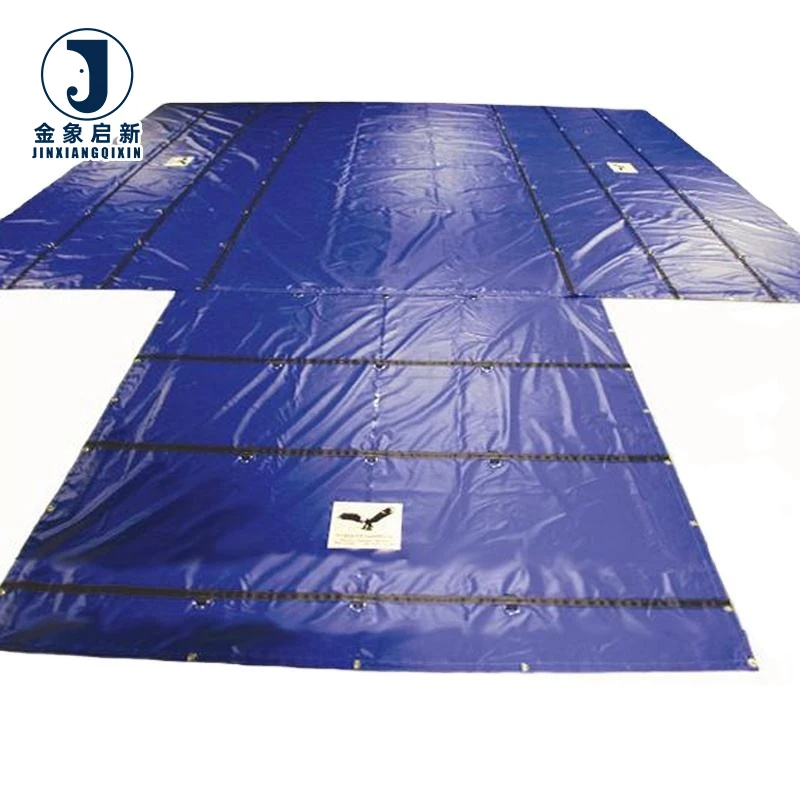
Proven Coating Control — Deep process mastery over PVC adhesion and weight consistency, backed by 36 sets of professional coating equipment ensuring every roll meets stated GSM.
Technical Specifications
| Parameter | Value |
|---|---|
| Product Type | PVC Coated Tarpaulin |
| Material | PVC Coated Fabric |
| Weight (GSM) | 500gsm, 600gsm |
| Coating Material | PVC |
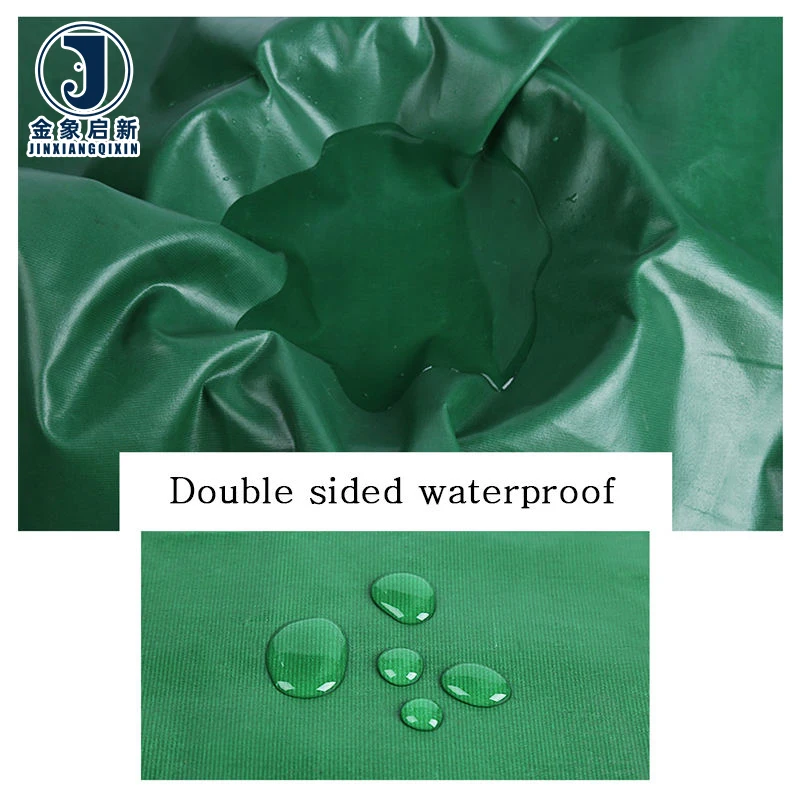
| Waterproof | Yes, fully coated construction |
| Flame Retardant | Available (grade to be confirmed per project requirement) |
| Anti-Static | Available (test basis to be confirmed per project requirement) |
| Anti-Cold | Available |
| Anti-Mildew | Available |
| Assembly State | Roll |
| Standards | ISO, CE |
Application Suitability
| Application | Exposure & Requirement |
|---|---|
| Mining ventilation duct | Constant airflow pressure, underground humidity, mandatory fire-retardant and anti-static compliance |
| Tunnelling air duct | Abrasive dust, confined installation, continuous flexing under positive or negative pressure |
| Aviation hangar flexible duct | Fuel vapour proximity, large diameter construction, certified flame-retardant fabric requirement |
| Inflatable membrane structure | Biaxial tension, wind load cycling, weld seam integrity under dynamic stress |
| Temporary enclosure fabric | Weather exposure, rapid deployment, repeated folding and unfolding |
Why Specified Fire Ratings Fail at the Duct Seam
A certified fabric becomes non-compliant the moment the weld line fails the same fire test.
Ventilation ducts in mining and tunnelling projects require fire-retardant and anti-static PVC coated tarpaulin that passes site inspection — not just the base roll. The most common failure point is not the fabric body but the heat-welded seam, where coating chemistry changes during thermal joining can compromise the flame-retardant treatment. When the inspector cuts a sample from the finished duct and tests the weld, the entire installation can be rejected if the seam does not carry the same rating. Fire Retardant PVC Tarpaulin for Ventilation and Specialist Use demands verification at the seam level, not only on the roll certificate [NEED_CITE: fire classification testing for welded coated fabric seams in underground ventilation].
Coating Adhesion and Weld Integrity in Duct Fabrication
Fabricating ventilation ducts from PVC coated tarpaulin requires heat welding along longitudinal and circumferential seams. The coating must soften uniformly under hot air or wedge welding to form a bond that matches the base fabric tensile strength. Inconsistent coating weight across the roll surface causes uneven melt behaviour, leaving cold spots where the seam peels under duct pressure cycling. Fire Retardant PVC Tarpaulin for Ventilation and Specialist Use requires coating formulation that maintains thermal response consistency from edge to edge.
Anti-Static Performance in Explosive Atmospheres
Underground mining and tunnelling environments accumulate combustible dust and methane, making static discharge from duct surfaces a serious ignition hazard. Anti-static treatment in PVC coated fabric must reduce surface resistivity to levels specified by the mine safety authority. The treatment must remain effective after repeated duct flexing and surface abrasion from particulate-laden airflow. Confirming the test basis and measurement method for anti-static performance before production ensures the supplied Fire Retardant PVC Tarpaulin for Ventilation and Specialist Use matches the site’s compliance framework [NEED_CITE: anti-static test methods for ventilation duct fabrics in mining applications].
Reading the Specification Sheet Beyond GSM
Weight in GSM indicates total mass per square metre but does not alone define mechanical performance. A 500gsm fabric with a high-denier, tightly woven base cloth can outperform a 600gsm fabric built on a looser weave with heavier coating fill. For duct applications where biaxial tension and burst resistance matter, the base fabric denier and weave density determine how the material behaves under internal pressure. Coating weight contributes to abrasion resistance, waterproofing, and chemical protection of the yarn, while the yarn itself carries the structural load. Selecting between 500gsm and 600gsm should start with the duct diameter, operating pressure, and span between support rings rather than weight alone.
The Cost of Undocumented Treatment Grades
Shipping fabric to a mining site without a test report matched to the batch means the duct installer cannot present documentation to the safety inspector. Rejection at this stage forces either replacement shipment under extreme time pressure or on-site re-testing at the contractor’s expense. Anti-static and flame-retardant claims unsupported by batch-specific certificates create liability exposure for every party in the supply chain. Colour variation between rolls intended for visible membrane structures also triggers rejection when panels installed side by side show mismatched tones [NEED_CITE: batch consistency requirements for coated fabrics in specialist membrane structures].
Why Technical Buyers Source This Fabric Here
Coating weight and adhesion are controlled through process parameters monitored across three full production lines, maintaining GSM consistency from first roll to last in a production run. A dedicated ten-person R&D team develops material formulations and duct-specific samples, adjusting coating chemistry to meet target flame-retardant and anti-static grades. Every roll undergoes inspection before dispatch, with weight verification against the stated specification. Custom widths and lengths are produced to match duct diameter and section length requirements, reducing fabrication waste. Full documentation packages accompany each shipment, aligned with the compliance frameworks required at aviation, mining, and construction sites.
Documentation & Verification
- Material specification sheet stating GSM, base fabric denier, and PVC coating type for each roll
- Test report for flame-retardant grade matched to the production batch when applicable
- Anti-static surface resistivity test data linked to the specific order batch
- Pre-shipment inspection record with roll-by-roll weight and visual verification
- Certificate of origin and customs documentation for cross-border project delivery
Fabrication, Handling & Storage
- Hot air weld temperature must be calibrated to the 500gsm or 600gsm coating thickness to avoid cold seams or burn-through
- Store rolls upright on pallets to prevent flat spots that distort the PVC coating surface
- Allow cold-stored rolls to acclimatise before unrolling to prevent coating crack at low temperature
- Cut panels with allowance for weld overlap width to maintain duct diameter accuracy
- Use PVC-compatible adhesive for field repairs on anti-static treated surfaces to preserve conductivity
What to Include in Your Technical Enquiry
Specify the duct diameter, operating pressure range, and support ring spacing so the appropriate GSM grade can be recommended. State the fire-retardant classification and anti-static resistivity threshold required by your site safety authority. Indicate whether you need roll stock for your own fabrication facility or pre-cut panels with welded seams. Provide the target colour reference and any surface markings required for duct identification on site.
Frequently Asked Questions
Q: What flame retardant grade can you certify for mining ventilation duct?
A: Flame-retardant treatment is available in grades aligned with common mining ventilation standards. The specific grade must be confirmed against your site’s regulatory framework before production. We provide batch-matched test reports documenting the classification achieved, ensuring the fabric passes inspection when the safety officer reviews duct documentation on site.
Q: How is anti-static performance measured and documented?
A: Anti-static treatment reduces surface resistivity to meet specified thresholds for explosive atmospheres. The measurement method and acceptance limit vary by jurisdiction and mine safety authority. We supply test data linked to your production batch, allowing your compliance team to verify that the Fire Retardant PVC Tarpaulin for Ventilation and Specialist Use meets the resistivity values stated in your project specification.
Q: What is the difference between 500gsm and 600gsm for duct fabrication?
A: The choice between 500gsm and 600gsm depends on duct diameter, internal pressure, and span between support rings. Higher GSM generally offers greater puncture resistance and structural rigidity, while lighter grades reduce material cost and handling weight. Base fabric construction also influences performance, so we recommend reviewing both GSM and weave specification against your duct engineering requirements.
Q: Can the fabric be welded into duct shapes without seam failure?
A: PVC coating on this fabric is formulated for consistent thermal response during hot air and wedge welding. Properly calibrated weld parameters produce seams that maintain mechanical integrity under duct pressure cycling. We recommend weld testing on sample pieces from the actual production batch to confirm temperature and speed settings before full-scale duct fabrication begins.