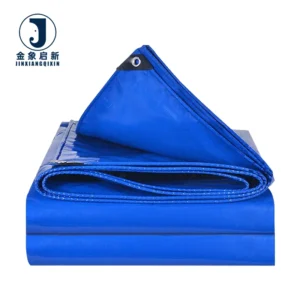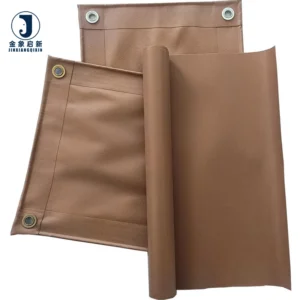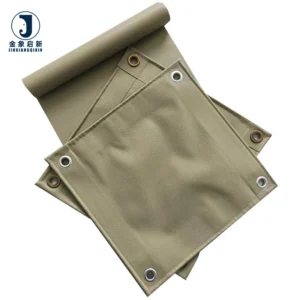
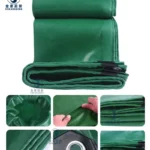
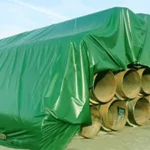
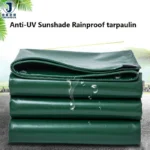
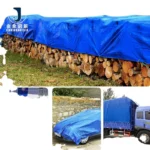

Coated fabric engineering — 30 years focused on PVC coating with three full production lines and dedicated QA at every stage, delivering fire-retardant and anti-static technical fabric for ventilation and specialist structure projects.
Technical Specifications
| Parameter | Value |
|---|---|
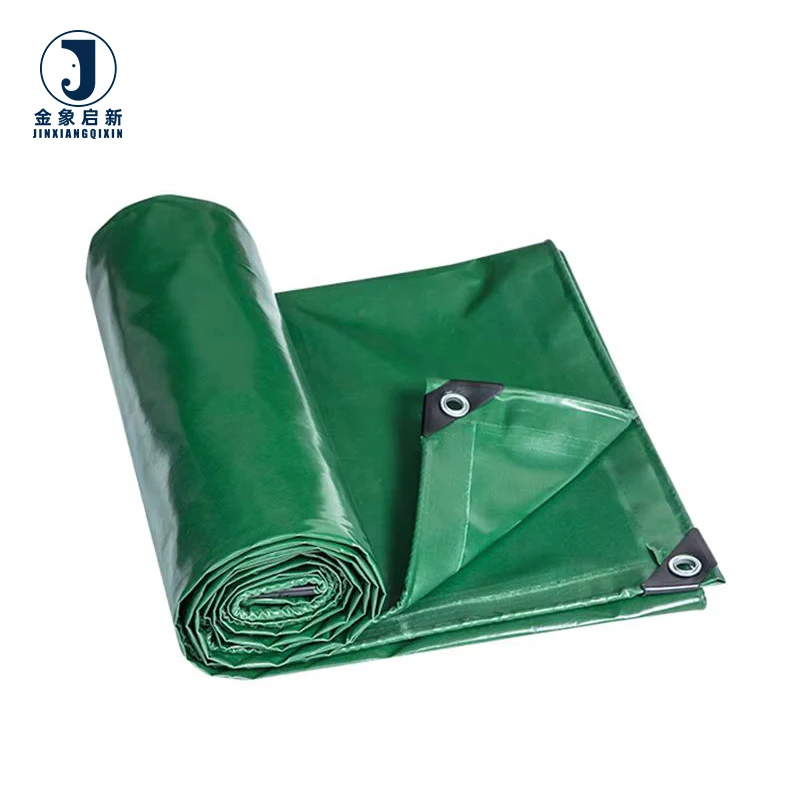
| Product Type | PVC Coated Tarpaulin Roll |
| Material | PVC Vinyl |
| Base Fabric | Woven Fabric |
| Coating Method | Knife Coated |
| Weight (GSM) | At least 450 grams |
| Properties | Waterproof, Tear-Resistant, Anti-UV treatment available |
| Surface Finish | Available in banner coated, black back coated options |
| Fire-Retardant Grades | Available — confirm the grade required for your site (e.g. M2, B1, NFPA 701) |
| Anti-Static Treatment | Available — surface resistance value confirmed per test report |
| Custom Sizing | Available in custom width and length |
| Standards | ISO and CE certified production |
Application Suitability
| Application | Exposure & Requirement |
|---|---|
| Mine and tunnelling ventilation ducts | Continuous airflow loading, rock dust abrasion, strict fire-retardant compliance on site |
| Inflatable and membrane structures | Tensile load under internal pressure, weather exposure, panel seam integrity |
| Aviation ground support covers | Outdoor weathering, fuel and hydraulic fluid splash, rapid deployment and folding |
| Construction site ventilation ducts | Temporary or semi-permanent installation, dust and moisture exposure, fire safety audit requirements |
| Industrial air duct fabrication | Repeated flex cycles at connection points, weld line strength matching fabric body |
What a Missing Fire-Retardant Certificate Costs on Site
PVC Coated Tarpaulin fire retardant and anti-static grades must carry documentation that matches the specification your project requires — a claim without a test report is a compliance gap.
When a ventilation duct arrives on a tunnelling site without the fire-retardant grade the safety officer has specified, work stops. The duct hangs unused while procurement sources a replacement, and the audit trail shows a gap that triggers broader inspection. I have seen heavy-grade coated rolls rejected at the gate because the material specification sheet stated "flame retardant" but the test report cited a standard that did not match the local regulation [NEED_CITE: fire classification standards for underground ventilation materials]. The same applies to anti-static requirements in mining environments where surface resistance values are written into the contract specification. Without a test result showing the measured value, the material cannot be signed off regardless of its actual performance.
Knife Coating and What It Means for Duct Fabrication
The knife coated construction deposits a controlled PVC layer onto the woven base fabric, producing consistent coating weight across the full roll width. For ventilation duct fabrication, this consistency matters at the weld line where two panels meet — uneven coating thickness causes hot spots during high-frequency welding and weak seams that fail before the fabric body does. A PVC Coated Tarpaulin produced this way gives fabricators a predictable welding window.
Meeting Compliance Without Guesswork
Mining and tunnelling contracts specify fire-retardant grades by standard — M2 in French-regulated markets, B1 under DIN 4102, NFPA 701 where North American standards apply. Anti-static requirements add a surface resistance threshold that the material must meet under defined test conditions [NEED_CITE: anti-static surface resistance test methods for industrial fabrics]. Our 10-person R&D team works with your project specification to select the correct treatment package and develop samples for approval before bulk production begins, so the material that arrives on site matches what the safety officer expects to see.
Reading the Specification Sheet Correctly
The base fabric woven construction provides the structural backbone — it is the yarn denier and weave density that determine how the material handles tensile load during membrane tensioning and how a tear behaves once initiated. The stated weight of at least 450 grams reflects the combined mass of base fabric and PVC coating, and this figure must be read alongside the base fabric specification rather than in isolation. A lighter base fabric with a heavier coating may reach the same GSM but will not perform the same way under flex or tear loading. The knife coated method ensures the PVC penetrates and bonds to the yarn structure, which directly affects peel strength at welded seams — the point where most duct failures originate in service [NEED_CITE: peel strength test methods for coated fabrics per ISO 1421]. Surface finish selection between banner coated and black back coated options influences both the visual appearance of installed structures and the practical cleanability of the material in dusty mining environments.
The Hidden Cost of Specification Gaps
When the fire-retardant grade on the quotation does not match what the site safety plan requires, the material is rejected at inspection and the entire shipment sits idle. I have seen projects where ventilation duct fabric passed a visual check but failed the documentation audit because the test report referenced an outdated standard revision. Batch-to-batch colour variation becomes visible when membrane panels are installed side by side on a structure, forcing selective panel replacement. Weld line failures appear weeks after installation at the exact point the duct flexes most during pressure cycling — a problem that traces back to coating adhesion rather than fabric strength [NEED_CITE: weld seam performance in flexible ventilation duct systems].
Why Technical Buyers Source Here
Three full production lines and 36 sets of professional equipment give us the capacity to handle bulk duct fabric orders with reliable on-time delivery for project timelines. The 10-person R&D team handles material selection and sample development specific to your ventilation diameter or membrane panel dimensions. Every roll passes dedicated QA and QC at each production stage with 100 percent pre-shipment inspection, so the GSM and treatment specification you approved at sample stage is what arrives on site. Custom widths and lengths are produced to match your fabrication requirements, reducing waste at the cutting table. Nearly 30 years of coated fabric process control means coating weight and adhesion are managed at the chemistry level, not left to chance.
Documentation & Verification
- Material specification sheet stating GSM, base fabric denier, coating method, and finish option for each roll
- Fire-retardant test report citing the specific standard and grade required by your project site
- Anti-static surface resistance value documented on the test certificate where applicable
- Pre-shipment inspection record confirming roll count, weight verification, and visual quality
- Certificate of origin and customs documentation for international project logistics
- ISO and CE certificates available for contractor compliance file submission
Fabrication, Handling & Storage
- High-frequency welding temperature must be calibrated to the knife coated PVC layer thickness for full seam penetration
- Store rolls horizontally on pallets to prevent creasing that weakens the woven base fabric structure
- Unroll at ambient temperature to avoid cracking the PVC coating in cold conditions
- Cut panels with the woven grain direction aligned to the primary tensile load path in membrane structures
- Use compatible PVC-based repair patches for field maintenance of duct and structure fabric
Before You Request a Quote
Tell us the ventilation duct diameter, run length, and the fire-retardant or anti-static standard your project contract specifies. Confirm whether you need rolls at a custom width for your fabrication setup or finished panels cut to structure dimensions. If your project requires sample approval before bulk production, we can develop material samples matching your specification for testing and sign-off.
Frequently Asked Questions
Q: Which fire-retardant grade does your mining or tunnelling site mandate?
A: Underground projects typically specify M2, B1 per DIN 4102, or NFPA 701 depending on the jurisdiction. We supply PVC Coated Tarpaulin in fire-retardant grades matching your contract requirement and provide the test report citing the exact standard and classification. Confirm the grade your safety officer requires before we develop samples.
Q: What surface resistance value does your site require for anti-static duct?
A: Mining regulations often define a maximum surface resistance threshold for ventilation materials. Our anti-static treated fabric is tested and the measured value is documented on the certificate. Provide your site specification and we will confirm whether the available treatment package meets the required threshold.
Q: How do you verify the stated GSM matches what arrives on site?
A: Every roll undergoes weight verification during our 100 percent pre-shipment inspection. The inspection record documents the measured GSM against the specification sheet value. On arrival, you can cross-check using a calibrated scale and a known sample area to confirm the material delivered matches what was quoted.
Q: What is the minimum order for custom-width rolls?
A: Custom widths and lengths are produced on our coating lines to match your duct diameter or structure panel size. Minimum order quantities depend on the specific width, colour, and treatment combination. Share your roll dimensions and annual volume so we can confirm the production minimum for your configuration.
Q: What welding parameters work best with this knife coated fabric?
A: High-frequency welding temperature and dwell time must be set to the coating thickness to achieve full penetration without burning through the woven base fabric. We recommend running test welds on sample material to establish the correct settings for your equipment before committing to production panels.