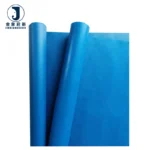
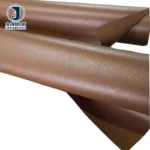
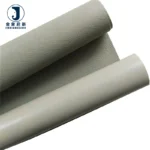
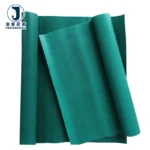
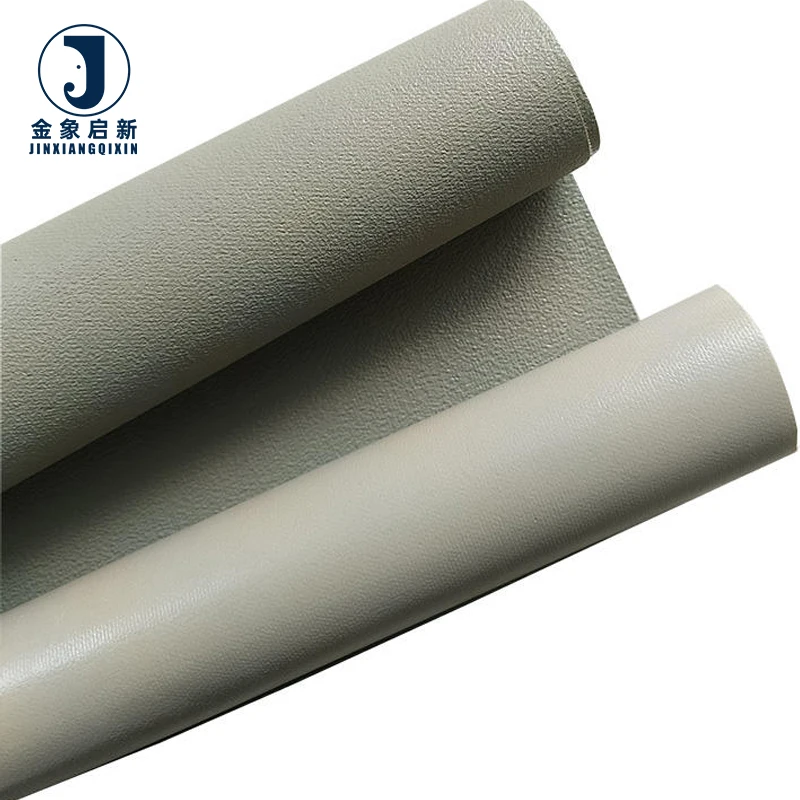
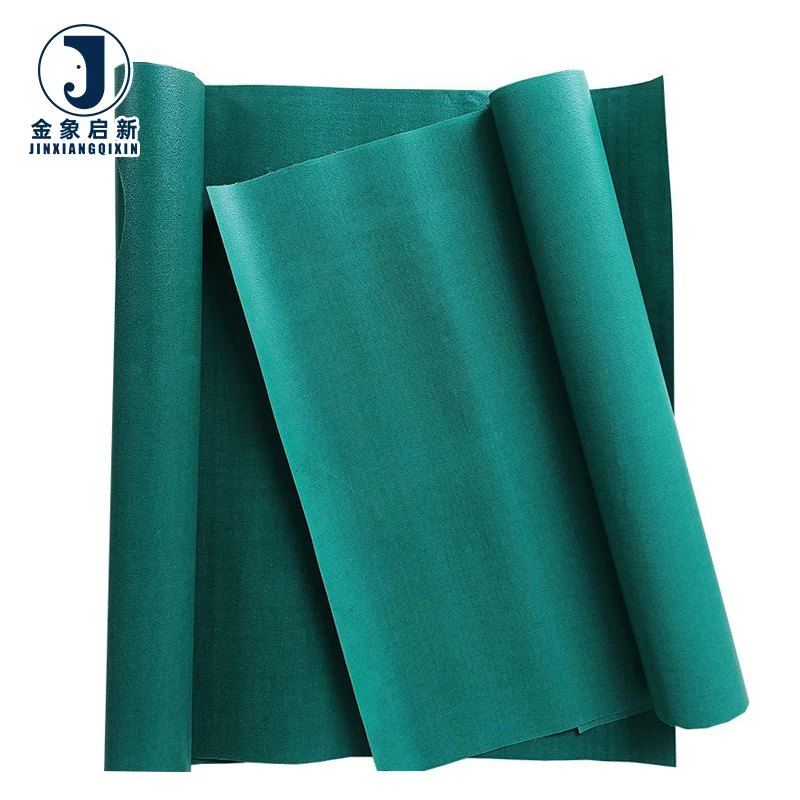
Coated Fabric Depth — nearly 30 years of process control over PVC lamination and hot-melt coating, applied to specialist containment and ventilation structures where material compliance is non-negotiable.
Technical Specifications
| Parameter | Value |
|---|---|
| Product Type | PVC Coated Tarpaulin for Pool Cover |
| Coating Material | PVC |
| Base Fabric | High-strength polyester mesh fabric |
| Coating Method | Laminated technology & Hot-melt Coating technology |
| Weight (GSM) | 350gsm / 420gsm / 500gsm / 550gsm / 600gsm / 750gsm (available range — confirm grade) |
| Total Thickness | 0.32mm / 0.35mm / 0.4mm / 0.45mm / 0.5mm / 0.65mm (available range — confirm grade) |
| Roll Width | 2m / 2.1m |
| Roll Length | 75m / 50m |
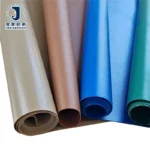
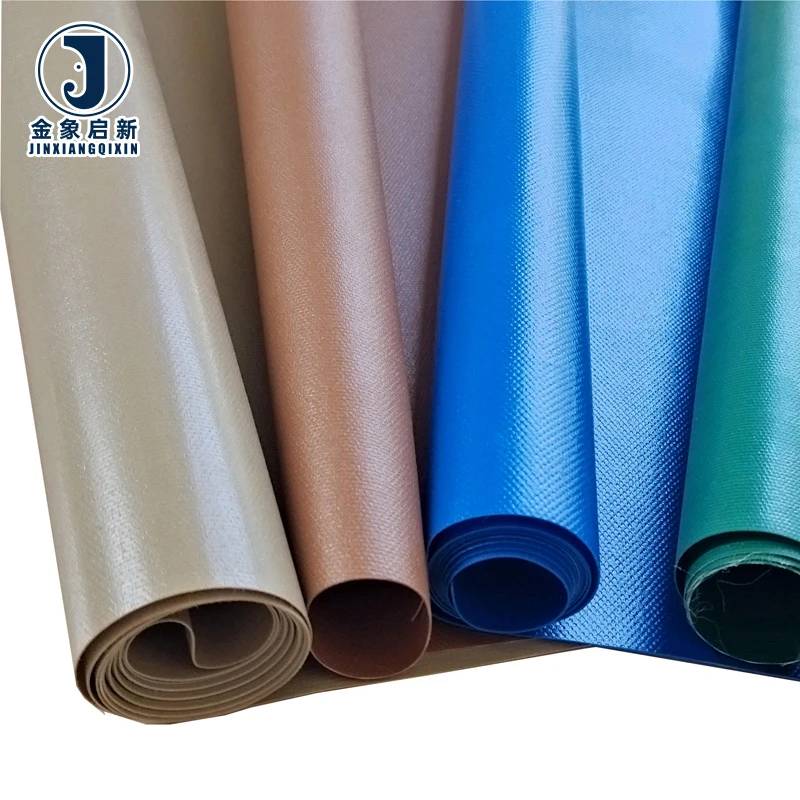
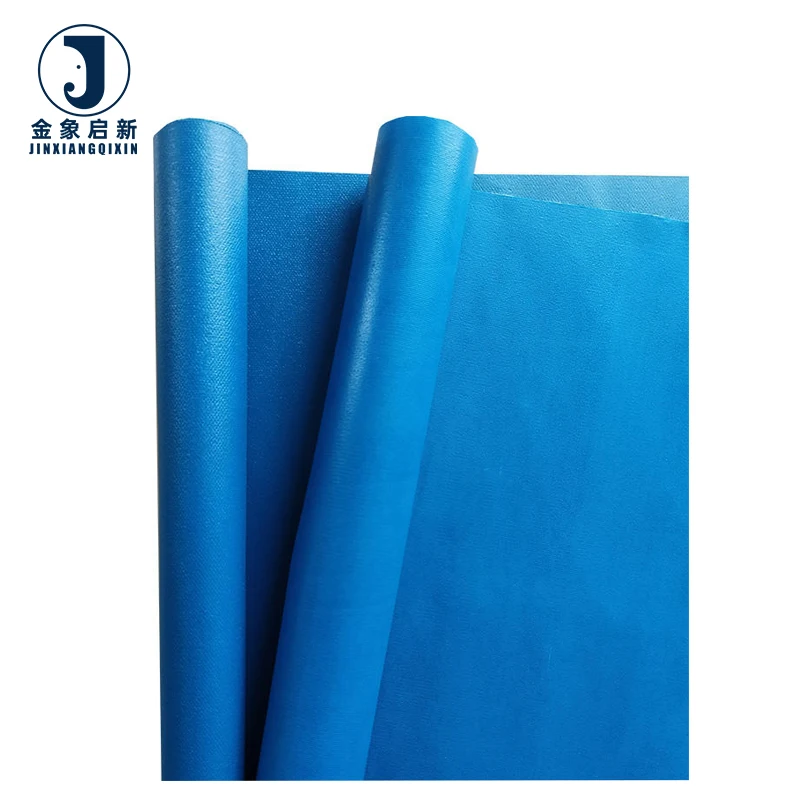
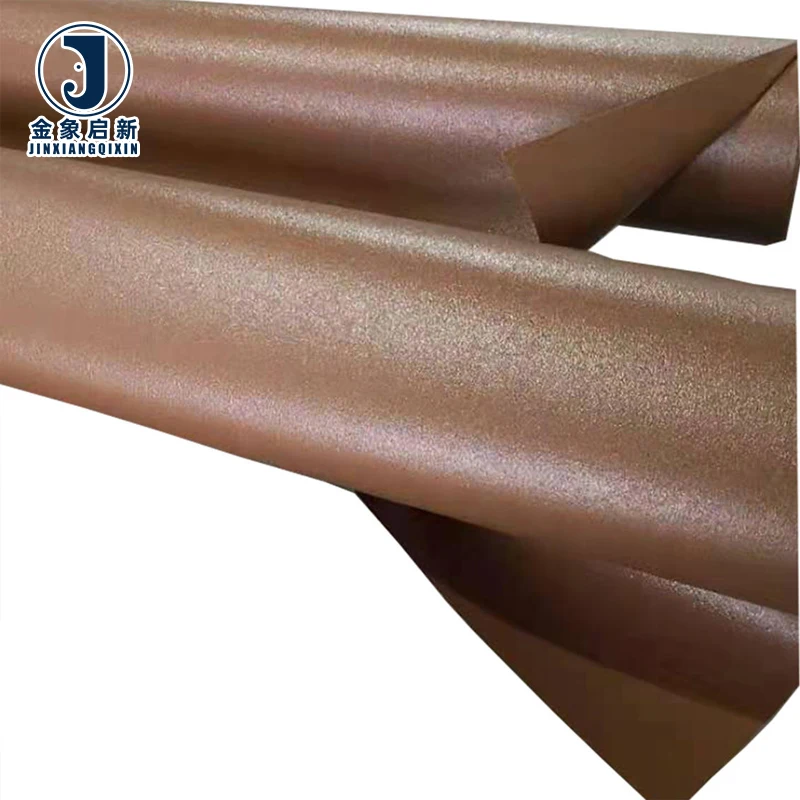
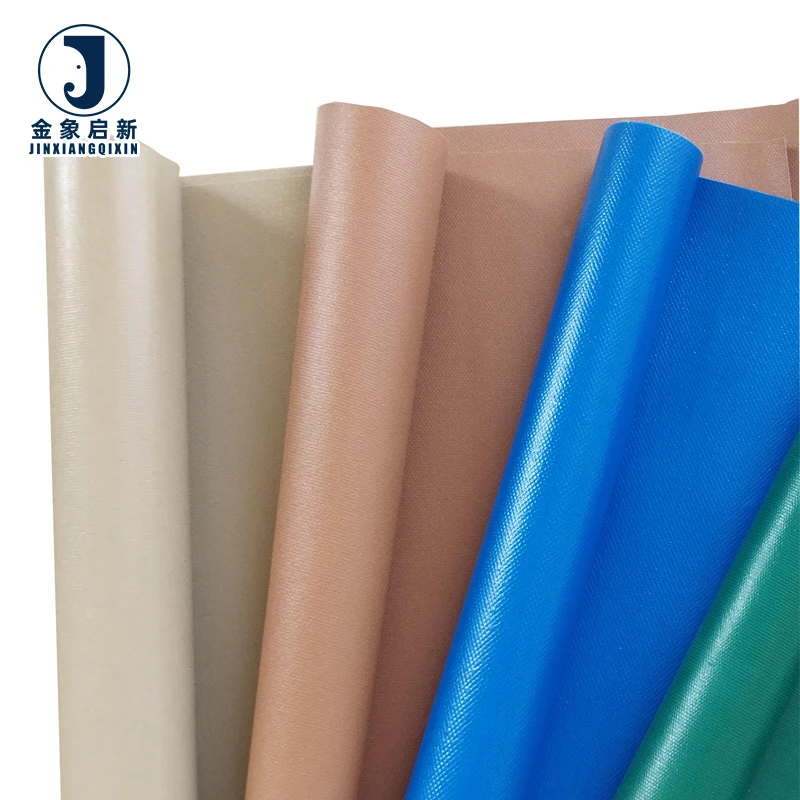
| Colour | Blue, Red, Yellow, Light blue, Grey (Customized) |
| Key Features | Cold Crack Resistance, Anti-Mildew, Waterproof, Anti-Static (grade not stated), UV Treatment (test basis not stated), Flame Retardant (grade not stated) |
| Finish Product Size | Custom cut to project requirements, or supplied by roll |
Application Suitability
| Application | Exposure & Requirement |
|---|---|
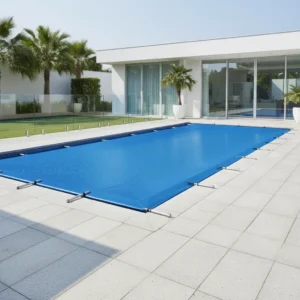
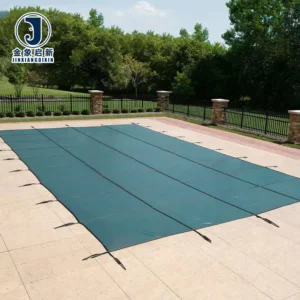
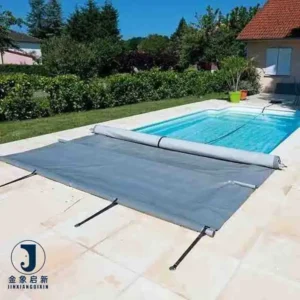
| Commercial pool safety cover | Continuous water contact, UV exposure, tensioning loads from aluminium bar systems, chemical splash from pool treatment |
| Water containment bladder and reservoir liner | Permanent submersion, hydrostatic pressure, potential soil chemistry interaction, puncture risk during installation |
| Inflatable and membrane structure fabric for pool enclosures | Repeated inflation cycles, wind loading, UV and moisture exposure, fire compliance for occupied temporary structures |
| Fish tank and aquaculture pool lining | Constant water immersion, biological growth potential, mechanical abrasion from stock or equipment |
What "Certified" Means When Your Pool Cover Tarpaulin Has No Paperwork Behind It
A flame retardant or anti-static claim without a test report is a liability waiting for an inspection.
Buyers specifying PVC Pool Cover Tarpaulin for commercial pools, public aquatic facilities, or mining-site water containment routinely face a gap between what the quotation states and what arrives on site. The material may carry a general "flame retardant" label, but when the site auditor asks for the classification — M2, B1, or NFPA 701 — the documentation does not exist. Similarly, anti-static treatment is noted in the product literature without a surface resistance value recorded. For regulated installations where compliance failure means work stoppage, this gap between claim and evidence is the real cost [NEED_CITE: fire classification standards for coated textile structures in public venues].
Coating Adhesion and Structural Containment Integrity
Laminated technology and hot-melt coating bond the PVC layer to the high-strength polyester mesh fabric under controlled heat and pressure. This bonding method determines how the material behaves when a pool cover is tensioned across a span or when a containment bladder flexes under hydrostatic load. Where coating adhesion is weak, delamination begins at stress concentration points — typically at welded seams or fold lines — and the PVC Pool Cover Tarpaulin loses its waterproof barrier long before the base fabric reaches its tensile limit.
Fire and Static Compliance for Specialist Installations
PVC Pool Cover Tarpaulin supplied for temporary pool enclosures, inflatable structures, or mining-site ventilation barriers may be subject to fire safety and static discharge regulations that vary by jurisdiction and site operator. Flame retardant treatment is available in multiple grades — confirm the grade required for your market, whether that aligns with DIN 4102 B1, French M2, or NFPA 701. Anti-static treatment is stated in the product specification, but the surface resistance measurement and test method should be documented in the shipment file for audit purposes [NEED_CITE: anti-static surface resistance test methods for PVC coated fabrics].
Reading the Specification Sheet Beyond the GSM Number
GSM tells you how much material is in each square metre, but it does not tell you how that weight is distributed between the base fabric and the coating. A 500gsm PVC Pool Cover Tarpaulin with a heavier coating and lighter base fabric will behave differently under tensile and tear load than one with a denser polyester mesh and thinner coating layer. For pool covers that span unsupported distances or containment bladders that must resist puncture during installation, the base fabric denier and weave density matter as much as the total weight. The coating method — laminated versus hot-melt — further influences peel strength and determines whether heat-welded seams will hold as long as the fabric body itself. Cold crack resistance extends the usable temperature range, preventing the PVC layer from becoming brittle and cracking at the fold during winter removal or cold-climate storage.
The Hidden Cost of Specifying on Claim Alone
When a pool cover or containment liner fails a fire inspection because the flame retardant grade does not match the local building code, the material itself is not the only loss — the entire installation timeline collapses. Contractors face reprocurement delays, project penalty clauses, and reputational damage with the facility owner. Anti-static specifications left undocumented can trigger rejection at mining and industrial sites where static discharge near ventilation equipment is a safety-critical concern [NEED_CITE: static discharge risks in mining ventilation and containment environments]. Colour inconsistency between rolls delivered in the same order becomes visible once panels are welded side by side on a commercial pool deck, forcing selective replacement and extending site closure.
Why Source This PVC Pool Cover Tarpaulin Here
Three full production lines and 36 sets of professional equipment support bulk output while maintaining batch control across the weight grades offered. A 10-person R&D team handles material selection for specialist containment and ventilation applications, developing samples for custom width, colour, or treatment requirements within days rather than weeks. Dedicated QA and QC inspection runs at every production stage, with 100% pre-shipment inspection including roll-by-roll weight verification against the stated GSM. Custom fabric widths, lengths, and colour matching are supported without the extended lead times typically associated with non-stock specifications.
Documentation & Verification
- Material specification sheet stating exact GSM, base fabric denier, coating weight, and colour reference for this pool cover fabric
- Flame retardant grade certificate — M2, B1, or NFPA 701 — provided with shipment where specified on the purchase order
- Anti-static test report documenting surface resistance value and measurement method for regulated installations
- Pre-shipment inspection record confirming roll-by-roll GSM verification and visual consistency check
- Certificate of origin and customs documentation supplied with each dispatch for international shipments
Fabrication, Handling & Storage
- Heat-weld seams at temperatures matched to the laminated or hot-melt coating method to ensure peel strength equals fabric strength
- Store rolls horizontally on padded racks to prevent permanent creasing in the 0.32mm to 0.65mm thickness range
- Allow cold-stored rolls to acclimatise before unrolling to preserve the cold crack resistance properties of the PVC layer
- Use compatible PVC adhesive for field repairs, matching the coating chemistry of the laminated surface
- Plan panel cutting layout around the 2m or 2.1m roll width to minimise weld seams on large pool cover spans
Requesting a Specification Match
Provide the intended application — whether a safety cover, containment bladder, or inflatable structure — along with the fire classification or anti-static grade required by your local code or site operator. Specify the roll width and GSM grade needed, whether you require custom colour matching across multiple rolls, and whether finished cut panels or full roll stock is preferred. Sample development is available for approval before production commitment.
Frequently Asked Questions
Q: What fire retardant grade is available for this pool cover fabric and which test standard applies?
A: Flame retardant treatment is available as a special option across the weight range. The specific grade — such as DIN 4102 B1, French M2, or NFPA 701 — must be confirmed at inquiry stage so the correct test report is generated and shipped with your order.
Q: How is anti-static performance measured and documented?
A: Anti-static treatment is listed as an available special option. The surface resistance value and test method are recorded in the shipment documentation when specified on the purchase order, providing the evidence needed for site compliance audits.
Q: Which GSM grade suits structural pool covers versus standard safety covers?
A: Lower grades such as 350gsm or 420gsm are typically used for standard safety covers, while structural or inflatable containment applications call for higher grades up to 750gsm. The base fabric density and coating weight distribution also influence performance, so confirm your load and span requirements at inquiry.
Q: How does cold crack resistance affect seasonal pool cover performance?
A: Cold crack resistance prevents the PVC coating from becoming brittle and fracturing at fold lines during winter removal or cold-climate storage. This feature is built into the standard formulation across available weight grades, extending reliable seasonal deployment without coating failure.
Q: Can custom pool contours be accommodated with specific fabric widths and finishing?
A: Rolls are supplied in 2m and 2.1m widths, and custom cut panels can be produced to match non-standard pool geometries. Welded seam placement and finishing options are planned during the specification stage to match your installation method and tensioning system.