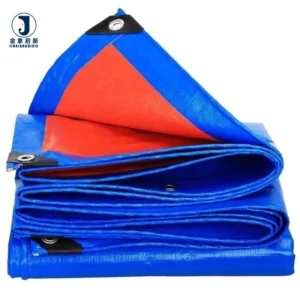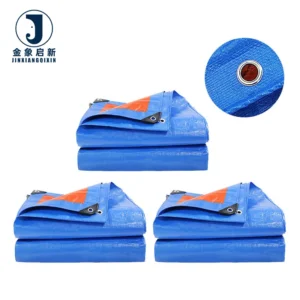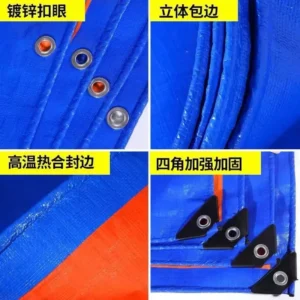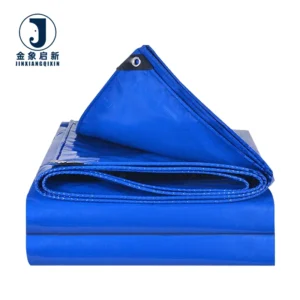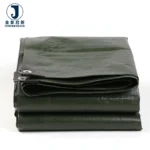
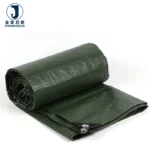
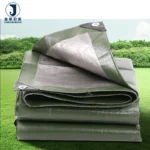
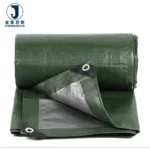
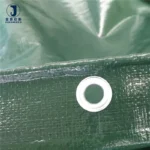
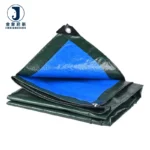
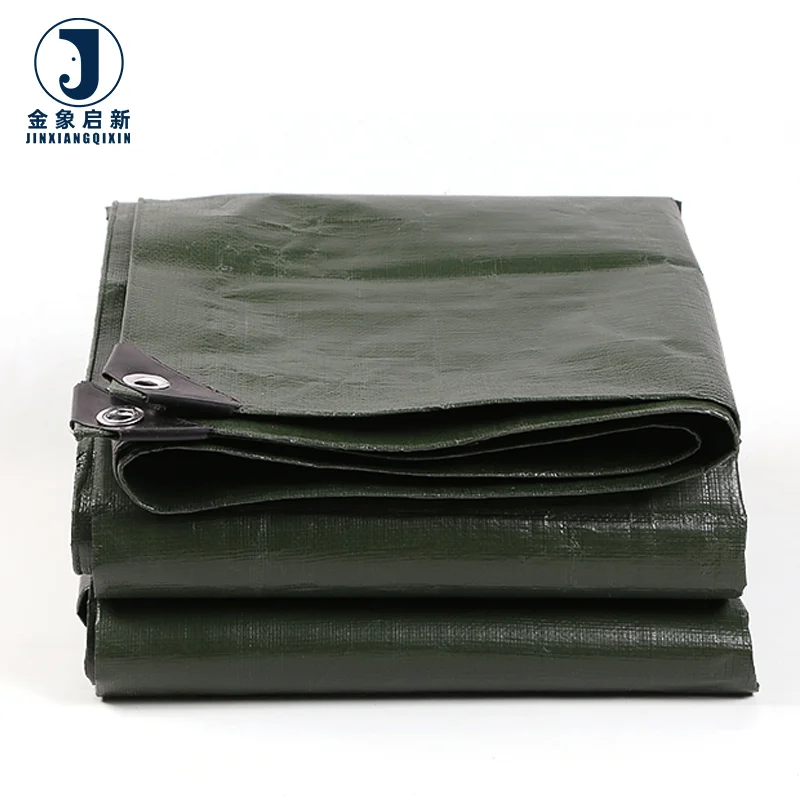
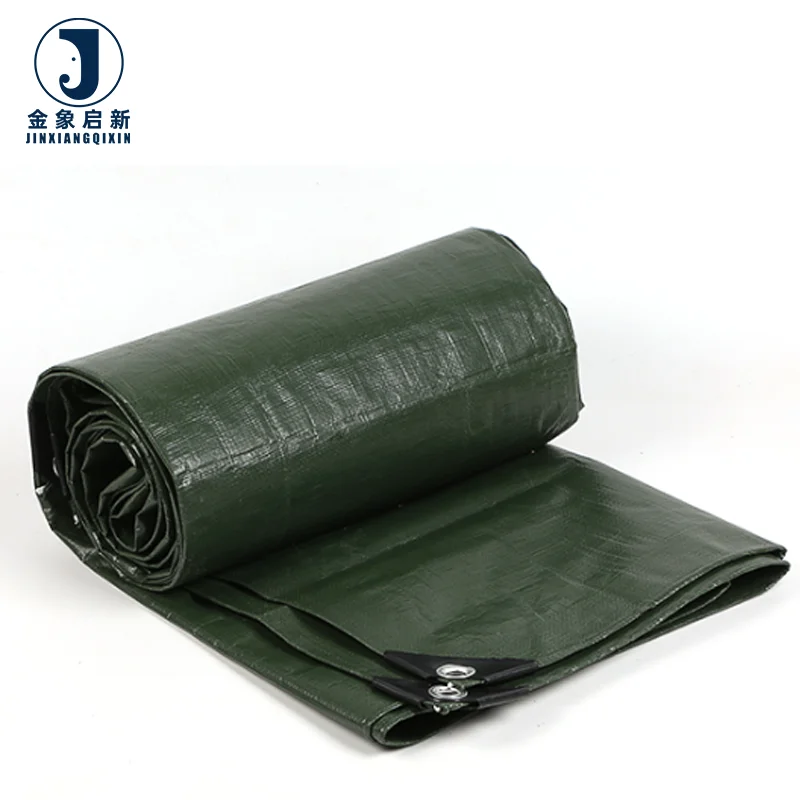
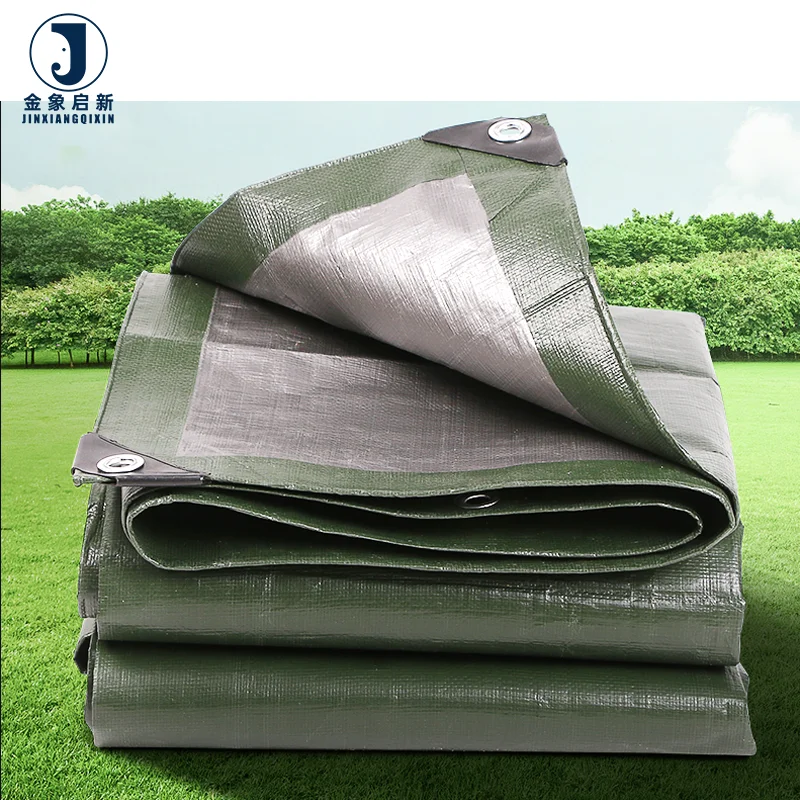
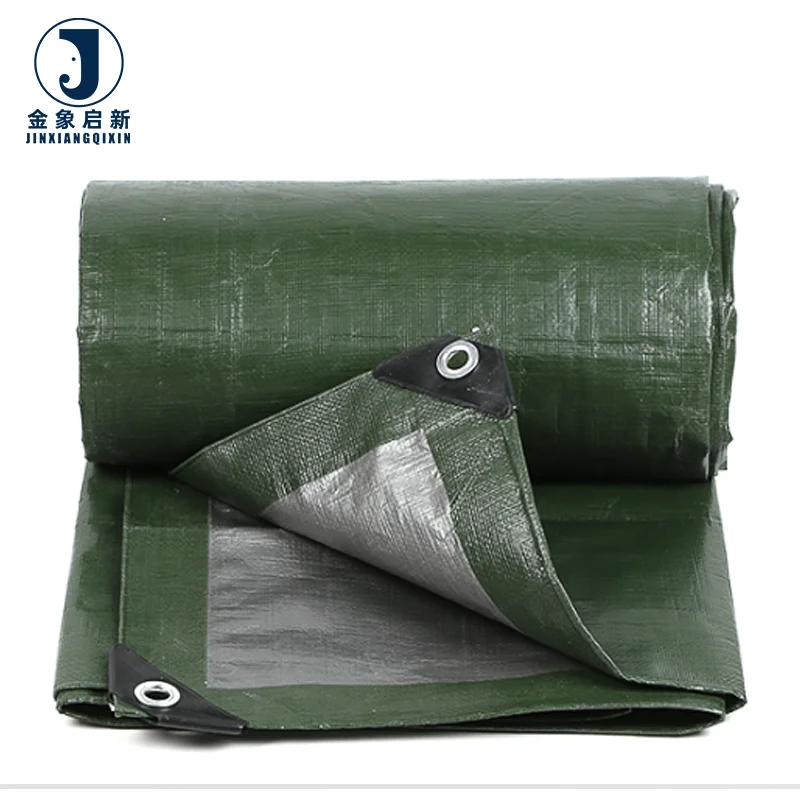
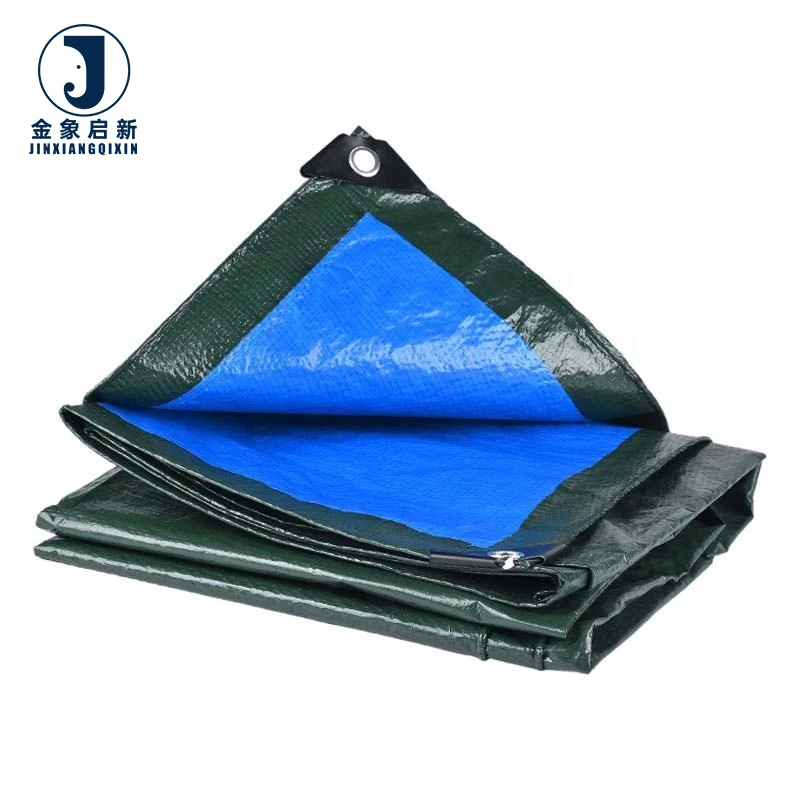
Coating weight and adhesion control — Nearly 30 years of focused coated fabric production enables tight process discipline over every PE tarpaulin roll leaving the facility.
Technical Specifications
| Parameter | Value |
|---|---|
| Product Type | PE Tarpaulin |
| Thickness Options | 5 / 10 / 12 / 16 / 20 Mil |
| Coating Material | PE |
| Waterproof Rating | Waterproof (grade not stated in source) |
| Flame Retardant Grade | Fire Retardant (grade not stated in source) |
| UV Treatment | Anti-UV (test basis not stated in source) |
| Windproof | Yes (test basis not stated in source) |
| Anti-Mildew | Mildew-Proof |
| Abrasion Resistance | Abrasion-Resistant |
| Construction | Heavy Duty |
Application Suitability
| Application | Exposure & Requirement |
|---|---|
| Mining and tunnelling site covers | Constant contact with rock dust, moisture ingress, and mandatory fire compliance documentation |
| Aviation temporary enclosures | Strict flame behaviour requirements, high wind load, rapid deployment and takedown |
| Construction site equipment shelters | UV degradation from months of outdoor exposure, abrasion from handling and machinery contact |
| Membrane and inflatable structure fabric | Dimensional stability under tension, weather resistance, documented fire performance for permitting |
What "Fire Retardant" Means When No Grade Travels With the Shipment
A fire retardant claim without a named standard leaves your site compliance unresolved until the inspector arrives.
Contractors on mining, tunnelling and aviation projects frequently specify PE tarpaulin that carries a fire retardant label on the quotation, only to discover that no test report or classification certificate accompanies the roll on arrival. The material may perform adequately in a burn test, but without documentation mapped to the local fire code — whether NFPA 701, DIN 4102, or a regional mining regulation — the site safety officer has no basis to approve it. This gap between quotation language and delivered paperwork is one of the most common reasons temporary enclosures and covers are rejected at inspection, causing project delays that far exceed the material cost. [NEED_CITE: fire classification standards for temporary structures on industrial sites]
Ventilation and Enclosure Compliance Starts With Documented Material Behaviour
On mining and tunnelling projects, the distinction between a cover that merely resists ignition and one that holds a Fire Retardant PE Tarpaulin certified classification is the difference between passing and failing a site audit. This PE tarpaulin range is offered with fire retardant treatment — confirm the grade required for your market before placing an order. Requesting the test report at quotation stage ensures the material you receive matches the compliance framework your project operates under, rather than discovering a mismatch during installation.
Matching Mil Grade to the Mechanical Reality of the Site
The 5 to 20 Mil thickness range exists because a ventilation duct wrap in a controlled environment and an exposed stockpile cover on a mountain site face fundamentally different mechanical demands. Thinner grades serve short-term shelter and enclosure duties where handling frequency is low, while heavier mil grades absorb the abrasion and puncture loads typical of mining laydown yards and construction staging areas. Selecting the correct thickness at specification stage eliminates both over-engineering and premature field failure.
How Thickness, Coating and Treatment Interact in PE Tarpaulin
Mil thickness in PE tarpaulin governs the total cross-section of the laminated structure, but it does not act alone. The base fabric weave density determines how a puncture or tear propagates once the outer layer is breached — a tightly woven scrim arrests tear spread, while a loose weave allows it to run. Anti-UV treatment extends the period before the polymer chains in the PE coating begin to break down under solar radiation, which directly affects how long the tarpaulin retains its flexibility and waterproof integrity. Fire retardant additives are incorporated into the coating matrix; their effectiveness depends on uniform dispersion during the coating process, which is why consistent roll-to-roll treatment quality matters as much as the additive chemistry itself. [NEED_CITE: UV degradation mechanisms in polyethylene coated fabrics]
The Cost of Specifying Without Verification
When a ventilation duct or site cover arrives without the fire retardant or anti-static certification the project requires, the consequences extend beyond a single rejected delivery. Work halts while alternative material is sourced, scaffolding and framing erected for the original installation stand idle, and the project schedule absorbs delays that ripple into subsequent trades. Similarly, when mil thickness on the delivered roll falls below the quoted specification, the tarpaulin may pass initial inspection but fail within weeks under site conditions it was never rated to withstand. These failures are preventable by requiring test documentation and sample verification before production begins rather than after the container arrives. [NEED_CITE: pre-shipment inspection protocols for industrial coated fabrics]
Why Procurement Teams Consolidate Here
Production runs are monitored at every stage by dedicated QA/QC personnel, with 100 percent inspection conducted before any roll is cleared for dispatch. A 10-person R&D team handles material selection and sample development, producing samples within days when custom sizing or treatment combinations are specified. Three full production lines and 36 sets of professional equipment provide the capacity to hold delivery dates on bulk orders without sacrificing process control. Nearly 30 years of focused coated fabric experience means the process parameters for each mil grade are well established, reducing the variability that less experienced producers struggle to manage.
Documentation & Verification
- Material specification sheet stating mil thickness, base fabric construction, and PE coating composition
- Fire retardant test report matched to the grade specified at order confirmation
- Anti-UV treatment verification data available for projects requiring documented weathering performance
- ISO and CE certificates held on file and referenced in shipping documentation
- Pre-shipment inspection record confirming thickness and visual quality before container loading
- Certificate of origin and customs documentation prepared per destination market requirements
Fabrication, Handling & Storage
- Heat welding parameters should be adjusted per mil grade — 20 Mil requires higher dwell time than 5 Mil
- Store rolls horizontally on pallets to prevent permanent creasing across the PE coating surface
- Avoid dragging heavy-duty grades over aggregate surfaces during deployment to preserve coating integrity
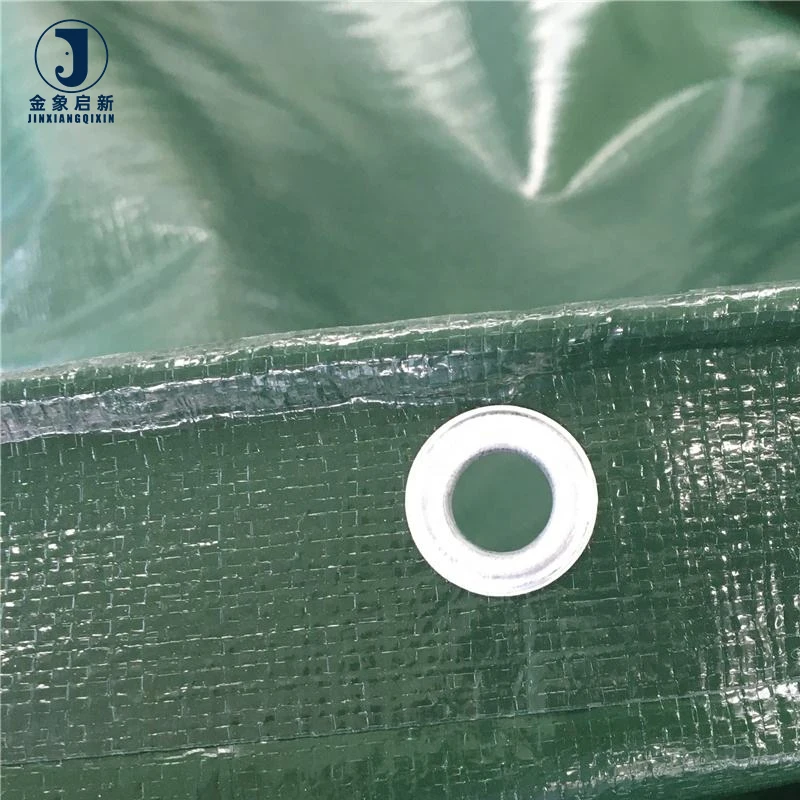
- Grommet spacing should decrease as mil thickness increases to distribute load across the reinforced hem
- Clean with mild detergent only; solvents may compromise the anti-UV and fire retardant treatment layers
- Unroll in moderate temperatures; cold-stored PE tarpaulin becomes stiff and prone to cracking if forced open
What to Include in Your Enquiry
Provide the application environment — whether mining ventilation, aviation enclosure, or construction shelter — along with the fire compliance framework your project must satisfy. Specify the required mil thickness, roll width, and whether you need cut-to-size panels or full rolls. Confirm the annual volume so that batch consistency and production scheduling can be planned around your project timeline. If custom colour or branding is required, request a sample for approval before the production run is committed.
Frequently Asked Questions
Q: What fire retardant certification comes with this PE tarpaulin?
A: Fire retardant treatment is applied during coating, but the specific grade and test standard depend on your target market compliance requirements. We provide the test report corresponding to the grade confirmed at order stage. Request the applicable standard — such as NFPA 701 or DIN 4102 — during your enquiry so the correct additive package and documentation are matched to your shipment.
Q: How is the actual mil thickness verified before shipment?
A: Every roll undergoes 100 percent pre-shipment inspection where thickness is measured and recorded against the quoted specification. The inspection record accompanies the dispatch documentation. If your project requires independent third-party verification, we can arrange sampling and testing by an accredited laboratory before the container is sealed.
Q: Can custom widths and lengths be supplied with fire retardant treatment?
A: Yes. Custom sizing is produced on the same lines as standard rolls, with fire retardant treatment incorporated into the coating matrix during manufacturing rather than applied as a secondary finish. Provide the required dimensions and treatment grade during enquiry, and a sample will be developed for your approval before the production run begins.
Q: What documentation package ships with each order?
A: Each dispatch includes a material specification sheet, fire retardant test report matching the ordered grade, pre-shipment inspection record, roll packing list, certificate of origin, and customs support documentation. ISO and CE certificates are referenced in the paperwork. Additional documentation required by your destination market can be prepared if specified at order confirmation.
Q: Is anti-UV performance supported by test data?
A: Anti-UV treatment is included in the coating formulation to extend outdoor service life. The test basis and expected performance duration depend on the specific treatment package applied. Request the UV test report during your enquiry so that the data aligns with the exposure conditions and service life expectations of your project.