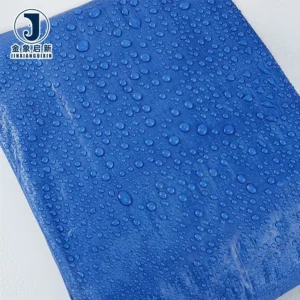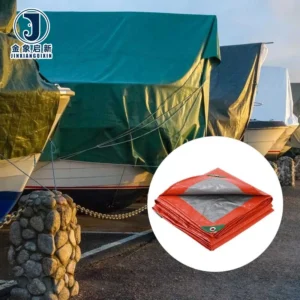
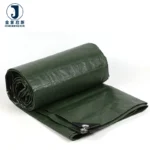
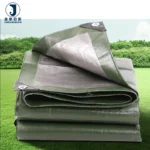
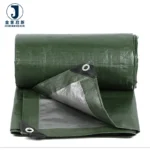
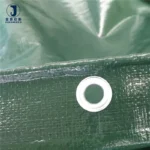
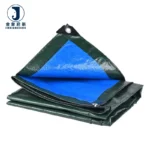
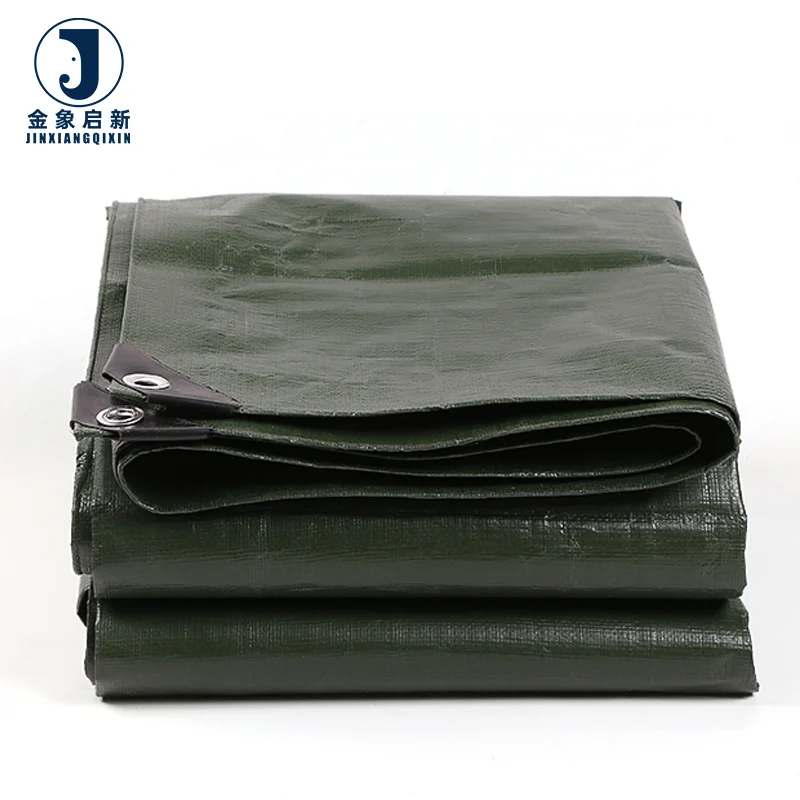
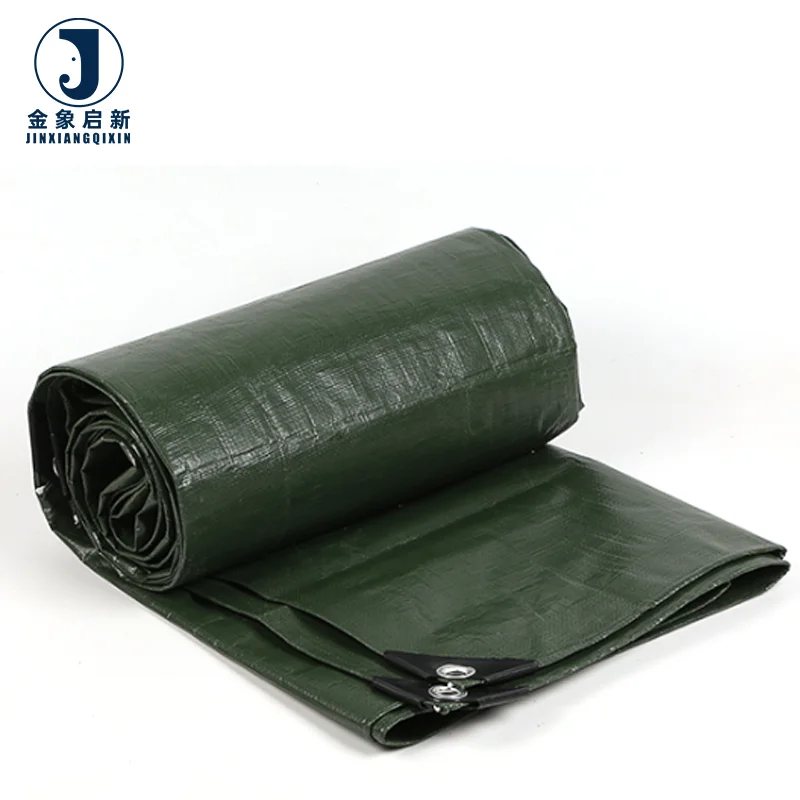
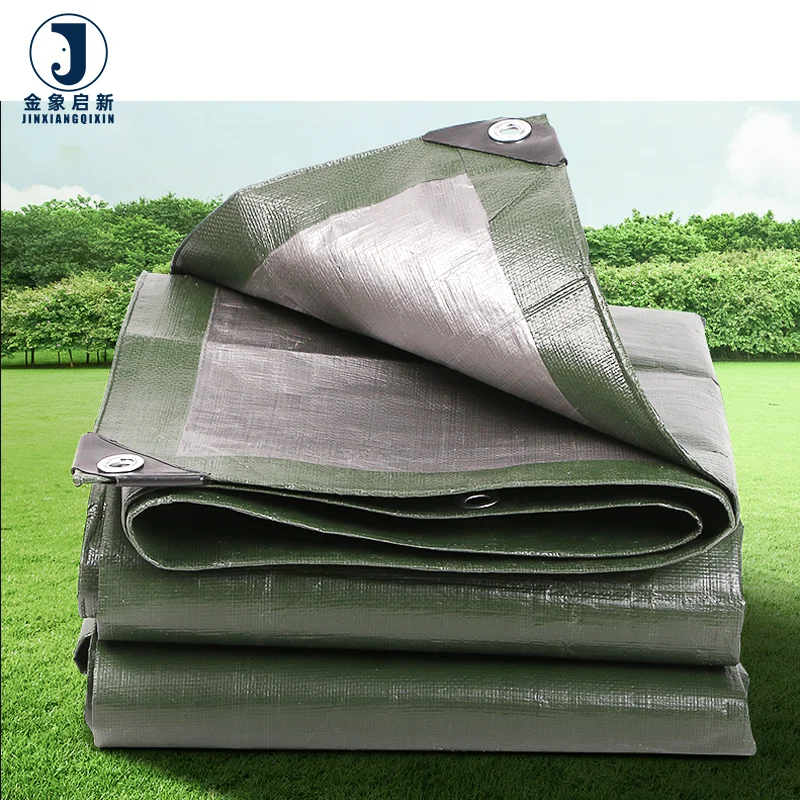
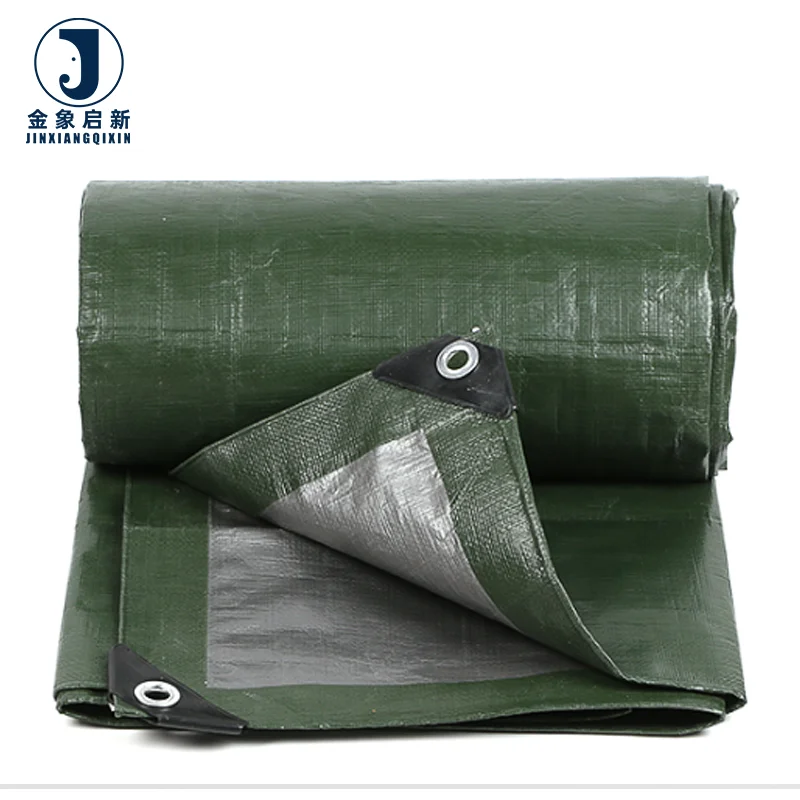
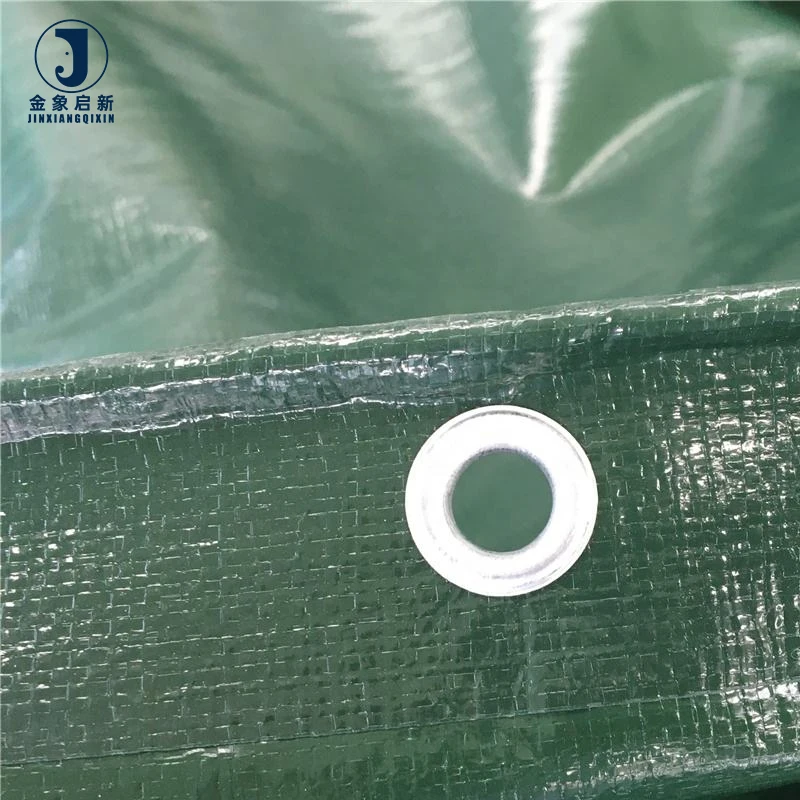
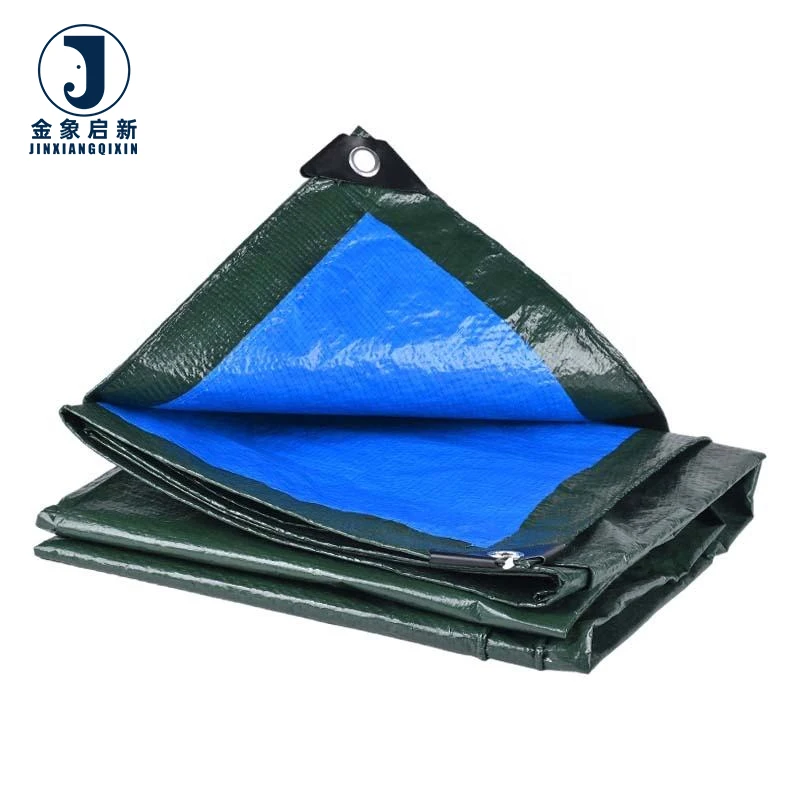
Coated Fabric Process Control — Deep expertise in PE coating weight and adhesion ensures every roll of PE Tarpaulin fire retardant certified meets the stated specification on arrival, not just on the quotation.
Technical Specifications
| Parameter | Value |
|---|---|
| Product Type | PE Tarpaulin |
| Thickness Options | 5 Mil / 10 Mil / 12 Mil / 16 Mil / 20 Mil |
| Coating Material | PE (Polyethylene) |
| Waterproof | Yes — fully coated construction |
| Flame Retardant | Available in flame retardant grades — confirm the grade required for your market |
| Anti-UV | Available with UV stabilisation treatment — request test basis for your exposure duration |
| Windproof | Yes |
| Anti-Mildew | Yes |
| Abrasion-Resistant | Yes |
| Standards | ISO / CE certified production |
Application Suitability
| Application | Exposure & Requirement |
|---|---|
| Mining and tunnelling site equipment covers | Continuous dust, moisture and mechanical abrasion; fire-retardant documentation mandated on-site |
| Aviation ground support protective covers | Outdoor UV exposure, fuel and hydraulic fluid proximity; anti-static and flame-retardant compliance required |
| Construction site temporary enclosures | Wind loading, rain ingress, welding spark proximity; fire-retardant certification for site safety audits |
| Car and vehicle covers | UV exposure, rain, hail; abrasion from repeated fitment and removal |
| Tent and shelter fabric | Sustained weather exposure, occupant safety; flame-retardant grade must meet local event or building codes |
| Cargo and pallet protection | Stacking load, forklift contact, transit vibration; waterproofing and tear resistance critical |
What "Fire Retardant" Means When No Grade Travels With the Roll
A flame-retardant claim without a test certificate is a compliance gap waiting to surface at the site audit.
Mining and aviation contractors specify PE Tarpaulin fire retardant certified for protective covers and temporary enclosures, yet the material often arrives with a datasheet claim and no supporting test report. The site safety officer asks for the certification, the procurement team contacts the supplier, and the project stalls while documentation is chased across time zones [NEED_CITE: fire classification requirements for temporary structures on mining and construction sites]. We ship the test report matched to the batch with every order, so the documentation is on-site before the inspector arrives.
Matching Mil Thickness to Mechanical and Compliance Demand
Selecting the correct mil grade is not about choosing the thickest option available. A 5 Mil PE tarpaulin serves light-duty car covers and short-term cargo wraps where weight and pack-down size matter. A 16 or 20 Mil grade handles mining equipment covers and construction enclosures where forklift contact, wind loading and repeated rigging demand higher tear and puncture resistance. The PE Tarpaulin fire retardant certified range spans all five thickness grades, allowing specification to match the actual mechanical load rather than a default assumption.
Certification Documentation as a Procurement Deliverable
On regulated sites — mining, tunnelling, aviation ground support — the cover material must carry verifiable fire-retardant and, where required, anti-static certification. The documentation package is not supplementary; it is a contractual deliverable. Our process treats test reports and certificates as line items on the packing list, matched to the production batch and included in the pre-shipment documentation set [NEED_CITE: site compliance audit requirements for protective covers in mining and aviation]. This removes the gap between what was specified at inquiry and what the safety officer reviews on-site.
Reading the Specification Sheet Beyond the Mil Number
Thickness alone does not determine field performance. The base fabric weave density and the coating adhesion method together define how the material behaves under tension and at flex points. A tightly woven HDPE base with consistent coating penetration delivers higher tear propagation resistance than a heavier but loosely woven alternative. When evaluating PE Tarpaulin fire retardant certified options, request the base fabric denier and coating weight alongside the mil thickness — these three values together predict how the cover will perform under mechanical stress and repeated handling. Coating adhesion also determines heat-weld behaviour: a well-bonded PE coating produces a weld seam that matches the fabric tear strength, whereas poor adhesion causes delamination at the weld line before the fabric itself fails.
The Cost of Specification Gaps at the Installation Stage
A cover that passes visual inspection on arrival can still fail at the first site audit if the flame-retardant grade does not match the local regulatory requirement. Similarly, anti-UV treatment claimed without a stated test basis leaves the buyer unable to demonstrate expected service life to the project engineer. Colour variation between rolls in the same shipment becomes visible once panels are installed side by side on a large enclosure, triggering rejection and rework [NEED_CITE: batch colour consistency standards for coated fabric in multi-panel installations]. Welded seams that fail before the fabric does point to a coating adhesion or heat-weld parameter mismatch, not a material thickness problem. Each of these failures traces back to a specification or documentation gap at the procurement stage.
Why Procurement Teams Source This Range Here
Three full production lines and dedicated equipment sets support bulk roll output with consistent coating weight across the run. A 10-person R&D team handles mil grade selection, custom width development and sample turnaround within days for projects requiring pre-approval. Every production stage includes in-process quality checks, with 100 percent inspection of rolls or cut pieces before dispatch. ISO and CE certified production underpins the documentation package, and the facility’s coating process control maintains GSM and adhesion consistency from first roll to last in a single order.
Documentation & Verification
- Material specification sheet confirming mil thickness, base fabric denier and PE coating type per roll
- Flame-retardant test report matched to the production batch and applicable market standard
- Anti-UV test basis documentation available on request for the grade ordered
- Pre-shipment inspection record covering 100 percent of rolls or pieces before dispatch
- ISO and CE certificates on file with certificate of origin and customs documentation package
Fabrication, Handling & Storage
- Heat-weld parameters must match the specific mil thickness to achieve seam strength equal to fabric tear resistance
- Store rolls horizontally on pallets in a covered area to prevent compression creases across the PE coating surface
- Unroll and allow the PE tarpaulin to relax before cutting to minimise dimensional shift during fabrication
- Use compatible PE-based repair tape for field patching to maintain coating adhesion at the repair point
- Avoid dragging cut sheets across abrasive ground surfaces to protect the outer PE coating layer
Preparing Your Enquiry
Provide the application scenario, exposure conditions and any site-specific fire-retardant or anti-static compliance requirements so we can recommend the correct mil grade and treatment package. Specify whether you need roll stock at standard or custom width, or finished cut-to-size sheets with hem and eyelet configurations. If your project requires batch-matched test reports for a site audit, state the applicable standard and target submission date so we align documentation with your delivery schedule.
Frequently Asked Questions
Q: What fire-retardant grade does this PE tarpaulin carry and which standard does it meet?
A: Flame-retardant grades are available and the specific grade depends on the target market and application. Confirm the standard required by your site safety regulations — such as local mining or aviation fire codes — and we will supply the matching test report with your shipment.
Q: Is anti-UV treatment supported by a test report and what is the exposure duration basis?
A: Anti-UV treatment is available and the test basis can be provided on request. Share your expected outdoor exposure conditions and duration so we can supply the relevant UV stability documentation matched to the grade ordered.
Q: How is mil thickness verified on arrival against the quoted specification?
A: Every roll or cut piece undergoes 100 percent inspection before dispatch, including thickness verification against the stated mil grade. The pre-shipment inspection record is included in your documentation package for cross-check on receipt.
Q: What documentation is provided for site compliance audits in mining or aviation applications?
A: Each shipment includes a material specification sheet, flame-retardant test report matched to the batch, ISO and CE certificates, certificate of origin and pre-shipment inspection record — all formatted to support site safety audit submissions.
Q: Can custom dimensions be supplied with the same certification package?
A: Yes. Custom cut-to-size sheets carry the same batch-matched documentation as roll stock, including test reports and inspection records, so your compliance package remains complete regardless of the format ordered.