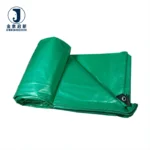
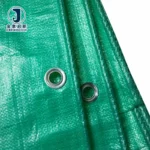
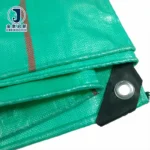
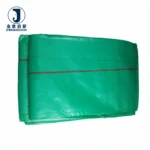
Specialist Fabric Control — PE tarpaulin built on HDPE weave and LDPE lamination with traceable GSM, mesh count, and compliance documentation for technical applications.
Technical Specifications
| Parameter | Value |
|---|---|
| Product Type | PE Tarpaulin |
| Material | HDPE weaving with LDPE lamination on both sides |
| Coating Method | Laminated |
| Weight (GSM) | 50gr/m2 ~ 220gr/m2 available (range covers product family — confirm the grade for this item) |
| Total Thickness | 0.2–0.4mm / 8 mil–16 mil |
| Mesh Count Options | 6×6, 6×7, 7×7, 7×8, 8×8, 9×9, 8×10, 10×10, 12×12, 14×14, 14×16 |
| Roll Width | 6ft, 8ft, 10ft, 12ft / 2m, 4m, 6m |
| Roll Length | 100 yards, 100 meters, or custom |
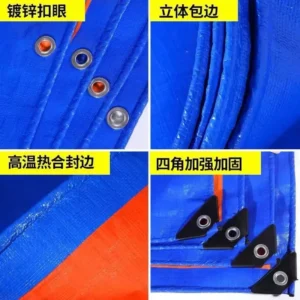
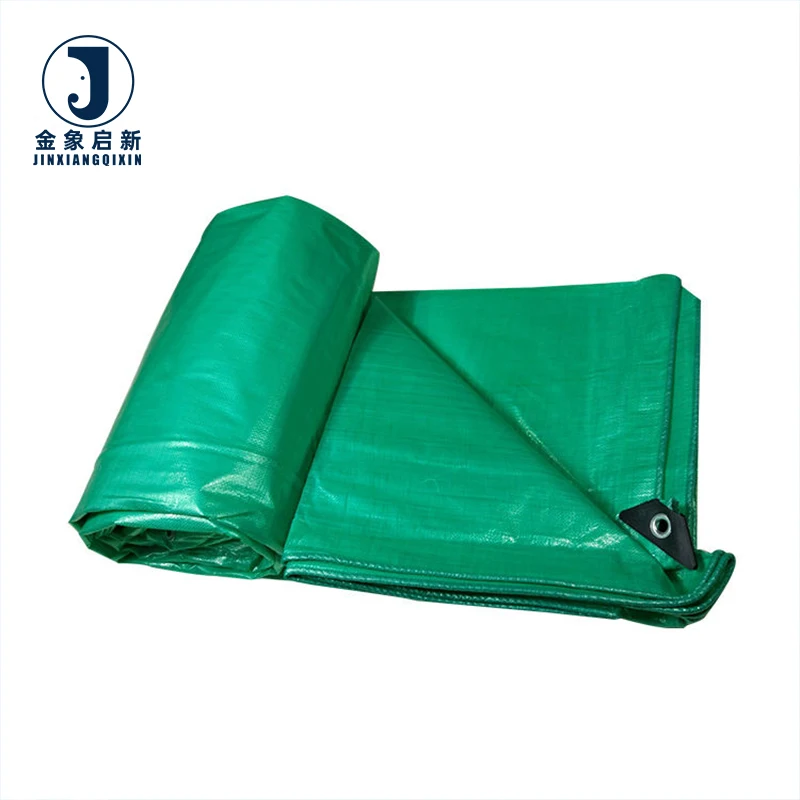
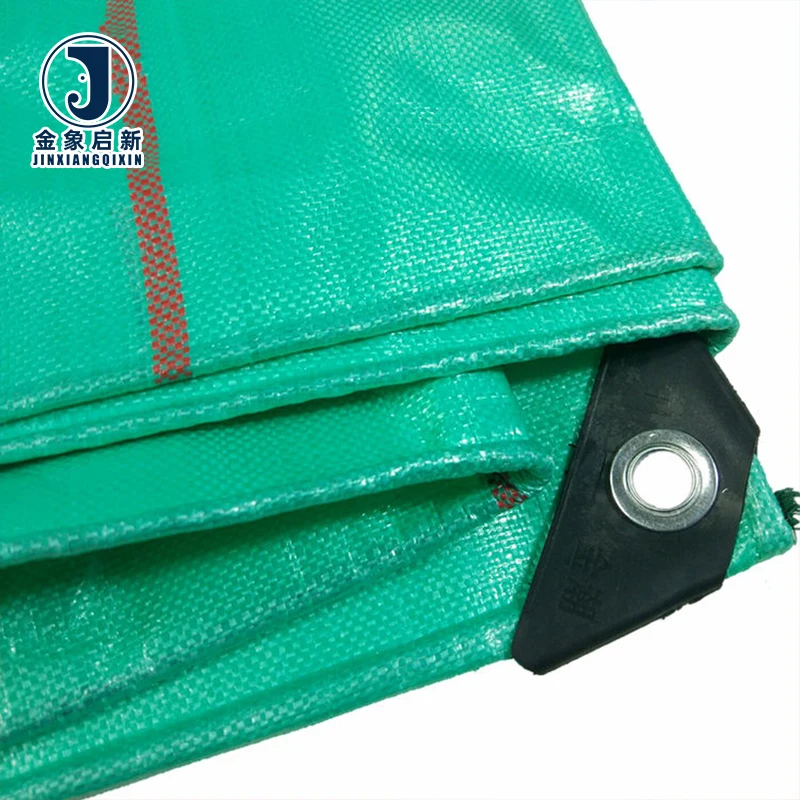
| Finished Edge | All four edges reinforced with PP rope in hem |
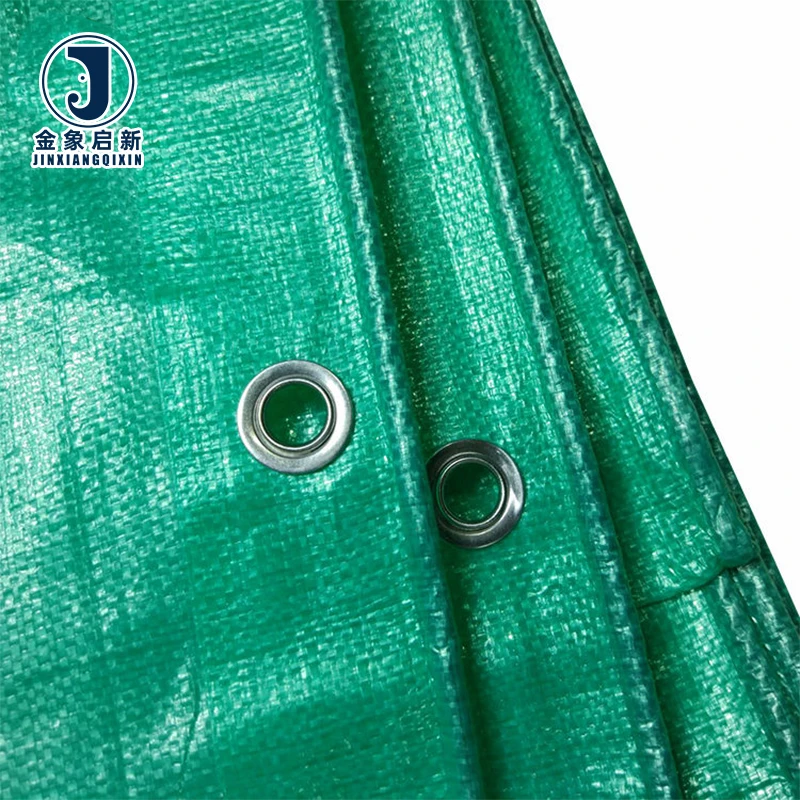
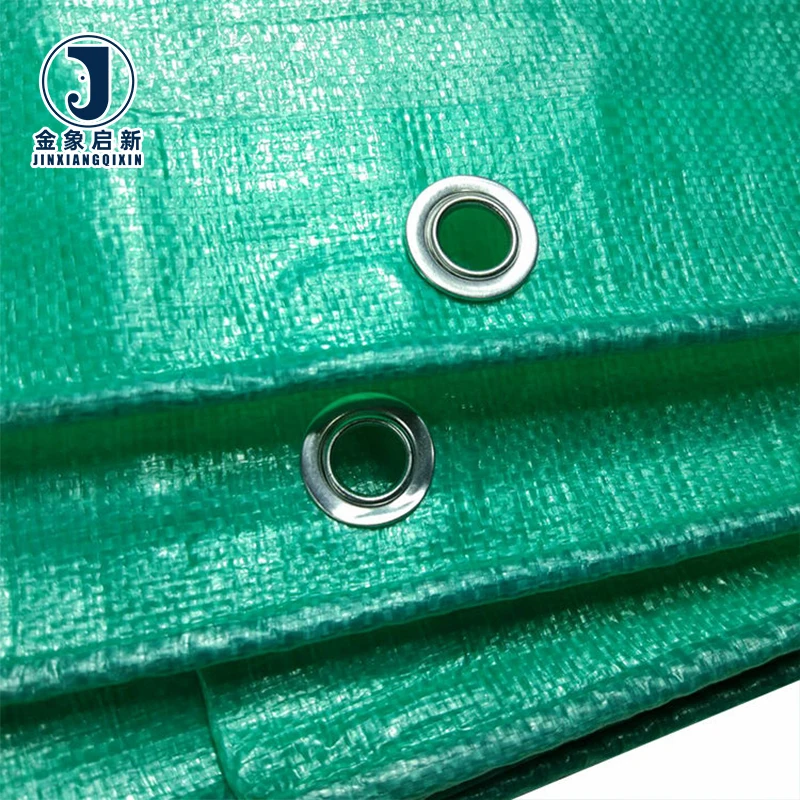
| Eyelets | Galvanized eyelets every 3ft or 1 meter interval |
| Corner Reinforcement | Reinforced plastic corners |
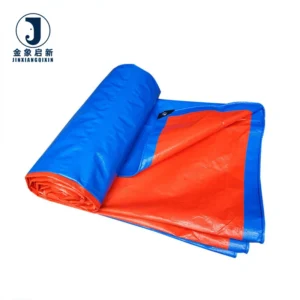
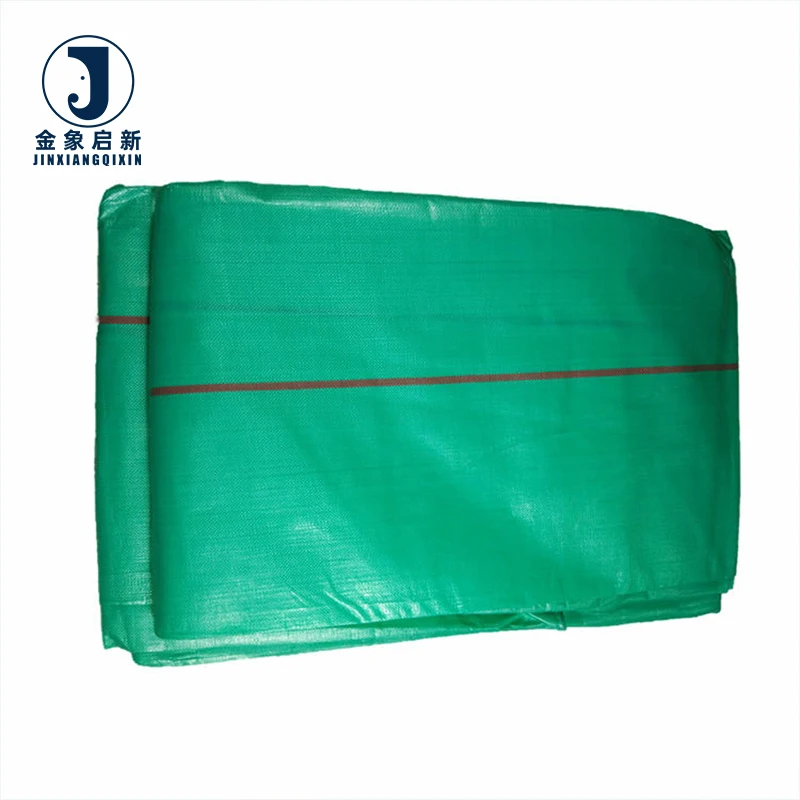
| Color Options | Blue, Blue/Orange, Green, Grey, Black, Clear, Grey/Green, Orange, or custom |
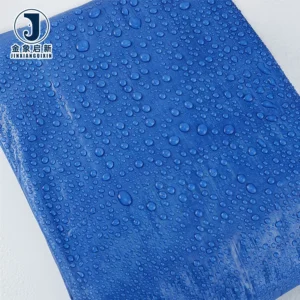
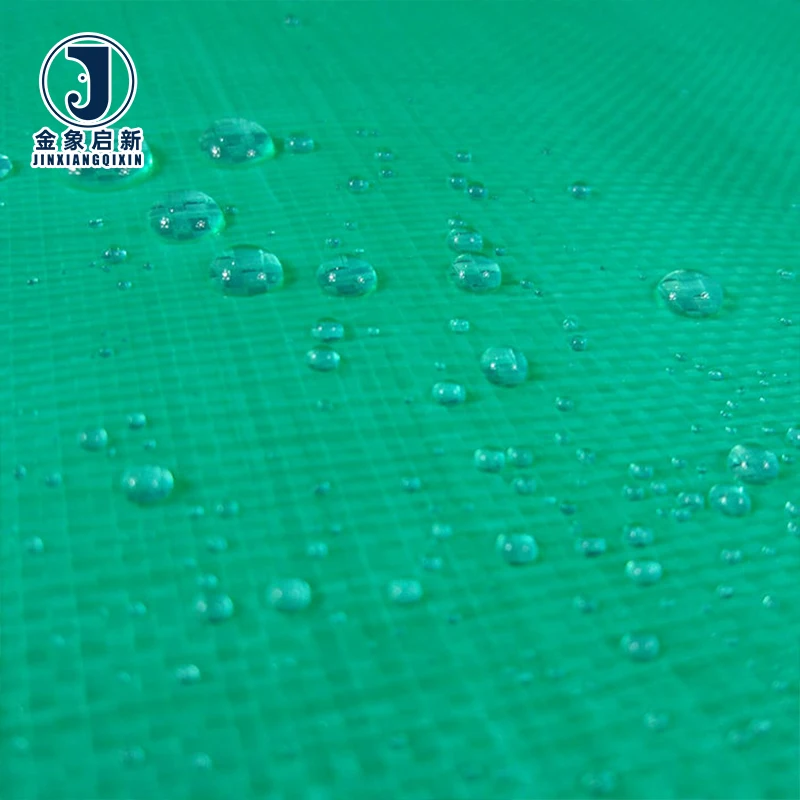
| Waterproof | Yes |
| UV Treatment | Available (test basis not stated) |
| Anti-Mildew | Yes |
| Printing Option | Custom branding available |
| Standards | ISO, CE |
Application Suitability
| Application | Exposure & Requirement |
|---|---|
| Mining and tunnelling site covers | Abrasive dust, heavy equipment contact, documented material spec required for site compliance |
| Specialist membrane and inflatable structures | Air pressure load, UV exposure, base fabric denier and lamination weight must be verified |
| Aviation and construction ventilation duct outer wrap | Flexing under airflow, fire-retardant and anti-static compliance, certification traceability |
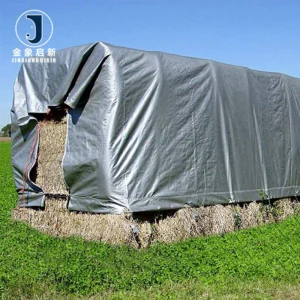
| Agricultural crop and timber covers | Prolonged sun exposure, moisture ingress, mildew risk in humid storage environments |
| Industrial truck and container covers | Road abrasion, tie-down stress at eyelet points, weather exposure during transit |
Why a Material Spec Sheet Matters More Than the Quoted GSM for PE Tarpaulin
The stated weight means nothing if it cannot be verified on arrival against a documented specification.
Buyers frequently receive PE tarpaulin that matches the colour and width on the quotation but falls short on GSM once weighed. A lighter fabric often traces back to a lower mesh count in the HDPE base or reduced LDPE lamination weight — both invisible to the eye until the cover fails under load [NEED_CITE: tensile and tear test methods for coated fabrics per ISO 1421]. When the material specification sheet is missing or vague, there is no baseline for a pre-shipment or arrival inspection, leaving the buyer with no recourse.
Mesh Count as the Structural Backbone
The HDPE weave density — ranging from 6×6 to 14×16 in this PE Tarpaulin range — defines how many yarns per unit area carry the tensile and tear load. A higher mesh count produces a tighter grid that resists puncture propagation and distributes stress across more yarn intersections. For ventilation duct wraps or inflatable structure membranes where the fabric must hold shape under internal pressure, specifying the correct mesh count is as critical as the lamination weight itself.
Dual-Side Lamination and Waterproof Integrity
The LDPE lamination applied to both faces of the HDPE woven base seals the weave gaps and creates a continuous waterproof barrier. Lamination weight directly affects the overall GSM and the fabric’s resistance to water penetration at fold lines and creases. For mining site covers exposed to slurry splash or agricultural covers protecting hay bales through wet seasons, consistent dual-side coating ensures the PE Tarpaulin performs through repeated handling and weather cycles [NEED_CITE: lamination adhesion test methods for PE coated fabrics].
Reading the Thickness-to-Density Relationship
Thickness values of 0.2–0.4mm do not operate independently of weave density. A 0.4mm fabric at 8×8 mesh will behave very differently from a 0.4mm fabric at 14×16 mesh — the former relies more on lamination bulk while the latter gains strength from yarn count. Technical buyers specifying PE Tarpaulin for membrane structures or duct applications should request both the thickness measurement and the mesh count to understand how the fabric will respond to point loads, flexing, and seam stress. Selecting the right combination prevents over-specification in weight while maintaining the structural performance the end use demands.
The Hidden Cost of Specifying on GSM Alone
A quotation that states only a target GSM leaves the mesh count, yarn denier, and lamination split open to interpretation. The result can be a fabric that meets the weight target through heavier lamination rather than a denser weave — cheaper to produce but weaker in tear strength. On site, this surfaces as covers that split along fold lines or eyelet pull-outs under wind load [NEED_CITE: field failure analysis of PE tarpaulin in industrial cover applications]. Documenting the full specification — mesh count, thickness, and GSM — before production locks the construction parameters and gives the buyer a measurable acceptance standard at delivery.
Why Sourcing PE Tarpaulin Here Supports Your Compliance File
Three full production lines with 36 sets of professional equipment support batch capacity while maintaining weave and lamination consistency across the order. The 10-person R&D team handles material selection and sample development so that the mesh count, thickness, and colour are confirmed before bulk production begins. Every roll passes dedicated QA and QC at each production stage, with 100% inspection before shipment. Samples are developed within days for custom width, colour, or printing requirements, allowing technical buyers to verify construction against the specification sheet before committing to a full container load.
Documentation & Verification
- Material specification sheet listing GSM, HDPE mesh count, and LDPE lamination weight per roll
- UV treatment test report provided where applicable to the specified grade
- ISO and CE certificates accompanying each shipment for customs and compliance traceability
- Pre-shipment inspection record documenting roll-by-roll GSM and visual check
- Roll packing list with net weight and dimensions for container load planning
- Certificate of origin issued per destination country requirements
Fabrication, Handling & Storage
- Heat-seal LDPE lamination at controlled temperature to avoid delamination at seam overlap
- Position galvanized eyelets at specified 3ft or 1m intervals to distribute tie-down load evenly
- Store rolls upright on pallets to prevent compression marks on the laminated surface
- Unroll at ambient temperature to avoid creasing the HDPE base in cold conditions
- Use neutral pH cleaners to protect the LDPE coating surface from chemical degradation
- Cut and hem with allowance for PP rope reinforcement at all four edges
What to Include in Your Enquiry
Provide the specific application and the environmental exposure the cover will face — wind load, chemical contact, or UV intensity in your region. State the fire-retardant or anti-static grade your site mandates so the correct treatment can be confirmed. Confirm whether you need roll stock in standard widths or finished sheets with hemmed edges and eyelets, and indicate your target annual volume to align production scheduling.
Frequently Asked Questions
Q: How is GSM verified on arrival against the quoted PE Tarpaulin specification?
A: Each shipment includes a material specification sheet stating GSM, HDPE mesh count, and LDPE lamination weight. Buyers can perform a weight-per-area check on sample cuts from received rolls. The pre-shipment inspection record documents the same measurements taken at the factory, providing a documented baseline for comparison.
Q: What fire-retardant grades are available for specialist structure applications?
A: Fire-retardant treatment is available for PE Tarpaulin used in ventilation duct wraps and membrane structures. The specific grade must be confirmed based on your market requirements — whether aviation, mining, or construction compliance. Request the applicable test report when placing your enquiry to ensure documentation matches the site standard.
Q: What is the UV treatment test basis and how does it relate to outdoor exposure?
A: UV treatment is offered across the PE Tarpaulin range for applications involving prolonged sun exposure. The test basis depends on the grade specified and the target market. Buyers should confirm the required exposure duration and request the corresponding test report to verify the treatment level matches the application environment.
Q: How do mesh count and weave density affect tensile and tear performance?
A: Higher mesh counts such as 12×12 or 14×16 place more HDPE yarns per unit area, distributing tensile and tear forces across a denser grid. Lower counts like 6×6 rely more on lamination thickness for waterproofing but offer less structural resistance. Matching mesh count to the mechanical demands of the end use prevents under- or over-specification.
Q: Can custom width, colour, and printing be provided with batch consistency across rolls?
A: Custom widths up to 6m, bespoke colours, and branded printing are available across the PE Tarpaulin range. The production process controls LDPE lamination weight and pigment mixing to maintain roll-to-roll consistency within a single order. Samples are produced first so the buyer can approve colour and construction before bulk manufacture begins.