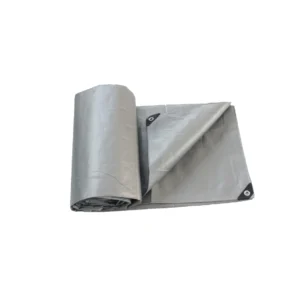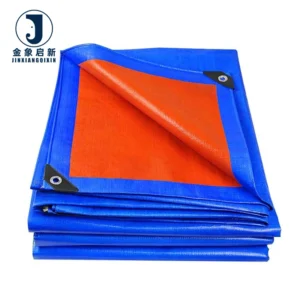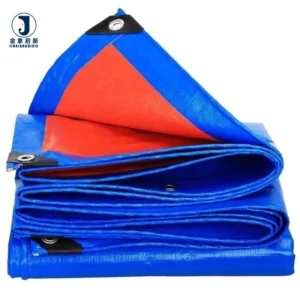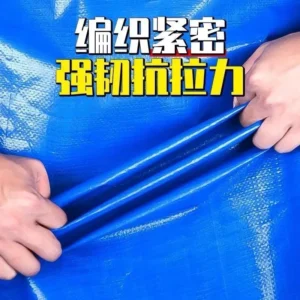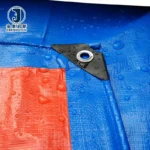
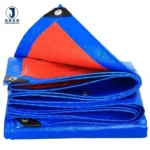
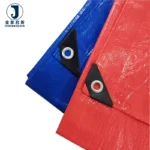
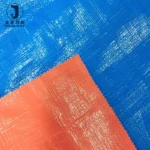
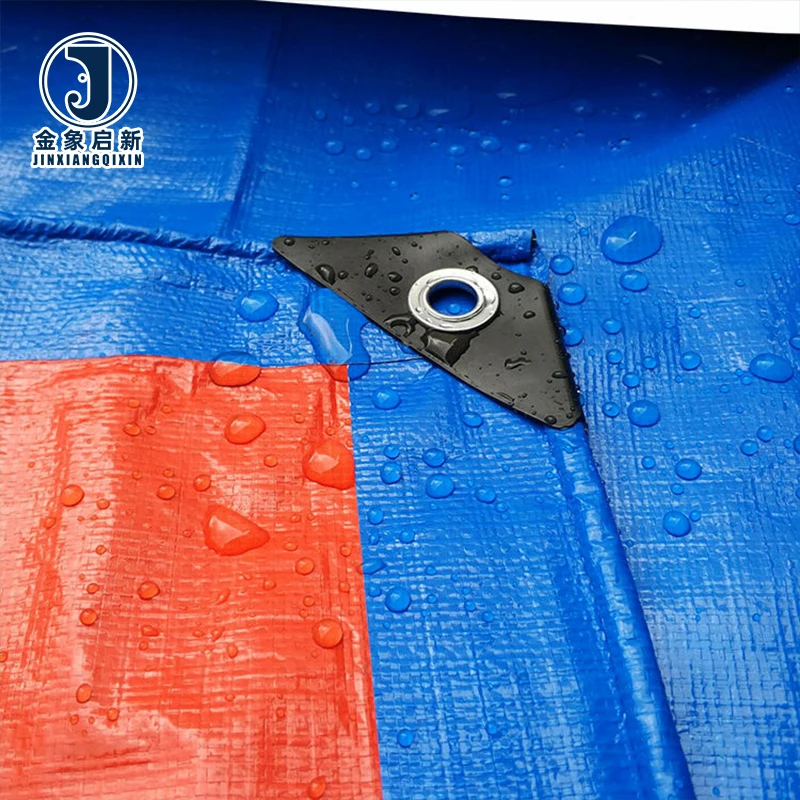
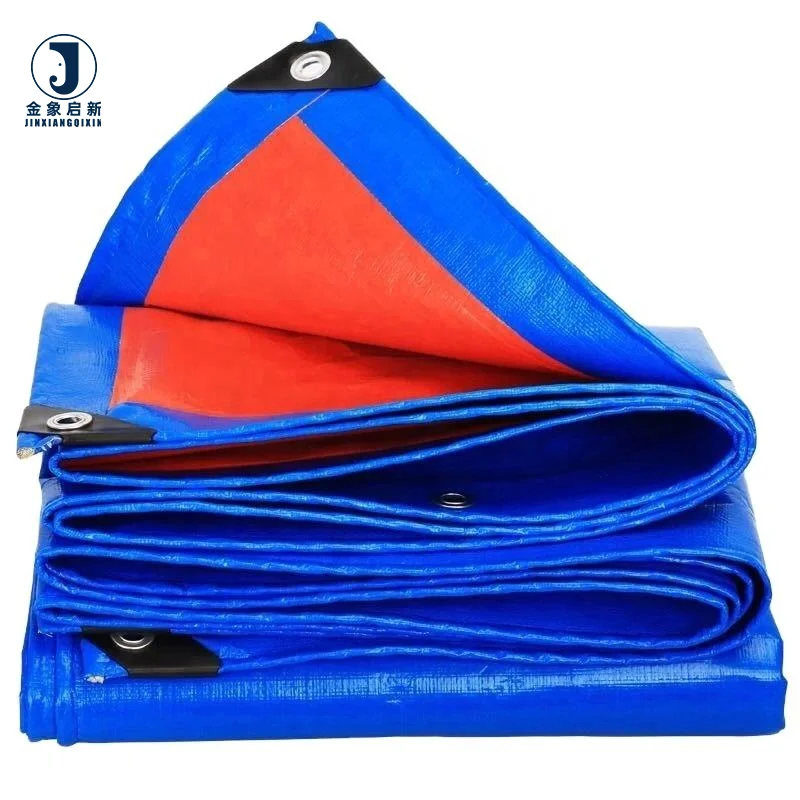
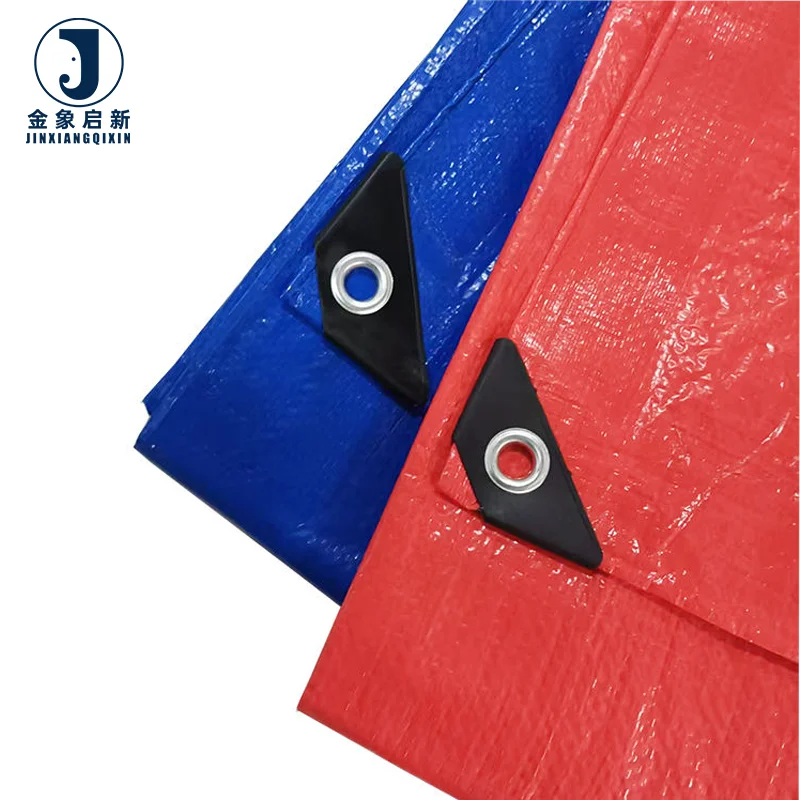
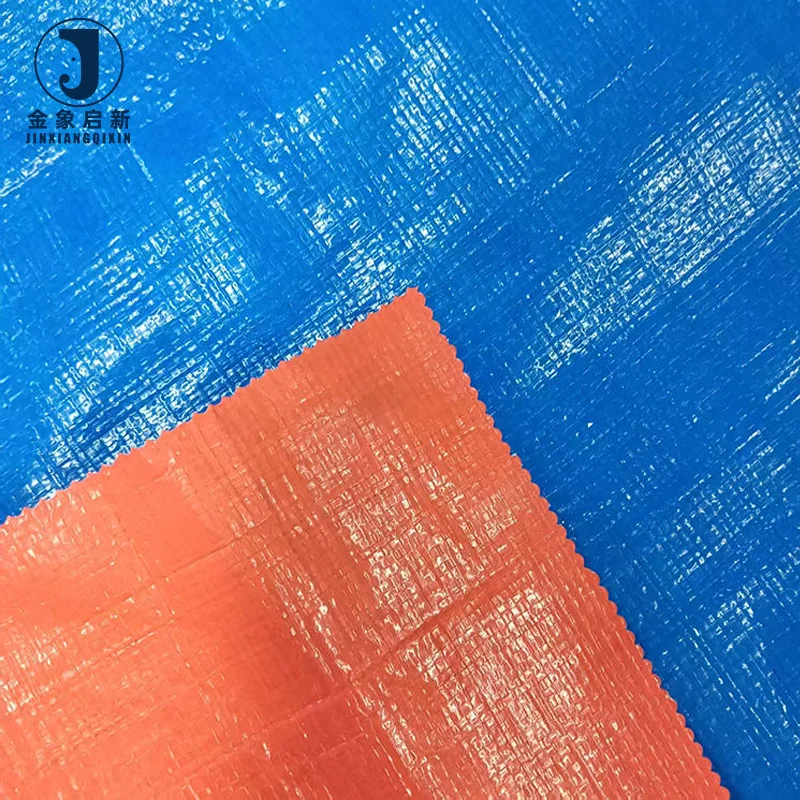
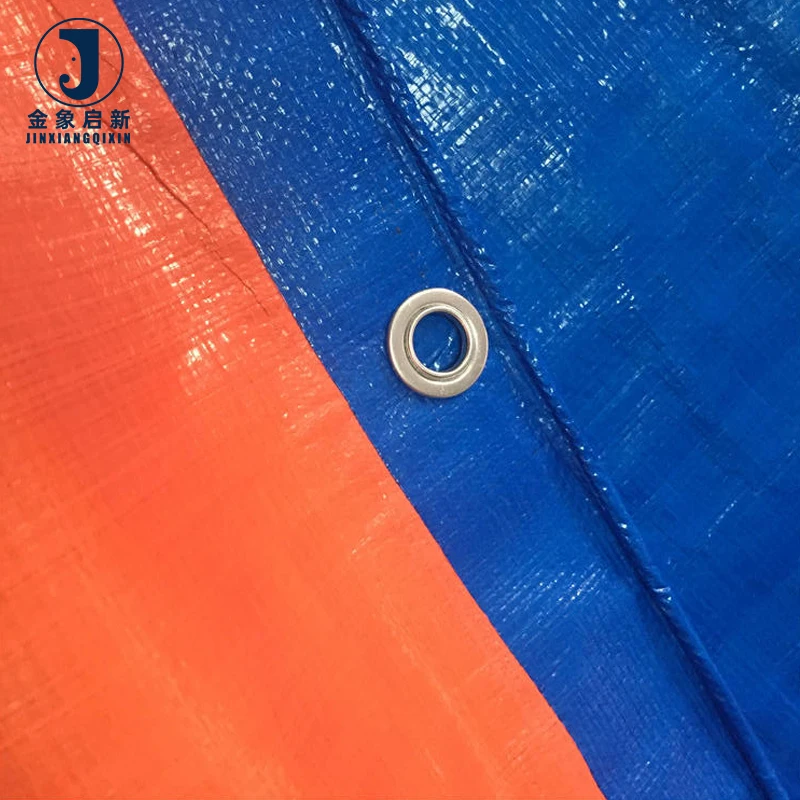
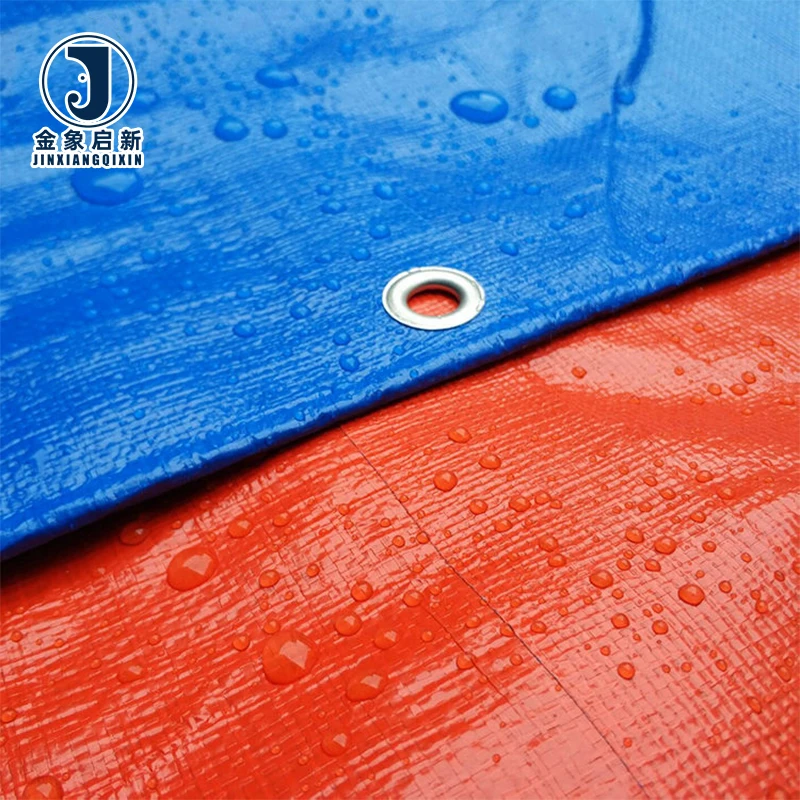
Process-Controlled Weave — Three dedicated production lines maintain tight tolerance on coating weight and base fabric tension, ensuring every roll of PE woven tarpaulin meets the stated specification before it leaves the factory.
Technical Specifications
| Parameter | Value |
|---|---|
| Product Type | PE Tarpaulin |
| Material | PE (Polyethylene) woven fabric |
| Weave Style | Plain |
| Surface Treatment | Waterproof coating |
| UV Protection | UV resistant treatment (test basis available on request) |
| Mildew Resistance | Mildew-proof |
| Color | Customizable |
| Size | Customizable |
| Eyelet & Hem Options | Available (details confirmed per order) |
Application Suitability
| Application | Exposure & Requirement |
|---|---|
| Outdoor tent and ceremony structure | Extended sun and rain exposure, repeated assembly and teardown, wind load on seams |
| Truck and trailer cover | Road vibration, constant flex at load points, weather and debris impact |
| Fish farming pond liner | Permanent water contact, soil chemistry, puncture risk from substrate |
| Construction site and equipment cover | UV degradation, dust ingress, mechanical abrasion from scaffolding |
| Outdoor event and roof covering | Sudden rainfall, wind uplift, crowd proximity requiring tear resistance |
Why "Waterproof" Is Not Enough When Sourcing PE Woven Tarpaulin
A coating claim without a verified GSM and base fabric denier leaves you guessing how the material will actually perform on site.
Many buyers receive PE woven tarpaulin that passes an initial water bead test but fails after weeks of outdoor exposure. The coating may be thinner than quoted, the base fabric may have a lower denier, or the lamination may delaminate at the seams under flex load [NEED_CITE: tensile and tear test methods for coated fabrics per ISO 1421]. Without documentation tying the waterproof claim to a measurable coating weight and fabric construction, the specification is essentially a promise with no evidence behind it.
Plain Weave Construction and What It Means for Load Distribution
The plain weave pattern in this PE woven tarpaulin interlaces warp and weft yarns at every crossing point. This creates balanced tensile performance in both directions, which matters when the fabric is under multi-axial stress — for example, a truck cover that flexes at the corners while the center bears the weight of wind load. The uniform interlacing also provides a stable substrate for the waterproof coating to bond to, reducing the chance of delamination at high-stress zones.
Coating Integrity Across Custom Sizes and Colors
When PE woven tarpaulin is produced in custom widths and colors, maintaining coating consistency from one edge of the roll to the other — and from one roll to the next — is where process control separates reliable supply from field failures. Jinxiang runs in-process QA on every production stage, checking coating adhesion and weight distribution before the roll moves to the next station [NEED_CITE: pre-shipment inspection protocol for coated fabric rolls]. This means a batch of custom-colored tarpaulin for a multi-tent event installation will not show visible shade variation once the panels are hung side by side.
Reading the Specification Sheet Beyond the GSM Number
GSM alone tells you how much material is in a square meter, but it does not tell you how that weight is distributed between base fabric and coating. A PE woven tarpaulin with a heavy coating over a light base fabric may show acceptable GSM on the scale yet tear easily when an eyelet pulls under load. Conversely, a heavier base fabric with a thinner coating may offer better tear resistance but compromise waterproof longevity. The relationship between denier, weave density, and coating weight determines whether the fabric holds up to the specific demands of your application — and this is why a full material specification sheet matters more than a single GSM figure [NEED_CITE: relationship between base fabric denier and coating weight in woven tarpaulin performance].
The Cost of Overlooking Batch Consistency in PE Woven Tarpaulin
When multiple rolls in the same order arrive with slightly different coating thickness or color shade, the problem often goes unnoticed until installation. A truck fleet operator fitting side curtains may find that one panel looks noticeably different from the next under daylight. A tent installer may discover that seams on certain rolls do not respond to the same heat-weld settings, leading to rework. These inconsistencies trace back to production runs where coating weight or pigment dosing drifted between batches without corrective intervention [NEED_CITE: causes of roll-to-roll variation in PE coated fabric production].
What Consistent Process Control Delivers for Your Orders
Deep coating process knowledge built over nearly three decades of PE fabric production means the coating weight on the specification sheet matches what arrives at your dock. Three full production lines with dedicated equipment allow bulk orders to move through without bottleneck, while a 10-person R&D team handles custom size and color development — producing samples within days rather than weeks. Dedicated QA at each production stage with full inspection before dispatch ensures that every roll of PE woven tarpaulin is checked against the order specification before packing.
Documentation & Verification
- Material specification sheet stating base fabric denier, coating material, and color reference per roll
- Weight verification per roll against the stated GSM before dispatch
- UV resistance test report available on request for your market compliance
- Pre-shipment inspection record covering coating adhesion and visual consistency
- ISO and CE certificates supporting export compliance documentation
- Roll packing list with batch traceability for each shipment
Fabrication, Handling & Storage
- Heat-weld PE woven tarpaulin at temperatures matched to the waterproof coating thickness to avoid delamination at flex points
- Specify eyelet spacing based on the final application load to prevent tearing through the plain weave base fabric
- Store rolls upright in shaded, ventilated areas to prevent flat-spot deformation of the PE coating surface
- Use mild detergent for cleaning; avoid solvents that may degrade the waterproof coating layer
- Plan cutting layouts to maximize yield from custom-width rolls and reduce the number of welded seams in the final installation
- Allow cold-stored rolls to acclimatize before unrolling to prevent coating cracking at low temperatures
What We Need to Quote Your PE Woven Tarpaulin Accurately
Share the application environment — whether the fabric will face permanent outdoor exposure, contact with water or chemicals, or mechanical abrasion from load movement. Confirm the required width, roll length, and whether you need finished panels with eyelets and reinforced hems or raw roll stock. If your market requires UV or mildew-resistance documentation for compliance, let us know the applicable standard so we can prepare the correct test reports with your sample.
Frequently Asked Questions
Q: How is UV resistance verified and what test basis is provided?
A: Our PE woven tarpaulin carries UV resistant treatment applied during production. The specific test basis and exposure duration results are available on request — provide your market or application requirement so we can supply the matching test report with your sample or pre-shipment documentation package.
Q: How do you ensure color consistency across multiple rolls in the same order?
A: Every production run undergoes in-process color checks, and the 100% pre-shipment inspection includes a visual consistency review across all rolls in the batch. If your project requires panels hung side by side, we flag this during order confirmation so production holds tighter shade tolerance throughout the run.
Q: What custom sizes and colors are available, and what are the minimums?
A: PE woven tarpaulin is available in custom widths, lengths, and colors to match your project specification. Minimums depend on the specific color and width combination — share your required dimensions and annual volume so we can confirm the production run threshold and lead time for your order.
Q: How are welded seams tested to prevent failure at high-flex points?
A: Welded seams on PE woven tarpaulin are inspected for coating bond integrity and peel resistance during the pre-shipment QA process. If your application involves repeated flexing — such as truck side curtains or tent structures subject to wind load — we adjust weld parameters to the coating thickness and validate adhesion before the panels ship.
Q: What documentation ships with each order for customs and compliance?
A: Each shipment includes a material specification sheet, roll packing list, certificate of origin, and ISO and CE certificates. UV or mildew-resistance test reports and pre-shipment inspection records are included based on your market requirements, confirmed during the quotation stage so nothing is missing when the container arrives at your port.