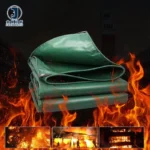
Specialist Process Control — our 10-person R&D team develops ventilation duct fabric with fire-retardant and anti-static treatment options, validated through documented testing matched to site regulatory requirements.
Technical Specifications
| Parameter | Value |
|---|---|
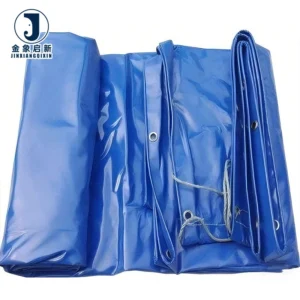
| Product Type | PVC Coated Tarpaulin Roll |
| Coating Material | PVC (vinyl) |
| Coating Method | Knife Coated |
| Base Fabric | 1000×1000 Denier Woven |
| Weight | At least 450 g/m² (verify against project specification) |
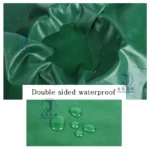
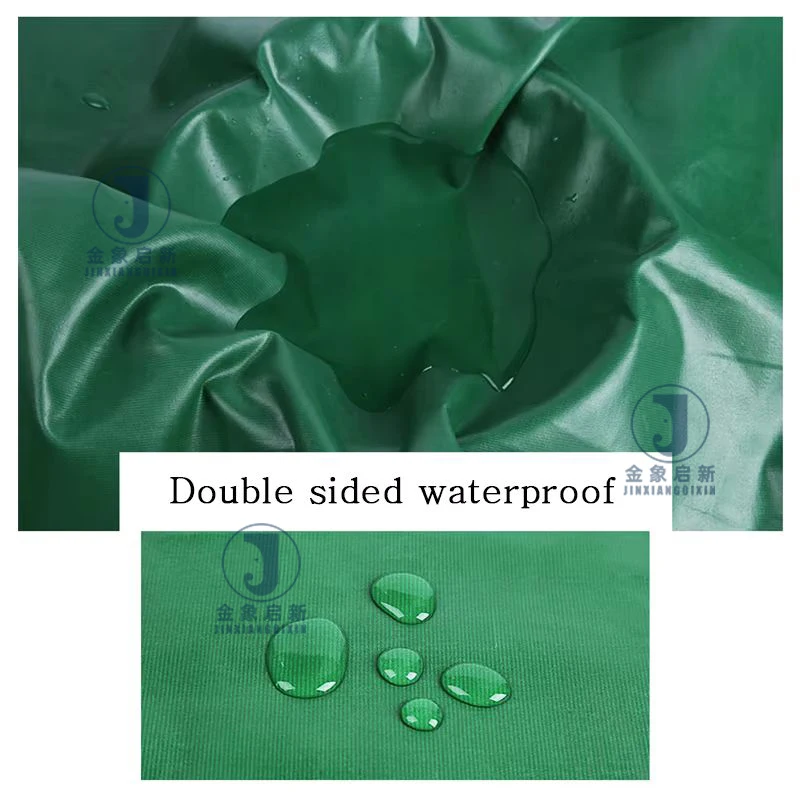
| Waterproof | Yes |
| Anti-UV | Anti-UV coated tarpaulin (test basis not stated — request report) |
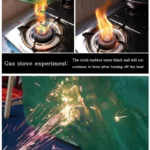
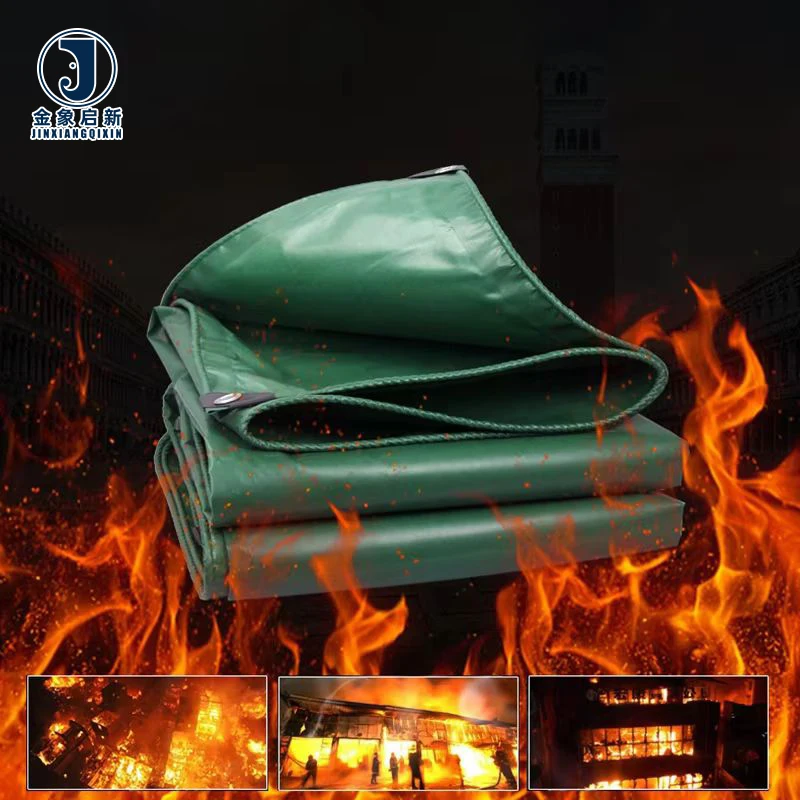
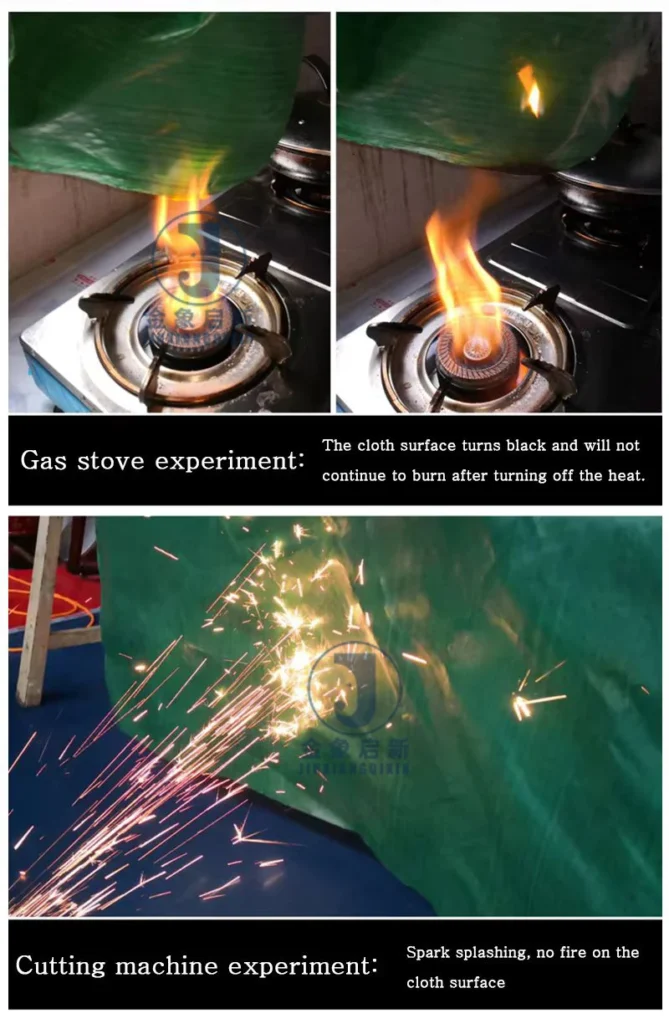
| Flame Retardant | Available in flame retardant grades — confirm the grade required for your site standard |
| Anti-Static | Available — confirm the surface resistance required for aviation or mining use |
| Finish Options | Banner coated / Black back coated |
| Custom Size | Available |
Application Suitability
| Application | Exposure & Requirement |
|---|---|
| Mining ventilation duct | Subterranean airflow, rock dust, flame-retardant certification mandatory for site entry |
| Tunnelling air supply | Continuous internal pressure, flex at supports, fire safety compliance |
| Aviation ground support ducting | Fuel-rich tarmac environment, anti-static discharge requirement, ground crew safety |
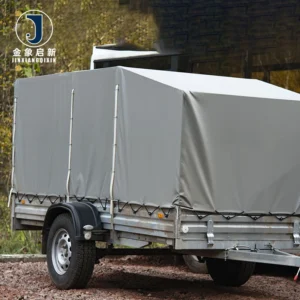
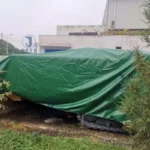
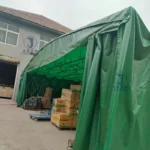
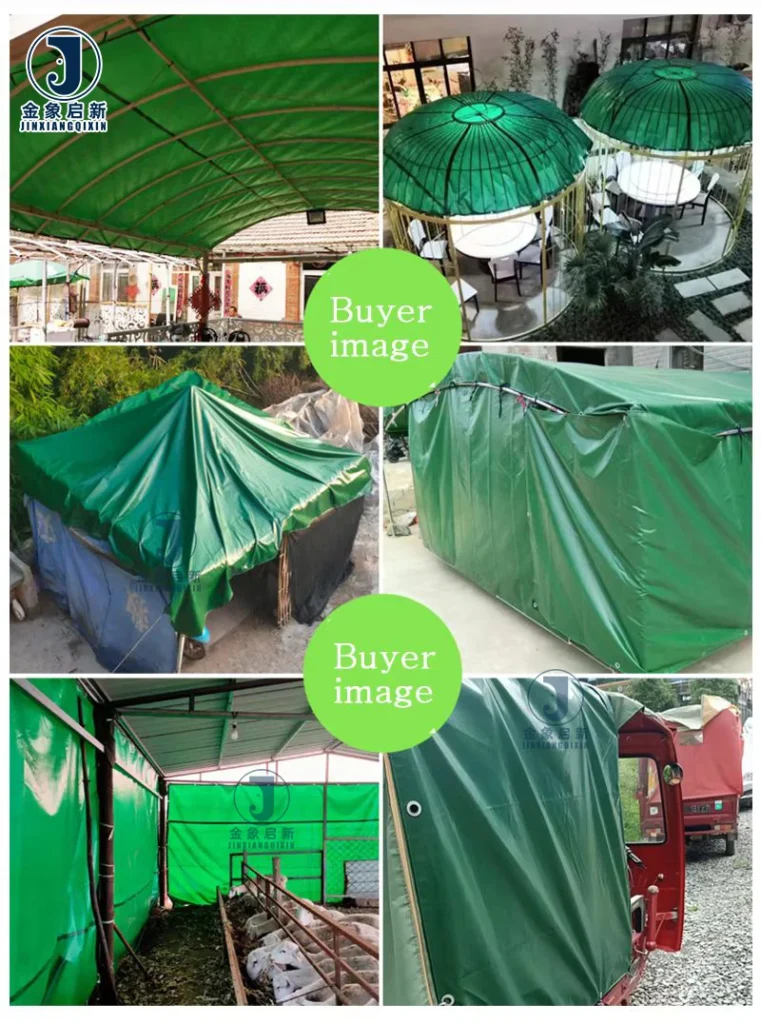
| Membrane structure fabric | Wind load, UV exposure, tensile stability for semi-permanent installations |
| Inflatable industrial structure | Internal air pressure, cyclic flex, puncture resistance at base contact points |
What Happens When Ventilation Duct Fabric Ships Without Site Certification
Fire-retardant and anti-static grades must be matched to the specific standard enforced at your project site, not assumed from a generic data sheet.
Ventilation duct supplied without the fire-retardant or anti-static certification the site requires is one of the most common procurement failures in mining and tunnelling. The fabric arrives, the duct is hung, and the site safety auditor requests the test report — which either does not exist or references a standard that does not match local regulation [NEED_CITE: regional mining ventilation safety standards for flexible duct materials]. Rejection at that stage means the entire duct run must be removed and replaced before ventilation resumes.
Anti-static compliance follows the same pattern. Aviation ground support ducting operates in environments where static discharge near fuel handling presents a documented hazard. A claim of "anti-static" on the quotation without a measured surface resistance value tied to a recognised test method leaves the contractor exposed during the compliance audit [NEED_CITE: anti-static textile testing standards for aviation ground equipment].
For PVC coated tarpaulin fire retardant and anti-static applications, the cost of getting the certification wrong is never just the fabric — it is the downtime, the re-installation labour, and the regulatory delay that follows.
Ventilation Duct Compliance Starts at the Specification Stage
Mining and tunnelling contractors specifying ventilation duct face a regulatory environment where fabric compliance is non-negotiable. The PVC coated tarpaulin fire retardant grade must align with the standard enforced by the site operator or the national mining authority. Our fabric is available with fire-retardant treatment — request the test report matched to your project standard before confirming the order.
Anti-Static Fabric for Aviation and Sensitive Environments
Ground support ducting and inflatable structures in fuel-proximate environments require documented anti-static performance. Surface resistance must be measured and reported against a recognised method. Confirm the specific resistance range your site requires and request the corresponding test documentation with your material specification sheet.
Reading the Specification Beyond GSM
The 1000×1000 denier woven base fabric provides dimensional stability under the internal pressure and cyclic flex loads typical of ventilation duct service. Denier and weave density together determine how the fabric resists tear propagation — a critical property when a duct run is suspended over long distances and flexes at each support bracket.
Knife coating delivers consistent PVC adhesion across the base fabric surface. Unlike laminated or calendered methods, knife coating forces the PVC compound into the weave structure, producing higher peel strength at the coating-to-yarn interface [NEED_CITE: knife coating versus lamination adhesion comparison for industrial coated fabrics]. This directly affects heat-weld performance at seam joints, where the coating must bond to itself without delaminating from the base fabric.
Weight at 450 g/m² positions this fabric in the mid-range for duct applications. GSM alone does not define burst pressure resistance — that depends on the interaction between coating thickness, base fabric tensile strength, and seam weld integrity.
The Cost of Undocumented Treatment Grades
When a ventilation duct fabric arrives on site with a fire-retardant claim but no test report referencing a recognised standard, the contractor faces an immediate compliance gap. The duct cannot be commissioned until documentation is produced or the fabric is replaced. In tunnelling operations, ventilation delay stops all downstream work.
Anti-static fabric supplied without a measured surface resistance value creates the same problem in aviation environments. Ground crews cannot connect ducting to aircraft systems until the safety officer signs off on the material [NEED_CITE: static discharge risk documentation requirements for aviation ground support materials].
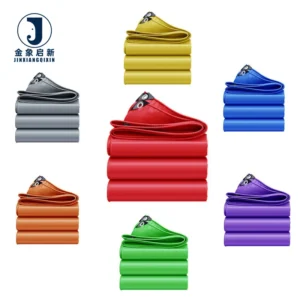
Colour variation between rolls is a secondary but visible problem when multiple rolls form a single duct run or membrane structure. Batch-level process control is necessary to prevent visible drift once the fabric is installed and viewed in continuous sections.
Why Source Ventilation Duct Fabric Through This Supply Chain
Our three full production lines and 36 sets of professional equipment support bulk ventilation duct fabric orders with reliable on-time delivery, reducing the risk of project delays caused by material shortage.
The 10-person R&D team handles material selection and sample development for fire-retardant and anti-static specifications, producing samples within days so contractors can verify compliance before committing to full production.
Dedicated QA/QC at every production stage with 100% pre-shipment inspection ensures coating weight, treatment application, and colour consistency are verified before rolls leave the facility.
Deep process control over coating weight and adhesion, developed over nearly 30 years of coated fabric production, supports consistent heat-weld performance at duct seam joints.
Documentation & Verification
- Material specification sheet stating GSM, 1000×1000 denier base fabric, knife coating method, and treatment grade with test standard reference
- Fire-retardant and anti-static test reports matched to the site standard required for your mining, tunnelling, or aviation project
- ISO and CE certificates included with each shipment for contractor compliance files
- Pre-shipment inspection record covering coating weight, colour reference, and treatment verification per roll
- Roll packing list and certificate of origin for customs clearance and project audit documentation
Fabrication, Handling & Storage
- Heat-weld seams at manufacturer-recommended temperature and dwell time — knife coated PVC on 1000×1000 denier base requires verified adhesion at flex points
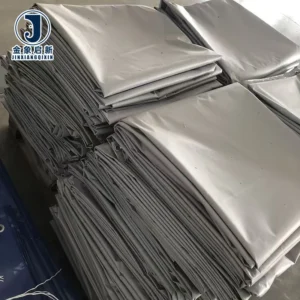
- Store rolls vertically on pallets in dry conditions to prevent edge deformation and permanent creasing of the coated surface
- Allow cold-stored rolls to reach ambient temperature before unrolling to avoid cracking the PVC coating at low flex radius
- Cut patterns to maximise yield from the roll width, accounting for weld overlap allowance at longitudinal duct seams
- Use PVC-compatible cleaners only — solvent-based products may degrade the coating surface and compromise fire-retardant treatment
- Field repair of minor punctures requires compatible PVC patch material heat-welded to the knife coated surface
Requesting a Project-Specific Quotation
Provide your ventilation duct diameter, continuous run length, and the fire-retardant or anti-static standard enforced at your project site. Specify whether you require roll stock for in-house fabrication or finished duct sections with welded seams and connection flanges. Confirm target roll width and annual volume so we can align production scheduling and provide accurate lead time.
Frequently Asked Questions
Q: What fire-retardant grade does the fabric carry and does it meet my local mining or tunnelling standard?
A: The fabric is available in fire-retardant grades with documented test basis. Provide the specific standard your site enforces — such as a national mining regulation or tunnelling safety code — and we will confirm whether our tested grade matches, supported by the relevant test report shipped with your order.
Q: How is anti-static performance measured and what surface resistance can I expect?
A: Anti-static treatment is applied and measured against recognised test methods for textile surface resistance. State the resistance range required by your aviation or mining specification, and we will confirm the achievable value with test documentation before production begins.
Q: What is the relationship between GSM, base fabric denier and duct burst pressure?
A: GSM reflects total coating and fabric weight but does not alone determine burst pressure. The 1000×1000 denier woven base provides tensile stability, while knife coating adhesion and weld seam integrity complete the pressure-resistant system. We provide specification data to support your engineering calculations.
Q: Can custom width and roll length be produced for long continuous duct runs?
A: Custom widths and roll lengths are available to reduce the number of longitudinal weld seams in continuous duct installations. Provide your required dimensions and minimum order quantity, and our R&D team will confirm feasibility and produce a sample for your approval before full production.
Q: What documentation ships with the fabric for site safety and compliance audits?
A: Each shipment includes a material specification sheet, fire-retardant or anti-static test reports matched to your requested standard, ISO and CE certificates, a pre-shipment inspection record, a roll packing list, and a certificate of origin for full customs and project audit traceability.