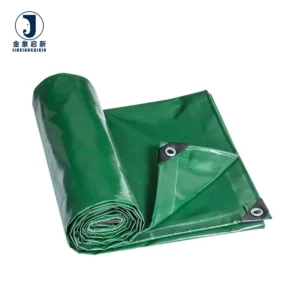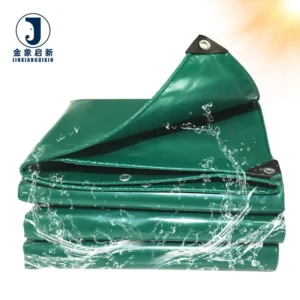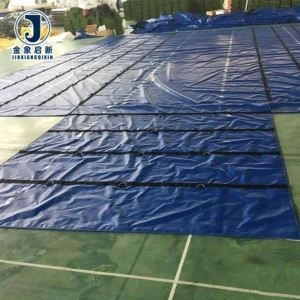
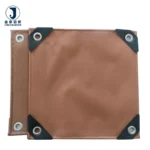
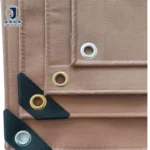
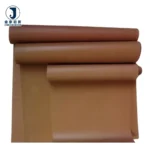
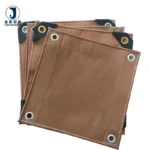

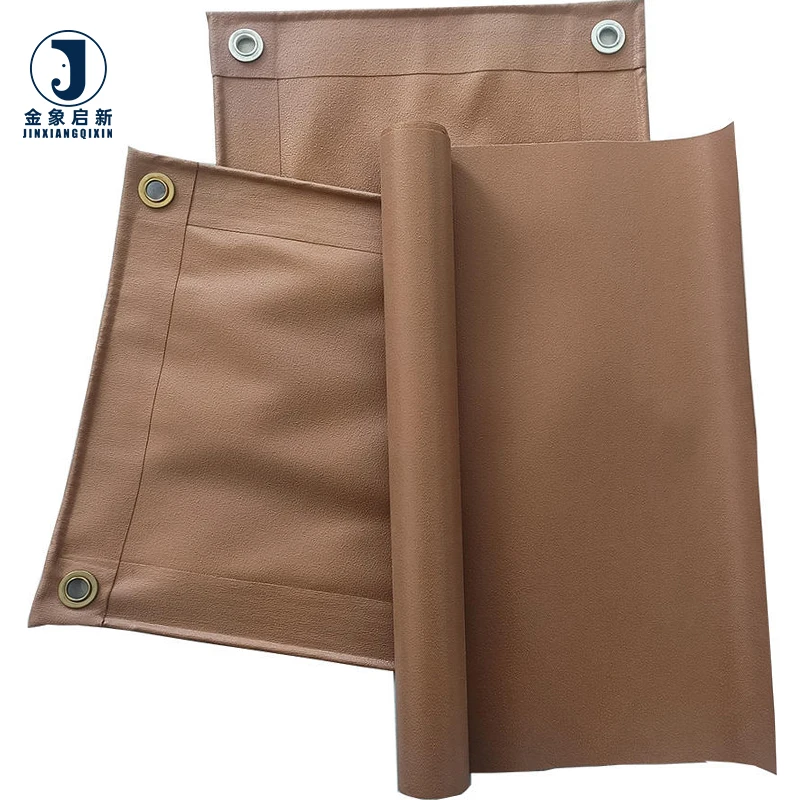
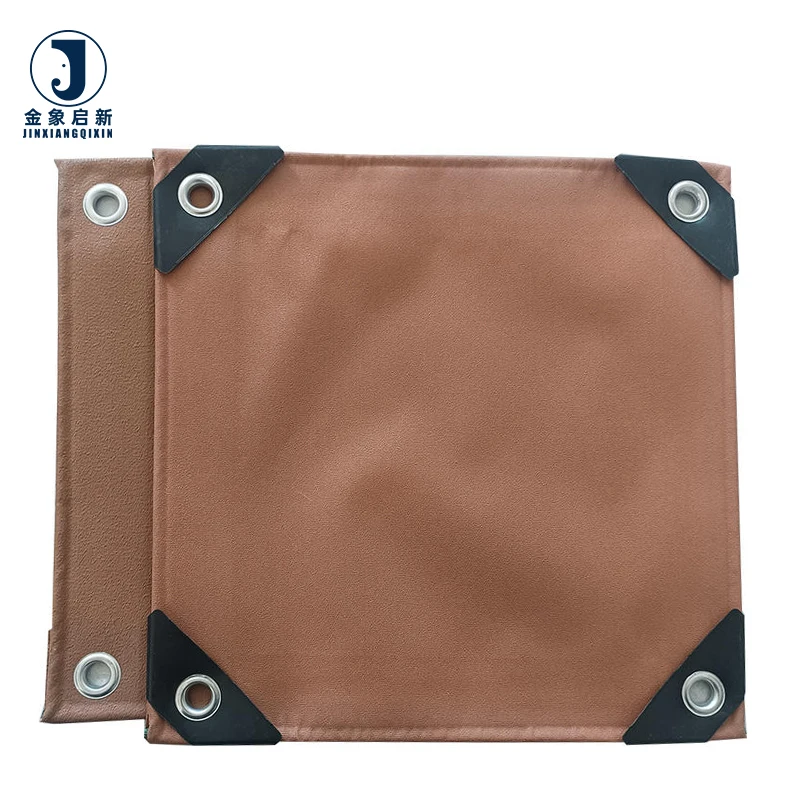
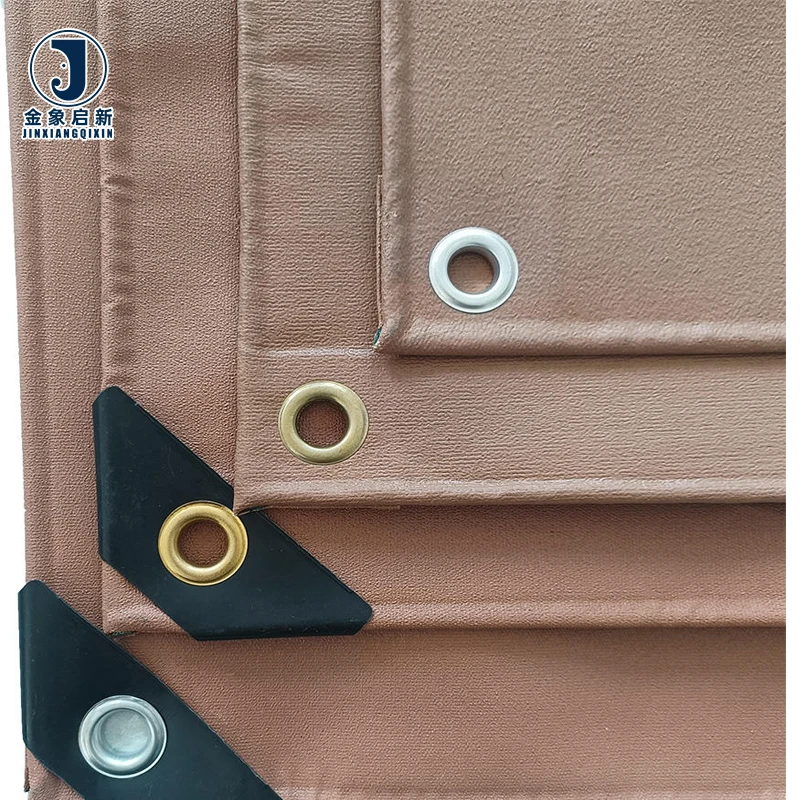
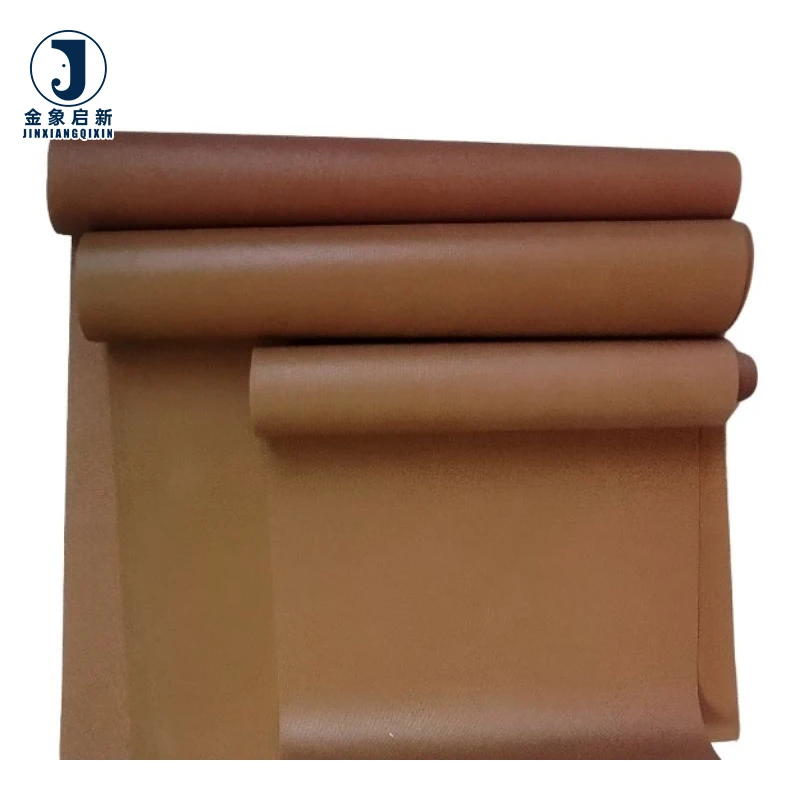

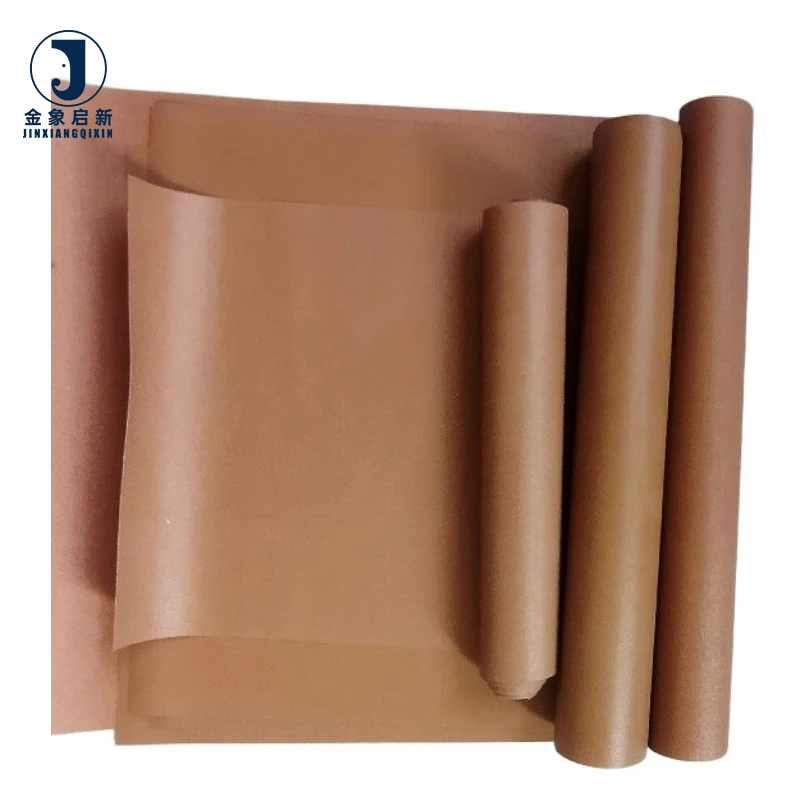
Coating weight control — every roll of this 1000D PVC coated tarpaulin is weighed and verified against the quoted 550GSM or 900GSM specification before it leaves the line, eliminating the gap between quotation and delivery.
Technical Specifications
| Parameter | Value |
|---|---|
| Product Type | PVC Coated Tarpaulin |
| Base Fabric Denier | 1000D |
| Weight Options | 550GSM / 900GSM |
| Coating Material | PVC |
| Waterproof | Yes |
| Flame Retardant | Available (grade not stated — confirm the standard required for your project) |
| Anti-Static | Available (test basis not stated — request surface resistance data) |
| Anti-Mildew | Available |
| Anti-Cold | Available |
| Surface Treatment | Self-clean coating |
| Weather Resistance | 3–5 years outdoor life (source value — verify against current production data) |
| Custom Size | Available |
Application Suitability
| Application | Exposure & Requirement |
|---|---|
| Mine and tunnelling ventilation ducts | Continuous airflow, suspended weight, fire and static compliance on site |
| Inflatable and membrane structures | Internal pressure loading, UV exposure, seam integrity under tension |
| Aviation hangar ventilation systems | Flame-spread restrictions, static dissipation, chemical-laden air contact |
| Temporary industrial enclosures | Wind loading, weather cycling, rapid deploy and strike |
| Flood barrier and containment | Prolonged water contact, hydrostatic pressure, puncture from debris |
What "Fire-Retardant PVC Coated Tarpaulin" Means Without a Verified Test Report
A flame-retardant claim only protects your project if it comes with a test report naming the standard and the result.
Ventilation duct fabric arrives on a mining site and the safety officer asks for the fire classification certificate. The supplier sent a quotation that says "flame retardant" but no document follows. Work stops until the fabric is verified or replaced — a delay measured in weeks, not days. I have seen this scenario repeat across tunnelling and aviation duct projects where the PVC coated tarpaulin fire retardant grade was assumed rather than specified. [NEED_CITE: fire classification standards for ventilation duct materials in underground mining]
How Base Fabric and Coating Interact in Ventilation and Membrane Use
The 1000D base fabric in this PVC coated tarpaulin provides the tensile backbone for suspended duct runs and inflated membrane walls. The denier count determines how much load each yarn can carry before the fabric stretches or tears at mounting points. When the duct is pressurised or the membrane is tensioned, the base weave distributes stress across multiple yarns rather than concentrating it at a single attachment.
Coating adhesion between the PVC layer and the 1000D polyester substrate controls how the fabric behaves when heat-welded. A well-bonded coating transfers load through the weld zone without peeling, which matters when duct sections flex under air pulsation or when membrane panels move under wind load.
Treatment Selection for Site-Specific Compliance
Flame retardant and anti-static treatments are available for this PVC coated tarpaulin, but the applicable grade must match the regulation at your site. Underground mining ventilation, for instance, often requires both properties documented to a recognised standard before the duct can be hung. Aviation workshop ducts may specify a particular flame-spread index. [NEED_CITE: anti-static surface resistance requirements for ventilation ducts in hazardous areas]
Anti-mildew treatment extends service life in humid tunnel environments where condensation collects on the inner duct surface. Anti-cold treatment keeps the PVC flexible in low-temperature installations so the fabric does not crack during folding or deployment in winter conditions.
Reading the Specification Sheet Beyond the GSM Number
The 550GSM and 900GSM weight options in this PVC coated tarpaulin family represent different coating thicknesses over the same 1000D base. Heavier coating increases abrasion resistance and weld seam width but adds roll weight, which affects handling and suspension loads on long duct runs. The base fabric denier stays constant, so tensile strength per centimetre of width remains comparable across both grades — the difference lies in surface durability and stiffness.
Coating method influences peel strength at the weld. Knife-over-roll coating typically produces higher adhesion than lamination, meaning heat-welded seams on duct sections are less likely to delaminate under repeated flex cycles. Surface finish — the self-clean coating specified here — affects how dust and particulate accumulate on the outer face of ventilation ducts, influencing both airflow efficiency and cleaning intervals.
Width selection determines how many longitudinal welds a duct or membrane panel requires. Fewer welds mean fewer potential failure points and faster fabrication, but wider rolls demand more careful handling to avoid crease damage during transport.
The Cost of Specifying Treatment Without Documentation
Ordering flame-retardant PVC coated tarpaulin without requesting the test report before shipment leaves the buyer exposed at the point of site inspection. The duct is fabricated, shipped and installed, then the compliance audit finds no paperwork. The fabric may perform adequately, but without documentation the installation cannot be signed off. Rework — removing, replacing and re-inspecting — costs far more than a test report would have. [NEED_CITE: compliance documentation requirements for coated fabric in mining ventilation]
Batch-to-batch variation in treatment concentration can also mean the first roll passes testing while subsequent rolls fall below the threshold. Verification at every production stage, not just on the initial sample, is what keeps treatment effectiveness consistent across a full container order.
Why Technical Buyers Source This Fabric Here
Deep process control over coating weight means the GSM on the material spec sheet matches what arrives on the dock — verified roll by roll, not just on the sample sent during quoting.
Three full production lines with 36 sets of equipment support volume orders of ventilation duct fabric and membrane material with reliable on-time delivery, even when custom widths or treatment grades are specified.
A dedicated 10-person R&D team develops samples within days for specialist requirements — fire-retardant grades, anti-static formulations, or custom colour matching for visible membrane structures.
Every roll undergoes 100% pre-shipment inspection with individual verification of coating weight, colour consistency and treatment presence, documented before dispatch rather than assumed.
Cross-border documentation — certificate of origin, customs paperwork and packing lists — is prepared in-house to support specialist fabric procurement across international project sites.
Documentation & Verification
- Material spec sheet stating 1000D denier, selected GSM and coating weight per roll
- Test report for flame retardant grade naming the standard and pass result
- Anti-static surface resistance measurement with test method identified
- Pre-shipment inspection record with roll-by-roll GSM and colour verification
- Certificate of origin and customs documents for cross-border specialist shipments
Fabrication, Handling & Storage
- Heat-weld at temperatures matched to the selected 550GSM or 900GSM coating thickness for full seam penetration
- Allow rolls to acclimatise before unrolling in cold conditions to prevent anti-cold treated PVC cracking
- Store rolls upright on cores to avoid flat-spot creases that weaken the 1000D base at fold lines
- Use compatible PVC-based repair patches for field patching of membrane or duct punctures
- Plan cutting layouts around available roll widths to minimise longitudinal welds in duct fabrication
- Clean self-coat surface with mild detergent only to preserve the treatment layer intact
Before You Send the Enquiry
Provide the application type — ventilation duct, inflatable structure or membrane enclosure — along with the compliance standards your site or market requires for flame spread and static dissipation. Specify whether you need rolls at a particular width or finished panels cut to dimension. Confirm the annual volume and any colour or surface marking requirements so the quotation reflects your actual project scope.
Frequently Asked Questions
Q: What fire classification standard does this PVC coated tarpaulin meet for mining or aviation duct use?
A: Flame retardant treatment is available, but the specific standard must be confirmed for your market. Request the test report naming the classification — such as the applicable grade for your jurisdiction — before placing a bulk order. Our team will match the treatment to the compliance documentation your site safety officer requires.
Q: How is anti-static performance measured and what surface resistance can I expect?
A: Anti-static treatment is offered as an option, and the measurement method depends on the standard applicable to your installation. Request the surface resistance value and the test basis with your sample. We provide documented results so your compliance team can verify the fabric meets the electrostatic discharge requirements of the site.
Q: Can I receive a test report before committing to a bulk order?
A: Yes. Sample development includes treatment verification, and test reports for flame retardant and anti-static grades are available before you approve production. This lets you confirm the material meets your specification and present the documentation to your project’s compliance authority without delay.
Q: What is the difference between 550GSM and 900GSM for membrane and duct applications?
A: Both grades share the same 1000D base fabric, so tensile strength is comparable. The 900GSM carries thicker PVC coating for higher abrasion resistance and wider weld seams, suited to high-wear duct runs. The 550GSM is lighter and easier to handle on large membrane panels where overall weight affects structural support design.
Q: How do you ensure batch-to-batch consistency in treatment effectiveness?
A: Each production run undergoes in-process quality checks with 100% pre-shipment inspection. Coating weight and treatment application are verified roll by roll, and the inspection record accompanies your shipment. This prevents the variation that causes one roll to pass site testing while another in the same order does not.